Berlin is one of those cities that doesn’t make you choose between your budget and immersing yourself in the city. You can spend entire days exploring without paying for anything more than a coffee, and still walk away feeling like you’ve stepped through centuries of history, art, and everyday Berlin life.
If you’re planning a trip and want to experience the city deeply — without draining your wallet — here’s a personal guide to the best free things to do in Berlin, including the iconic landmarks and the places where the city’s past and present meet in unforgettable ways.
This post may contain affiliate links. If you make a purchase, we may earn a small commission at no extra cost to you. Our goal is to provide valuable and helpful content, and any commissions help us to mantain this site.
Contents
ToggleGet your Berlin Essentials!
- Find cheap flights to Berlin
- Find hotels or hostels in Berlin
- Find activites and tours for Berlin
- Compare hire car prices or train tickets
- Get an eSIM for Berlin. Use our code ‘TBTravellers to receive 5% OFF any eSIM!
Checkpoint Charlie
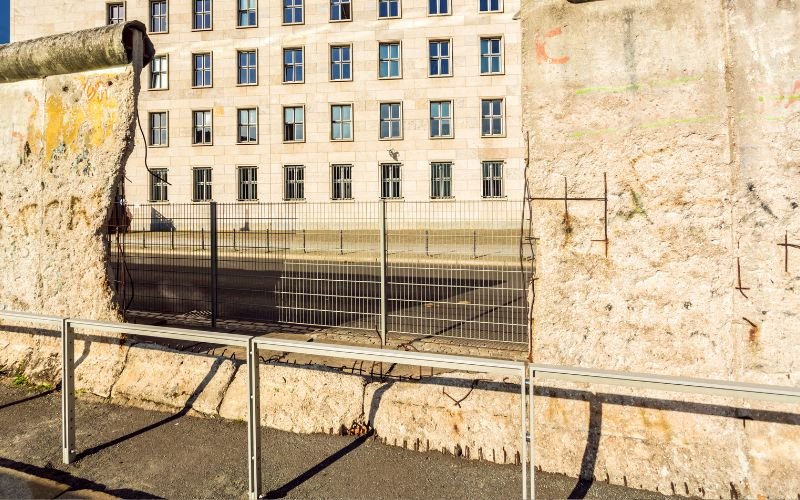
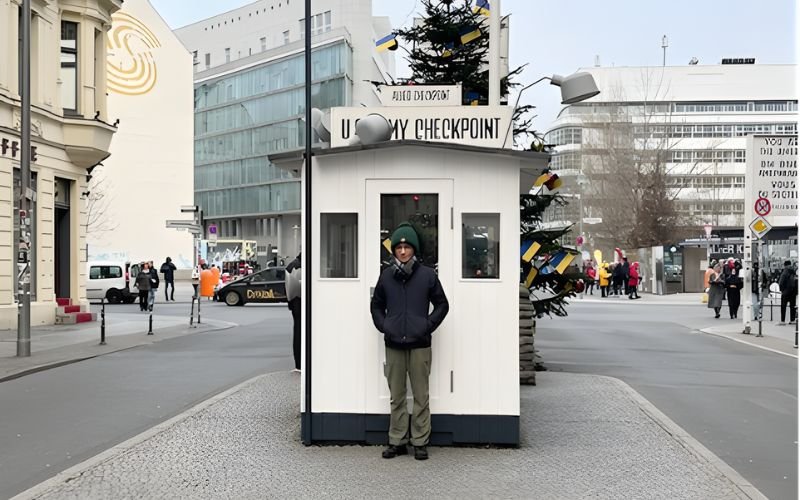
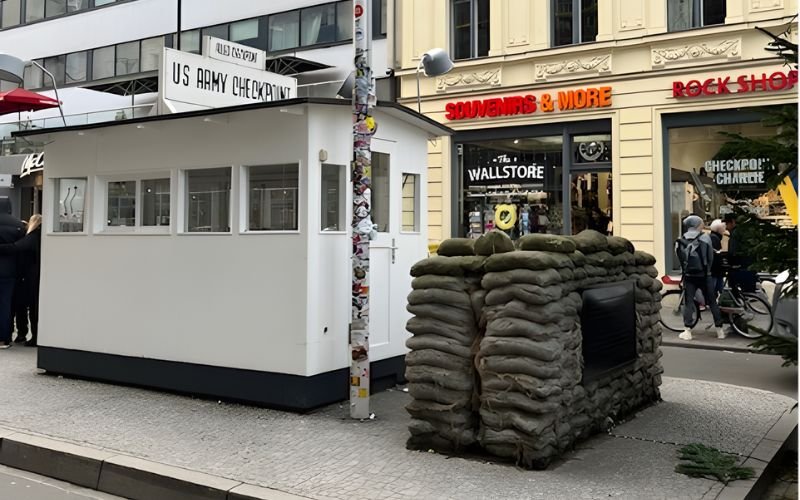
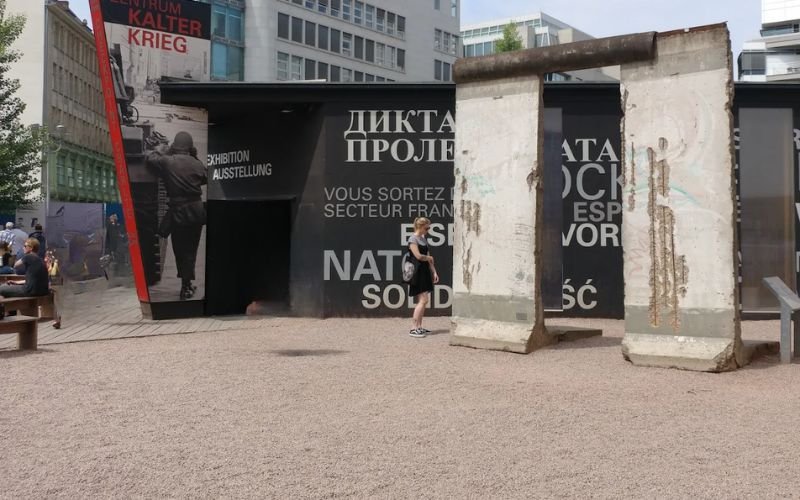
Once the most famous border crossing between East and West Berlin, Checkpoint Charlie has transformed from a tense Cold War flashpoint into a surreal blend of history, symbolism, and tourist buzz. While the replica guardhouse and costumed “soldiers” can feel commercial, the free outdoor exhibits surrounding the site are genuinely powerful.
They lay out the stories of escape attempts, political standoffs, and everyday life in a divided city with raw detail and emotional weight. Spending time here helps you grasp the tension, fear, and extraordinary courage that shaped Berlin during the Cold War — and why this small intersection once held the world’s attention.
Location
Friedrichstraße 43–45, right in the heart of the city’s former border zone. It’s easy to reach, with several public transport options just a short walk away.
Closest Public Transport Stops
U-Bahn: Stadtmitte (U6 + U2) — about 4 minutes on foot
U-Bahn: Kochstraße/Checkpoint Charlie (U6) — about 1 minute on foot (this is the closest stop)
Bus: M29 (stop: Kochstraße/Checkpoint Charlie) — stops directly at the site
Bus: M48 & 248 (stop: Stadtmitte) — a short walk away
Brandenburg Gate
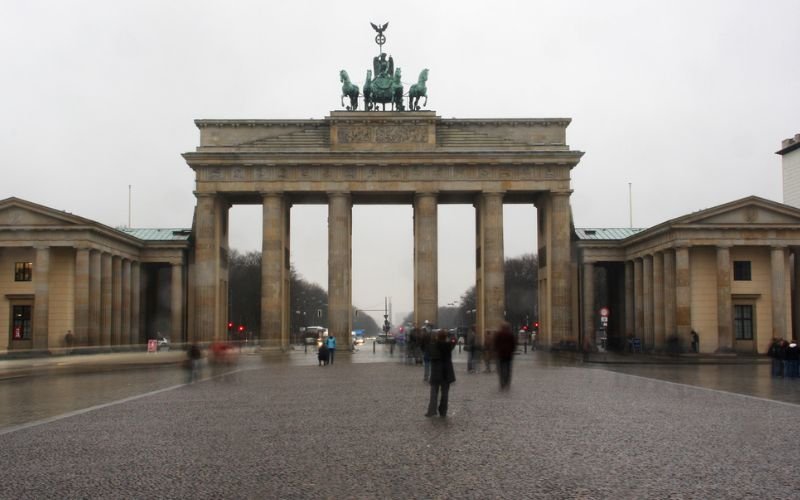
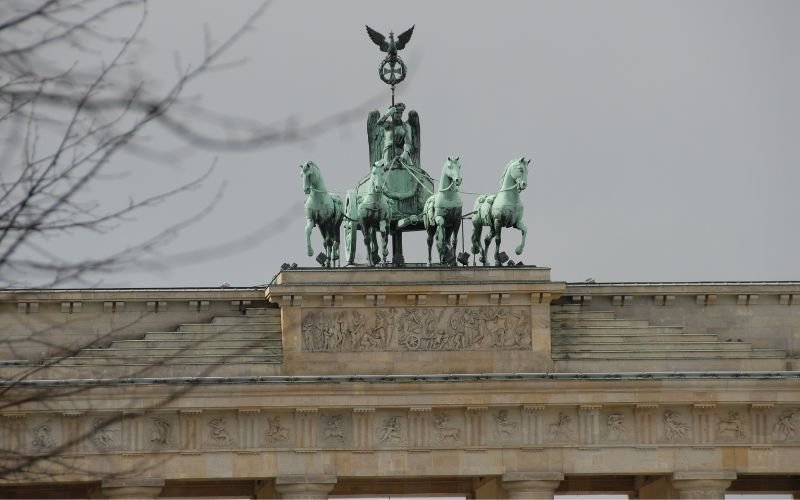
Built in the late 18th century as a grand entrance to the city, the Brandenburg Gate has witnessed Napoleon’s troops marching through, the rise and fall of empires, the construction of the Berlin Wall, and the celebrations of 1989 when the city was finally reunited. Its story mirrors Berlin’s own — turbulent, resilient, and ultimately hopeful.
Location
Brandenburg Gate is located at Pariser Platz, right at the end of Unter den Linden and beside the Tiergarten. It’s one of the most central and easily accessible landmarks in the city.
Closest Public Transport to Brandenburg Gate
S‑Bahn: Brandenburger Tor (S1, S2, S25, S26) — 1 minute on foot
U‑Bahn: Brandenburger Tor (U5) — 1 minute on foot
Bus: 100 & 245 (stop: Brandenburger Tor) — stops directly next to the gate
Reichstag Building & Glass Dome
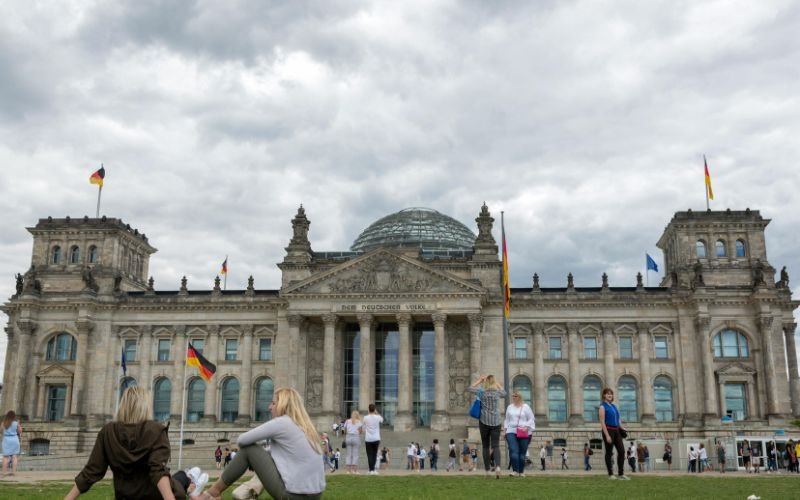
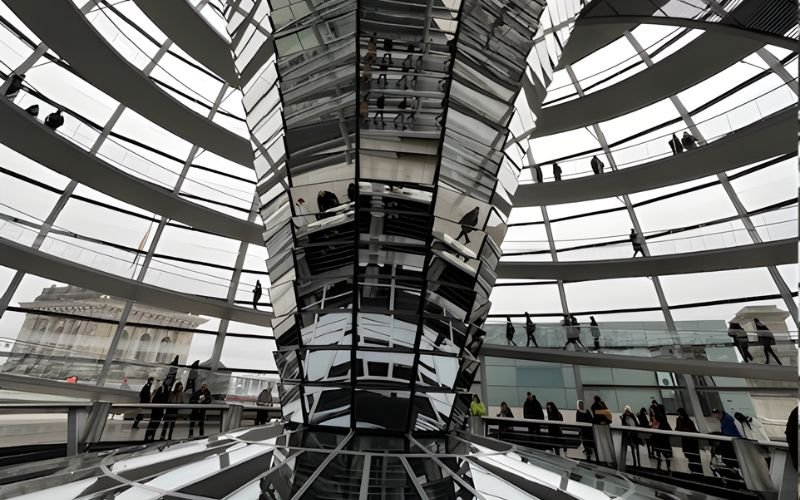
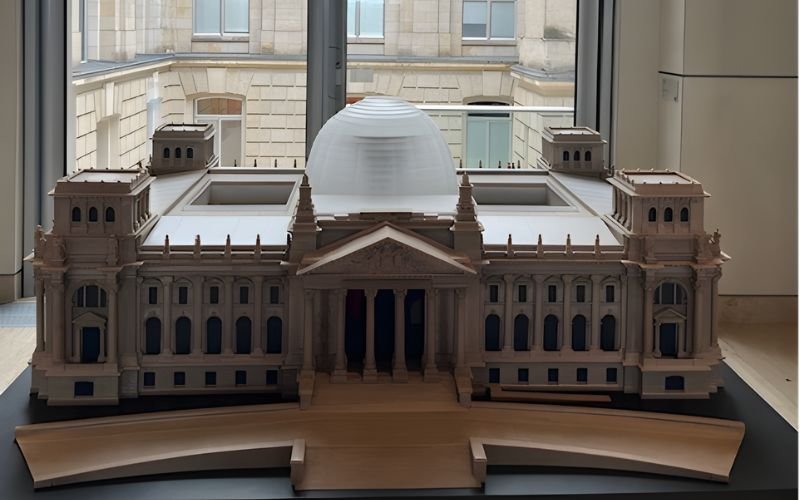
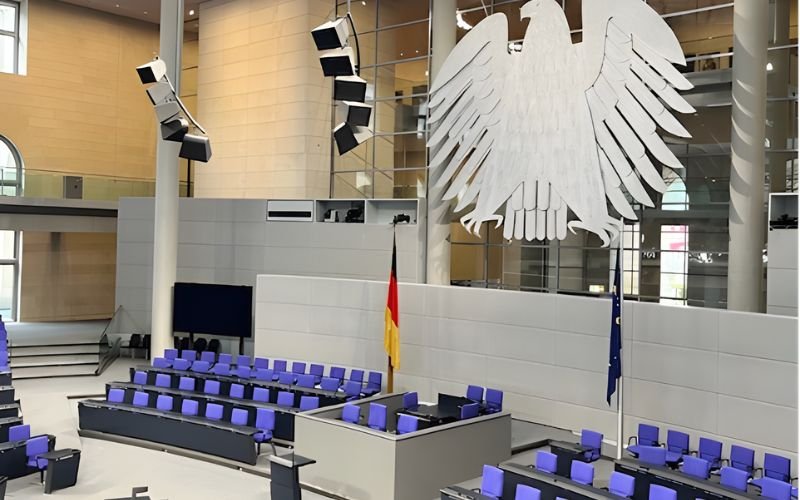
The Reichstag sits just steps from the Brandenburg Gate and has one of the most fascinating stories in Berlin. Built in the late 19th century, damaged during World War II, and redesigned in the 1990s with Norman Foster’s striking glass dome, it’s now home to the German Parliament.
Visits are free, but you need to book a time slot in advance. After a quick security check, an elevator takes you straight to the base of the dome. From there, a gentle spiral ramp leads you upward with sweeping views of central Berlin. An audio guide automatically starts as you walk, pointing out landmarks and sharing bits of history. Photos and videos are allowed, and the whole visit takes about an hour.
At the bottom of the dome, you’ll find displays about the building’s past and Germany’s political system, plus a small café if you want to linger. It’s an easy, engaging visit with great views and a fascinating mix of architecture and history — definitely worth adding to your Berlin itinerary.
Location
Platz der Republik 1, right beside the Tiergarten and just a short walk from Brandenburg Gate and very easy to reach by public transport.
Closest Public Transport to the Reichstag
S‑Bahn: Brandenburger Tor (S1, S2, S25, S26) — about 7 minutes on foot
U‑Bahn: Brandenburger Tor (U5) — about 7 minutes on foot
Bus: 100 (stop: Reichstag/Bundestag) — stops directly next to the building
Bus: M85 (stop: Reichstag/Bundestag) — also right at the site
Berlin Wall – East Side Gallery
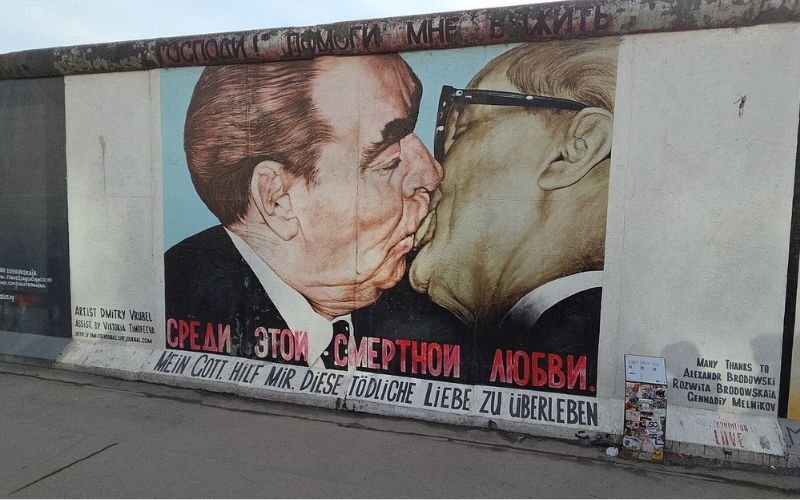
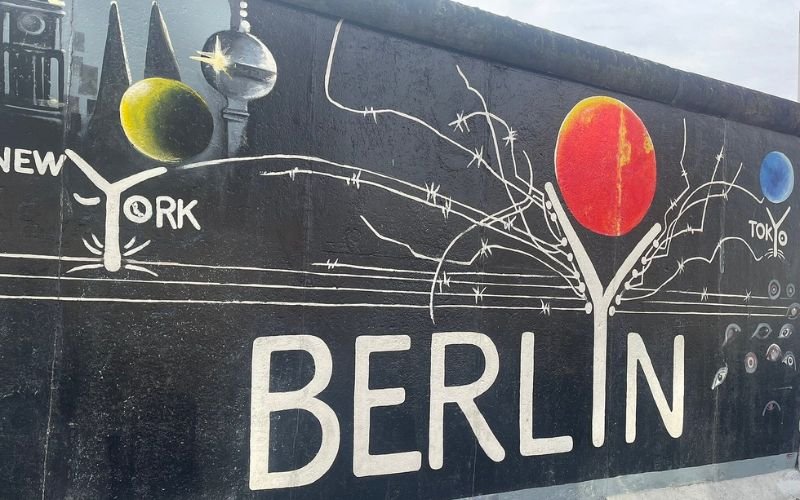
The East Side Gallery is the longest remaining stretch of the Berlin Wall, transformed into a 1.3 km open‑air art gallery. Murals range from political to playful, and the entire walk feels like stepping through layers of memory and creativity.
We recommend going early in the morning or late afternoon to avoid the crowds. We went fairly early in the morning and when we came past again at 10am the crowds were well and truly forming.
Location
Mühlenstraße, this is the longest remaining stretch of the Berlin Wall, now an open‑air gallery with murals along the Spree River.
Closest Public Transport
S‑Bahn: Ostbahnhof (S3, S5, S7, S9) — 8–10 minutes on foot
U‑Bahn: Warschauer Straße (U1, U3) — 10 minutes on foot
S‑Bahn: Warschauer Straße (S3, S5, S7, S9) — 10 minutes on foot
Tram: M10 (stop: Warschauer Straße) — connects easily to the gallery
Bus: 300 (stop: East Side Gallery) — stops directly along the wall
Memorial to the Murdered Jews of Europe
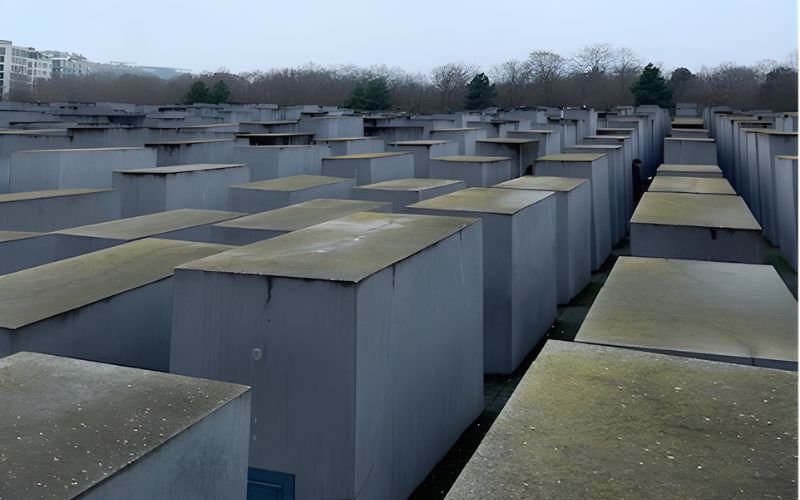
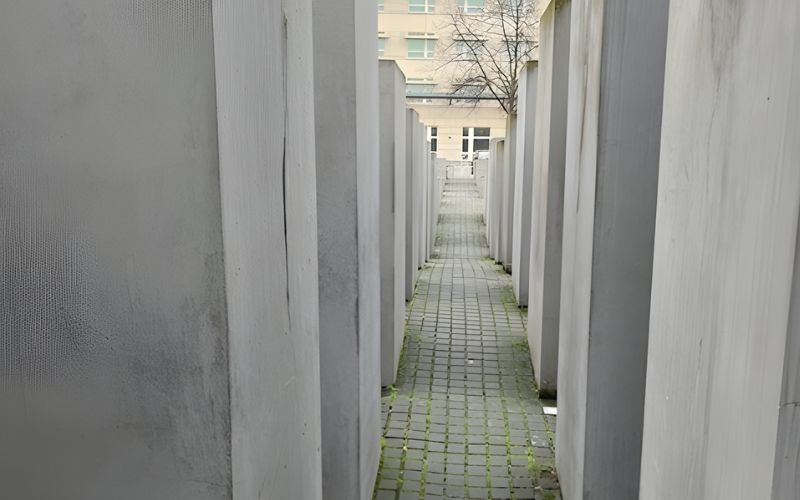
We first stopped to look at the memorial from the outside, but walking into it is where the real impact hits. The 2,710 concrete pillars rise unevenly around you, growing taller as you move deeper, creating a sense of disorientation and heaviness. It’s impossible not to feel the echo of the Holocaust’s immense loss in that stark, shifting space.
The simplicity of the design is exactly what makes it so powerful. Beneath the memorial, the underground information centre is also free to visit and adds important context.
A haunting, thoughtful experience we’d recommend to anyone visiting Berlin.
Location
Cora‑Berliner‑Straße 1, just south of the Brandenburg Gate. It’s centrally positioned and extremely easy to reach by public transport.
Closest Public Transport
S‑Bahn: Brandenburger Tor (S1, S2, S25, S26) — 3–4 minutes on foot
U‑Bahn: Brandenburger Tor (U5) — 3–4 minutes on foot
Bus: 100 & 300 (stop: Brandenburger Tor) — 3–5 minutes on foot
Bus: M85 (stop: Ebertstraße) — right beside the memorial
Berlin Wall Memorial (Bernauer Straße)
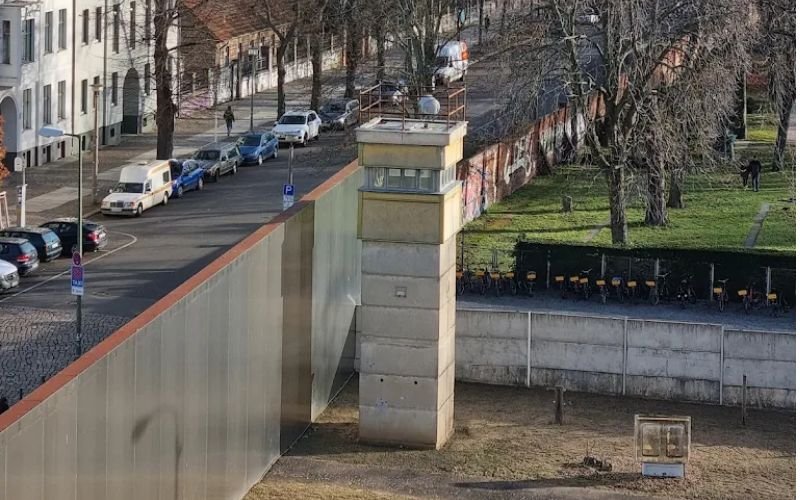
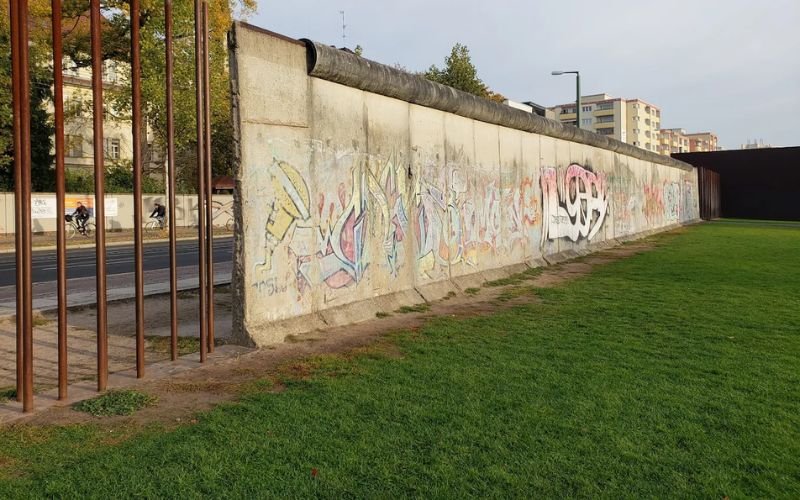
Seeing the remaining sections of the Berlin Wall is striking on its own, but what really hit us were the brick lines running through the streets, marking exactly where the barrier once stood. It’s hard to wrap your head around how completely the city was divided.
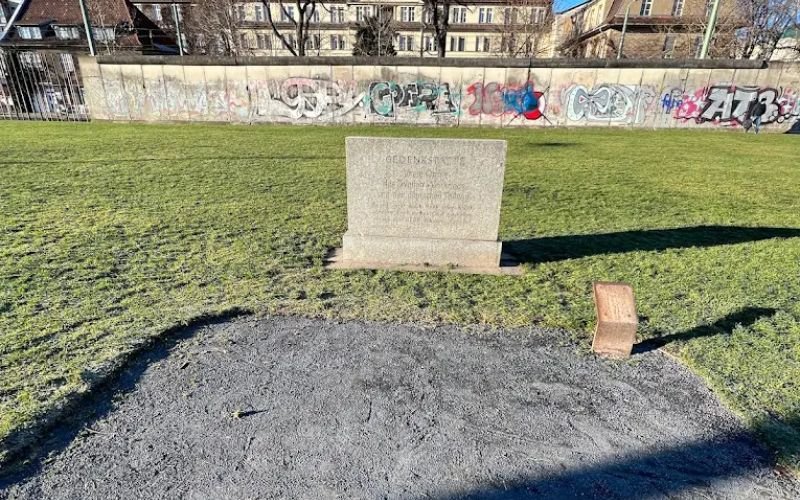
This memorial feels far more immersive than the East Side Gallery. Alongside preserved stretches of the wall, you’ll find the outline of a former watchtower, an open‑air exhibition, and detailed information panels explaining how buildings were sealed, a cemetery was removed, and even a church was torn down. A small chapel now stands where that church once was.
Walking through the site is powerful — a place that makes you pause, reflect on the reality of the division, and appreciate how far Berlin and Germany have come since reunification. The museum area is free and well worth the time if you want deeper context.
Location
Bernauer Straße, the former border strip between East and West Berlin.
Closest Public Transport
U‑Bahn: Bernauer Straße (U8) — 1 minute on foot
Tram: M10 (stop: Gedenkstätte Berliner Mauer) — stops directly at the memorial
S‑Bahn: Nordbahnhof (S1, S2, S25, S26) — 8 minutes on foot
Bebelplatz
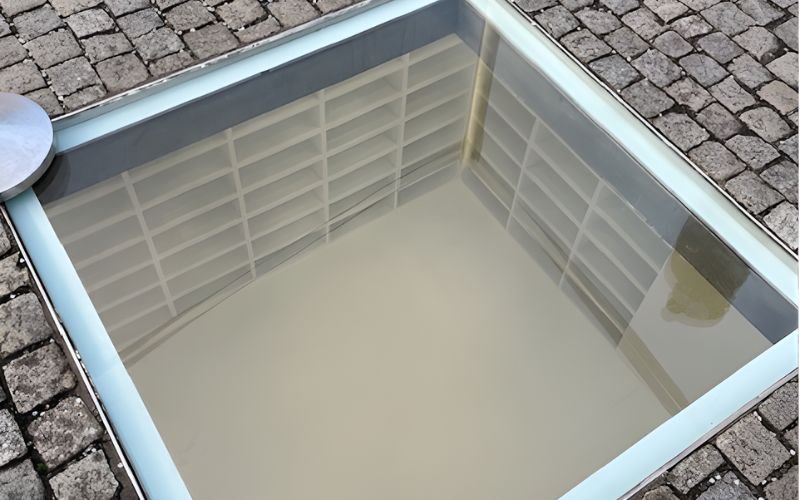
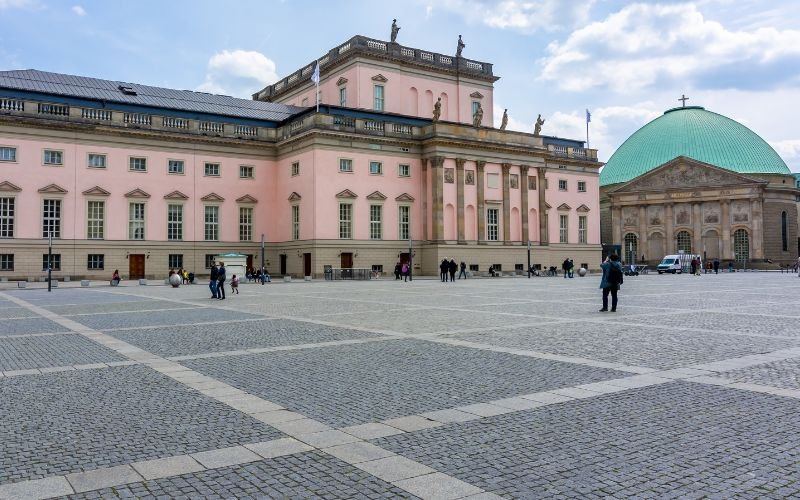
Bebelplatz is a beautiful square, but knowing what happened here gives it a very different atmosphere. This is the site of the infamous book burnings of May 10, 1933, when thousands of works by writers like Brecht, Einstein, Freud, and Marx were thrown into the flames as part of the Nazi campaign against “undesirable” ideas.
What moved us most was the memorial hidden beneath the ground — a small room of empty white shelves, visible through a glass panel in the pavement. Created by Israeli artist Micha Ullman, it’s a quiet but powerful reminder of the culture and knowledge that were erased. Nearby, you’ll also find Heinrich Heine’s chilling line: “Where books are burned, people will also end up being burned.
Location
Between Unter den Linden and Behrenstraße
Closest Public Transport
U‑Bahn: Unter den Linden (U5, U6) — 2–3 minutes on foot
U‑Bahn: Französische Straße (U6) — 4 minutes on foot
Bus: 100 & 300 (stop: Staatsoper) — right beside the square
S‑Bahn: Friedrichstraße (S1, S2, S3, S5, S7, S9) — 10 minutes on foot
Exploring Berlin’s memorials and historic sites gives you a clear picture of how the city has changed and what it has overcome. Many of these places are free to visit, easy to access, and offer a straightforward way to understand Berlin’s past and how it still influences the city today. Hopefully this guide helps you plan your visit and learn more about the events that shaped Berlin.