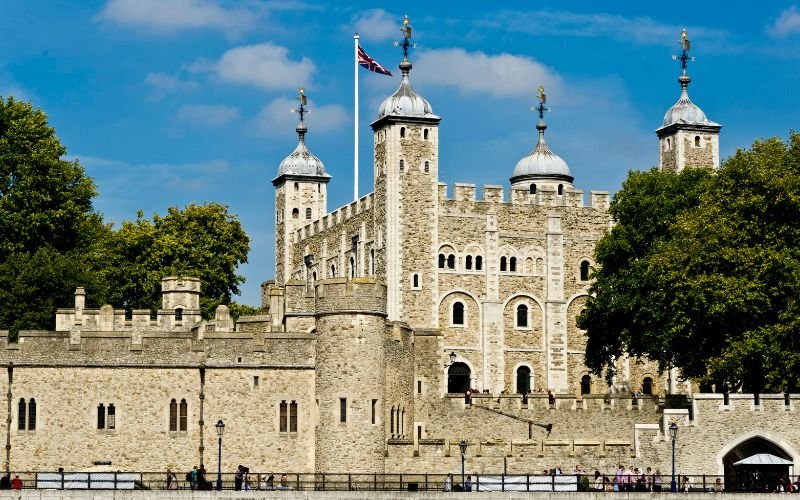
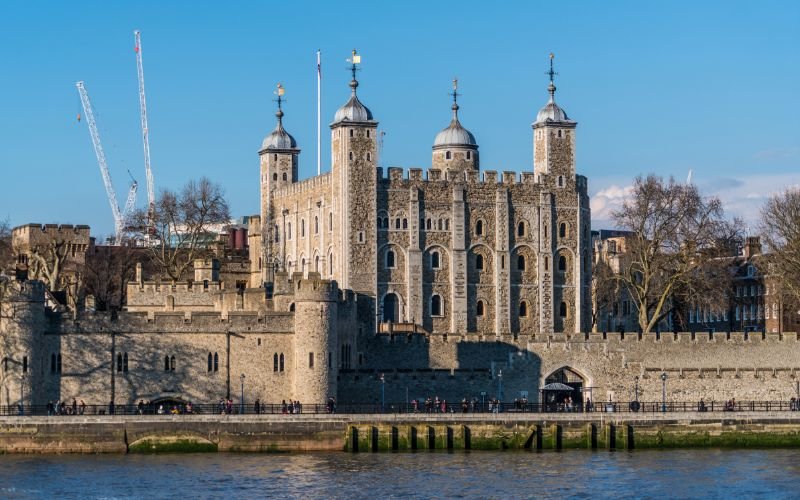
As soon as we started planning our London trip, we both agreed that the Tower of London was a must‑see — and we’re so glad we hopped on the Tube, strolled along the Thames, and spent a beautiful morning exploring it. Few places in the city spark the imagination quite like the Tower. Nearly a thousand years of royal intrigue, political drama, legends, and military history are packed within its stone walls, making it one of London’s most rewarding experiences.
This guide covers how to visit, what to see, and ticket options.
This post may contain affiliate links. If you make a purchase, we may earn a small commission at no extra cost to you. Our goal is to provide valuable and helpful content, and any commissions help us to mantain this site.
Contents
ToggleGet your London Essentials!
- Find cheap flights to London
- Find hotels or hostels in London
- Find activites and tours for London
- Compare hire car prices and train tickets
- Get an eSIM for London. Use our code ‘TBTravellers to receive 5% OFF any eSIM!
Tower of London Ticket Prices
The Tower is extremely popular, and buying tickets online in advance is essential, as getting tickets on the day is rarely possible.
Current 2026 Prices:
Members: Free
Adults: £37.00
Children (0–4): Free
Children (5–15): £18.50
Seniors/Students/Disabled: £29.50
Visitors on Universal Credit/Named Benefits: £1
Your ticket includes access to all major areas: Crown Jewels, White Tower, Battlements, Medieval Palace, Yeoman Warder tours, and more.
Opening Hours and Best Time to Visit
Tuesday–Saturday: 9:00–17:30
Sunday & Monday: 10:00–17:30
If you want a quieter experience, aim for the 9am slot on a Tuesday, Wednesday, or Thursday.
This early start gives you a precious 45‑minute window to:
Walk straight to Tower Green
Visit the Crown Jewels before queues form
Begin the Battlements walk
Save the White Tower for later, when crowds spread out
How Long Do You Need?
There is so much to see.
Minimum: 2.5 hours
Ideal: 4 hours
History lovers: Up to 6 hours
To do a visit justice will take at least 2.5 hours… we recommend allowing 4 hours to be safe.
How to Get There
The Tower is centrally located on the River Thames.
Walk if you’re within 30 minutes — the riverside stroll is beautiful and a perfect start to the morning.
Tube: Tower Hill (District & Circle lines)
Bus or River Boat: Both stop nearby
What to See at the Tower of London
Below is a complete walkthrough of the Tower’s highlights.
1. Tower Green & Execution Site
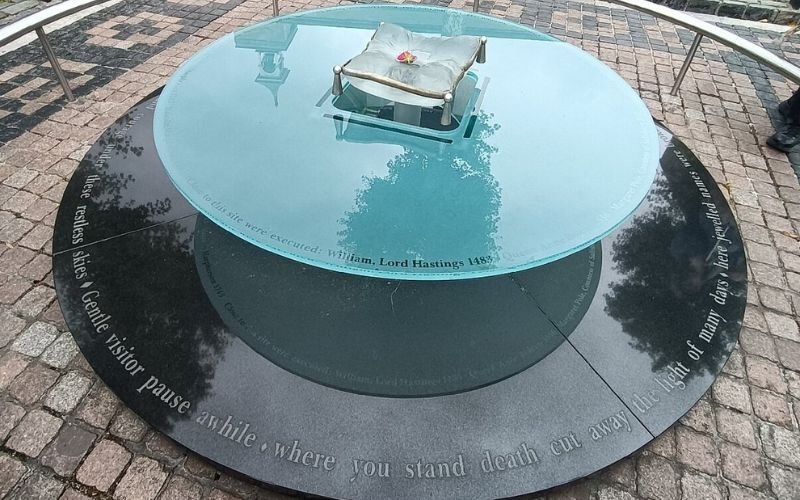
Tower Green sits at the centre of the inner ward, right beside the towering White Tower. The green is surrounded by historic residences that are still home to the Yeoman Warders and their families. It’s also the site where ten people were executed, and a memorial now marks the place where they died.
Among those who met their fate here were three queens of England. The most famous was Anne Boleyn, Henry VIII’s second wife, who was condemned after being accused of adultery, including with her own brother. Catherine Howard, Henry’s fifth wife, was also executed on the Green after facing similar charges. The third was Lady Jane Grey, only sixteen years old, who briefly ruled for nine days before becoming an unwitting victim of her father‑in‑law’s failed attempt to control the throne.
2. The Crown Jewels
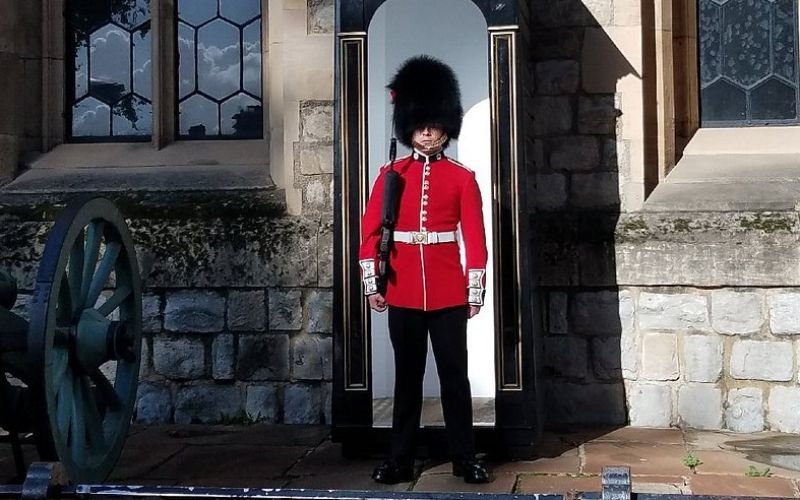
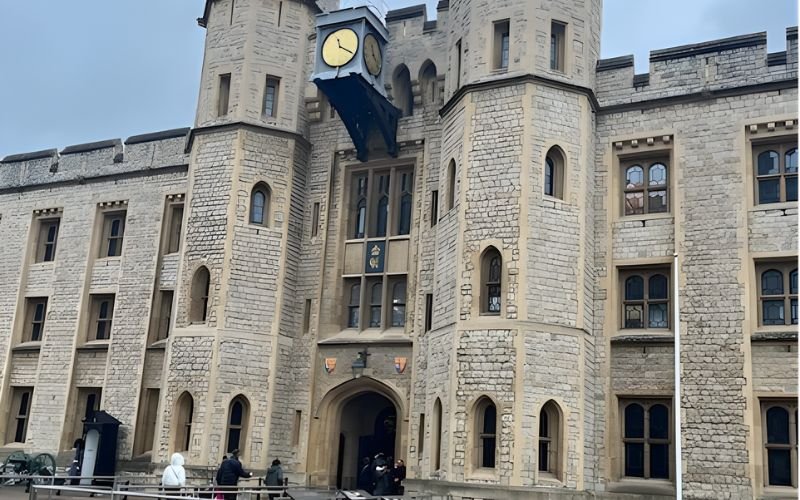
The site may appear to be protected by the Royal Household Guards, but the real defense is the fortress‑like modern walls surrounding it. Stepping inside feels a bit like entering an enormous high‑security vault.
Photography isn’t permitted once you reach the Crown Jewels, so you’ll have to rely on memory rather than your camera.
Inside, dramatic lighting highlights every sparkle and detail of the collection. A slow-moving walkway carries visitors past the most iconic pieces — close enough to admire them, but only for a brief moment. If you want a second look, you can simply loop around and ride it again.
The collection includes more than 23,000 gemstones, the sacred Coronation Regalia, and an array of priceless royal artifacts. Everything you see is authentic, with no replicas on display.
Go first thing at 9am to avoid long queues.
3. Yeoman Warders (Beefeater Tour)
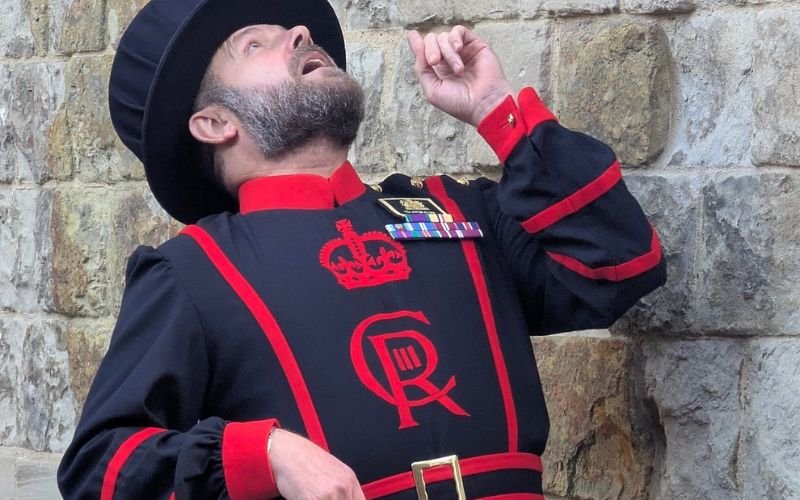
The famous Yeoman Warders have been watching over the Tower since the days of the Tudors.
Their guided walks are completely free, and you don’t need to book anything — just show up. A new tour sets off roughly every 45 minutes from the Bell Tower.
While the tours don’t take you inside the buildings, they offer a lively introduction to the Tower’s past. The Warders lead the way in full uniform, and they’re known for being entertaining storytellers.
Becoming a Warder isn’t easy. Applicants must have more than two decades of military service, have reached a qualifying rank, and earned the long service and good conduct medal.
Each night, they also carry out the Ceremony of the Keys — a tradition that has continued for more than seven centuries.
4. The Battlements
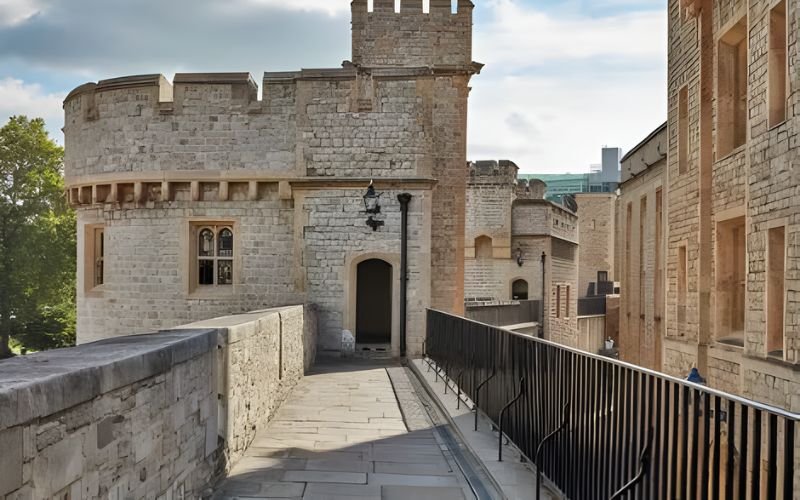
Walking along the inner curtain walls lets you follow the same route medieval guards once patrolled. From the battlements, you get wide, open views of the Thames and the modern skyline, making it one of the most atmospheric areas of the Tower.
On a clear morning, the sight of Tower Bridge, The Shard, and the river from these centuries‑old walls is especially striking.
5. The Ravens
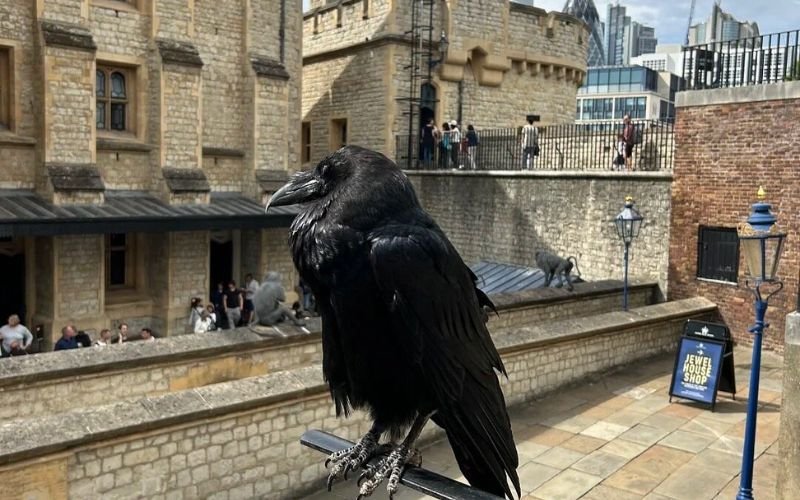
Legend says the kingdom will fall if the ravens ever leave.
You can meet the current residents: Jubilee, Harris, Poppy, Georgie, Edgar, and Branwen. They roam freely — and can bite — so admire from a respectful distance!
6. The Fusilier Museum
As you exit the Crown Jewels exhibit, you’ll notice a large building immediately to your left. This museum tells the story of the Royal Regiment of Fusiliers, founded in 1685. Exhibits include battle histories, medals, and regimental artefacts.
7. The White Tower
The White Tower is the Tower of London’s great Norman stronghold and one of the must‑see parts of the entire site.
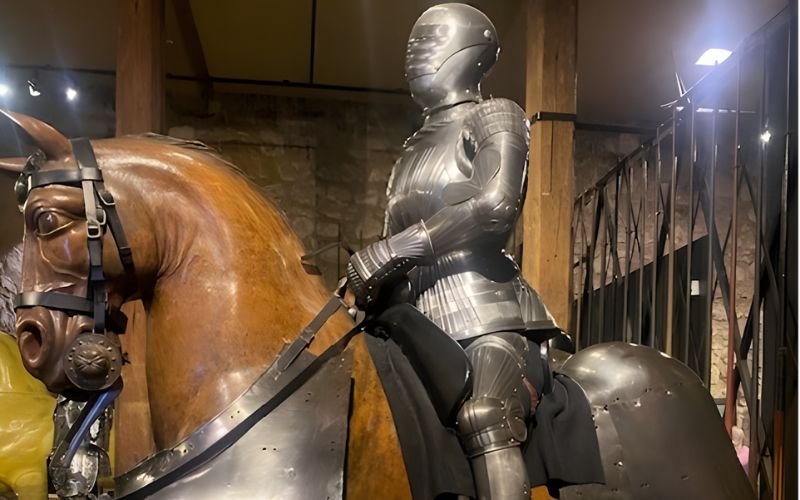
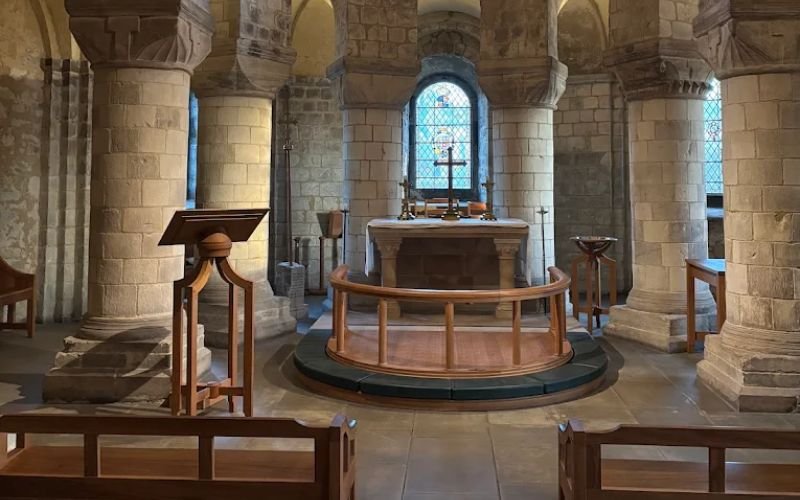
Inside, you’ll find several major displays: the Line of Kings — an impressive presentation of royal armour, the historic Armoury, and the Chapel of St John the Evangelist, which is considered the finest surviving example of early Anglo‑Norman royal church architecture. Built in 1078 by William the Conqueror, the White Tower is the oldest and most recognizable structure in the entire complex.
Its thick stone walls, soaring turrets, and narrow stairways were designed to withstand attacks and keep the fortress secure.
The armour collection is a standout feature. The Line of Kings gets its name from a 17th‑century tradition of arranging suits of armour in a long row, each mounted on elaborately carved wooden horses. While the layout has changed over time, the modern exhibit is still dramatic, and the horse‑mounted armour remains a crowd favourite.
You’ll also find an extensive display of cannons and the beautifully preserved Chapel of St John within the tower.
8. Medieval Palace & Traitor’s Gate
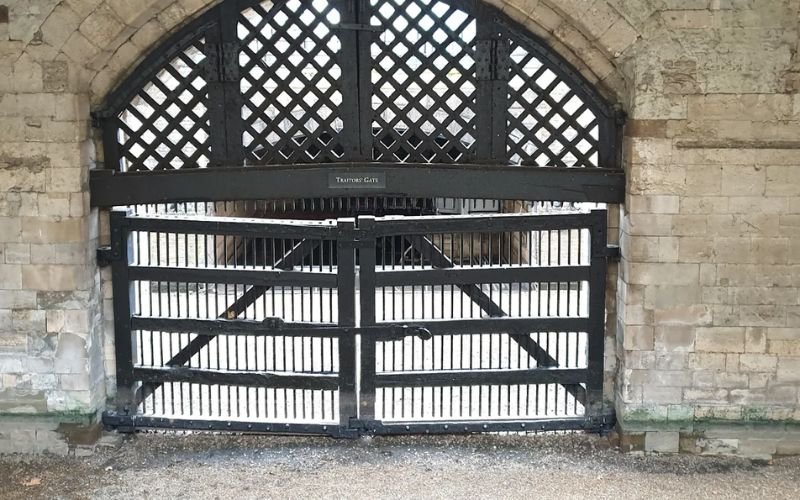
At the base of the old water gate, you can still spot the metal ring where boats were once tied. In the early 1200s, the king ordered the land to be pushed outward, and workers drove massive supports into the river to create a new water entrance — what we now know as Traitors’ Gate. The engineering involved, especially for the time period, is genuinely astonishing.
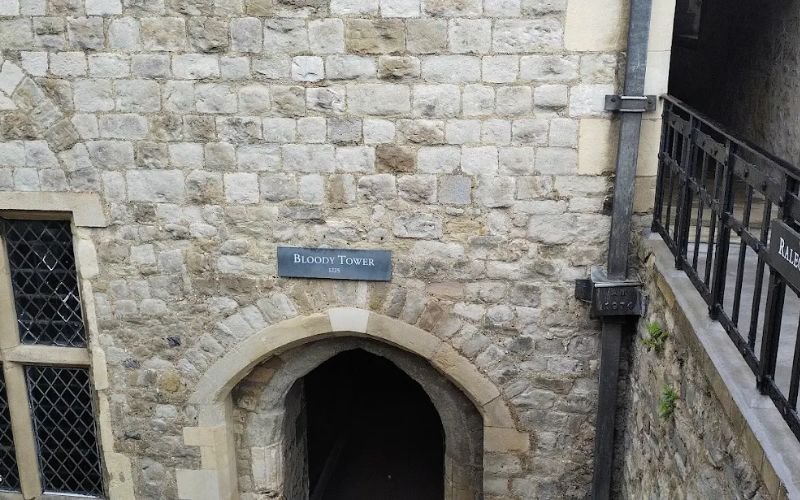
From then on, this gateway became the Tower’s most infamous point of arrival, where prisoners were brought in directly from the Thames. The river originally reached right up to the inner wall, which you can now see marked at the entrance to the Bloody Tower.
9. Torture, Imprisonment & the Bloody Tower
Inside the Bloody Tower, you’ll encounter the story of the two young princes who were brought here after the death of their father, King Edward IV. The older boy was next in line for the throne, but both mysteriously vanished. With them gone, their uncle Richard III took the crown. What truly happened to the boys remains one of history’s great mysteries — though some like to joke that Richard was surely blameless.
The tower also offers a glimpse into the life of Sir Walter Raleigh, who was imprisoned here in 1603. Although he was initially meant to be executed, he was instead kept in the Tower for 13 years. During that time, he lived with his wife, tended a garden, carried out experiments, and even wrote a book.
Across several towers, you’ll find displays on:
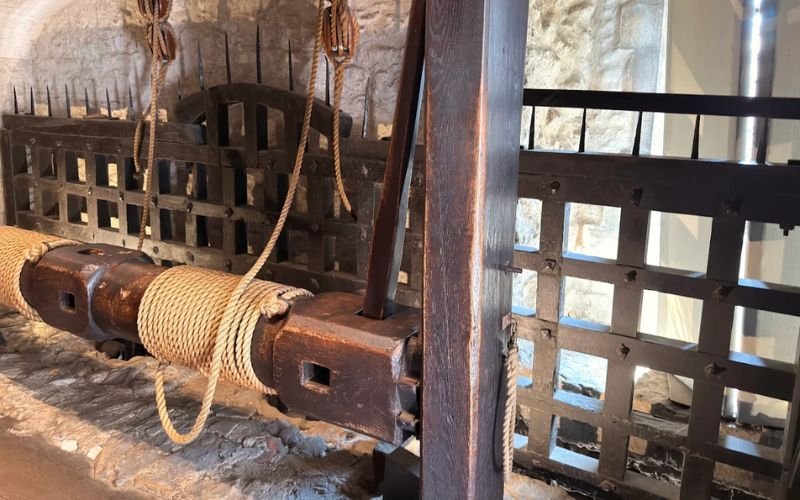
Historical torture methods
Spies from World War I and II who were executed here, including Carl Müller, who was caught carrying a lemon used for invisible ink
A reconstruction of Sir Walter Raleigh’s study
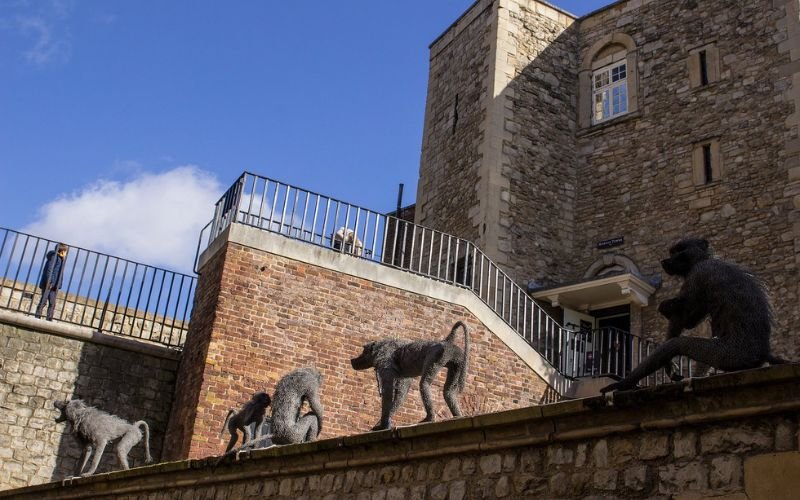
The Royal Beasts, the exotic animals once kept at the Tower — from lions and ostriches to tigers and even a polar bear that was allowed to fish in the Thames
10. The Tower’s Mint
From 1279 to 1810, most of England’s coins were made here. Tampering with coins was treason — punishable by hanging, drawing and quartering, or burning at the stake.
We hope you’ve enjoyed our guide to visiting the Tower of London and feel inspired to explore even more of the city. If you’re travelling on a budget, don’t miss our blog on free things to do in London and our guide to London’s Best Cheap Eats.