Visiting the Sant Pau Art Nouveau site in Barcelona offers a comprehensive look at one of the city’s most important historical and architectural landmarks.
Once a fully functioning hospital, the complex is now a restored cultural space where visitors can walk through former medical pavilions, explore underground tunnels, and learn how early 20th‑century design shaped modern healthcare. With its quiet gardens, detailed exhibits, and impressive Modernista architecture, Sant Pau provides a calm and informative alternative to Barcelona’s busier attractions.
This guide explains what to see at the Sant Pau Art Nouveau Site, how to get there, and what to expect during your visit.
This post may contain affiliate links. If you make a purchase, we may earn a small commission at no extra cost to you. Our goal is to provide valuable and helpful content, and any commissions help us to mantain this site.
Contents
ToggleGet your Barcelona Essentials!
- Find cheap flights to Barcelona
- Find hotels or hostels in Barcelona
- Find activites and tours for Barcelona
- Compare hire car prices and train tickets
- Get an eSIM for Barcelona. Use our code ‘TBTravellers to receive 5% OFF any eSIM!
Historical Significane of Sant Pau
The origins of Sant Pau trace back to 1401, when six medieval hospitals were combined to create the original Hospital de la Santa Creu. By the end of the 19th century, Barcelona’s rapid growth made a new, modern medical facility essential, prompting the development of the Sant Pau complex.
Funded by banker Pau Gil, the project was designed to reflect the most advanced medical, hygienic, and architectural principles of its time. The new Modernista hospital opened in 1930 and served the city for more than 80 years.
In recognition of its architectural and cultural importance, the site was declared a UNESCO World Heritage Site in 1997.
What Makes the Architecture at Sant Pau so Special
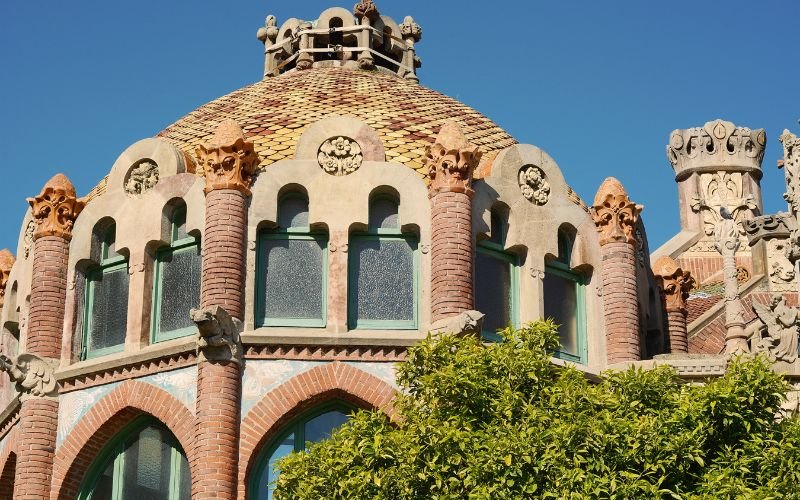
Sant Pau is recognised as the largest Modernista complex in the world, and its scale and detail set it apart from other architectural sites in Barcelona.
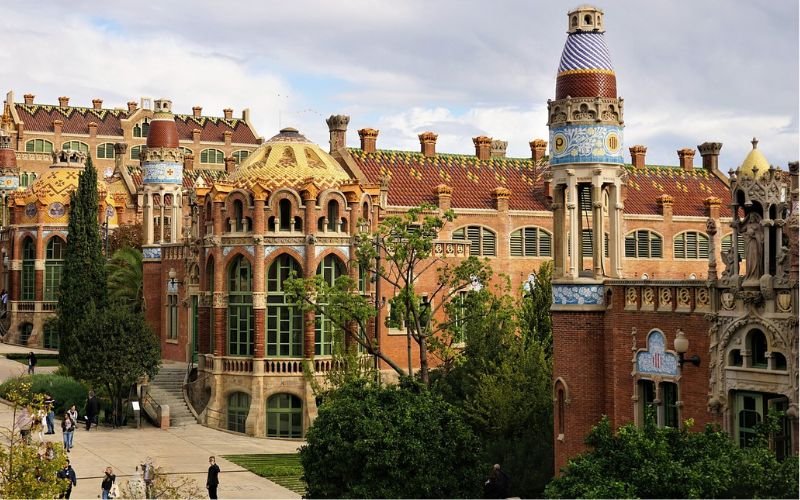
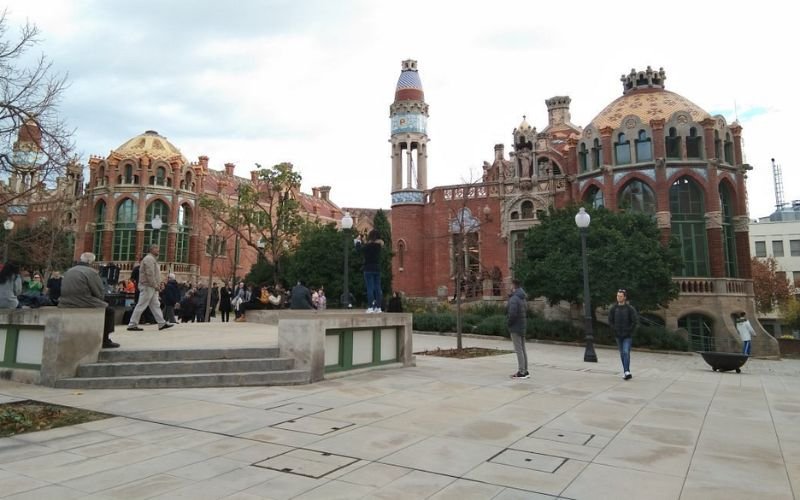
The complex is made up of 12 richly decorated pavilions, each featuring ceramic domes, colorful mosaics, sculptural elements, and stained‑glass windows. All buildings are arranged along a central axis and connected by underground tunnels, an innovative design that improved hygiene and patient movement when the hospital was built.
The pavilions were intentionally oriented east to west to maximize natural light, reflecting early 20th‑century ideas about sunlight as a key part of healing. Surrounding the buildings are carefully planned gardens, designed to create a calming environment for patients — a revolutionary concept at the time.
Everywhere you look, the craftsmanship stands out: vibrant tiles, floral motifs, and symbolic details appear across façades, interiors, and even the smallest decorative elements.
Location & How to Get There
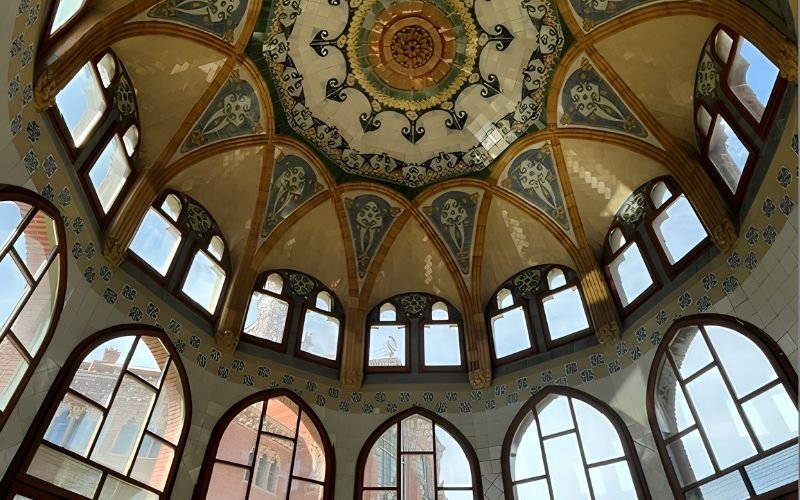
The Sant Pau Art Nouveau Site is located in the Eixample district of Barcelona, just a 10–12 minute walk from the Sagrada Família. Its main entrance sits on Carrer de Sant Antoni Maria Claret, directly facing the tree‑lined Avinguda Gaudí, a pedestrian avenue that visually connects the two landmarks.
Getting there is simple thanks to excellent public transport links:
Metro: The closest stop is Sant Pau | Dos de Maig (L5), just a 3–5 minute walk from the entrance.
From Sagrada Família: Walk straight up Avinguda Gaudí for a pleasant, scenic route.
Bus: Several lines stop nearby, including H8, 19, 47, 117, and 192.
On foot: From Passeig de Gràcia or the Gothic Quarter, expect a 25–35 minute walk through Eixample’s grid streets.
Admission Costs
General Admission Prices
Self‑Guided Visit — €18 (before 2 PM) / €17 (after 2 PM)
Guided Tour — €21
Children ages 3–11: €5
Audio Guide — €4
Reduced Rates
Available for: BCN residents, ages 12–24, visitors over 65, people with disabilities under 65%, those with dependency level 1 or 2, large or single‑parent family card holders, and Tarta Rosa Reduïda card holders.
Self‑Guided Visit — €12.60 (before 2 PM) / €11.90 (after 2 PM)
Guided Tour — €14.70
Free Admission
(Free tickets must be collected at the box office.)
Eligible visitors include:
Unemployed individuals (free visit only)
Children under 12 (with an adult)
Free Pink Card holders
Visitors with disabilities of 65%+ or dependency level 3, plus one companion
ICOMOS members
Visitors over 65 on the first Sunday of each month
Discounts
20% Off
BCN Card
City Tours
Library Card
Club TR3SC
Òmnium Cultural members
COAC members
50% Off
Ruta del Modernisme
Carnet Jove
Members of the Official College of Doctors of Barcelona
Members of the Official College of Nurses of Barcelona
What You Can See & Do at Sant Pau Art Nouveau Site
The Sant Pau complex is huge — nine restored pavilions, underground tunnels, gardens, exhibitions, and architectural details everywhere you look.
Below is a structured breakdown of the main things to see and do.
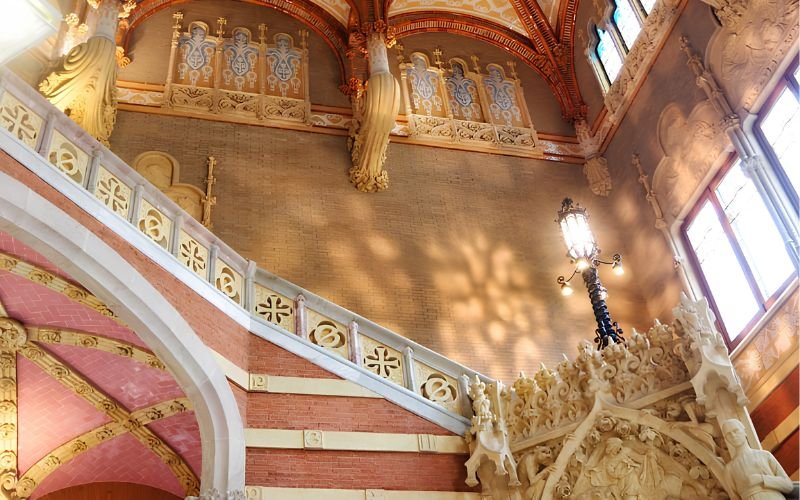
1. Explore the Administration Pavilion (The Crown Jewel)
This is the most spectacular building in the complex — a masterpiece of Modernisme.
What you’ll see:
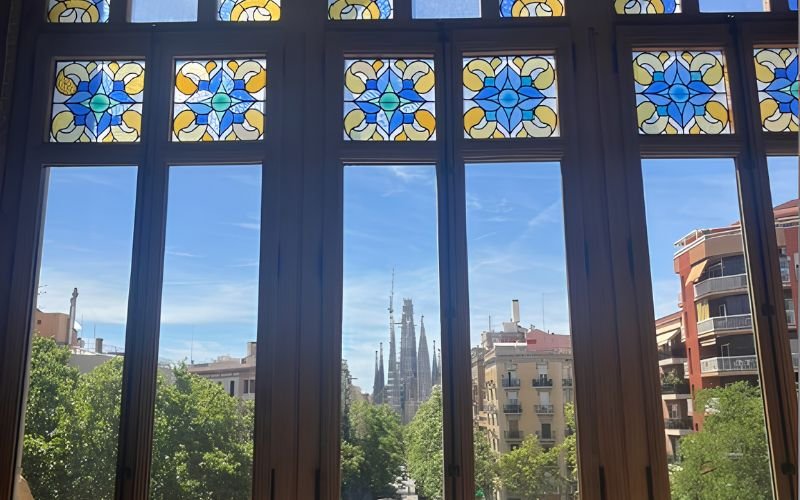
Grand entrance hall with marble columns and stained-glass skylights
Ornate staircases leading to upper galleries
Mosaic-covered walls depicting nature, healing, and Catalan symbolism
Domènech i Montaner’s office and architectural plans
Panoramic views of the gardens and pavilions from the balcony
2. Walk Through the Restored Medical Pavilions
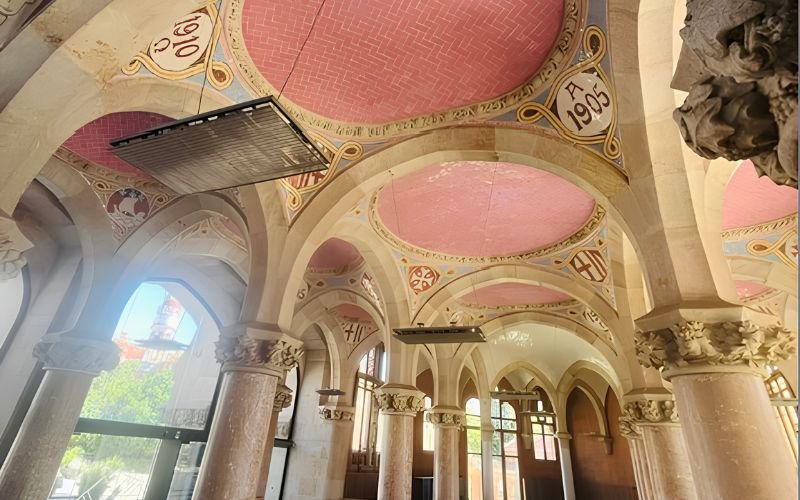
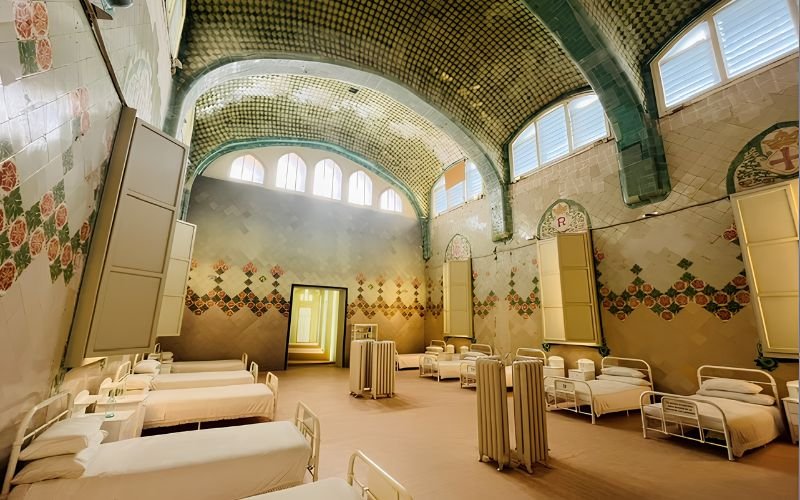
Each pavilion was once dedicated to a specific medical specialty. Today, they are beautifully restored and open to visitors.
Highlights include:
Pavilion of Sant Rafael — preserved as it looked in the early 20th century
Pavilion of Sant Jordi — often used for exhibitions
Pavilion of Sant Leopold — displays on medical history
Pavilion of the Administration — architectural exhibits
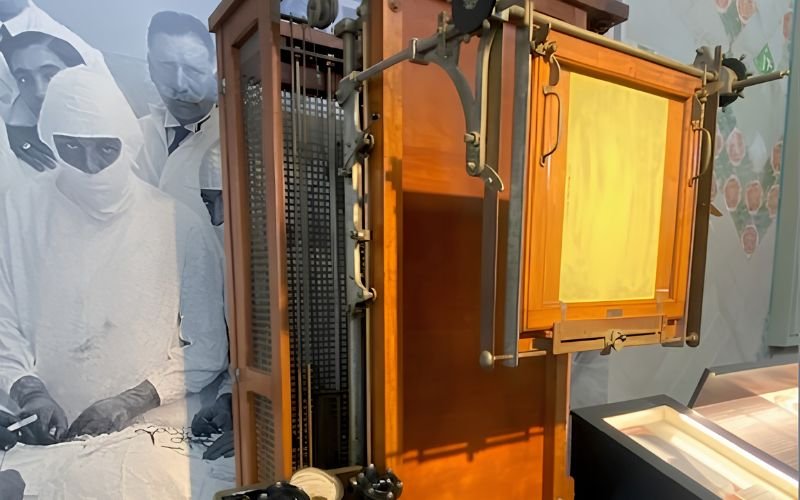
Inside, you’ll find:
Original hospital beds
Medical instruments
Historical photographs
Explanations of early hygiene and patient care
It’s a fascinating look at how advanced this hospital was for its time.
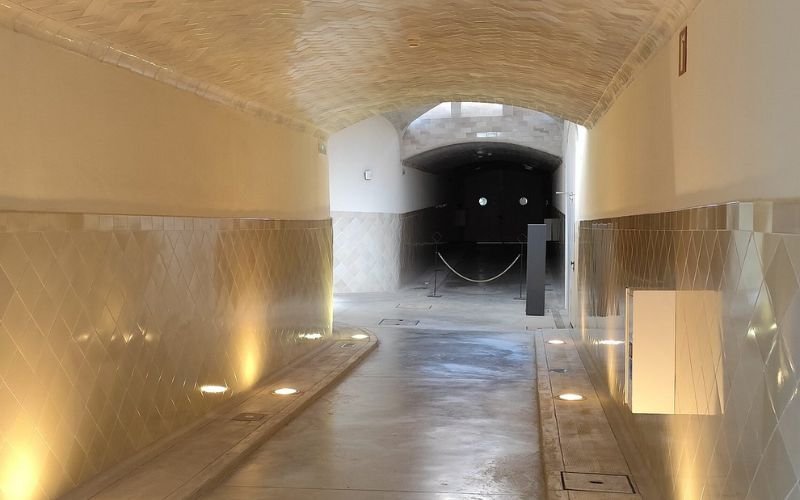
3. Explore the Underground Tunnels
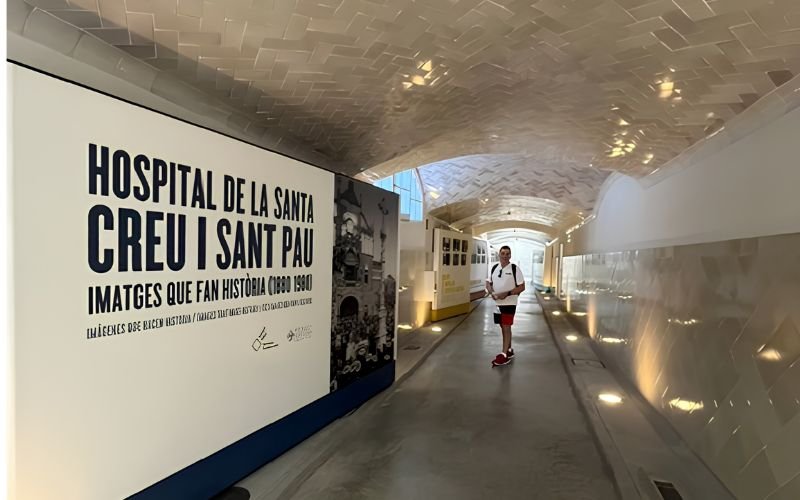
One of the most unique features of Sant Pau is its network of underground passageways connecting the pavilions.
Why they’re special:
Designed to move patients discreetly and hygienically
Allowed staff to travel between buildings without exposure to weather
Feature original tiles, arches, and ventilation systems
Walking through them feels like stepping into a hidden world beneath the gardens.
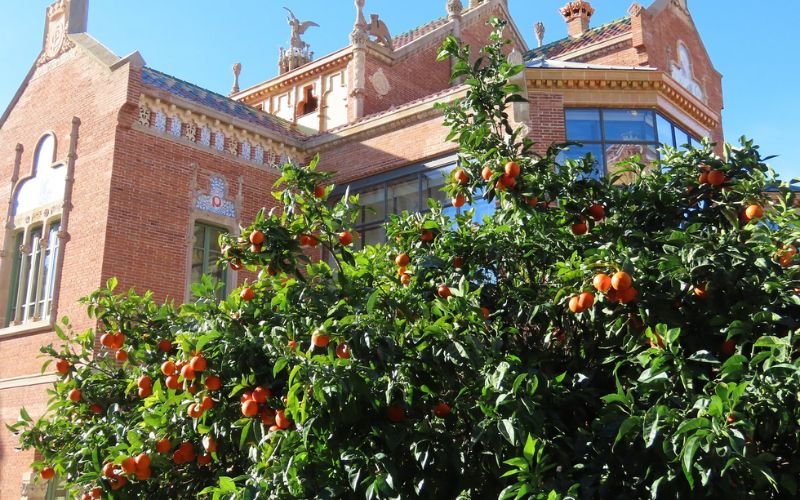
4. Wander the Gardens and Courtyards
The gardens were intentionally designed as part of the healing process.
What you can do:
Sit under orange trees
Photograph the domes and mosaics framed by greenery
Enjoy the quiet atmosphere (rare in Barcelona)
Watch the interplay of light on the colorful tiles
The gardens make Sant Pau feel like a peaceful oasis.
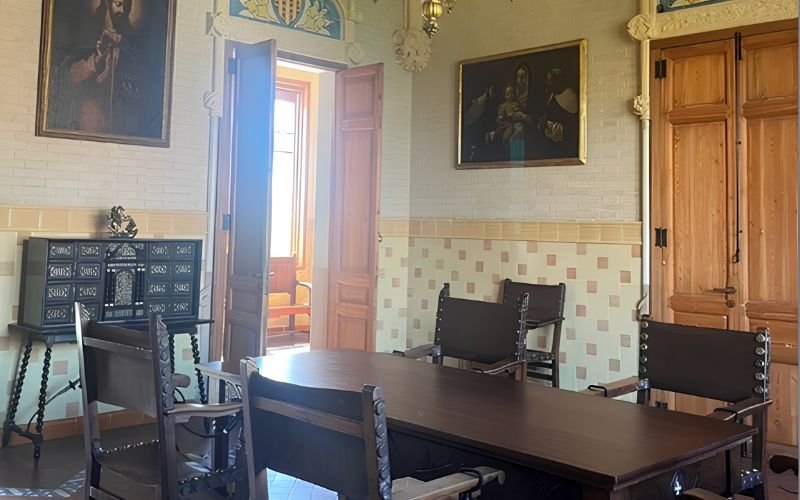
5. Learn About Medical History
Several pavilions contain museum-style displays explaining:
The evolution of medical care in Barcelona
How the hospital functioned in the early 1900s
Innovations in hygiene, ventilation, and patient treatment
The role of Pau Gil, the philanthropist who funded the project
It’s one of the best places in Barcelona to understand the intersection of science and architecture.
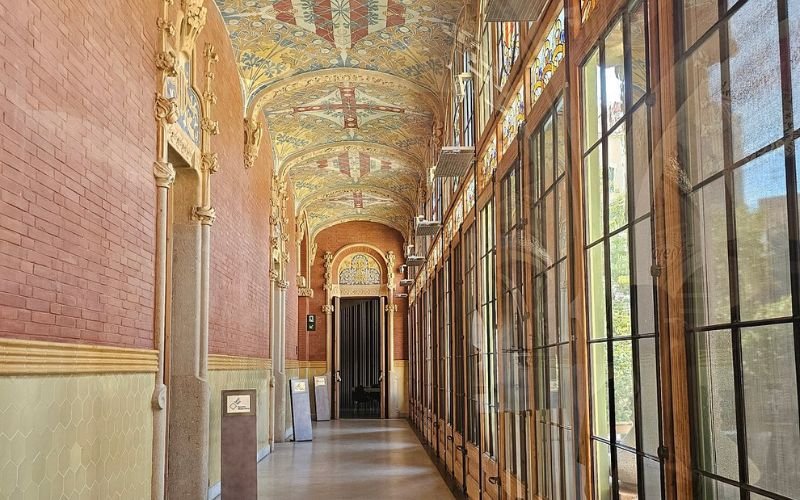
7. Take Stunning Photos
Sant Pau is one of the most photogenic sites in Barcelona.
Best photo spots:
The central axis facing the Administration Pavilion
The domes of the pavilions from the gardens
The stained-glass skylights inside the main building
The underground tunnels
The mosaic details on the façades
It’s a dream location for architecture and travel photography.
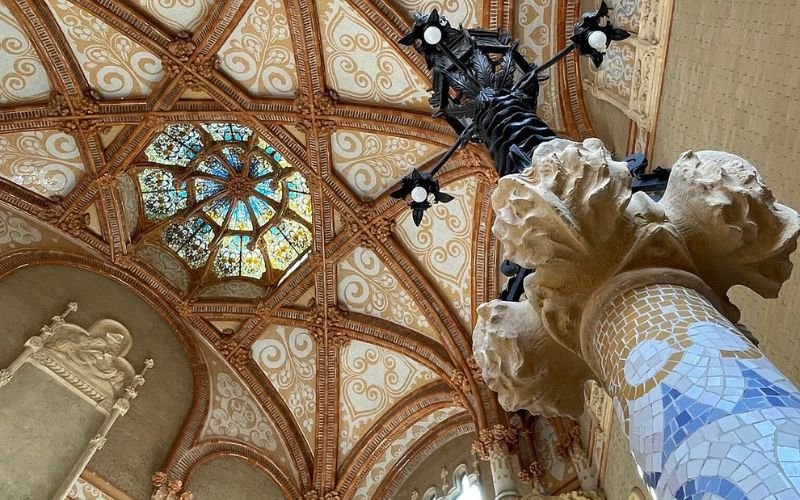
Visiting the Sant Pau Art Nouveau site offers a deeper look at Barcelona beyond its headline attractions, combining architecture, history, and calm open spaces in one impressive complex.
Whether you’re interested in Modernista design, medical heritage, or simply exploring somewhere quieter and less crowded, Sant Pau is a rewarding stop that adds real depth to any Barcelona itinerary.