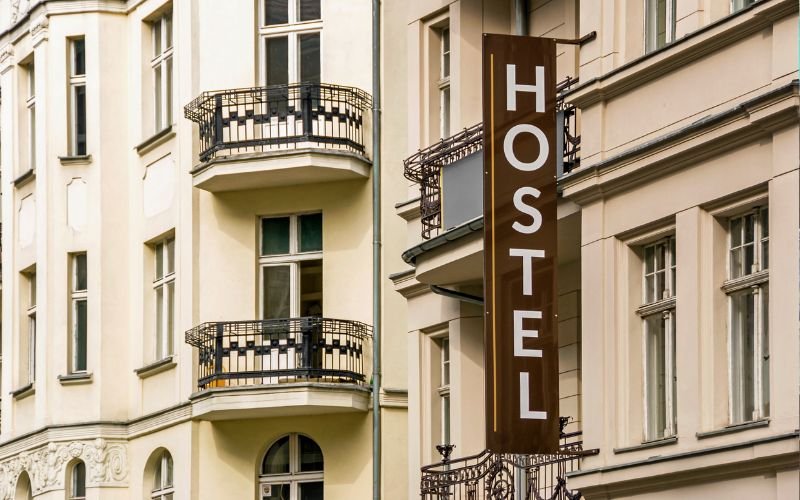
If you’ve never stayed in a hostel before, it’s easy to picture all the old stereotypes — creaky bunks, loud roommates, and bathrooms you’d rather pretend don’t exist. And honestly, back in the 90s, hostels did earn a bit of a rough reputation, so we totally expected the worst before our first stay.
But once we finally gave it a try, we realised modern hostels are a completely different world. They’re relaxed, social, comfortable spaces where travellers swap stories, share tips, talk about their journeys, make friends, and stretch their budget without missing out on any of the fun. And if you want to make that experience even smoother, our post ‘Hostel Packing Made Easy: Must‑Have Items for Budget‑Friendly Travel’ breaks down exactly what to bring so you can avoid the rookie mistakes and settle in like a pro.
Whether you’re backpacking solo, travelling with a mate or just curious about trying something new, here’s what it really feels like to walk into a hostel for the very first time.
This post may contain affiliate links. If you make a purchase, we may earn a small commission at no extra cost to you. Our goal is to provide valuable and helpful content, and any commissions help us to mantain this site.
Contents
ToggleDorm Rooms: The Heart of Hostel Life
Dorm rooms are the classic hostel setup and the reason the prices stay so low. They can be anything from a 4‑bed room to a 20‑bed hall, depending on the hostel’s vibe and your budget. We’ve tried both ends of the spectrum — from quiet little 4‑beds to lively 16‑bed dorms — and honestly, each one had its own charm. Some felt like a sleepover, others like a mini community, but all of them added something memorable to the trip. Here’s what you’ll find inside.
Bunk Beds
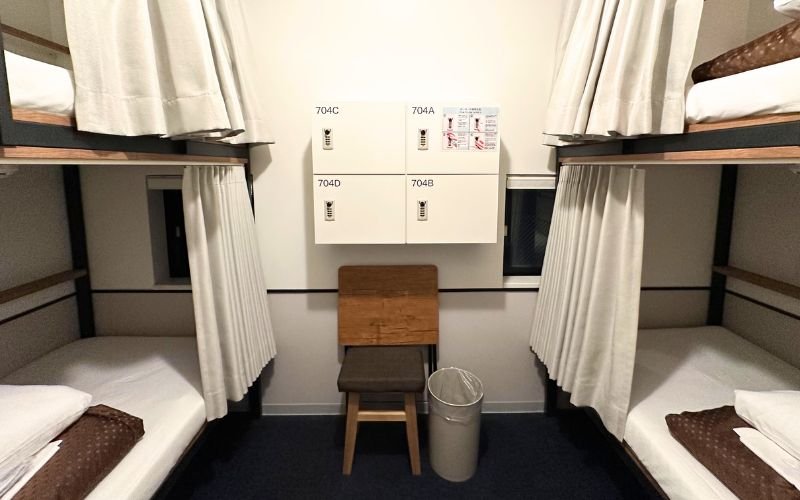
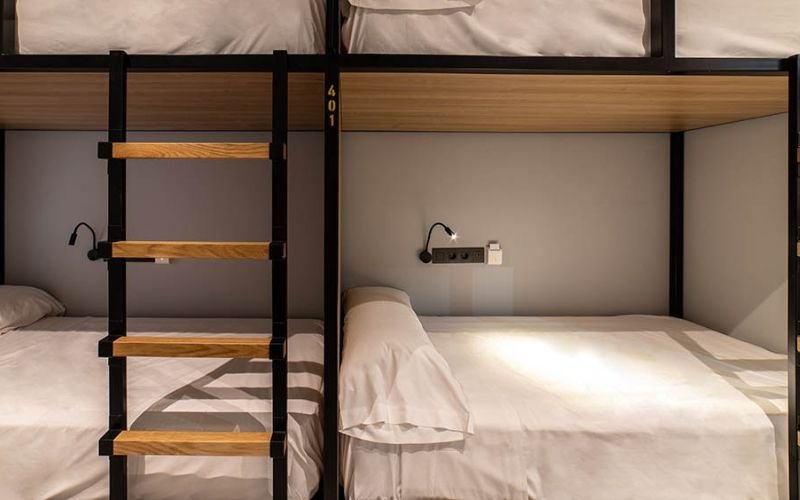
Most hostel dorms are built around sturdy bunk beds, but forget those squeaky metal frames from school camp. The ones we’ve stayed in have been surprisingly solid and way more comfortable than we expected. A lot of hostels even add little touches that make a huge difference, like:
Privacy curtains so you can make a small space that feels just yours
Individual reading lights for late‑night scrolling or book sessions
Small shelves for your phone, water bottle, or whatever you need close by
Your own power outlet so you’re not hunting for a free plug
Your bunk basically becomes your tiny home base. Once you pull that curtain across, it feels like your own private nook in the middle of all the hostel buzz.
Lockers
Every dorm comes with lockers, rarely but sometimes big enough for your whole backpack or suitcase but at the least large enough for any valuables. We’ve found them super handy for keeping our stuff safe while out exploring for the day. A couple of things we’ve learned along the way:
Bring your own padlock — seriously, it’s a hostel essential. They aren’t provided, occasionally hostels will have some to purchase but it’s easiest to bring your own
Some of the more modern places we have stayed in use keycards or built‑in locks, which makes life even easier
We always stash our passport, electronics, and anything we’d rather not leave lying around
It’s such a simple setup, but having a locker gives you that extra bit of peace of mind so you can head out and enjoy your day without worrying about your gear.
Charging Points
Charging setups really vary from hostel to hostel and we’ve learnt that you never really know what your walking into:
Some beds have personal outlets and USB ports, we feel like we win the hostel lottery when we get this set up!
Others have shared charging stations in the room so everyone ends up clustering around the same corner
Some of the older hostels we have stayed in had limited plugs, so a travel adapter or small power bank is handy
No matter the setup though, we’ve always managed to keep our devices alive. It just becomes part of the hostel rhythm.
A Mix of Travellers
One of the best parts of staying in hostels is the people you end up meeting. Dorms are usually a mix of all sorts of travellers — solo backpackers looking to make friends, digital nomads tapping away on their laptops, students on gap years, couples travelling on a budget, and those long‑term wanderers who’ve been on the road so long they’ve got a story for every country.
Everyone brings something different, and honestly, some of the best travel tips we’ve ever gotten came from the person in the bunk next to us.
The vibe is usually super relaxed and respectful. People come and go quietly, especially late at night or early in the morning. And if you’re worried about noise or light, trust me — earplugs and an eye mask quickly become your best friends in hostel life.
Prefer privacy? Most hostels now offer private rooms with shared or ensuite bathrooms. You get the social atmosphere without sharing your sleeping space.
Safety and Security: Better Than You Might Think
Hostels know travellers are trusting them with everything they own, so they actually take security pretty seriously. Every place is a little different, but most of the hostels we’ve stayed in have had things like:
Keycards or door codes to get into the building and dorms
Lockers for your valuables (we always bring our own padlock)
Reception staff around during the day
CCTV in the common areas
A spot to store your luggage if you arrive early or leave late
The biggest thing we’ve learnt is simple: use your locker. Even in the safest, friendliest hostels, we always lock away our passport, electronics, and cash. It just gives you peace of mind.
Most travellers are genuinely respectful — everyone’s living out of a backpack and trying to keep their stuff safe, just like you.
Shared Bathrooms: Simple, Clean and Totally Normal
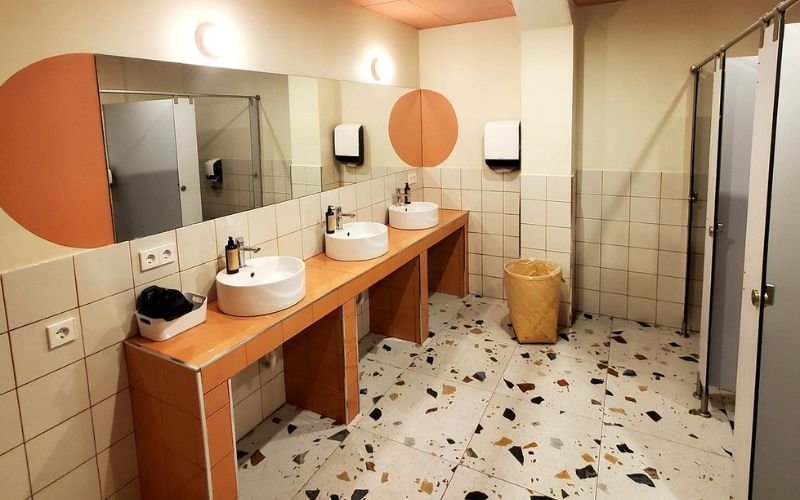
Shared bathrooms which are usually located outside of the bedrooms can sound a bit intimidating at first, but honestly, most of the ones we’ve used have been clean, practical and looked after every day.
You can usually expect things like:
Multiple shower stalls
Shared sinks and big mirrors
Hooks or shelves for your toiletries
And yes — hot water (most of the time!)
A few things we always pack to make life easier:
Thongs for the shower
A quick‑dry towel
A toiletry bag with a hook so you’re not juggling everything
- Plastic bag – ziplock or a dry bag. Hostel bathrooms are pretty small and these are a lifesaver in keeping your things dry
Some hostels even have ensuite dorms, which means your room gets its own bathroom — fewer people, less waiting, and way more convenient. It’s a nice little upgrade when you can get it. However, if your poop shy you might want to stick to external bathrooms!
Communual Kitchens: Your Budget-Saving Superpower
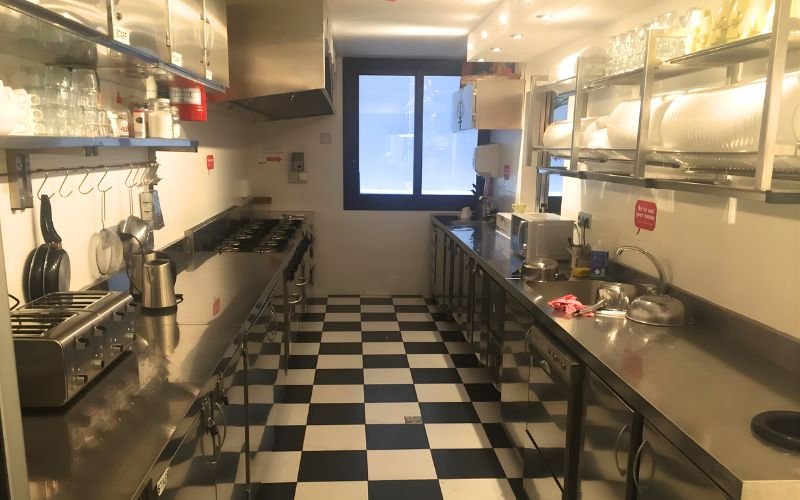
Hostel kitchens are honestly a lifesaver when you’re travelling on a budget. Even cooking one simple meal a day can save you way more money than you’d expect.
Most kitchens we’ve used have had:
Pots, pans, and all the basic utensils
Shared fridges with labelled shelves
Free tea, coffee, or a few random ingredients people leave behind
A dining area where everyone ends up hanging out
And the kitchen is always a social spot. You meet people while chopping veggies, comparing recipes, or trying to figure out how to use whatever strange European stove you’ve just encountered!
One little tip we’ve learned the hard way: label your food. Anything unmarked has a funny way of “disappearing.”
Social Spaces: Where Friendships Begin
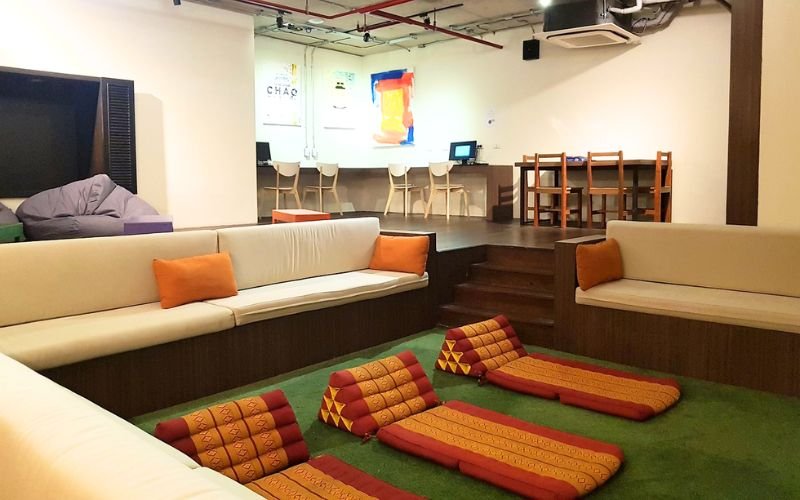
Hostels are really built for connection, and that’s one of the things we’ve come to love most about them. Every place is a little different, but you’ll usually find spaces like:
Cosy lounges with couches and board games. If you happen to be travelling to Thailand, check out the Khaosan Lovers Hostel, it has a super cute lounge area.
Rooftop terraces where everyone gathers for sunset
Little bars or cafés tucked inside
Outdoor chill spots with hammocks
Quiet corners where digital nomads set up their laptops
These are the places where everything comes together — the random conversations, the shared travel tips, the “Hey, want to join us tomorrow?” moments that end up shaping your trip.
And if you’re on the shy side, don’t stress. Hostels make meeting people feel natural. Half the time, just sitting in a common area with a book or your laptop is enough for someone to strike up a friendly “Where are you from” and suddenly you’re swapping stories like old friends.
Activities And Events: Built-in Social Life
A lot of hostels put on little events to help people connect, and honestly, they can be so much fun. When we have had a spare day/evening we have joined in and despite the fact we are in our 40’s and 50’s we have fitted in just fine! We’ve seen everything from:
Pub crawls
Walking tours
Family‑style dinners
Yoga sessions
Movie nights
You can jump in or skip them — there’s zero pressure. But if you’re travelling solo, these events are absolute gold. They make it so easy to meet people, and half the time you walk away with new friends and plans for the next day.

Facilities: More Than Just A Bed
Hostels can really surprise you with how much they offer. Every place is different, but most of the ones we’ve stayed in have had things like:
Free Wi‑Fi (sometimes great, sometimes… not so much!)
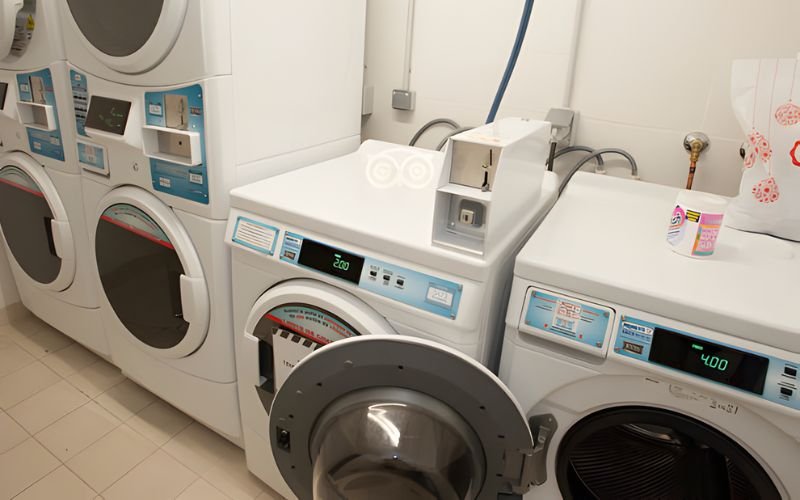
Laundry rooms with washers and dryers which cost a few dollars and washing powder is usually available to purchase
Luggage storage
Little book exchanges
Bike or scooter rentals at super cheap rates
A desk where you can book tours or activities
And then there are the hostels that really go all out. As budget travellers, we don’t usually end up in those places — but on the rare trip where we treat ourselves, we’ve stayed in a few that had:
Swimming pools
Gyms
On‑site cafés
Hammocks overlooking the beach
Proper co‑working spaces
Budget travel doesn’t have to feel basic — some hostels honestly feel like boutique hotels, just with a way more social vibe.
Pricing: Why Hostels Are So Popular
Hostels are almost always the cheapest place to stay, no matter where you go. Prices can swing a lot depending on things like:
Where the hostel is (right in the city centre or a bit further out)
The season (busy months vs quiet ones)
The room type (dorm beds vs private rooms)
Extra perks (pools, bars, free breakfast)
Even in pricey cities like London or Sydney, you can usually snag a clean dorm bed for a fraction of what a hotel would cost.
Honestly, hostels are a big part of what makes long‑term travel doable — and actually enjoyable. They keep your budget in check while giving you a built‑in community along the way.

Hostels aren’t just a place to sleep — they’re an experience. They’re where you meet people who change your trip, share meals with strangers who become friends, and discover destinations through the eyes of other travellers.
If you’re new to hostels, give it a try. You might be surprised by how quickly you feel at home.