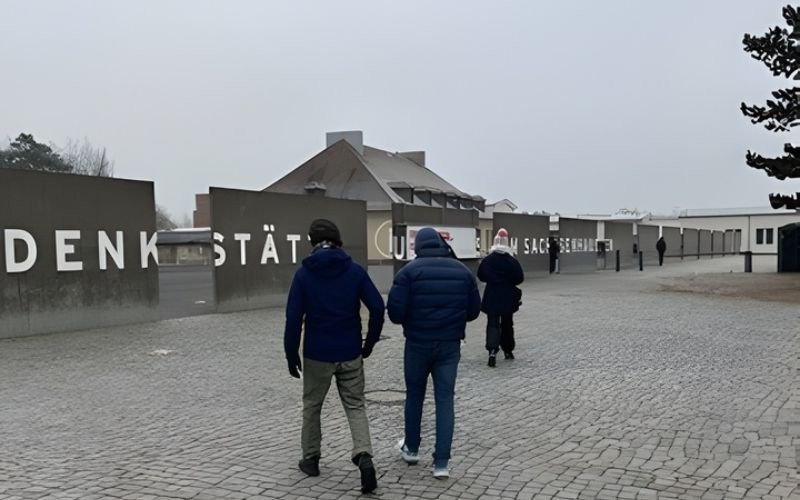
A visit to Sachsenhausen Concentration Camp Memorial is one of the most sobering and important day trips you can take from Berlin. Located in Oranienburg, just north of the city, Sachsenhausen was one of the first major Nazi concentration camps and later used by the Soviet NKVD. Today, it stands as a memorial and museum dedicated to the victims and a stark reminder of the atrocities committed during the 20th century.
This guide walks you through how to get there, what to expect, and what you’ll see during your visit.
This post may contain affiliate links. If you make a purchase, we may earn a small commission at no extra cost to you. Our goal is to provide valuable and helpful content, and any commissions help us to mantain this site.
Contents
ToggleGet your Berlin Essentials!
- Find cheap flights to Berlin
- Find hotels or hostels in Berlin
- Find activites and tours for Berlin
- Compare hire car prices or train tickets
- Get an eSIM for Berlin. Use our code ‘TBTravellers to receive 5% OFF any eSIM!
Why Visit Sachsenhausen?
1. To Understand the Reality of the Nazi Camp System
Sachsenhausen was one of the first major concentration camps established by the Nazis (1936). It served as a model camp, meaning its layout, routines, and systems were copied across. Visiting helps you understand how the camp system was organised, how prisoners were controlled, punished and expolited and how ideology translated into daily brutality.
2. To Honour the Victims
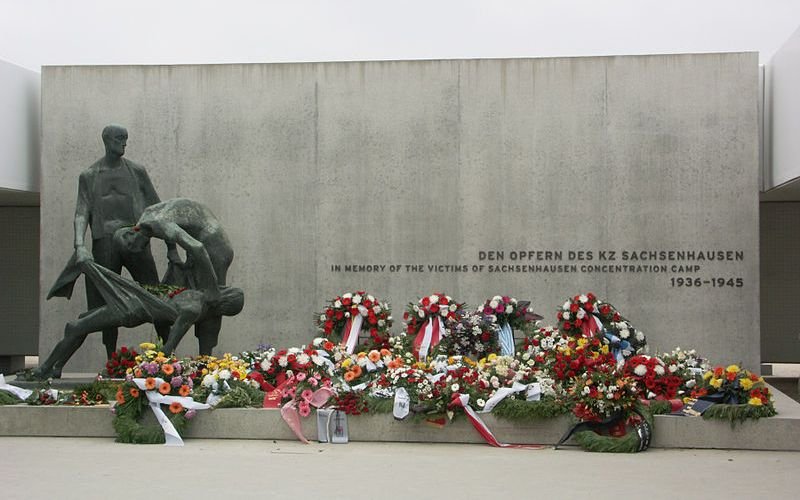
Tens of thousands of people died at Sachsenhausen — political prisoners, Jews, LGBTQ+ people, Roma, Jehovah’s Witnesses, and many others. Walking through the grounds is a way to pay respect to those who suffered and died.
It’s a place of remembrance, not tourism.
3. To See the Physical Space Where History Happened
Reading about the Holocaust is one thing. Standing in the actual locations — the barracks, the roll‑call square, the execution site — is something entirely different. You see the scale of the camp, the harshness of the environment and the architecture designed for control and surveillance.
4. To Learn About the Camp’s Two Histories
Sachsenhausen has a dual past the Nazi Concentration Camp (1936–1945) used for forced labor, punishment, torture, medical experiments, and mass murder. Soviet Special Camp (1945–1950) after liberation, the Soviets used it as a detention camp for political prisoners and suspected collaborators. Thousands died here during this period as well.
Few places in Europe show two layers of totalitarian oppression in one location.
How to Get to Sachsenhausen from Berlin
Sachsenhausen is located at Str. d. Nationen 22, in Oranienburg, about 35–45 minutes north of Berlin. Getting there is straightforward, and you have several options.
By Train
Travelling to Sachsenhausen by train is the most popular choice because it’s affordable, reliable, and straightforward. Berlin’s public transport system is well‑connected, and reaching Oranienburg requires only one direct S‑Bahn line.
Step 1: Take the S‑Bahn S1 Toward Oranienburg
The S1 line runs directly from central Berlin to Oranienburg, the town where Sachsenhausen is located. You can board the S1 from several major stations, including: Friedrichstraße, Brandenburger Tor, Potsdamer Platz, Nordbahnhof and Gesundbrunnen.
Trains run frequently—typically every 10 minutes during the day—so you won’t need to plan around a strict timetable and the journey time is approximately 45 minutes.
Step 2: Walk or Take a Bus to the Memorial
Once you arrive at Oranienburg station, you have two options to reach the memorial site:
Walk (20–25 minutes) – The walk is straightforward and takes you through quiet residential streets. It’s flat, easy, and well‑signposted.
Bus (5–7 minutes) – If you prefer not to walk, take one of the local buses 804 or 821 which both stop at “Gedenkstätte Sachsenhausen”, directly next to the memorial entrance. Buses usually run every 20–30 minutes, depending on the time of day.
Tickets & Costs
To reach Oranienburg, you’ll need a Berlin ABC ticket, which covers all three transport zones. This ticket is valid for the S‑Bahn, U‑Bahn, trams, and buses. You can see all the fare prices on the official website of Berlin.
By Guided Tour (Convenient & Educational)
If you prefer a structured experience or want deeper historical context, joining a guided tour is an excellent option. Many visitors choose this route because it removes the stress of navigation and provides expert insight into the camp’s history.
What Guided Tours Typically Include
Round‑trip transportation from central Berlin (usually by train or private bus), a professional guide and detailed storytelling about the camp’s history, prisoner experiences, and post‑war use and time for independent exploration at the end.
By Car
Driving to Sachsenhausen is the fastest and most flexible option, especially for families or groups. From central Berlin, the drive takes approximately 40 minutes, depending on traffic. The route is straightforward, following well‑marked roads north toward Oranienburg.
Parking
There is free parking available near the memorial, just a short 3-5 minute walk from the entrance.
Arriving at Sachsenhausen
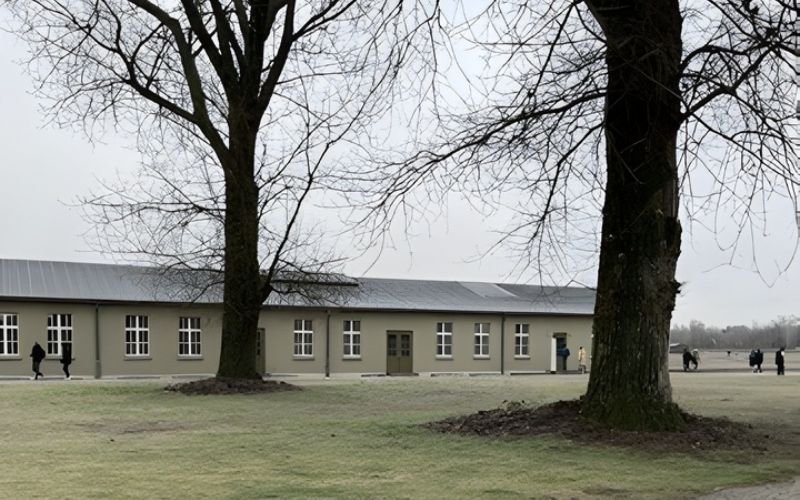
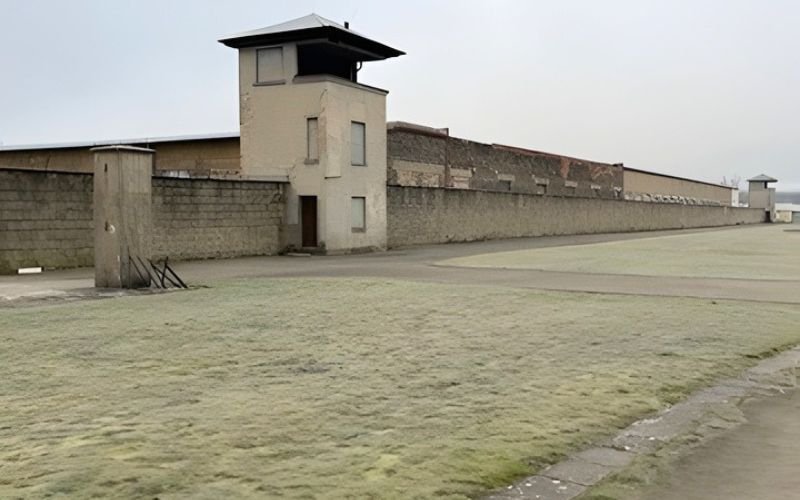
Sachsenhausen is not a compact museum or a single building — it is an expansive memorial site spread across a vast, open landscape. Much of the visit takes place outdoors, walking between barracks, guard towers, exhibition halls, and historical structures.
You’ll enter through the Visitor Centre, located just before the main historical site. The staff will provide you with a printed map and borchure explaining the camp layout and key locations.
If you prefer a deeper, more structured experience you can also hire an audio guide for a few euros which gives you detailed explanations, survivor testimonies and historical backgrounds.
There is no formal ticket gate because entry to the memorial is free, but the Visitor Centre acts as the starting point for your visit.
Time Needed to Visit
Plan for 3–4 hours to explore the site thoroughly.
What You Will See at Sachsenhausen
The memorial is divided into several key areas, each offering insight into different aspects of camp life and operations.
1. The Appellplatz (Roll Call Square)
This vast open area was where prisoners were forced to stand for hours during roll calls, often in extreme weather. It gives a sense of the scale and harshness of daily life.
2. Tower A (Main Entrance Gate)
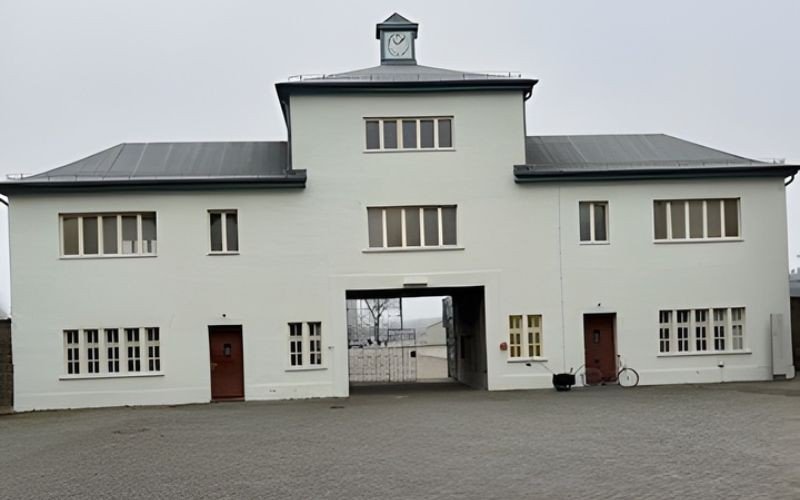
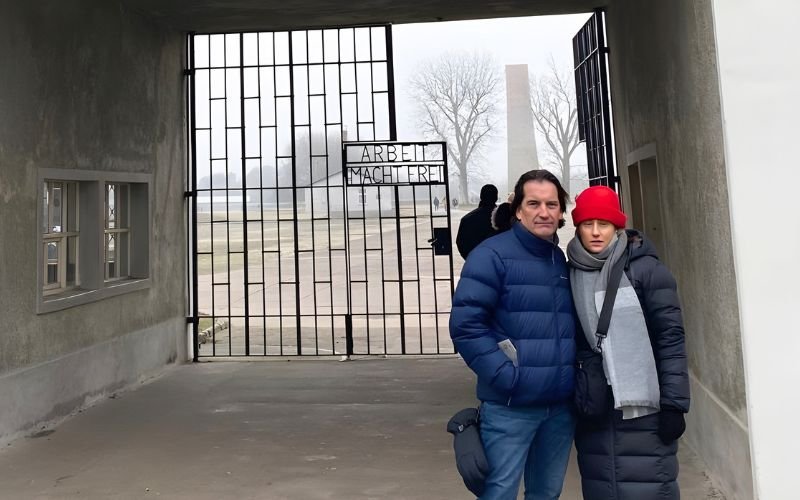
The iconic entrance tower, with the phrase “Arbeit Macht Frei” (“Work Sets You Free”), is one of the most photographed and historically significant parts of the camp. From here, you can see the triangular layout designed for maximum surveillance.
3. Prisoner Barracks
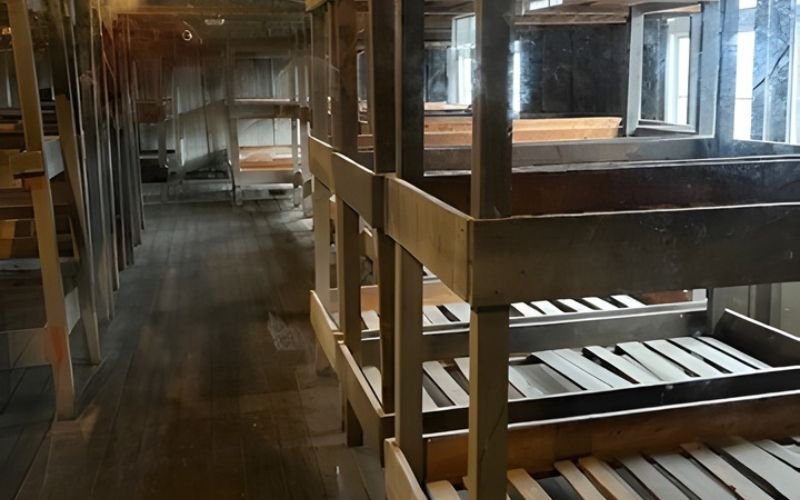
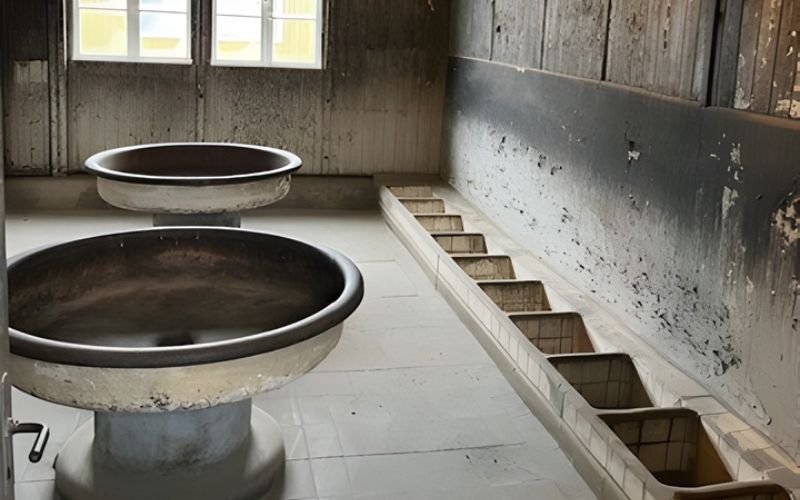
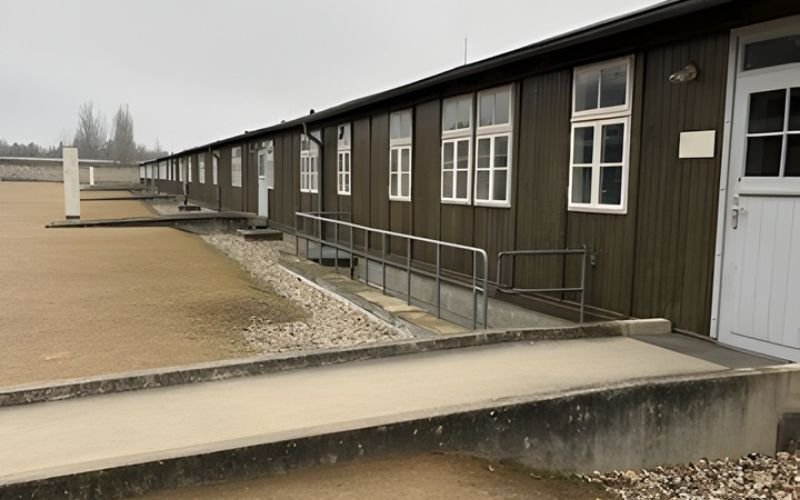
Some barracks have been reconstructed to show sleeping quarters, sanitary facilities and living conditions. Exhibits explain the hierarchy among prisoners and the brutal overcrowding.
4. The Infirmary & Medical Experiments Area
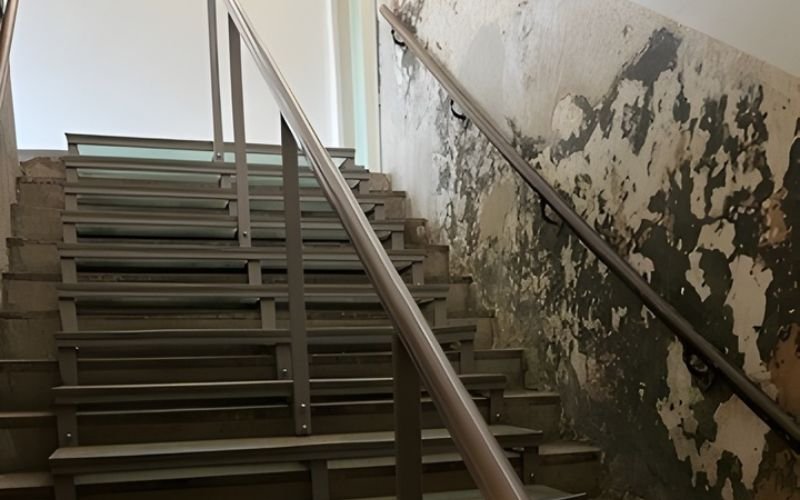
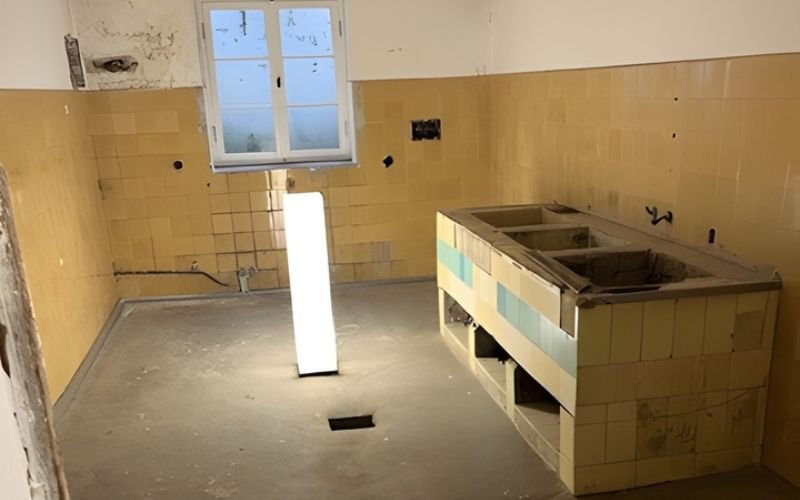
This section covers medical experiments conducted on prisoners, the role of camp doctors and the infirmary’s grim reality.
5. Station Z (Execution Site)
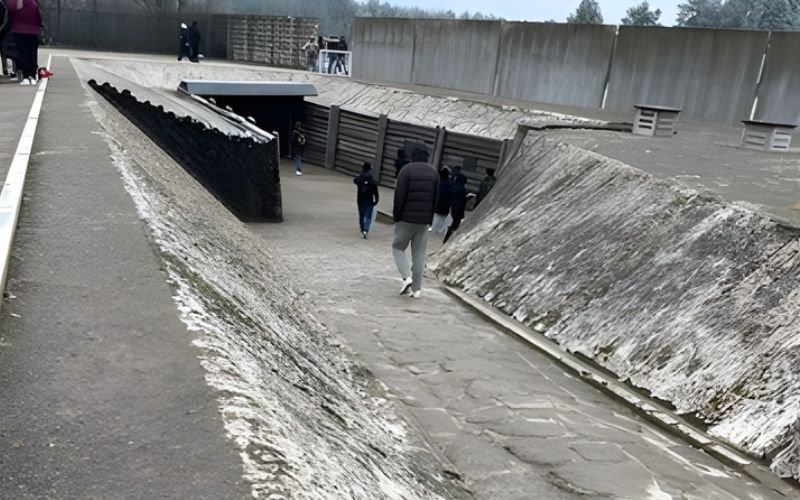
This area includes the crematorium, execution trenches and the killing facilities
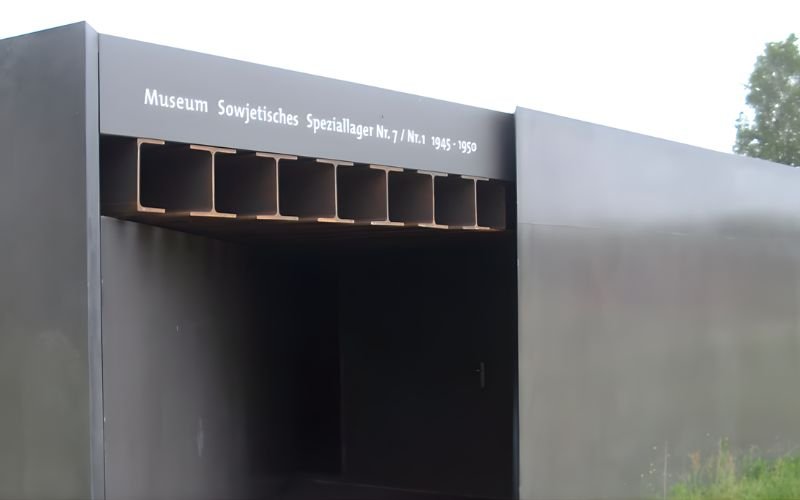
6. Soviet Special Camp No. 7/1
After WWII, the Soviets used Sachsenhausen as a detention camp. Exhibits here explain post‑war political imprisonment, conditions under Soviet control and the camp’s second tragic chapter.
7. Museum Exhibitions
Throughout the site, you’ll find detailed exhibitions covering camp administration, prisoner groups (political, Jewish, LGBTQ+, Roma, etc.), forced labor, daily life and survival and liberation and post‑war history.
These exhibits are extensive — history enthusiasts can easily spend hours here.
Tips for Visiting Sachsenhausen
1. Wear comfortable shoes
The site is large and involves a lot of walking on uneven ground.
2. Bring water and snacks
There are limited facilities inside the memorial.
3. Dress for the weather
Much of the camp is outdoors and exposed.
4. Consider an audio guide or guided tour
They provide essential context that enhances the experience.
5. Approach the visit with respect
This is a memorial site — photography is allowed, but be mindful
Our visit to Sachsenhausen was a sad and sobering experience, but also an important and deeply informative one. Spending time at the memorial offers a powerful reminder of the past and a chance to reflect on the lives affected here. If you’re visiting Berlin, taking a day to understand this history firsthand is something that will stay with you long after you leave.