Rotterdam is one of the Netherlands’ most exciting cities, known for its modern architecture, vibrant waterfront, and rich history. The good news is that many of its top attractions are completely free to visit. From the iconic Cube Houses and Erasmus Bridge to scenic parks, historic harbours, and colourful street art.
This guide highlights the best free things to do in Rotterdam without breaking your budget.
This post may contain affiliate links. If you make a purchase, we may earn a small commission at no extra cost to you. Our goal is to provide valuable and helpful content, and any commissions help us to mantain this site.
Contents
ToggleGet your Rotterdam Essentials!
- Find cheap flights to Rotterdam
- Find hotels or hostels in Rotterdam
- Find activites and tours for Rotterdam
- Compare hire car prices
- Get an eSIM for Rotterdam. Use our code ‘TBTravellers to receive 5% OFF any eSIM!
1. Admire the Cube Houses
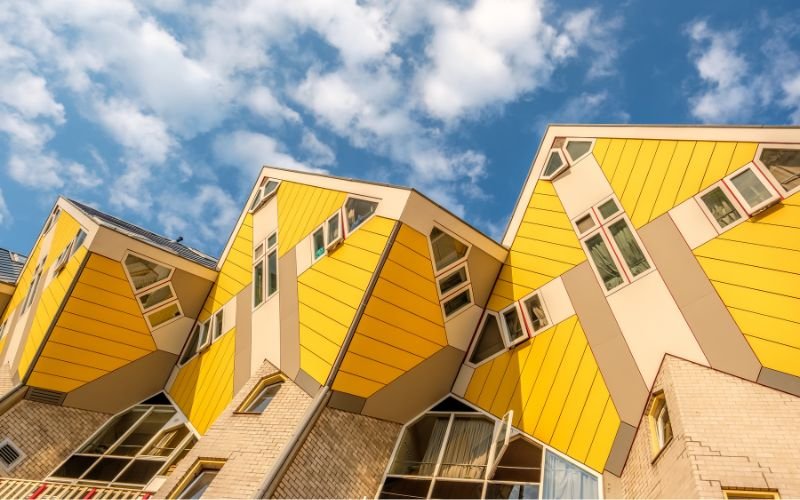
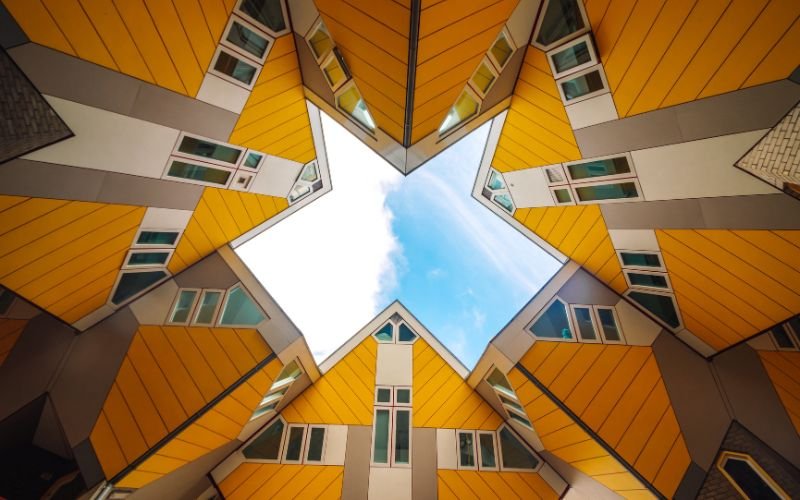
A visit to Rotterdam would not be complete without seeing the famous Cube Houses (Kubuswoningen). Designed by Dutch architect Piet Blom, these striking yellow homes are tilted at a 45-degree angle, creating the illusion of cubes balanced on their corners. Their unusual design has made them one of the city’s most recognisable landmarks and a favourite location for photographers.
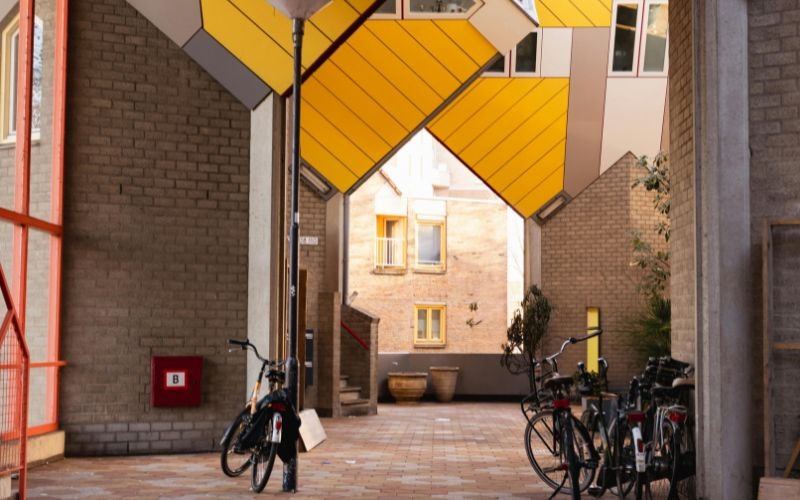
Located beside Blaak Station, the Cube Houses are easy to access on foot or by public transport. While there is a small admission fee to enter the Show Cube Museum, wandering through the complex and capturing photos from different perspectives is completely free. The surrounding square is often filled with street performers, markets, and local activity, making it an enjoyable place to spend some time.
2. Explore the Markthal
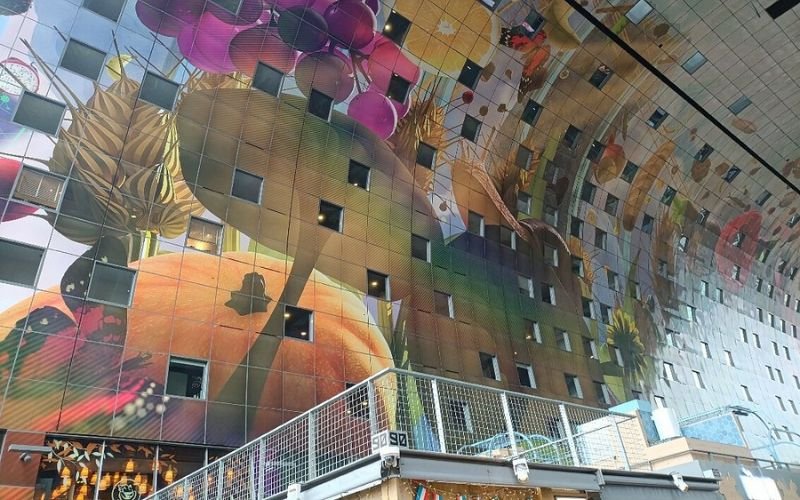
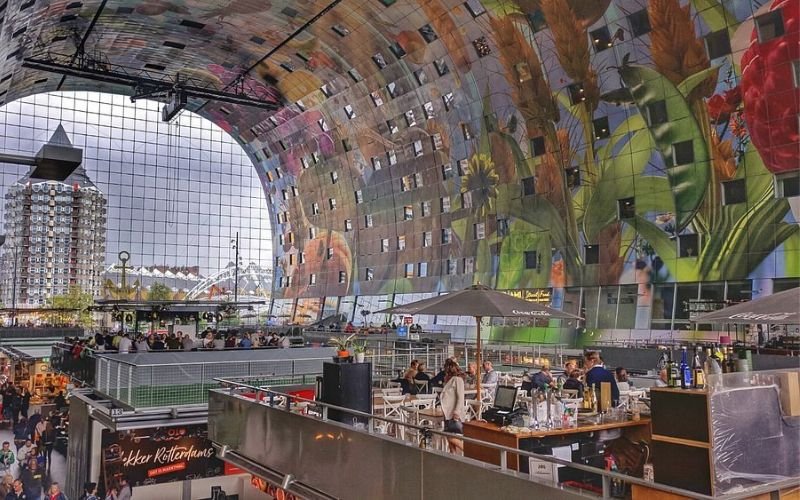
Just a short walk from the Cube Houses is the Markthal, one of Rotterdam’s most impressive modern buildings. Even if you are not planning to buy anything, it is worth visiting for its remarkable architecture and vibrant atmosphere.
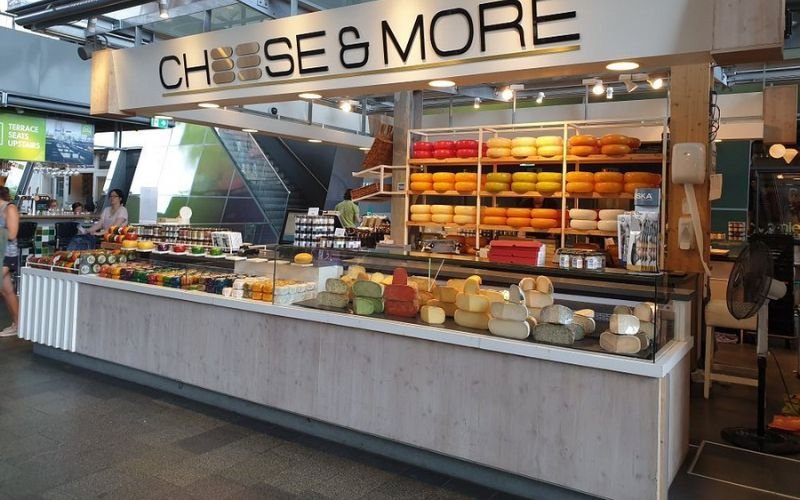
The market is famous for the enormous ceiling artwork known as the Horn of Plenty, which stretches across the curved interior. You can walk through the market free of charge, admire the colourful artwork, browse the food stalls, and experience one of Rotterdam’s most popular attractions.
3. Visit the Old Harbor and the White House
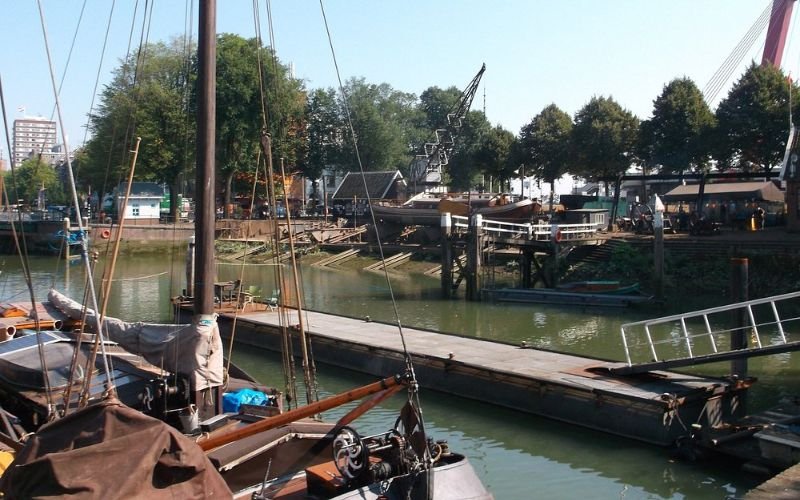
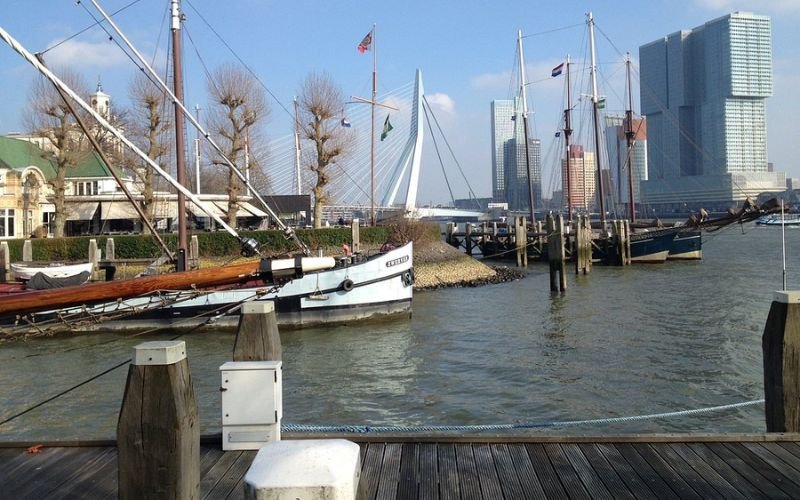
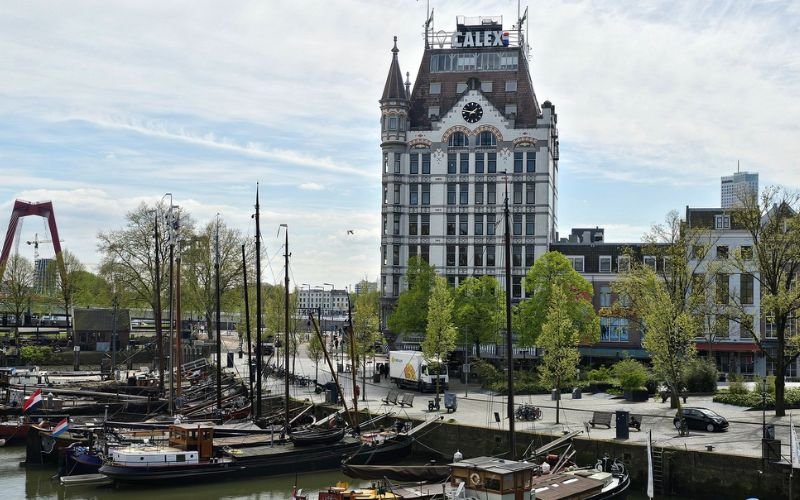
Next to the Cube Houses is the historic Oude Haven (Old Harbor), one of the few areas that still reflects Rotterdam’s past. Traditional Dutch buildings, historic boats, and waterside cafés create a peaceful setting that contrasts with the city’s modern skyline.
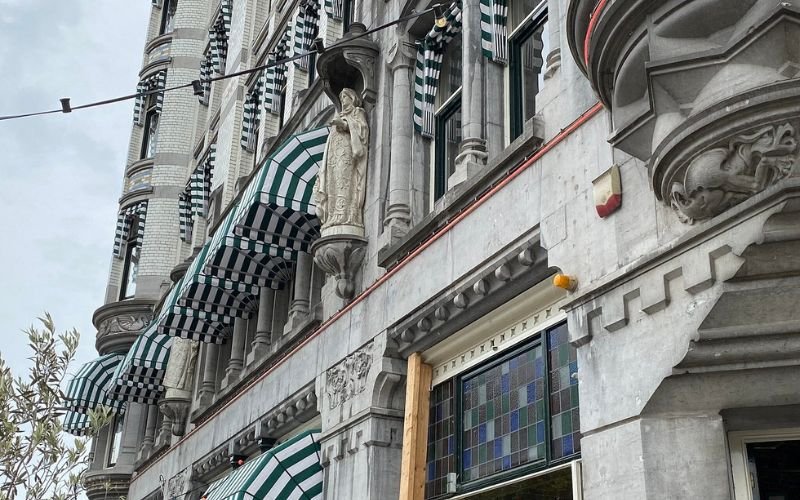
Overlooking the harbour is the Witte Huis (White House), Europe’s first skyscraper when it was completed in 1898. Unlike much of Rotterdam, it survived the bombing of World War II and remains one of the city’s most significant historic landmarks. While the building is not generally open for sightseeing, it can be admired from the outside at no cost.
4. See The Destroyed City
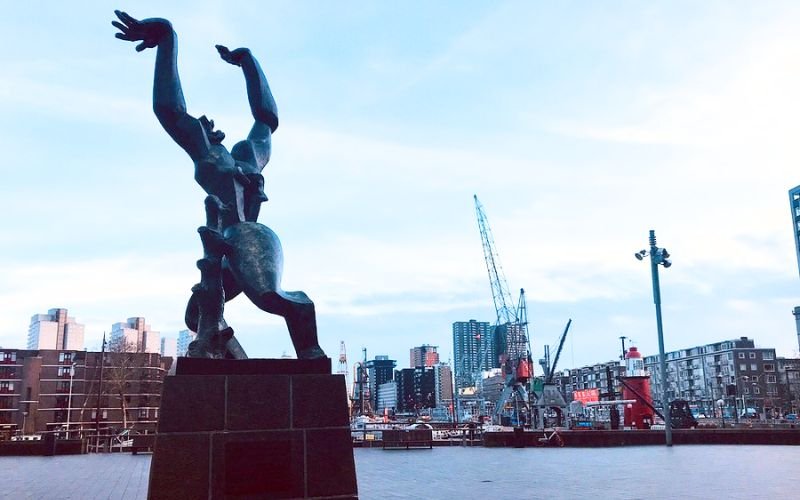
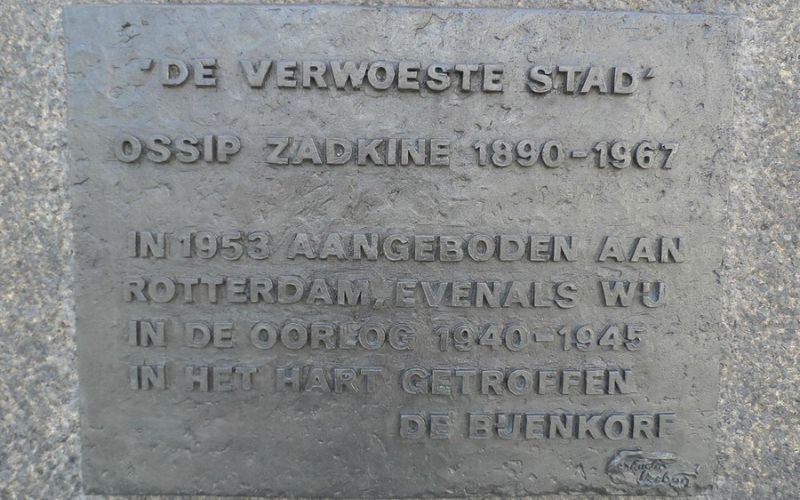
A short walk from the Old Harbor stands The Destroyed City (De Verwoeste Stad), a powerful bronze sculpture created by Ossip Zadkine. The artwork commemorates the devastating bombing of Rotterdam during World War II and symbolises the city’s loss and resilience.
The dramatic figure, with a missing heart, is one of Rotterdam’s most meaningful public artworks. Visiting the sculpture is free and provides an opportunity to reflect on the city’s history while exploring the surrounding streets.
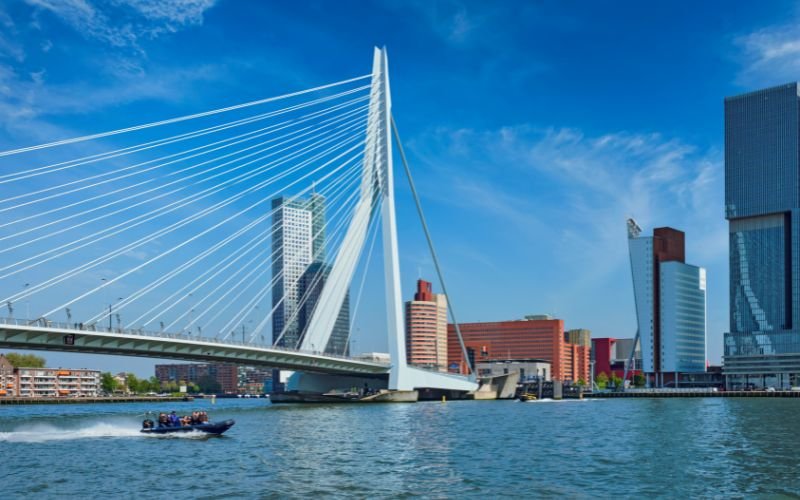
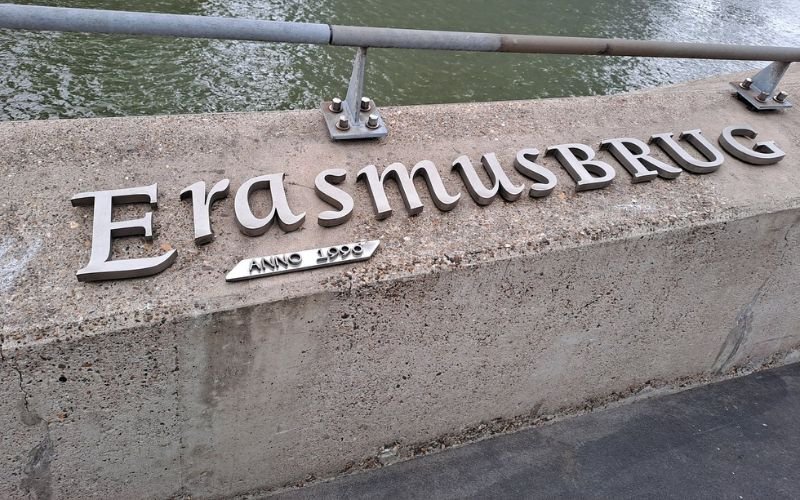
5. Walk Across the Erasmus Bridge
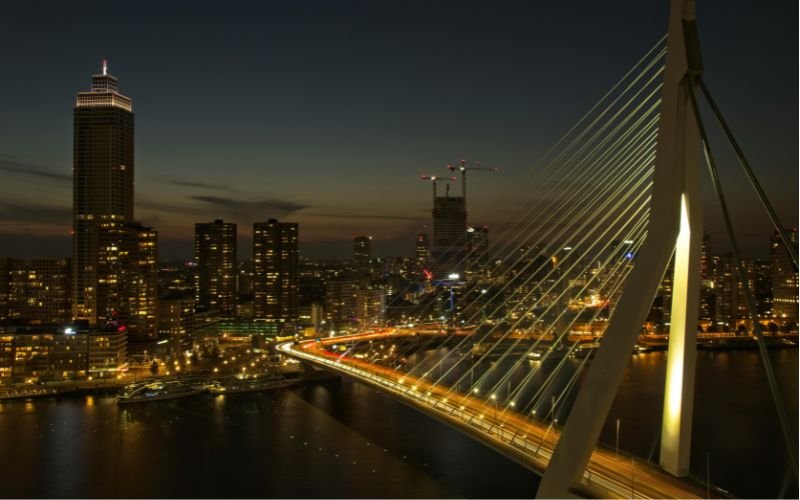
The Erasmus Bridge is one of Rotterdam’s defining landmarks. Nicknamed “The Swan” because of its graceful, sweeping design, the bridge spans the Nieuwe Maas River and links the city’s northern and southern districts.
Crossing the bridge on foot is free and rewards visitors with panoramic views of Rotterdam’s skyline, waterfront, and passing boats. It is particularly beautiful in the evening, when the setting sun and city lights reflect across the river. The bridge also provides easy access to the modern Kop van Zuid district, making it an excellent starting point for further exploration.
6. Relax in Het Park
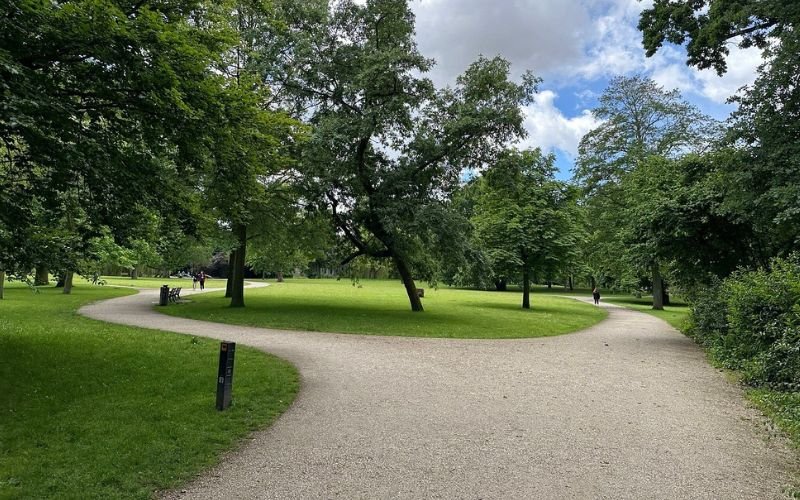
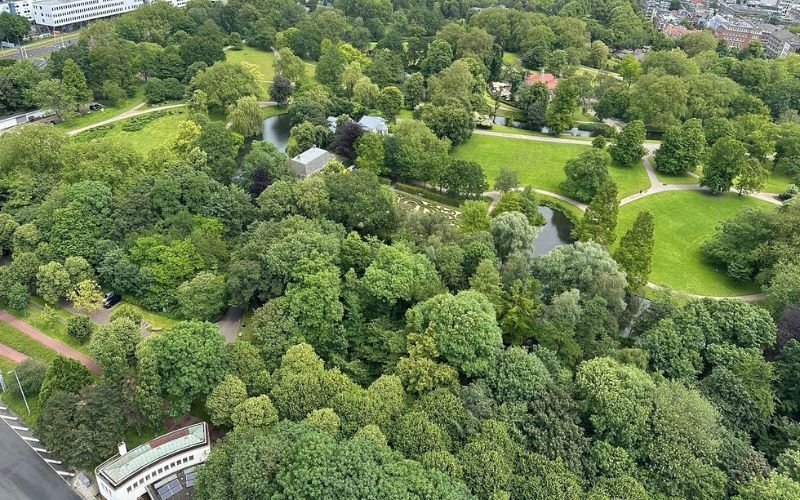
Located beside the Euromast, Het Park is one of Rotterdam’s most attractive green spaces. Free to enter, it offers expansive lawns, tree-lined paths, ponds, and beautifully maintained gardens that provide a welcome escape from the busy city centre.
The park is ideal for a leisurely walk, picnic, or simply relaxing among the greenery. From several viewpoints, you can admire the Euromast rising above the trees. Although access to the observation tower requires a ticket, enjoying the park itself is completely free.
7. Wander Along Witte de Withstraat
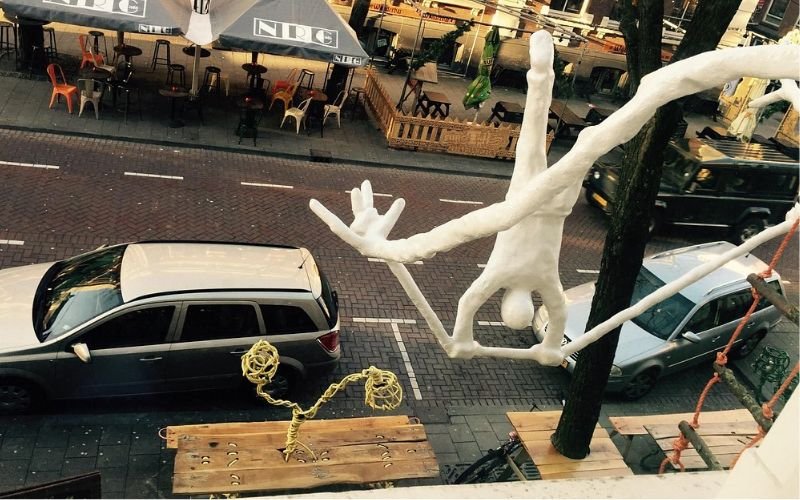
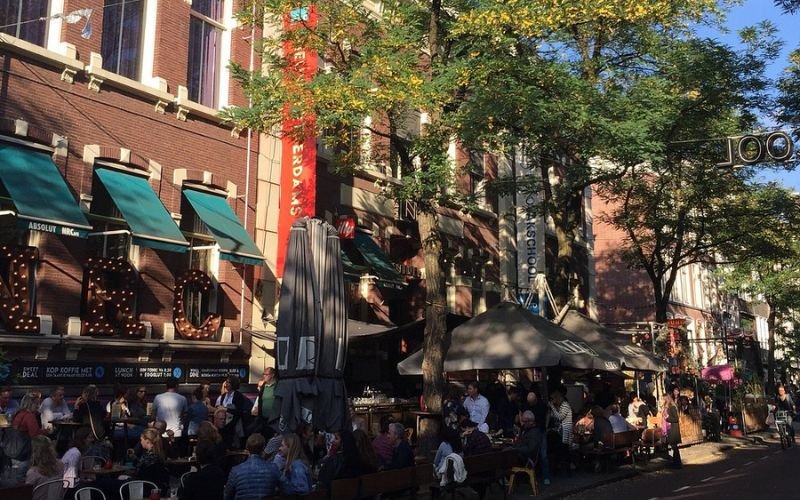
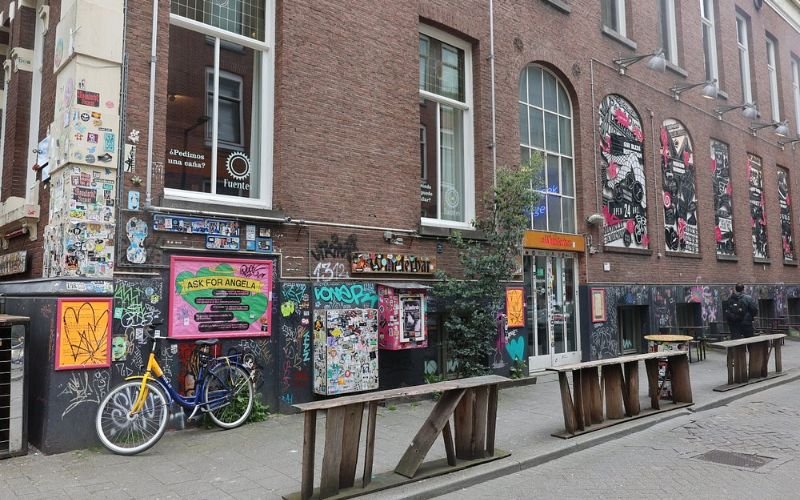
For a taste of Rotterdam’s creative side, spend some time exploring Witte de Withstraat. This lively street is well known for its independent boutiques, contemporary art galleries, cafés, colourful murals, and vibrant nightlife.
Walking along the street costs nothing and offers an excellent insight into the city’s cultural scene. Throughout the year, Witte de Withstraat hosts exhibitions, festivals, and public art events, making it one of Rotterdam’s most energetic and interesting neighbourhoods.
8. Explore Rotterdam’s Waterfront
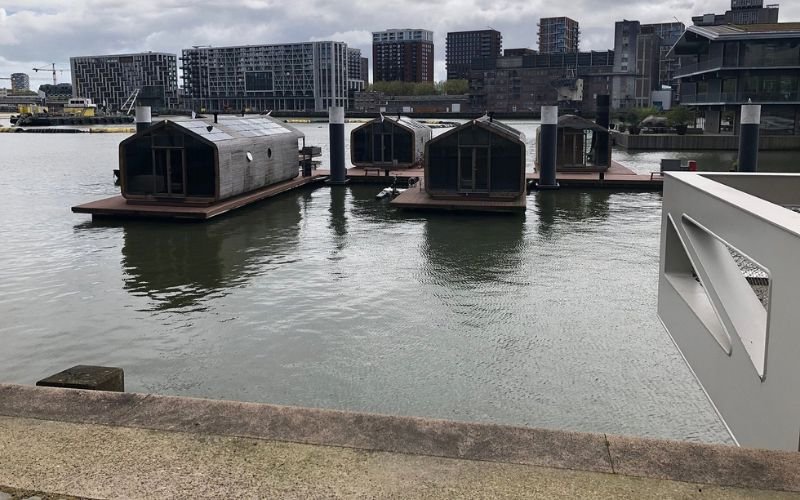
Rotterdam’s identity has always been closely connected to its port, one of the largest in Europe. While harbour cruises are a popular paid activity, exploring the waterfront on foot is completely free.
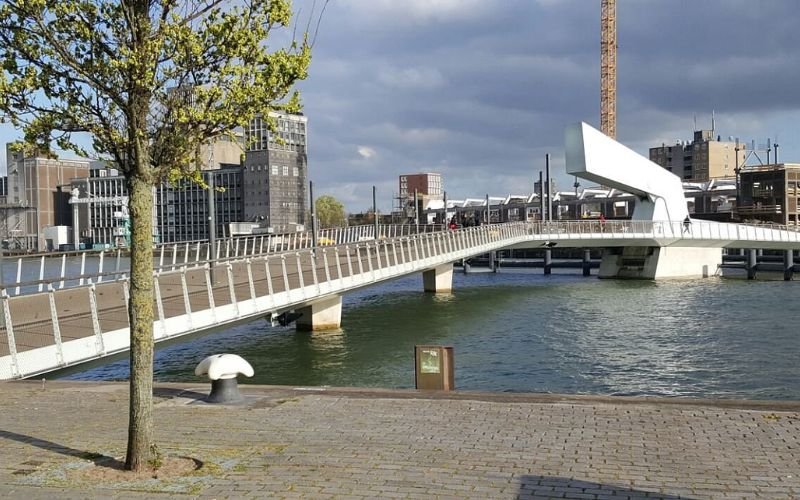
Areas such as Wilhelminapier and Rijnhaven provide excellent views of modern architecture, impressive bridges, and working docks. The combination of historic harbour buildings and innovative new developments perfectly showcases Rotterdam’s transformation into one of Europe’s most forward-thinking cities.
9. Enjoy the Green Spaces of Museumpark
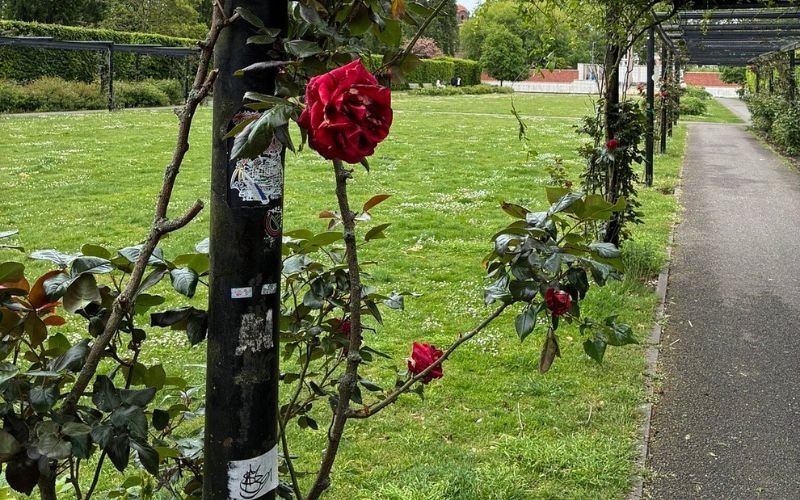
Museumpark is another peaceful area surrounded by several of Rotterdam’s leading museums. Although admission to the museums requires a ticket, the park itself is free to explore.
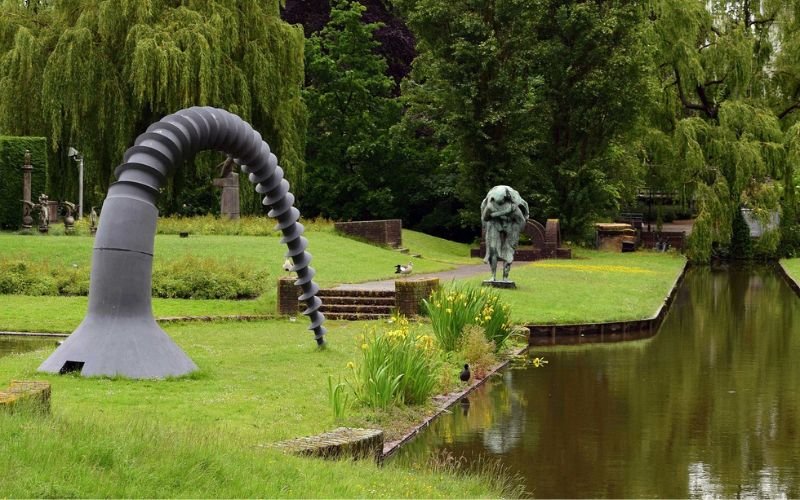
You can stroll through landscaped gardens, discover sculptures, and appreciate the mix of art, architecture, and nature. The nearby Depot Boijmans Van Beuningen, with its mirrored exterior, is also worth seeing from the outside and has become one of Rotterdam’s most photographed buildings.
10. Explore the Vibrant Street Art
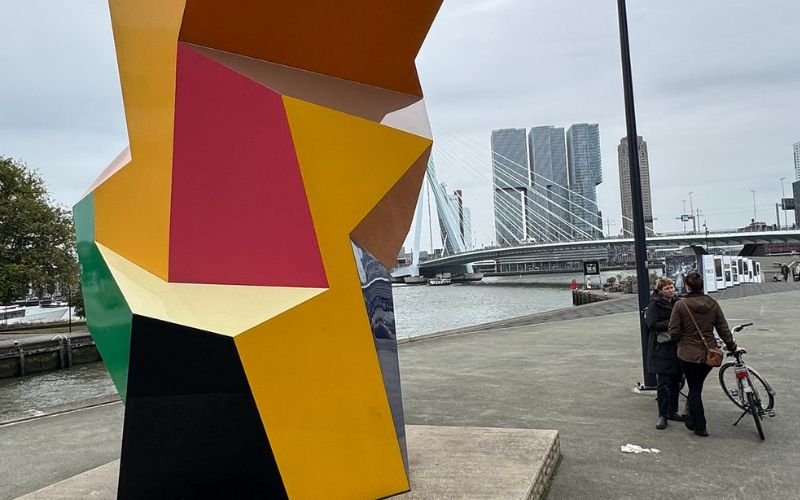
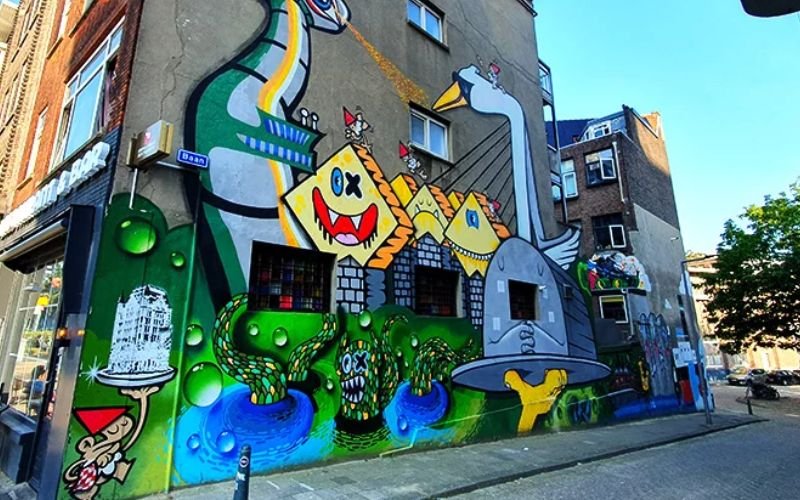
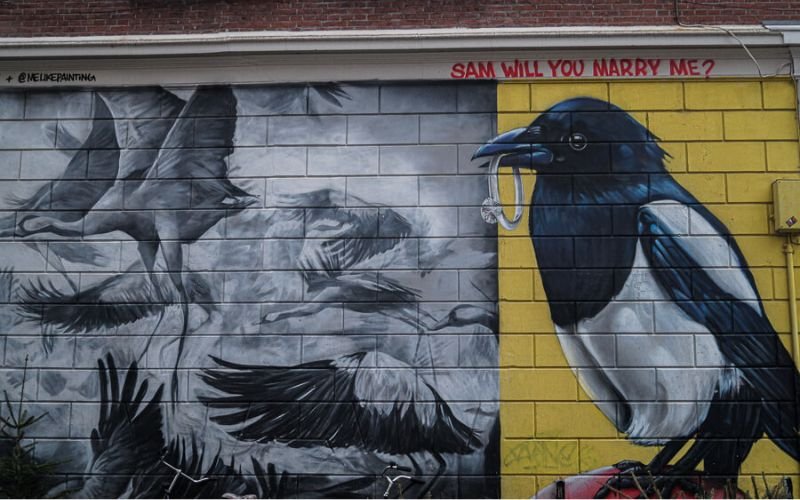
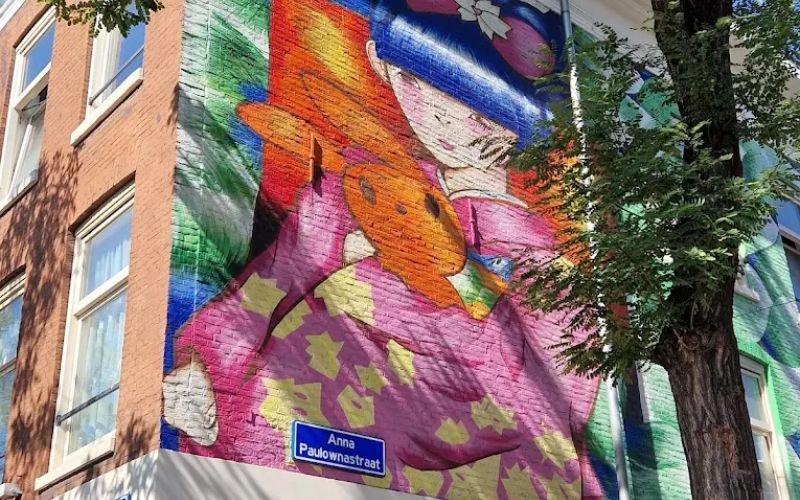
You can stroll through various neighborhoods like Katendrecht, Delfshaven, or the city centre, exploring vibrant street murals, graffiti art, and colorful murals created by local and international artists. These areas are full of creative expressions that reflect Rotterdam’s dynamic urban culture.
Walking around these districts is completely free, and it offers a fantastic way to discover hidden gems, learn about Rotterdam’s diverse communities, and enjoy artistic inspiration without any cost. Plus, many areas are filled with cafés and local spots where you can soak in the atmosphere after your walk.
FAQ: Free Things to Do in Rotterdam
What are the best free things to do in Rotterdam?
Some of the best free things to do in Rotterdam include visiting the Cube Houses, exploring the Markthal, walking across the Erasmus Bridge, relaxing in Het Park, discovering the Old Harbor, wandering along Witte de Withstraat, visiting Museumpark, and exploring the city’s colourful street art. These attractions showcase Rotterdam’s unique architecture, history, and culture without costing a thing.
Are the Cube Houses in Rotterdam free to visit?
Yes, you can visit the Cube Houses (Kubuswoningen) for free and walk around the complex as much as you like. There is a small admission fee if you want to enter the Show Cube Museum and see what life inside one of the iconic tilted houses is like.
Is the Markthal free to enter?
Yes. The Markthal is completely free to enter. Visitors can admire its impressive architecture, view the famous Horn of Plenty artwork covering the ceiling, browse dozens of food stalls, and soak up the lively atmosphere without purchasing anything.
Can you walk across the Erasmus Bridge for free?
Absolutely. Walking across the Erasmus Bridge is free and is one of the best ways to enjoy panoramic views of Rotterdam’s skyline, the Nieuwe Maas River, and the modern Kop van Zuid district.
What is the Old Harbor in Rotterdam?
The Old Harbor (Oude Haven) is one of Rotterdam’s oldest and most historic areas. It features traditional Dutch buildings, historic ships, waterside cafés, and the famous White House (Witte Huis), offering a glimpse of the city before World War II.
What is The Destroyed City monument?
The Destroyed City (De Verwoeste Stad) is a powerful bronze sculpture created by Ossip Zadkine to commemorate the bombing of Rotterdam during World War II. It is one of the city’s most significant public artworks and can be visited free of charge.
Where can I see street art in Rotterdam?
Some of the best places to discover street art in Rotterdam include Katendrecht, Delfshaven, Witte de Withstraat, and the city centre. These neighbourhoods feature colourful murals, graffiti, and public art created by local and international artists.
Is Rotterdam worth visiting on a budget?
Yes. Rotterdam is an excellent destination for budget travellers, with many free attractions including parks, public art, historic neighbourhoods, waterfront walks, and iconic modern architecture. You can easily spend a full day exploring the city without spending much money.
What are the best parks to visit in Rotterdam?
Het Park and Museumpark are two of Rotterdam’s most popular green spaces. Both are free to enter and offer peaceful gardens, walking paths, sculptures, and excellent views of nearby landmarks, making them perfect places to relax between sightseeing.
How many days do you need in Rotterdam?
Most visitors can see Rotterdam’s main attractions in one to two days. If you plan to visit museums, take a harbour cruise, or explore nearby neighbourhoods in more detail, staying for two or three days allows for a more relaxed itinerary.
Is Rotterdam a walkable city?
Yes. Rotterdam is a very walkable city, especially around the city centre. Many of the main attractions, including the Cube Houses, Markthal, Old Harbor, Erasmus Bridge, Museumpark, and Witte de Withstraat, are within walking distance of each other.
What is Rotterdam best known for?
Rotterdam is best known for its innovative modern architecture, Europe’s largest port, the iconic Cube Houses, the Erasmus Bridge, the Markthal, and its vibrant arts and cultural scene. The city is also recognised for its resilience and remarkable rebuilding following World War II.