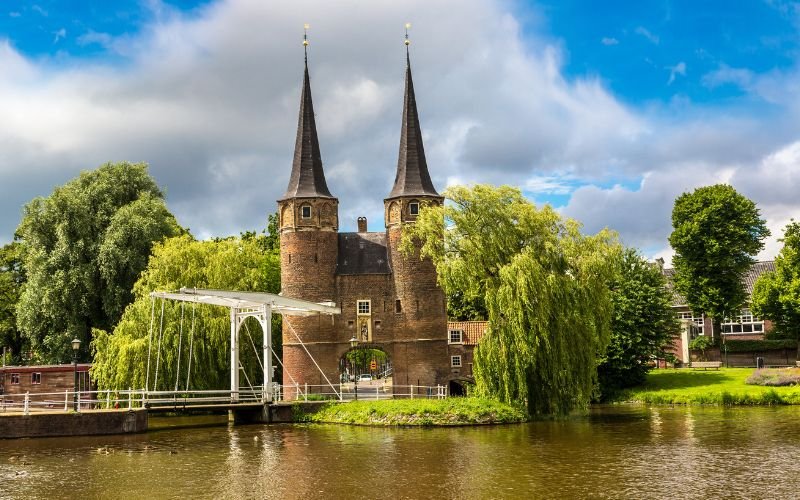
During our recent trip to Amsterdam, we decided to take a day trip and explore the charming city of Delft — and it turned out to be one of the highlights of our visit. Delft has that perfect blend of old‑world beauty, winding canals, and history What surprised us most, though, was just how many incredible museums this small city has to offer. Each one reveals a different side of Delft, from its artistic heritage and Delft Blue craftsmanship to its fascinating history and quirky cultural gems.
We spent the day wandering from museum to museum, soaking up stories, art, and hands‑on experiences. Here are our favourite museums in Delft and why they’re worth adding to your itinerary.
This post may contain affiliate links. If you make a purchase, we may earn a small commission at no extra cost to you. Our goal is to provide valuable and helpful content, and any commissions help us to mantain this site.
Contents
ToggleGet your Delft Essentials!
- Find cheap flights to Delft
- Find hotels or hostels in Delft
- Find activites and tours for Delft
- Compare hire car prices
- Get an eSIM for Delft. Use our code ‘TBTravellers to receive 5% OFF any eSIM!
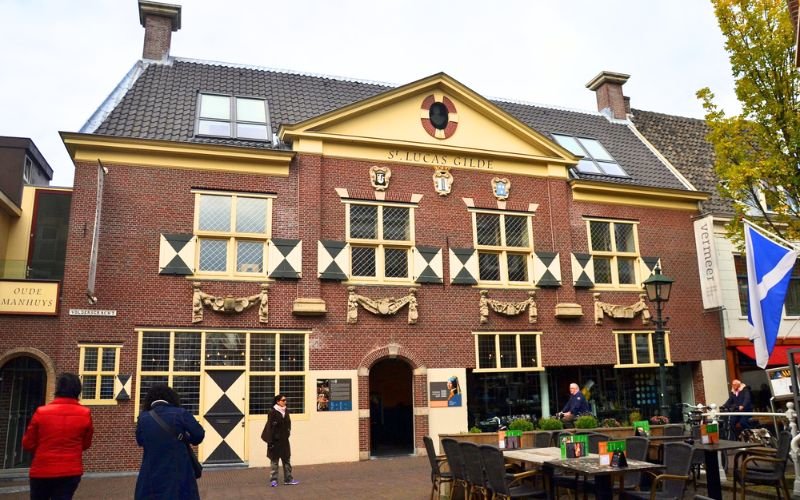
Vermeer Centrum Delft
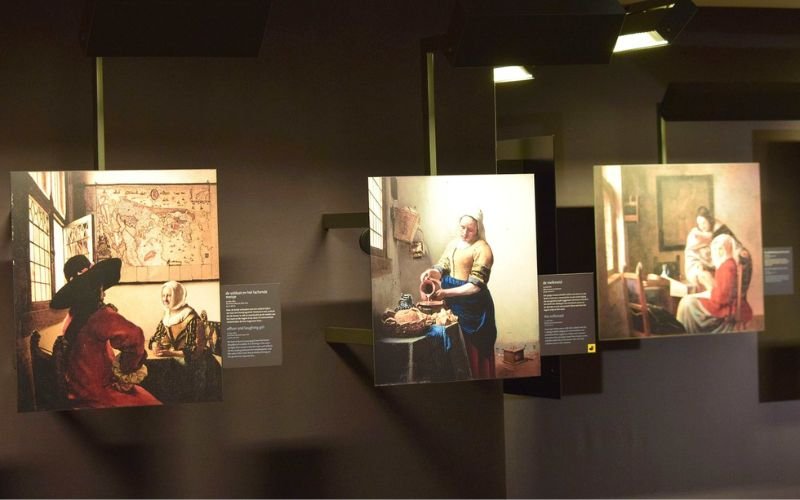
If you visit only one museum in Delft, make it the Vermeer Centrum. While it doesn’t house original paintings, it is the best place to truly understand Johannes Vermeer — Delft’s most famous son and one of the world’s most celebrated painters.
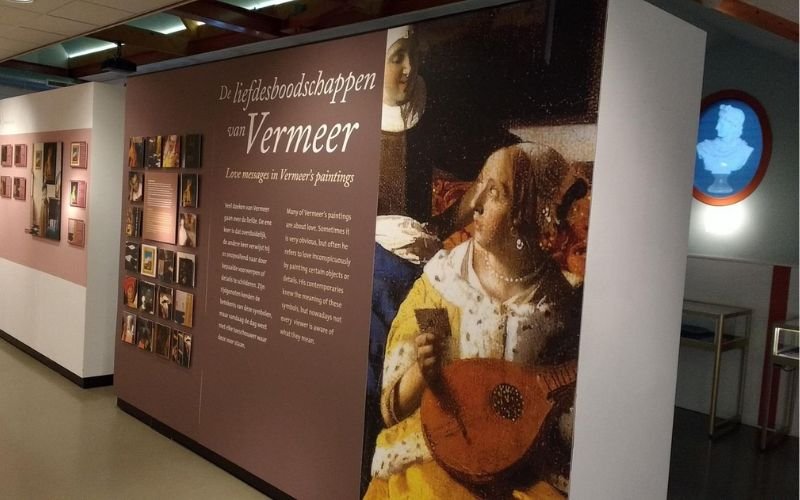
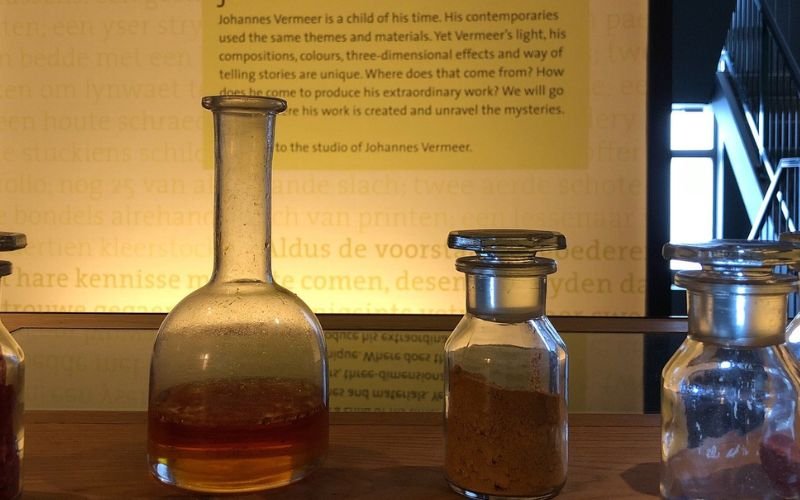
Inside, you’ll find full‑scale reproductions of all his works, interactive displays that break down his use of light, colour and perspective, and thoughtful insights into how he lived and worked in 17th‑century Delft.
On the top floor, you’ll find a contemporary exhibition featuring creative reinterpretations of Vermeer’s most famous works — and you can even paint your own version. It’s a fun, hands‑on space that works brilliantly for both children and adults. The explanations throughout the museum are clear and engaging, and the audio guide adds helpful context as you move through each section.
We spent around an hour and a half exploring all three floors and felt like we covered everything at a comfortable pace.
Address – Voldersgracht 21, 2611 EV Delft, Netherlands
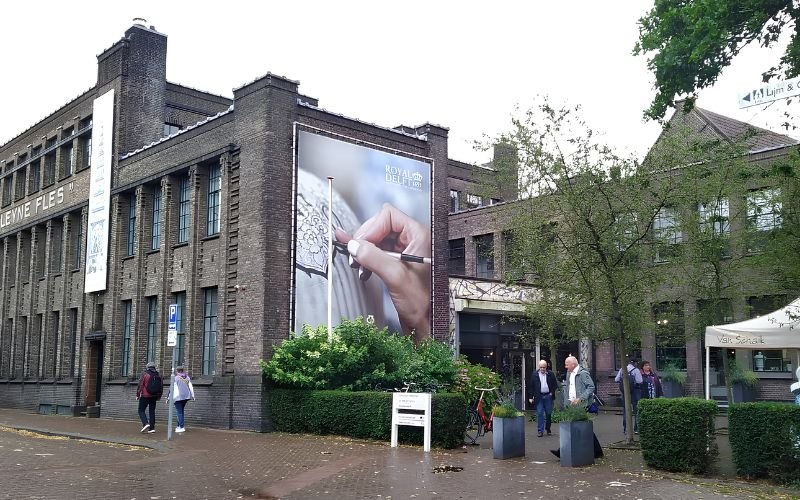
Royal Delft Museum (Koninklijke Porceleyne Fles)
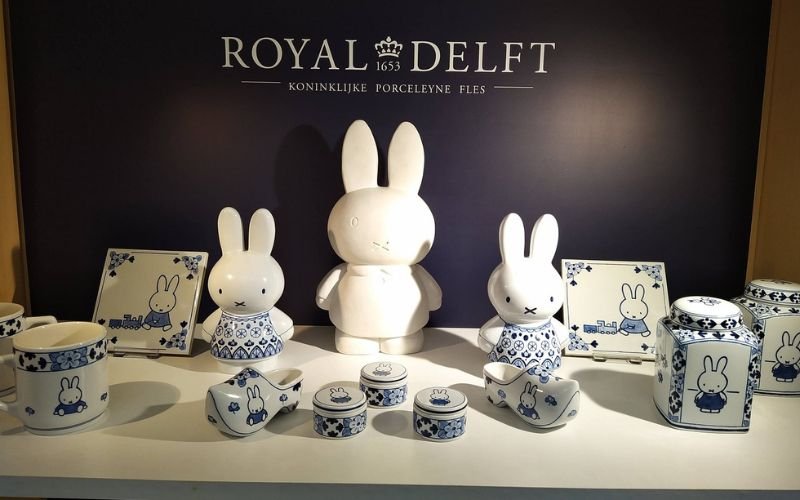
Delft and its iconic blue‑and‑white ceramics go hand in hand, and the Royal Delft Museum is the beating heart of that tradition. It’s the only remaining factory from the 17th century still producing authentic Delft Blue entirely by hand — a rare chance to see centuries‑old craftsmanship in action.
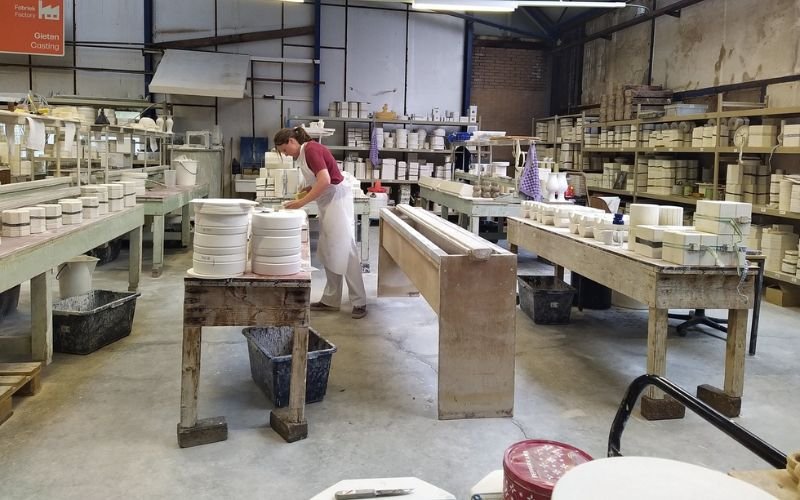
As you move through the museum and factory, you can watch artisans painting intricate designs, explore the original factory floor, and wander through rooms filled with vases, tiles, plates and decorative pieces that showcase how Delft Blue has evolved over time.
We found it fascinating to learn about the origins of blue ceramics, how the craft arrived in the Netherlands, and the training required to master such detailed work. The museum also includes a modern, urban‑inspired section that adds a fresh perspective to the tradition.
One of the highlights was being able to watch the craftspeople at work as we walked through the factory — a rare behind‑the‑scenes glimpse that makes the experience feel truly authentic.
Address – Rotterdamseweg 196, 2628 AR Delft, Netherlands

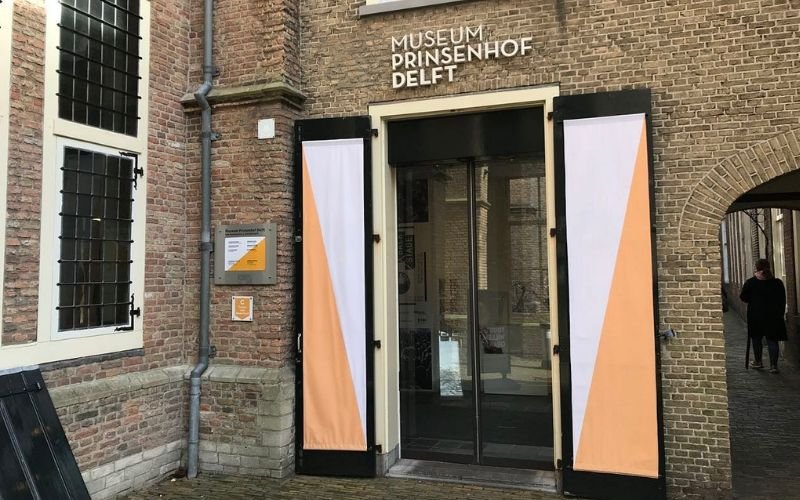
Museum Prinsenhof Delft
We have been told the museum is temporarily closed due to renovations in 2026, so please check on the museum’s website before planning your visit.
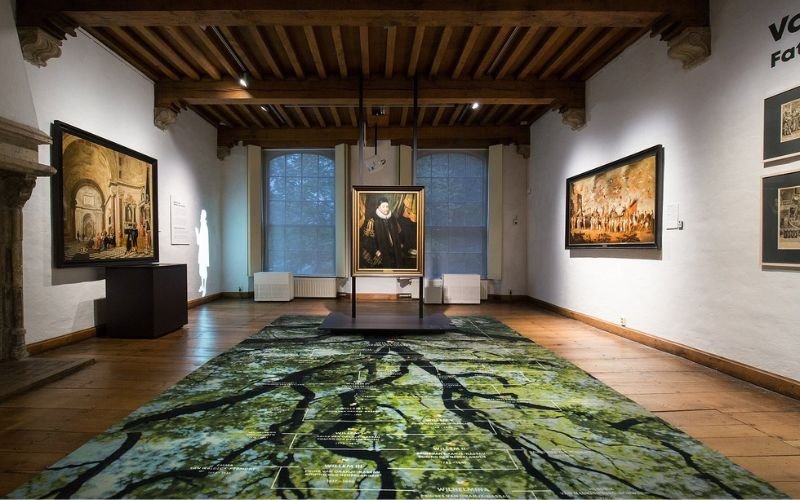
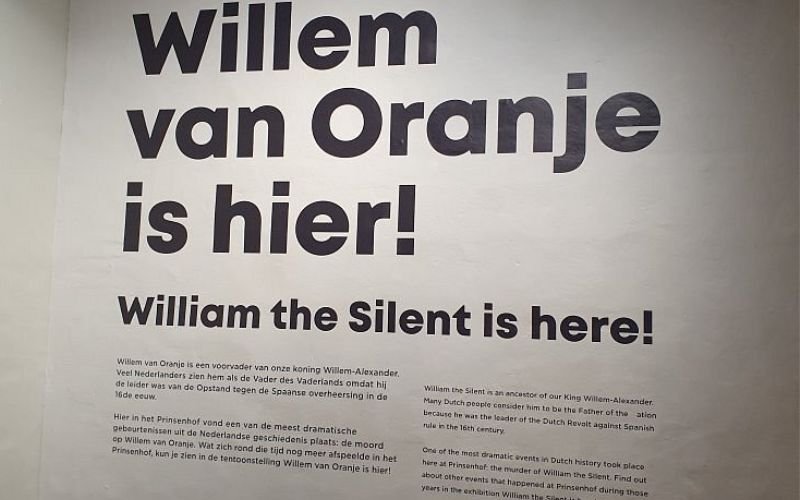
If you love history, Museum Prinsenhof is essential. This former monastery-turned-palace is where William of Orange lived — and where he was assassinated in 1584. You can still see the bullet holes in the wall.
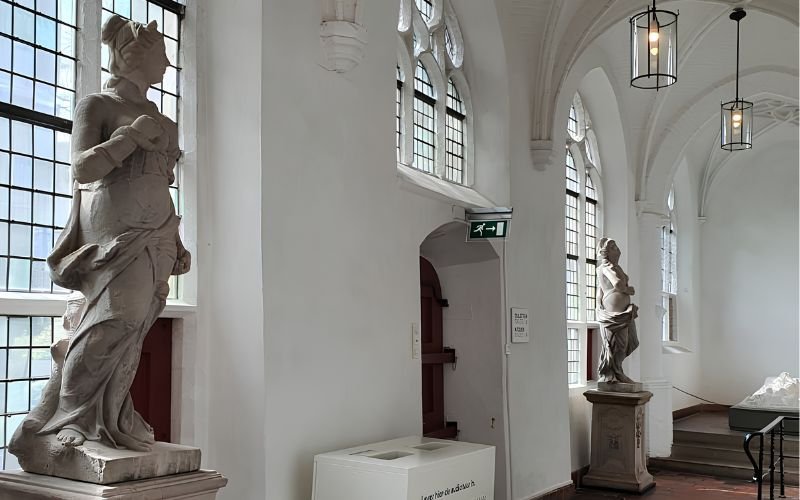
The museum tells the story of the Dutch struggle for independence, Delft’s role in the rebellion, and the city’s evolution through art, politics, and innovation. It’s atmospheric, beautifully curated, and full of stories that shaped the Netherlands.
Address – Sint Agathaplein 1, 2611 HS Delft, Netherlands
Science Centre Delft
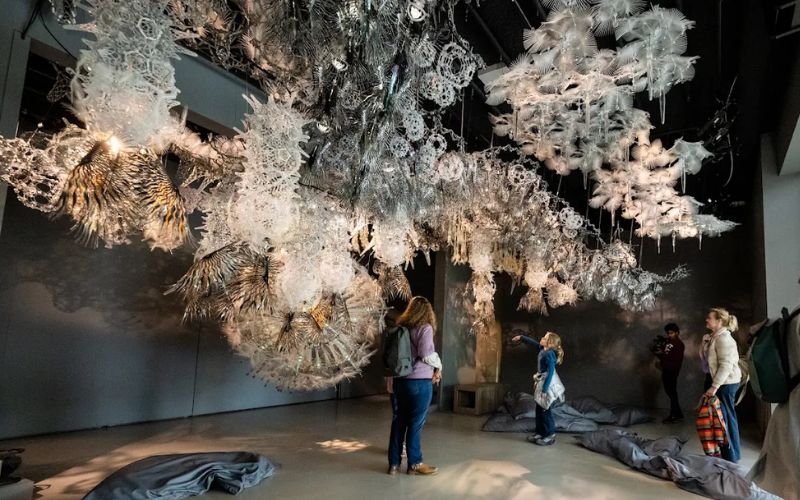
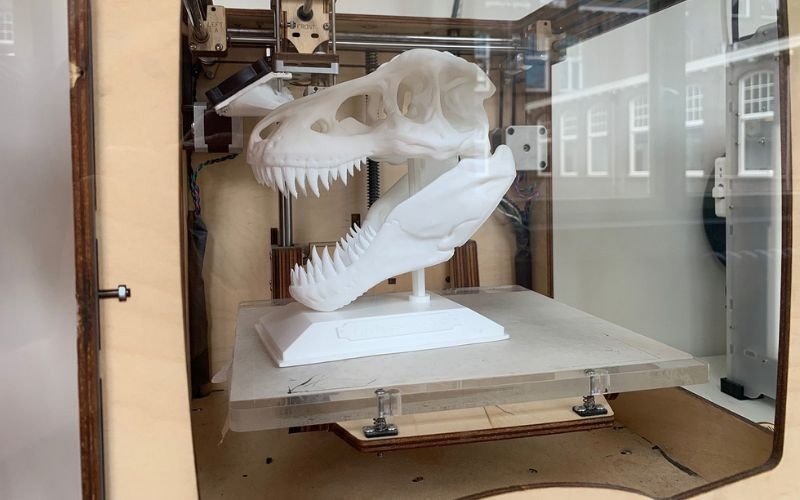
For something hands‑on and modern, head to the Science Centre Delft, run by TU Delft. It’s an interactive, playful space that’s perfect if you’re curious about engineering, design or technology.
Inside, you can expect robotics demonstrations, VR experiences, engineering challenges and exhibits that showcase how Delft’s students and researchers are shaping the future. The Science Centre is directly connected to the university, and everyone working there is a student — which makes the visit even more insightful.
Each guide brings their own expertise, offering explanations and stories from their specific field of study, adding a personal touch you won’t find in most museums.
Address – Van der Burghweg 1, 2628 CS Delft, Netherlands


Paul Tetar van Elven Museum
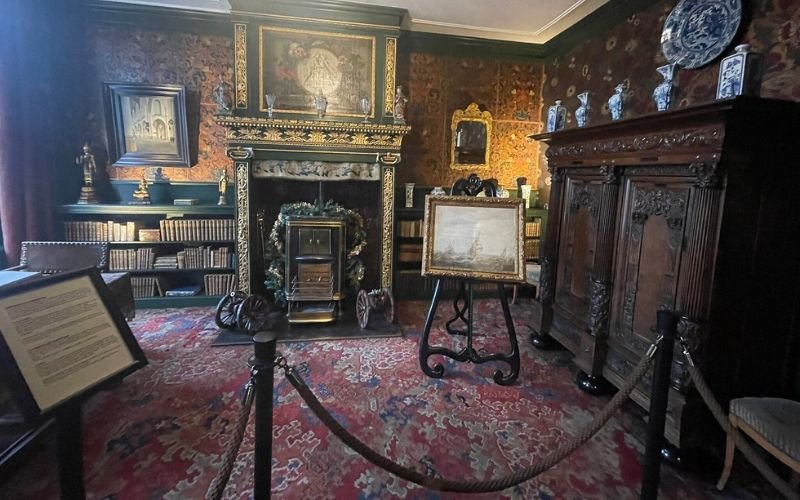
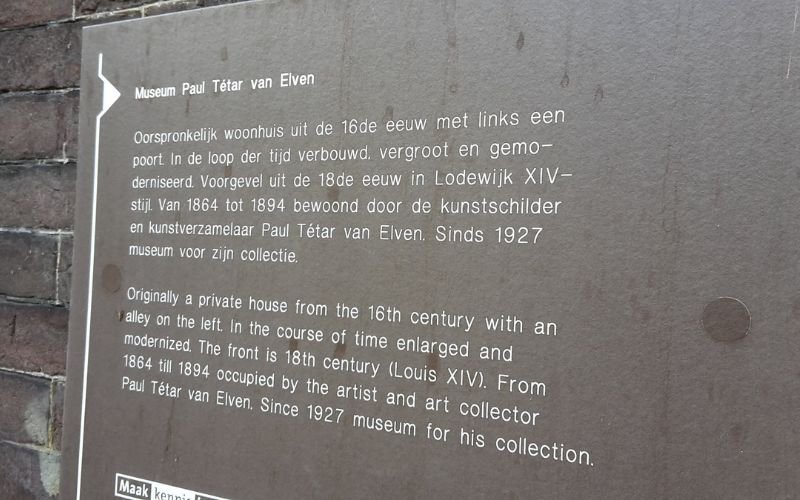
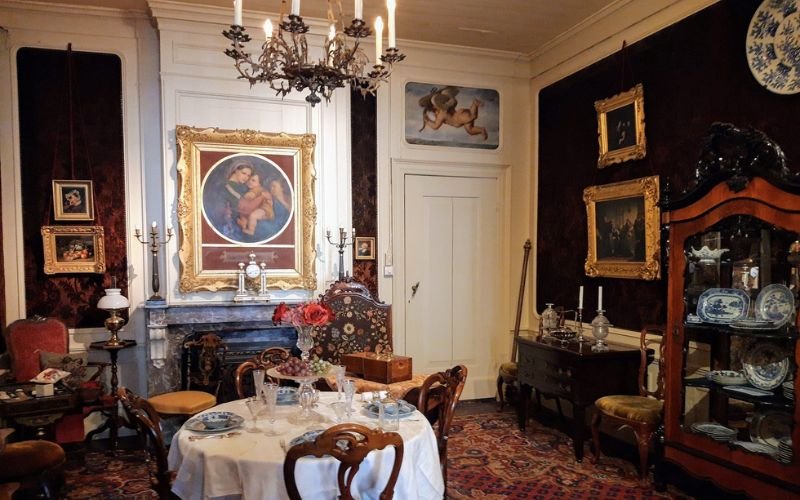
This charming house museum truly feels like a hidden gem. The Paul Tetar van Elven Museum preserves the artist’s personal objects, paintings and 19th‑century interiors almost exactly as he left them, creating an intimate, atmospheric experience that feels like stepping into a time capsule.
We joined the guided tour (included in the ticket), which takes place inside Van Elven’s former home. Although the house has been altered since his death, it still offers a vivid sense of how he lived and worked. Dating back to the 1500s, the building itself is full of character — creaking floors, historic details and a warm lived‑in charm. Our guide was knowledgeable, animated and clearly passionate, which made the visit even more engaging.
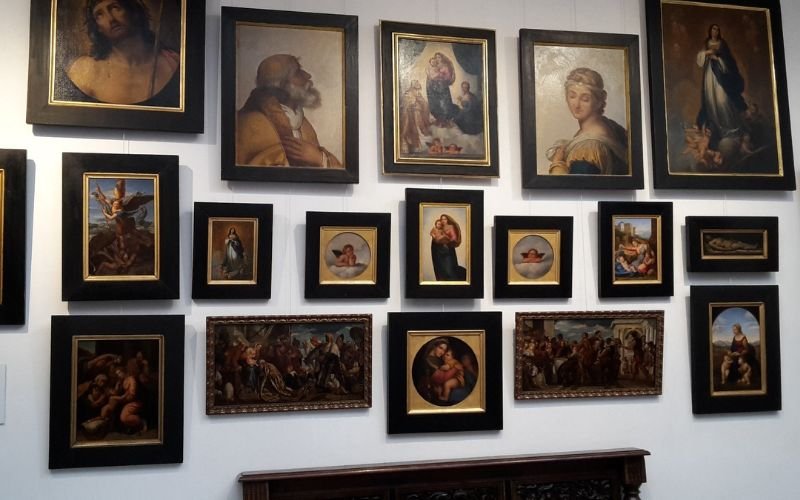
Van Elven spent much of his career painting portraits for wealthy clients and producing meticulous copies of famous artworks. Seeing these pieces in the intimate setting of his home adds a special layer of appreciation. We genuinely enjoyed discovering the story of this lesser‑known Dutch artist and exploring the beautifully preserved world he left behind.
Address – Koornmarkt 67, 2611 EC Delft, Netherlands
Lambert van Meerten Museum (Huis Lambert van Meerten)
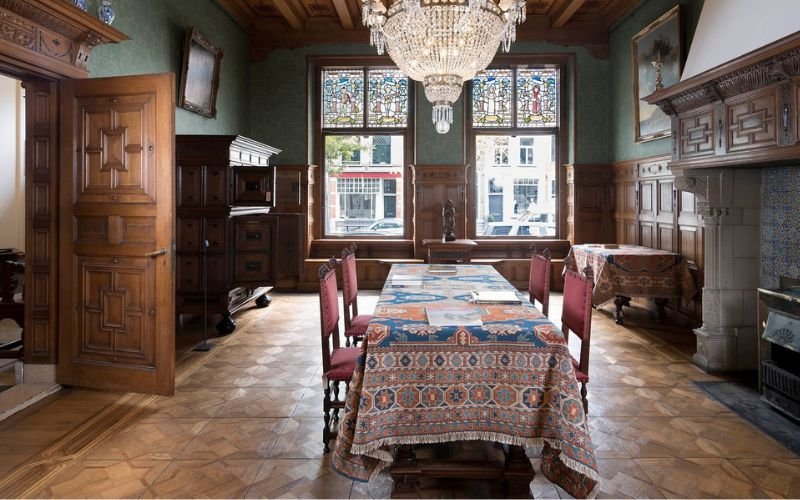
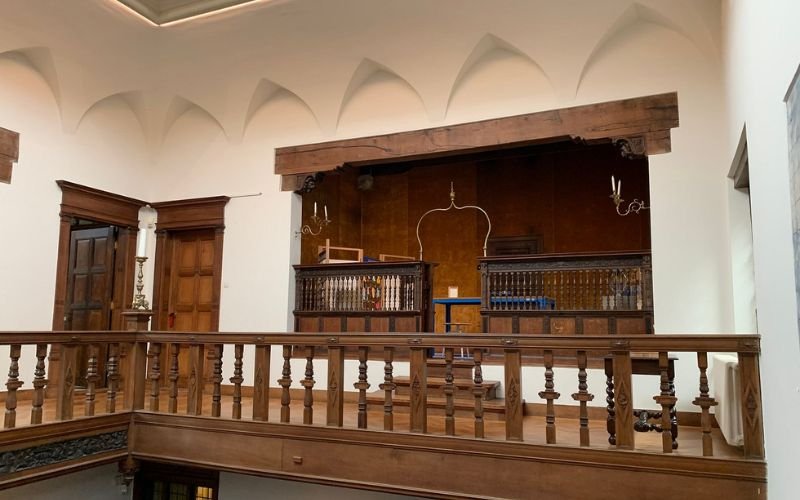
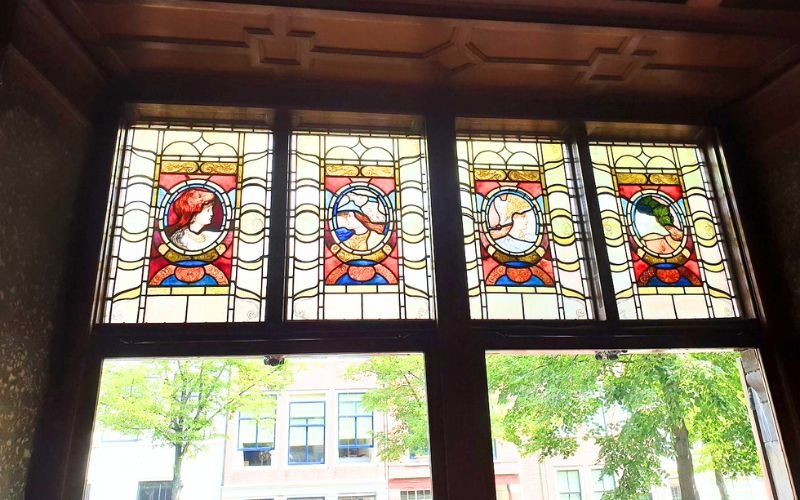
This museum is a celebration of decorative arts — think stained glass, carved wood, tiles, and architectural fragments collected by Lambert van Meerten, a passionate 19th‑century art lover.
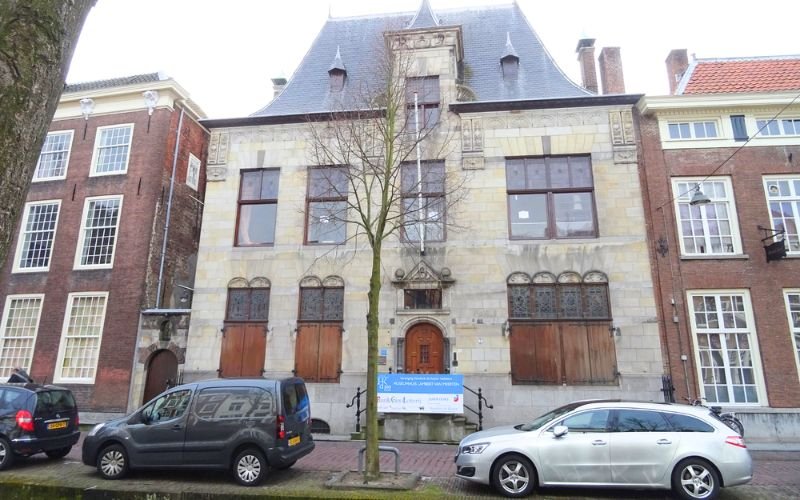
The building itself is stunning, designed in neo-Renaissance style and filled with Delft’s artistic heritage.
After a short introduction on the audio guide, you’re free to wander through this beautiful museum at your own pace. One of the nicest touches is that you’re encouraged to interact with the exhibits — you can actually touch many of the objects as you explore. And to finish your visit, you’re treated to a complimentary cup of tea or coffee!
Address – Oude Delft 199, 2611 HD Delft, Netherlands
Frequently Asked Questions About Visiting Delft
Is Delft worth visiting?
Absolutely. Delft is one of the most charming cities in the Netherlands, known for its picturesque canals, historic churches, beautiful market square and world-famous Delft Blue pottery. It’s compact enough to explore in a day while offering plenty of history, culture and excellent cafés.
Can you visit Delft on a budget?
Yes. There are plenty of free things to do in Delft, including wandering around Markt Square, walking along the canals, visiting Maria van Jessekerk, exploring Beestenmarkt, photographing the Oostpoort city gate and browsing the Delft Blue pottery shops.
What is Delft famous for?
Delft is best known for its iconic Delft Blue pottery, its association with the painter Johannes Vermeer, its historic canals, and the Nieuwe Kerk, where members of the Dutch Royal Family are buried. The city is also home to the prestigious Delft University of Technology (TU Delft).
How much time do you need in Delft?
Most visitors can see the main attractions in one day. However, if you’d like to visit museums, climb church towers, browse the Saturday market or enjoy the cafés, spending two days in Delft allows for a more relaxed experience.
What is the best free thing to do in Delft?
One of the best free activities is simply wandering through Delft’s historic centre. Walking around Markt Square, exploring the canals, visiting Beestenmarkt and admiring landmarks like the Oude Kerk, City Hall and Oostpoort lets you experience much of the city’s beauty without spending any money.
Is Delft walkable?
Yes. Delft is a very walkable city, with most major attractions located within a 10–15 minute walk of each other. The compact historic centre makes it easy to explore on foot.
Is Delft better than Amsterdam?
Delft and Amsterdam offer very different experiences. Amsterdam is larger, busier and packed with world-famous museums, while Delft offers a quieter atmosphere, beautiful canals, historic architecture and fewer crowds. Many travellers enjoy visiting Delft as a peaceful alternative or day trip from Amsterdam.
Can you visit Delft as a day trip from Amsterdam?
Yes. Delft is one of the easiest day trips from Amsterdam. Direct trains take around one hour, making it possible to explore the city’s historic centre, canals and attractions in a single day before returning to Amsterdam.
Is the Oude Kerk free to visit?
The exterior of the Oude Kerk is free to admire, but there is an admission fee to enter the church. Inside you’ll find impressive stained-glass windows, historic pipe organs and the famous leaning tower.
Why is the Oude Kerk leaning?
The Oude Kerk’s tower leans because part of its foundations were built over a former canal. During construction, the unstable ground caused the tower to sink, leaving it leaning almost two metres off centre. Today it has been fully stabilised and remains one of Delft’s most recognisable landmarks.
Can you go inside Delft City Hall?
Delft City Hall is still used by the local government and regularly hosts weddings, so public access is limited. However, the building’s beautiful Renaissance architecture can be admired from Markt Square and is one of the city’s most photographed landmarks.
What is the Oostpoort in Delft?
The Oostpoort is the last remaining medieval city gate in Delft. Built around 1400, it once served as one of the city’s main entrances and is now one of Delft’s most photographed landmarks. Although visitors can’t enter the building, it’s well worth seeing from the outside.
When is the Delft market?
Delft hosts a weekly market every Thursday, while Saturdays feature a larger market with antiques, vintage items, books, ceramics, clothing, fresh produce and street food. The Saturday market is especially popular with both locals and visitors.
Is Maria van Jessekerk free to visit?
Yes. Maria van Jessekerk is free to enter when it’s open to visitors. The beautiful Neo-Gothic church features ornate interiors, colourful stained glass and impressive vaulted ceilings, making it one of Delft’s best free attractions.
Can you buy authentic Delft Blue pottery in Delft?
Yes. Delft is the birthplace of Delft Blue pottery, and you’ll find numerous shops selling authentic hand-painted ceramics throughout the city. Even if you don’t plan to buy anything, browsing the beautiful displays is well worth your time.
Is TU Delft worth visiting?
Yes. The TU Delft campus offers an interesting contrast to the city’s medieval centre. Visitors can admire its modern architecture, public art and the famous library with its grass-covered roof, making it a worthwhile stop for architecture enthusiasts.
What is the best area to stay in Delft?
The historic city centre is the most popular place to stay, offering easy access to Markt Square, the canals, restaurants, churches and the city’s main attractions, all within walking distance.
What is the best time to visit Delft?
Spring and summer are the most popular times to visit Delft, when outdoor cafés, canal walks and public squares are at their liveliest. If you’re visiting on a Saturday, you’ll also be able to enjoy the city’s bustling weekly market.