
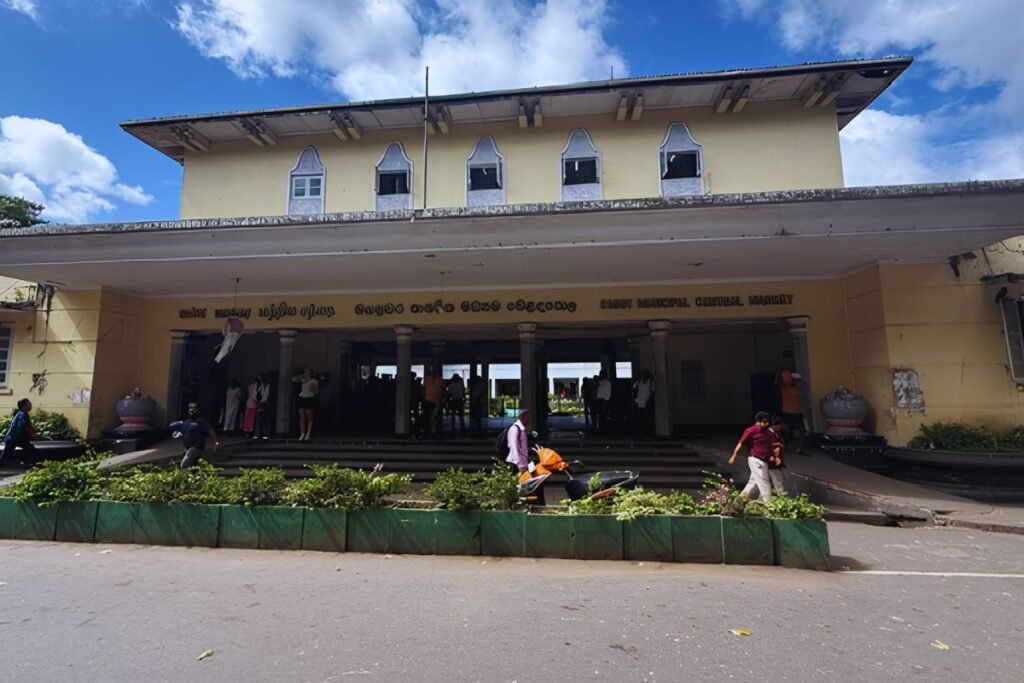
Originally a small trading hub, the Kandy Municipal Central Market has grown into one of the city’s busiest commercial centres. Built in 1875, it has supported generations of farmers, artisans, and traders, becoming a core part of daily life in Kandy and a reliable place for visitors to experience authentic Sri Lankan culture.
The market is where locals shop for produce, spices, clothing, and household essentials. It’s loud, colourful, and full of activity — a genuine look at how the city functions.
It is the perfect place to explore Sri Lankan flavours, pick up affordable goods, and experience a market that feels real and unfiltered.
This post may contain affiliate links. If you make a purchase, we may earn a small commission at no extra cost to you. Our goal is to provide valuable and helpful content, and any commissions help us to mantain this site.
Contents
ToggleGet your Sri Lanka Essentials!
- Find cheap flights to Sri Lanka
- Find hotels or hostels for Kandy
- Find activites and tours for Kandy
- Get an eSIM for Sri Lanka. Use our code ‘TBTravellers to receive 5% OFF any eSIM!
What To Expect at Kandy Central Market
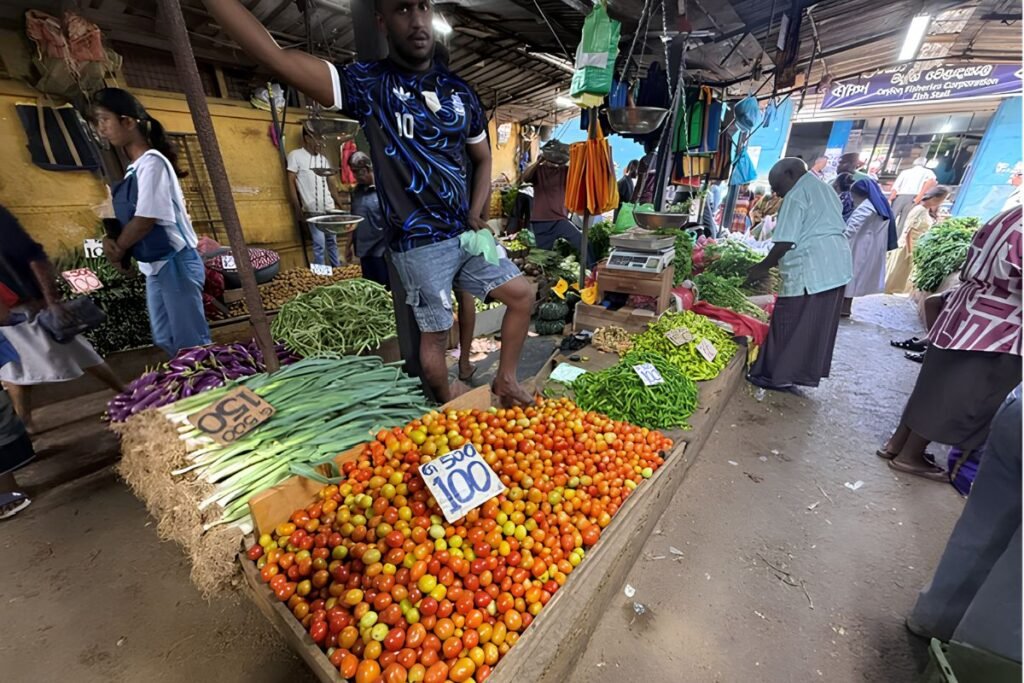
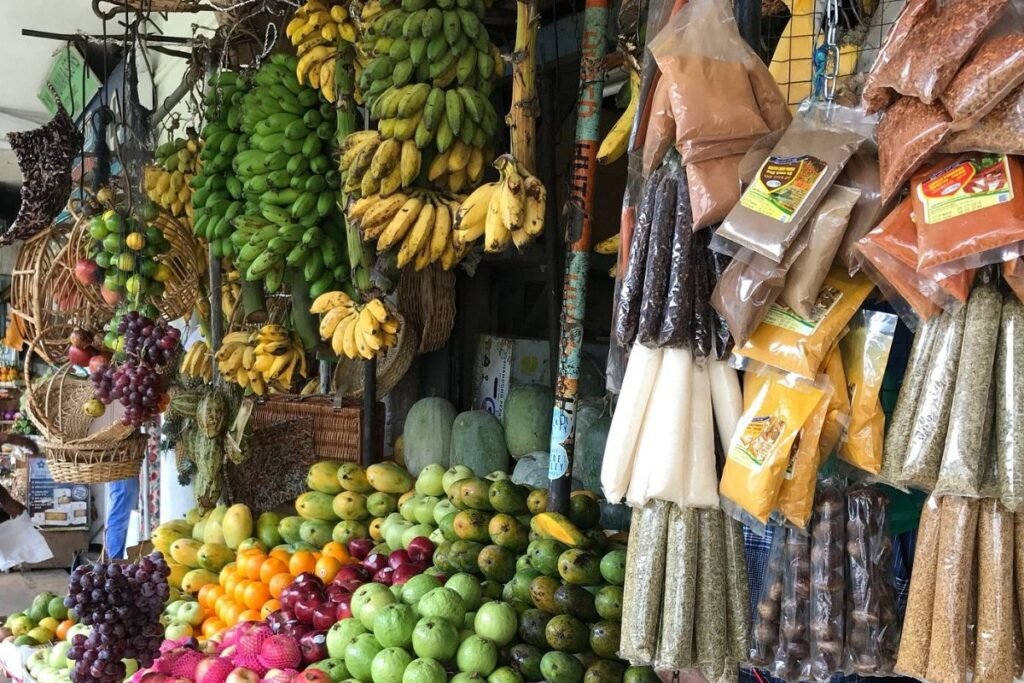
The market is a lively, fast‑moving market filled with colourful produce, the scent of fresh spices, narrow aisles packed with shoppers, and vendors calling out from stalls selling everything from fruit and textiles to handmade crafts — giving you a close‑up look at everyday life in Kandy.
The market is organised into distinct sections, which makes browsing straightforward and helps you quickly locate the stalls you’re interested in.
Fresh Produce & Fruit Stalls
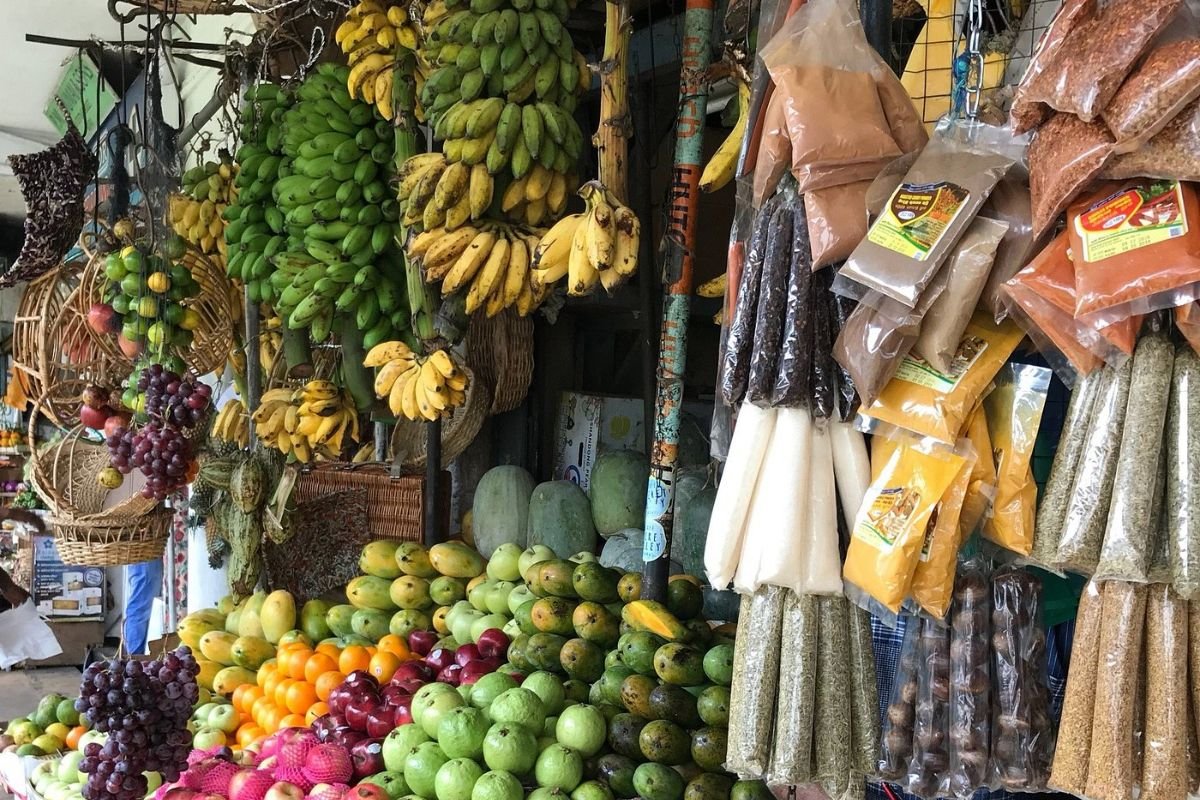
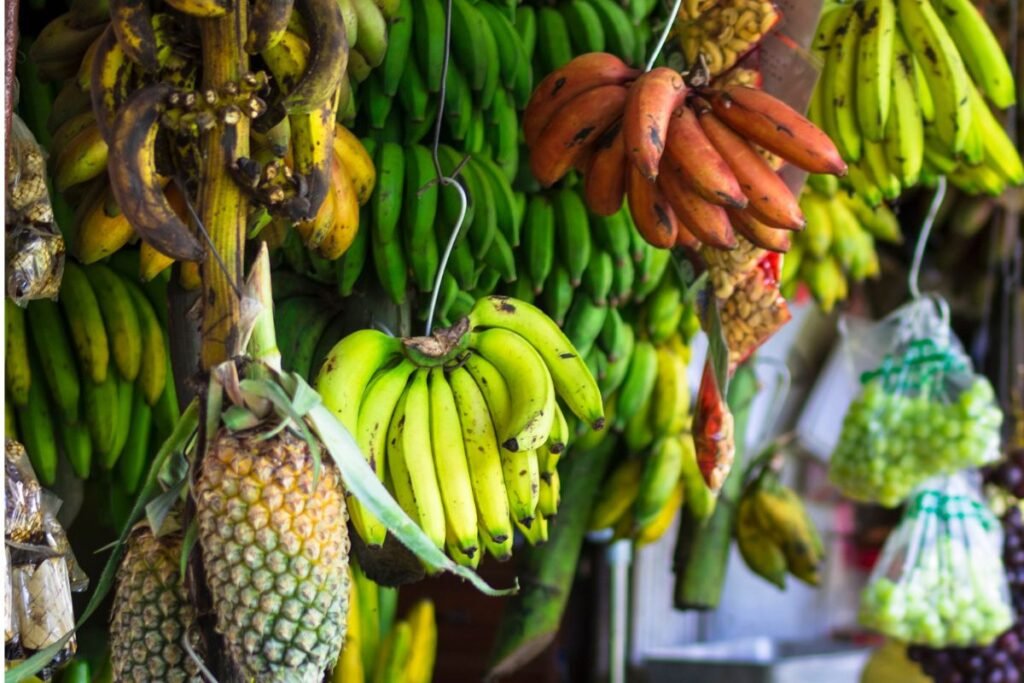
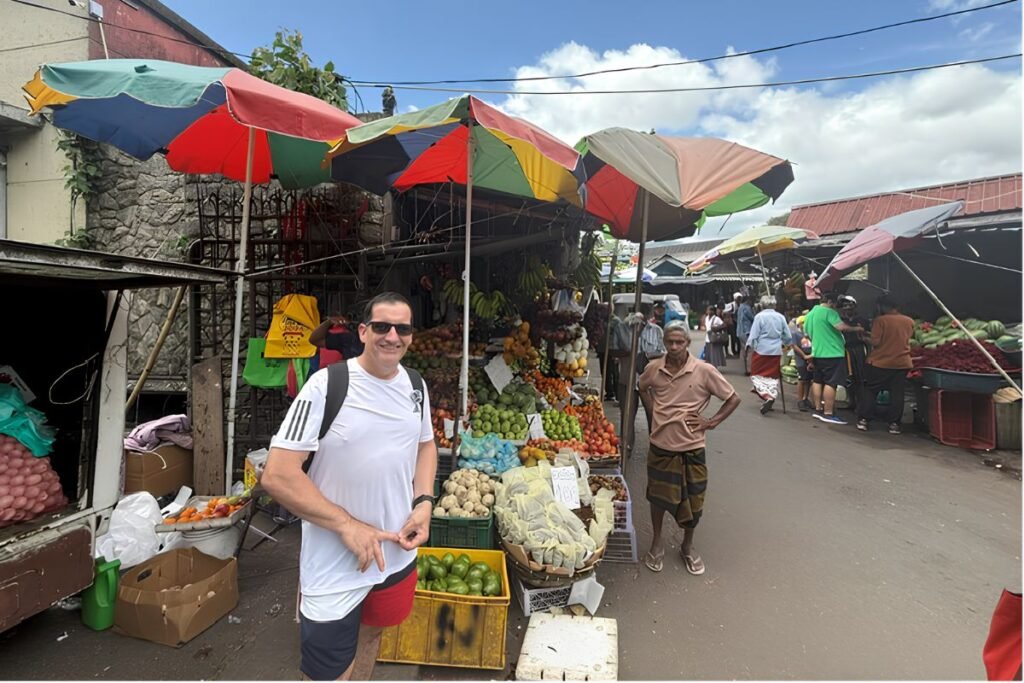
Expect rows of vendors selling seasonal fruit and vegetables, including mangoes, king coconuts, rambutans, mangosteens, and wood apples. Many stallholders will offer samples, making it easy to try something new before you buy.
Spice Shops
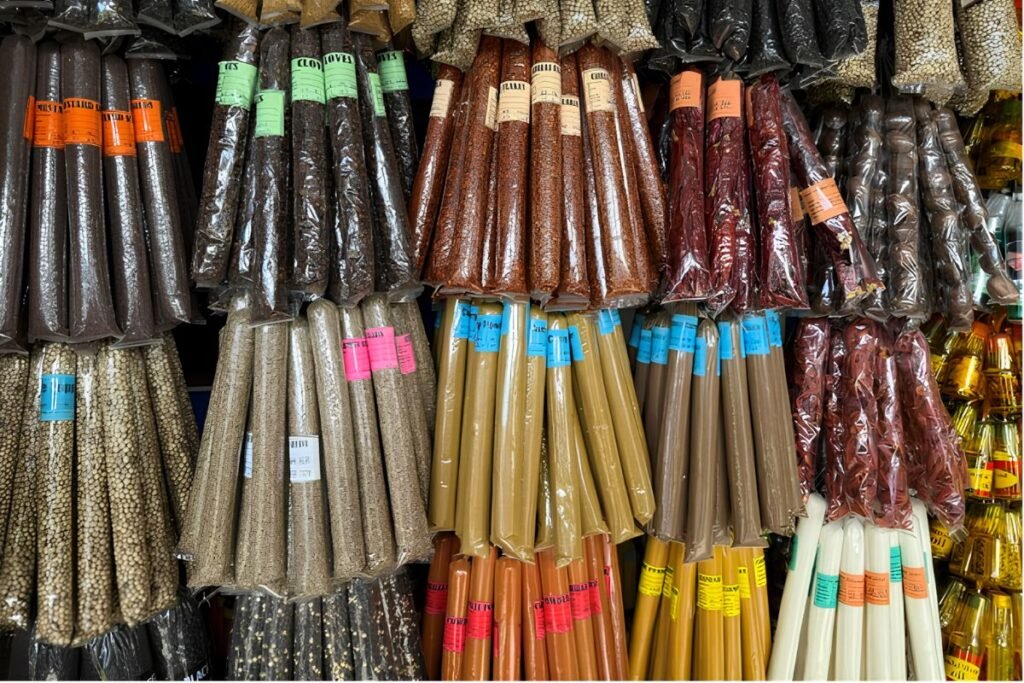
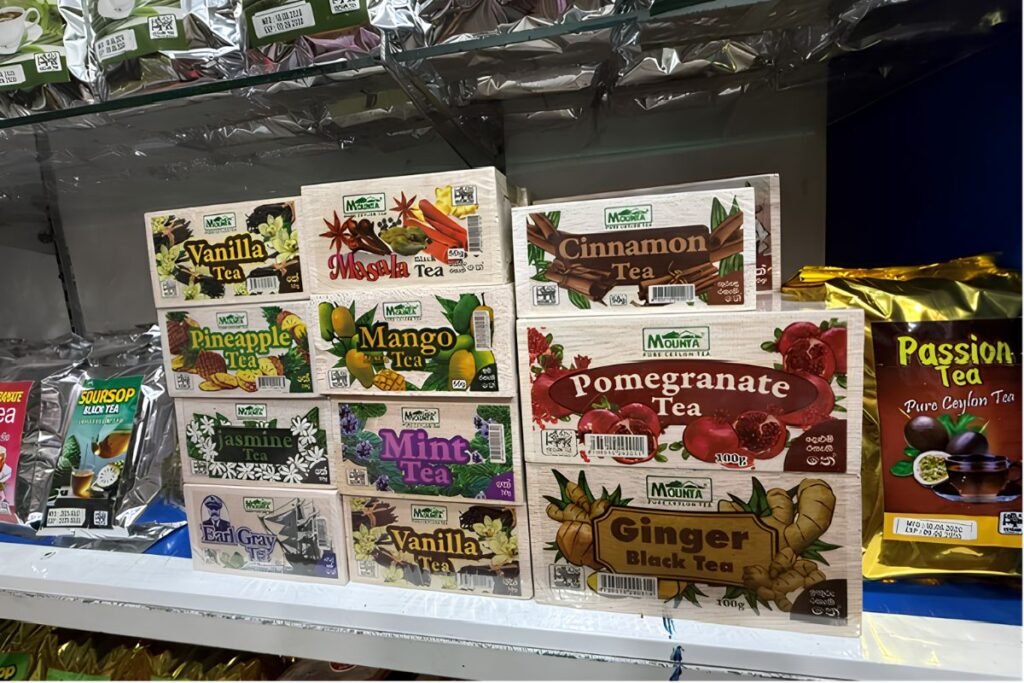
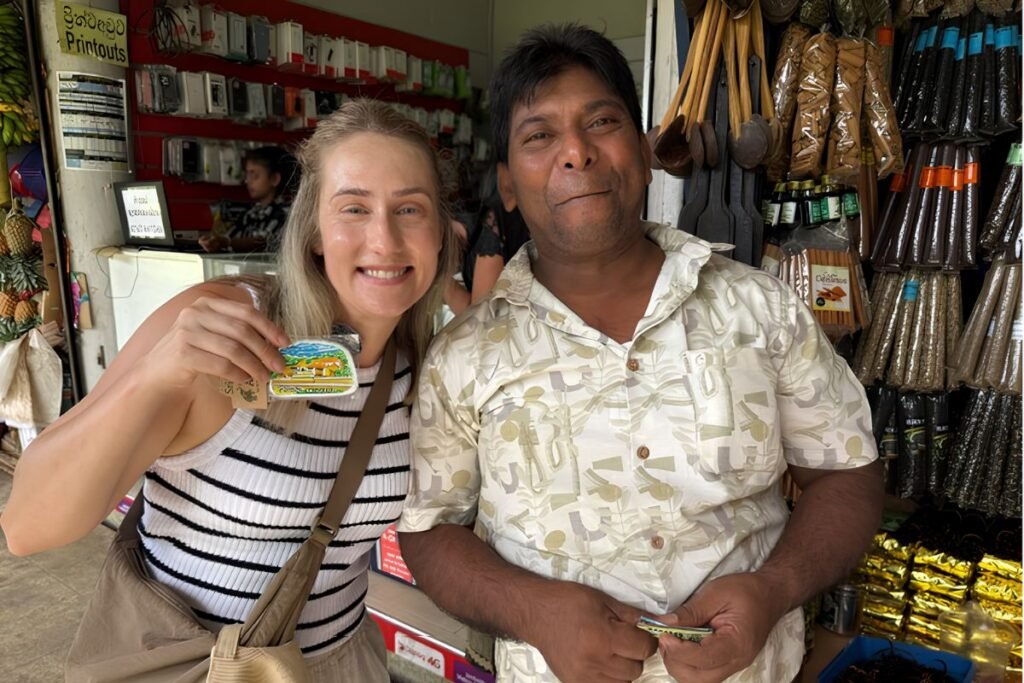
Sri Lanka’s spice heritage is on full display here. You’ll find Ceylon cinnamon, cloves, cardamom, nutmeg, curry powders, chilli blends, and turmeric. Most shops can vacuum‑seal your spices for travel, and some grind blends fresh on request.
Local Snacks & Street Food
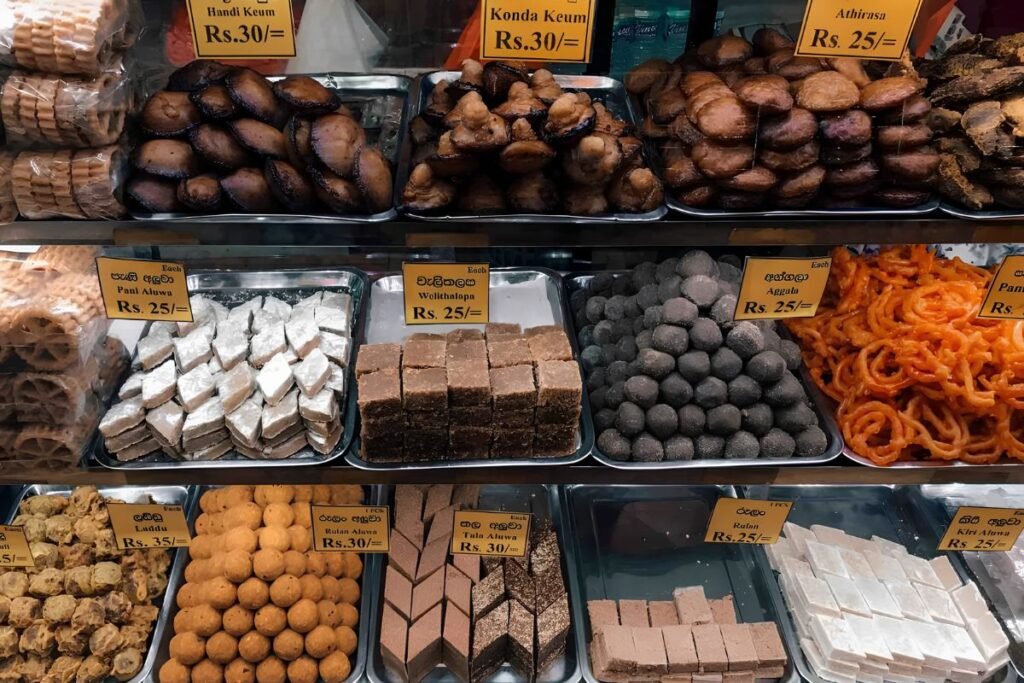
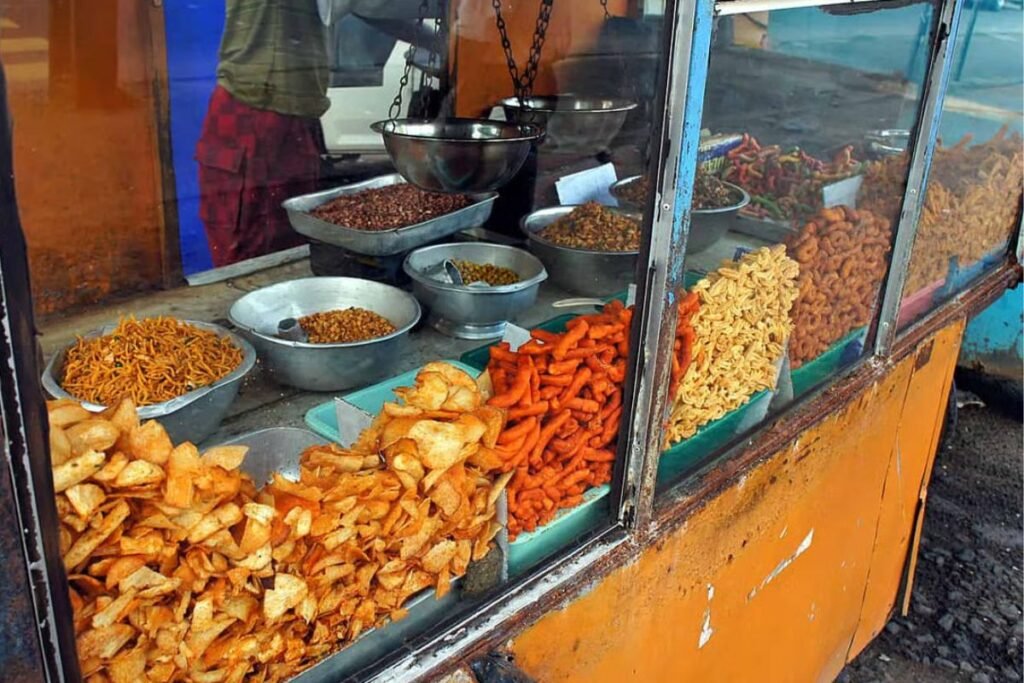
Small snack stalls sell traditional Sri Lankan bites such as murukku, jaggery, fried mixes, sesame sweets, and short eats. Prices are low, and it’s a great way to taste everyday local flavours.
Clothing & Textiles
This section includes affordable clothing, sarongs, dresses, shirts, and hand‑loomed fabrics. You’ll also find batik pieces and lightweight items suited to Sri Lanka’s climate.
Handicrafts & Souvenirs
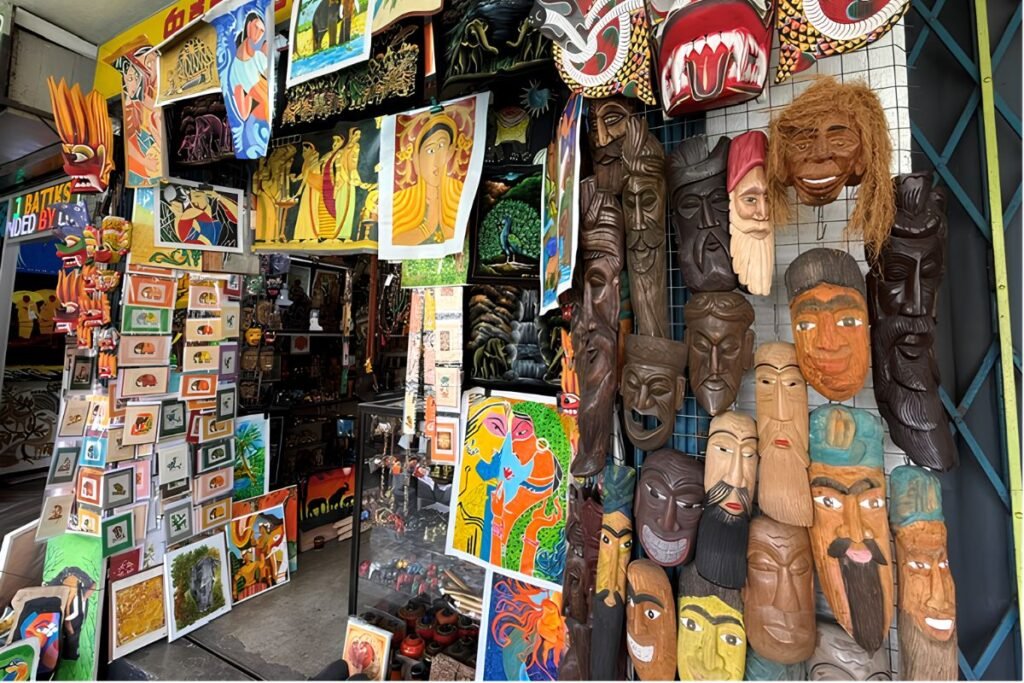
Expect wooden carvings, masks, small Buddha statues, tea sets, and colourful trinkets. Prices are generally better than the tourist‑focused shops around Kandy Lake, making it a good spot for souvenirs.
Location and How To Get There
Kandy Central Market is located right in the middle of the city, making it easy to reach during your time in Kandy. You’ll find it just a short walk from several major landmarks, including the Kandy Clock Tower and the main bus station. Because it sits in the commercial hub, the area is always active with shoppers, tuk‑tuks, and local vendors.
Getting There by Tuk‑Tuk
Tuk‑tuks are the quickest and most convenient way to reach the market. You can flag one down anywhere in the city or use ride‑hailing apps like PickMe. The ride is usually only a few minutes from most hotels around the lake or the hills, and fares are inexpensive. Just mention “Kandy Central Market” and drivers will know exactly where to go.
Walking to the Market
If you’re staying near Kandy Lake, the Temple of the Tooth, or the city centre, walking is a great option. The market is roughly a 5–10 minute walk from the lake area, and the route takes you through busy streets lined with shops, bakeries, and small cafés. Bbe prepared for uneven footpaths and plenty of traffic!
By Bus
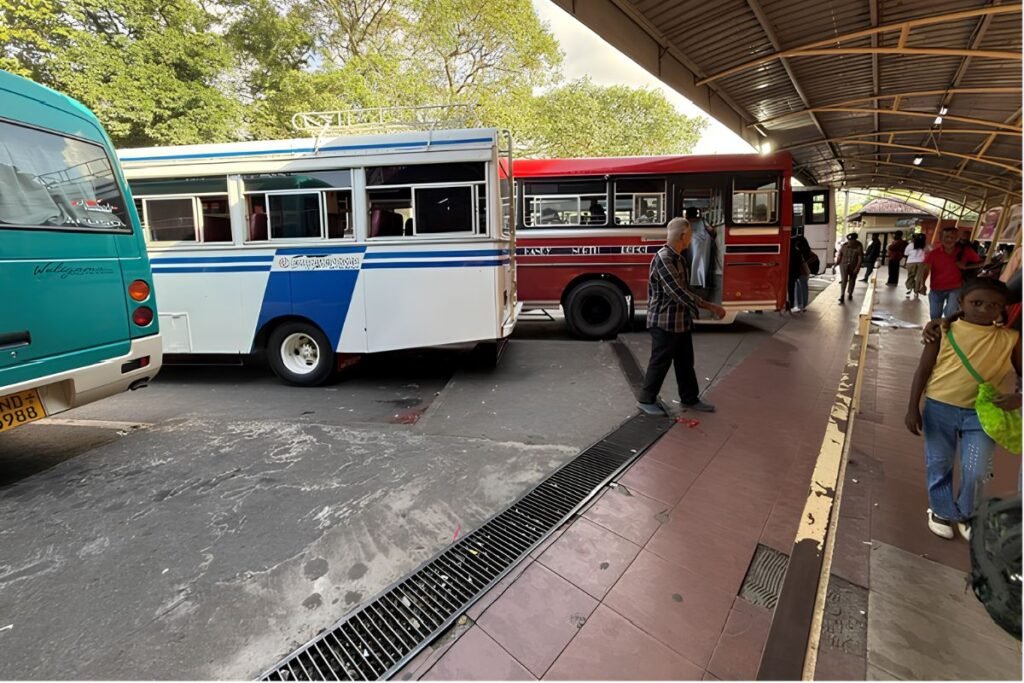
The market is right next to Kandy’s main bus station, so it’s extremely accessible if you’re arriving from nearby towns or suburbs. Once you step off the bus, it’s only a short walk to the entrance.

Best Time To Visit Kandy Central Market
Morning (8:00 AM – 10:30 AM)
This is the ideal time as the market is cooler, less crowded, and vendors are just setting up for the day. Produce is at its freshest, spice shops are well‑stocked, and you can move through the aisles without the midday rush. If you prefer a calmer, more comfortable experience, morning is your best choice.
Late Morning to Early Afternoon (10:30 AM – 1:00 PM)
The market becomes noticeably busier as locals arrive to shop. Expect more noise, more movement, and tighter spaces — but also more atmosphere. This is when the market feels most “alive,” with vendors calling out, shoppers negotiating, and the full energy of Kandy on display. It’s a great time for travellers who enjoy immersive, bustling environments.
Afternoon (1:00 PM – 4:00 PM)
By early afternoon, the heat picks up and the market becomes more crowded. Some produce stalls begin to wind down, but spice shops, clothing vendors, and snack stalls remain active. If you visit during this time, be prepared for warmer conditions and heavier foot traffic.
Evening (After 4:00 PM)
The market gradually quiets as vendors pack up. Some sections close earlier than others, so it’s not the best time for a full experience. However, if you’re nearby and want a quick walk‑through, you’ll still find a few stalls open.
Tips For Visiting Kandy Central Market
Visiting Kandy Central Market is a fun and immersive experience, but a few practical tips can make your visit smoother, safer, and more enjoyable. Here’s what to keep in mind before you go.
Go Early
Mornings are cooler, quieter, and more comfortable. Produce is freshest, spice shops are fully stocked, and you’ll avoid the midday crowds. If you prefer a calmer experience, aim to arrive between 8:00 AM and 10:30 AM.
Carry Small Cash
We found some vendors didn’t accept cards, and many items cost only a few hundred rupees. Small notes make transactions quicker and help avoid the “no change” situation that’s common in busy markets.
Negotiate Politely
Bargaining is normal in Sri Lankan markets, especially for clothing, souvenirs, and some spices. Keep it friendly and respectful — a smile goes a long way. If a price feels too high, you can simply thank the vendor and walk away.
Taste Before You Buy
Fruit vendors often offer samples, and spice sellers may let you smell or touch blends before purchasing. It’s a great way to discover new flavours and make sure you’re getting what you want.
Ask About Spice Freshness
Sri Lankan spices vary in quality. Ask vendors when their blends were ground, whether they can vacuum‑seal your purchase, and if they offer fresher batches. Freshly ground cinnamon or curry powder is worth the extra rupees.
Stay Aware of Your Belongings
The market is busy, especially late morning and early afternoon. Keep bags zipped, phones secure, and backpacks worn on the front if the aisles feel crowded. It’s not unsafe — just busy.

Support Small Vendors
Many stalls are run by local families who rely on daily sales. Buying fruit, spices, or small souvenirs directly from them helps support the community and often gives you a more personal experience.
Be Mindful When Taking Photos
The market is photogenic, but always ask before photographing people. Most vendors are happy to be included, especially if you show interest in their products first.
Stay Hydrated
It can get warm inside the market, especially in the early afternoon. Bring a bottle of water or pick up a king coconut from a nearby stall for a refreshing drink.
Wear Comfortable Shoes
You’ll be walking on uneven floors, narrow aisles, and occasionally wet surfaces near produce stalls. Comfortable footwear makes the experience much easier.



Pingback: ✅Visiting The Temple Of The Tooth In Kandy: A Practical Guide - twobudgettravellers.com