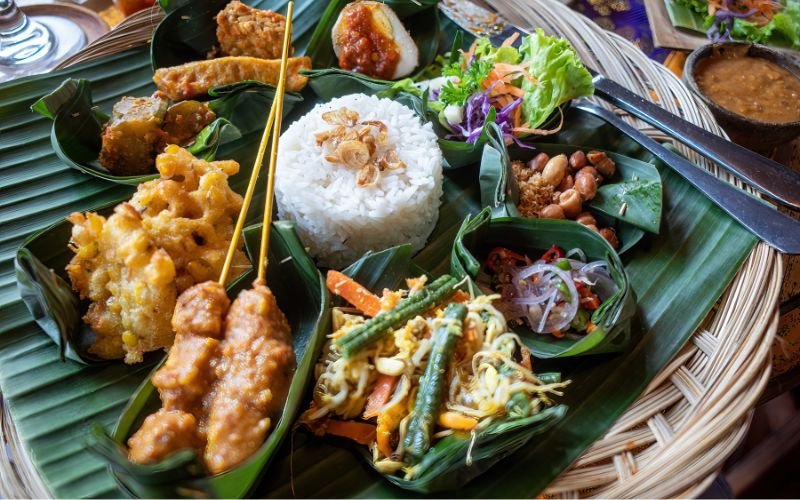
One of the best parts of travelling through Bali is diving into its rich, flavour‑packed authentic cuisine. Balinese food is bold, aromatic and deeply rooted in ceremony and tradition. Whether you’re eating at a warung, a street‑side stall, or a local family restaurant, these dishes offer a true taste of the island.
Here’s your essential guide to the must‑try traditional Balinese dishes.
This post may contain affiliate links. If you make a purchase, we may earn a small commission at no extra cost to you. Our goal is to provide valuable and helpful content, and any commissions help us to mantain this site.
Contents
ToggleGet your Bali Essentials!
- Find cheap flights to Bali
- Find hotels or hostels for Bali
- Find activites and tours for Bali
- Get an eSIM for Bali. Use our code ‘TBTravellers to receive 5% OFF any eSIM!
What is Balinese Cuisine?
Balinese cuisine is the traditional food of Bali, shaped by the island’s Hindu culture, community rituals and an abundance of fresh local ingredients.
At its core, Balinese cooking is all about spice pastes (bumbu), which blend shallots, garlic, turmeric, ginger, galangal, chilies, and lemongrass into rich, fragrant bases for many dishes. Coconut, banana leaves, and fresh herbs play a huge role too, giving Balinese food its signature depth and aroma.
You’ll find a mix of flavours — spicy, sweet, smoky, and citrusy — often all in one dish. Meat, fish, and vegetables are commonly grilled, steamed, or slow‑cooked, and rice is the centrepiece of almost every meal.
Local Food Translations
Learning a few basic food words makes eating in Bali so much easier — and a lot more fun. Many dishes use simple Indonesian terms that appear again and again on menus, street‑food signs, and warung boards. Here are the essentials:
Nasi — rice
Mie — noodles
Ayam — chicken
Ikan — fish
Daging — meat
Sapi — beef
Babi — pork
Udang — prawns/shrimp
Telur — egg
Sayur — vegetables
Useful menu words:
Campur — mixed/combination
Lilit — wrapped around (as in sate lilit)
Betutu — slow‑cooked with Balinese spice paste
Sambal — chili sauce
Matah — raw/fresh (as in sambal matah)
Tipat — rice cake
Jinggo — small portion
Nasi Goreng
No trip to Bali is complete without trying nasi goreng, Indonesia’s beloved fried rice dish that’s eaten for breakfast, lunch, dinner.
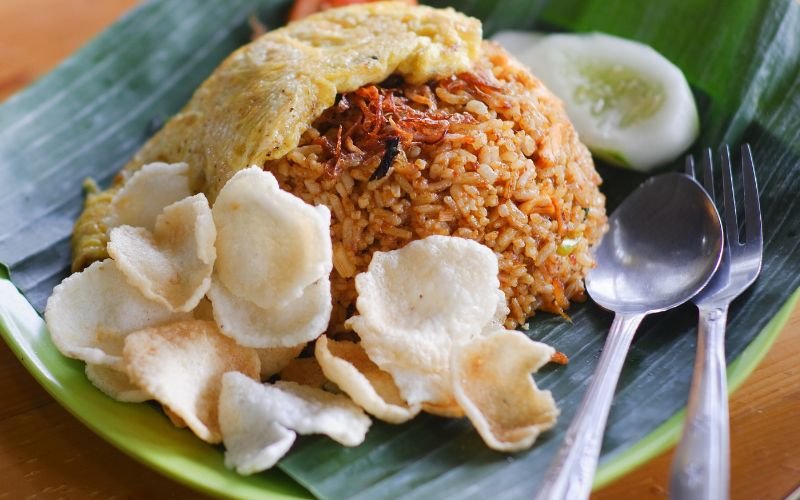
Balinese nasi goreng is typically made with day‑old rice stir‑fried with sweet soy sauce (kecap manis), garlic, shallots, chilies, and a mix of vegetables. Depending on where you order it, you might find it topped with a fried egg, served with prawn crackers, or paired with chicken satay on the side.
Where to try it – local warungs, beachside cafes and tiny roadside stalls. For the most authentic experience, try it at a local warung where it’s cooked fresh in a sizzling wok right in front of you.
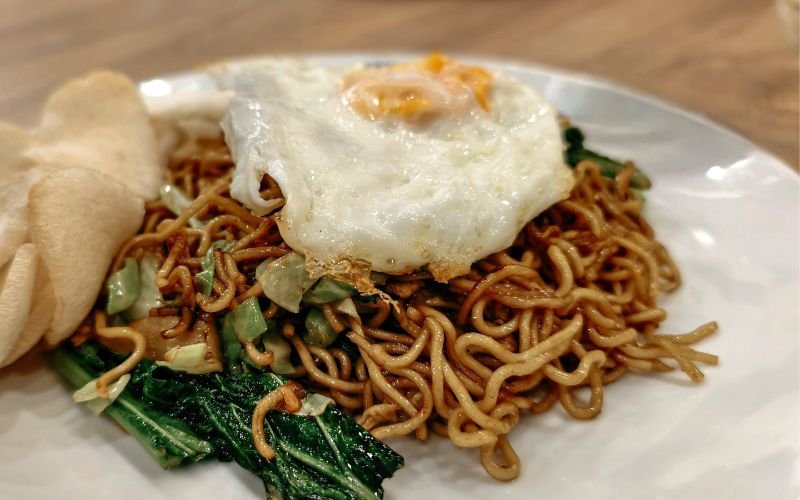
Mi Goreng
If nasi goreng is Indonesia’s comfort‑food king, then mie goreng is its equally beloved noodle‑loving sibling.
Mie goreng is made with springy yellow noodles stir‑fried in a hot wok with garlic, shallots, vegetables, sweet soy sauce (kecap manis), and a choice of chicken, prawns, or tofu. Most servings come topped with a fried egg, a handful of prawn crackers, and a generous spoonful of sambal on the side so you can dial up the heat.
Where to try it – nearly every warung serves it across Bali
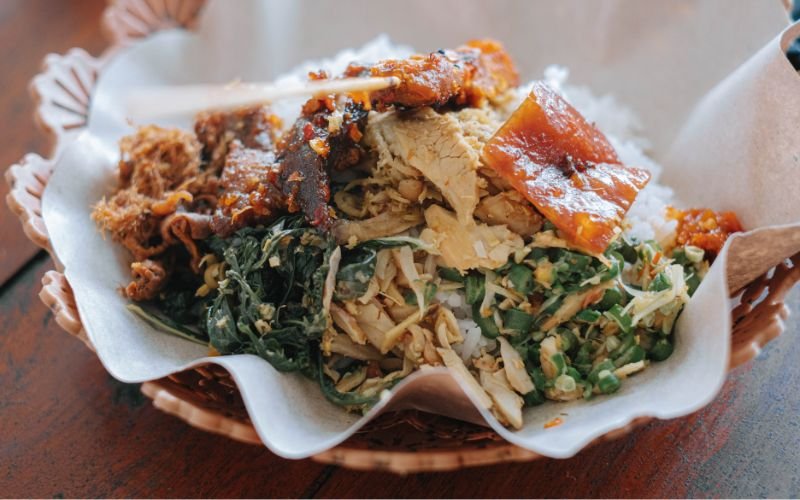
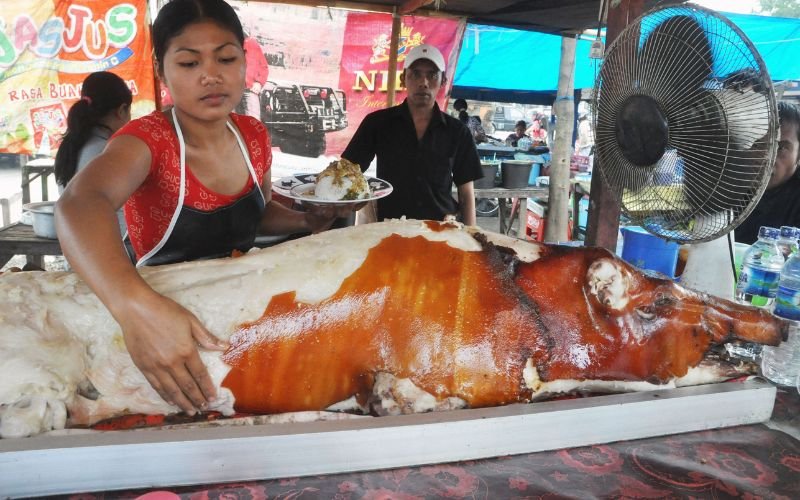
Babi Guling (Suckling Pig)
Babi guling is Bali’s most iconic dish — a whole suckling pig marinated in turmeric, garlic, coriander seeds, lemongrass, and other local spices, then spit‑roasted until the skin is perfectly crispy. It’s usually served with rice, crackling, spicy vegetables and lawar.
It’s Bali’s most famous ceremonial dish, traditionally served at temple celebrations and family gatherings.
Where to Try – Ubud and Gianyar are known for the best babi guling, especially at small, family‑run warungs.
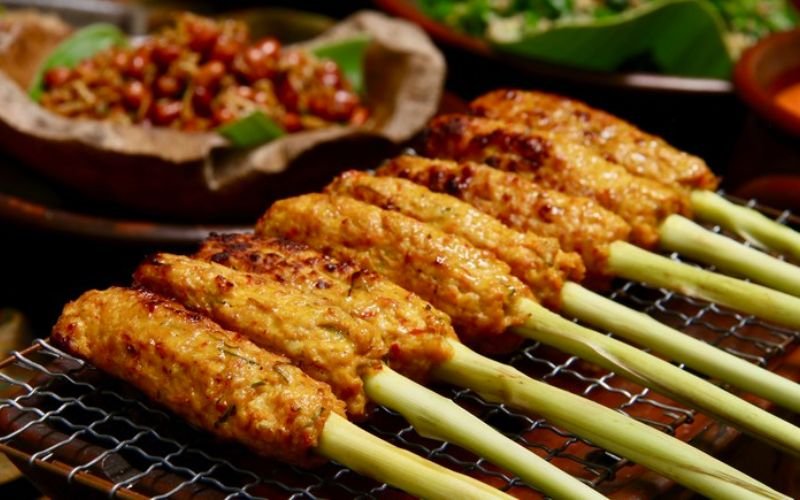
Sate Lillit
Sate lilit is Bali’s signature satay — minced fish or chicken mixed with coconut, lime leaves and spices, then wrapped around lemongrass sticks and grilled.
The lemongrass infuses the meat with a fresh, citrusy aroma, and the texture is juicy and tender. You’ll often find it served alongside rice, sambal matah, and other small Balinese side dishes, making it a perfect addition to a nasi campur plate.
Where to try – beachside warungs, night markets and traditional, authentic Balinese restaurants.
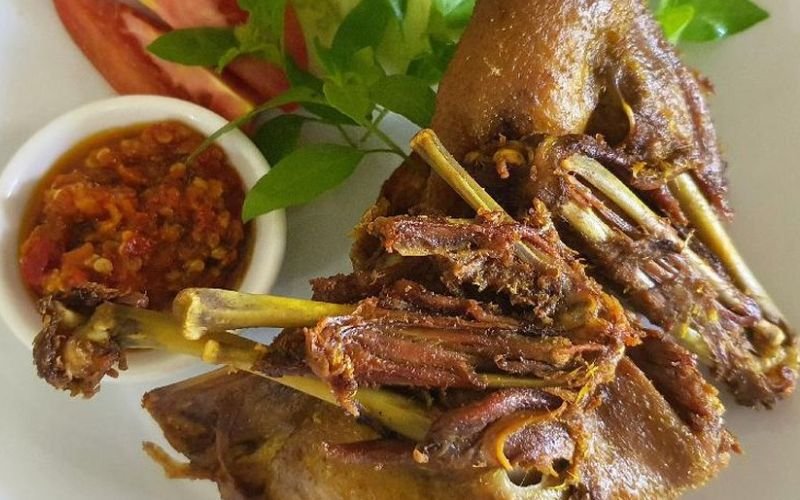
Bebek Goreng
Duck is a beloved ingredient in Balinese cuisine.
Bebek goreng is crispy fried duck, often served with sambal and rice.
Bebek betutu is slow‑cooked duck stuffed with spices, similar to ayam betutu but richer and more intense.
Both versions are flavourful and deeply satisfying!
Where to try – Ubud is known for its duck dishes, especially around the rice fields.
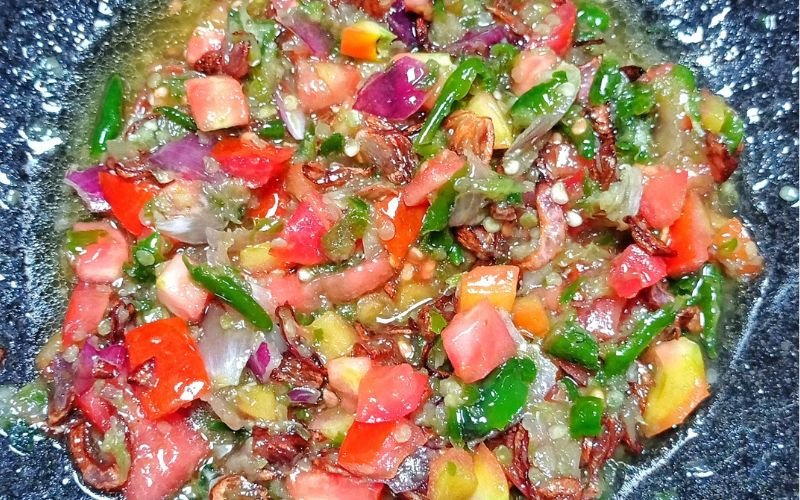
Sambal Matah
Sambal Matah is a simple mix of finely sliced shallots, lemongrass, kaffir lime leaves, chilies, and a splash of coconut oil often finished with a squeeze of lime. The result is a sambal that’s spicy, citrusy and very aromatic.
Unlike cooked sambals found elsewhere in Indonesia, sambal matah is made fresh, giving it a punchy, zesty character that’s uniquely Balinese.
Where to try it – Every Balinese warung has its own version, but the best is often found family‑run eateries where it’s made fresh each morning. You’ll also find it served generously with seafood in coastal areas like Jimbaran and Sanur.
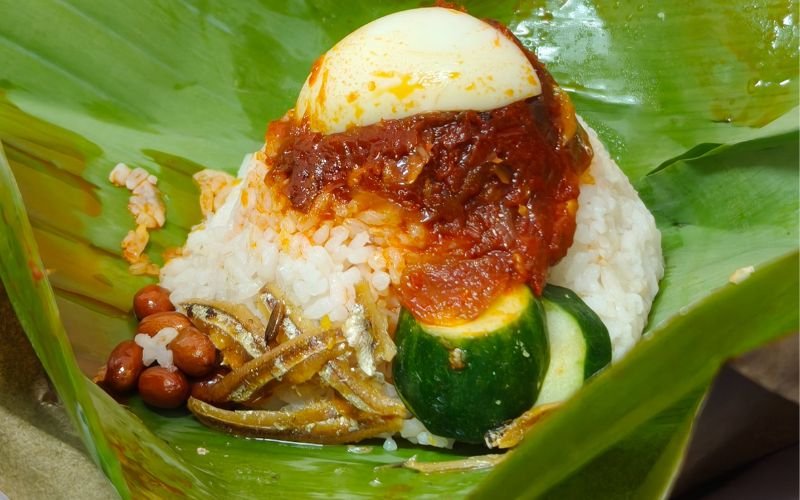
Nasi Jinggo
Nasi jinggo is one of Bali’s best budget eats — small rice packets wrapped in banana leaves and filled with chicken, noodles, sambal, and tempeh.
It’s cheap, delicious, and perfect for a quick snack on the go.
Where to try – street vendors and night markets.
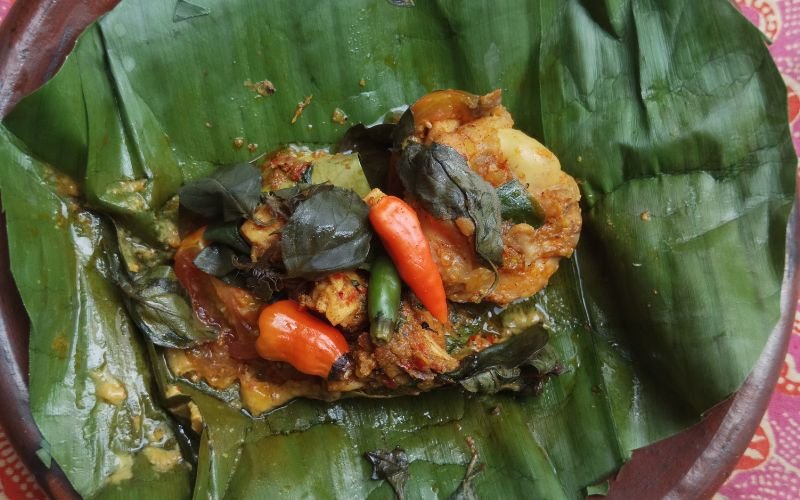
Pepes Ikan
Pepes ikan is fish marinated in spices, wrapped in banana leaves, and steamed or grilled. The banana leaf keeps the fish moist and infuses it with a subtle, herbal aroma.
It’s fragrant, tender, and perfect for seafood lovers.
Where to try – coastal warungs and seafood restaurants, particularily in Jimbaran.
Lawar
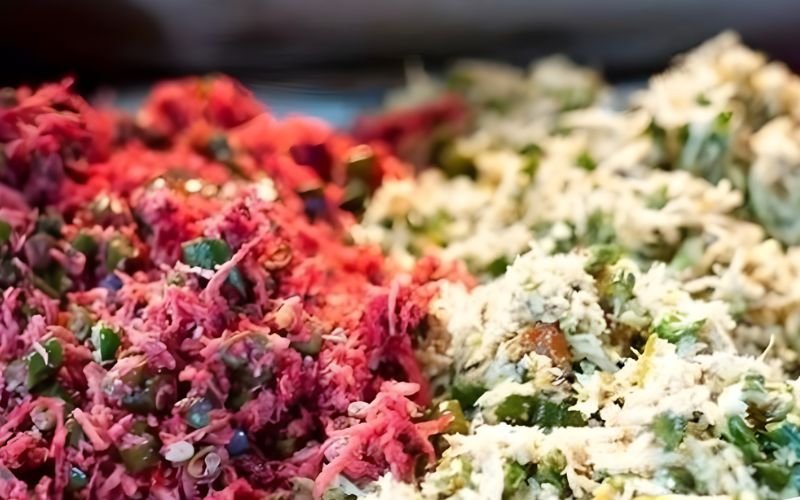
Lawar is a traditional mix of minced meat, grated coconut, long beans, herbs, and Balinese spices. Some versions include fresh pig’s blood for added richness (called lawar merah), while others are made without (lawar putih).
It’s usually served as part of a larger meal and offers a crunchy, savoury, slightly spicy bite.
Where to try – Local warungs serving Balinese set meals.
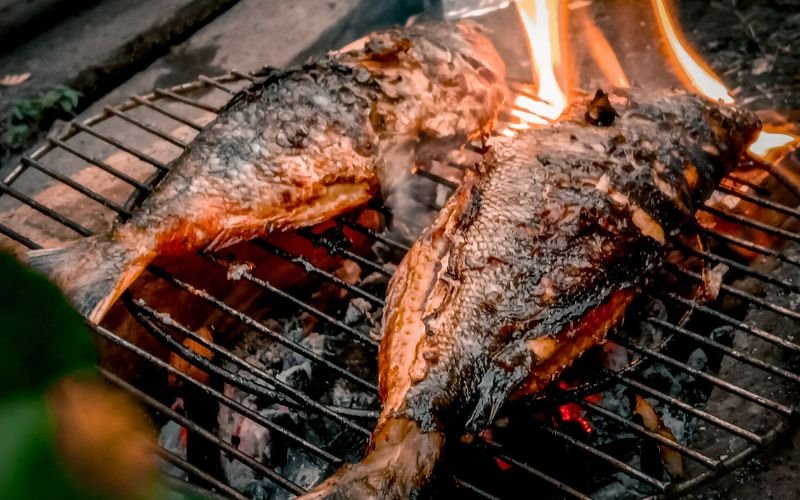
Ikan Bakar
Ikan bakar is Bali’s take on grilled fish — simple, smoky, and packed with flavour. The fish is marinated in a blend of turmeric, garlic, chilies, and sweet soy sauce before being grilled over charcoal, giving it a beautifully charred, caramelised crust. It’s usually served with rice, vegetables, and a generous spoonful of sambal matah or sambal kecap on the side.
Where to try – head to coastal areas like Jimbaran, Sanur or Amed where warungs grill the catch of the day right in front of you.
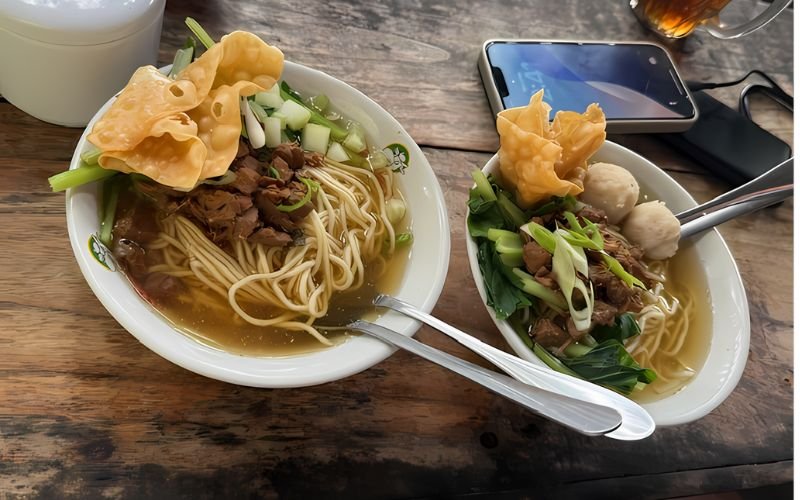
Bakso
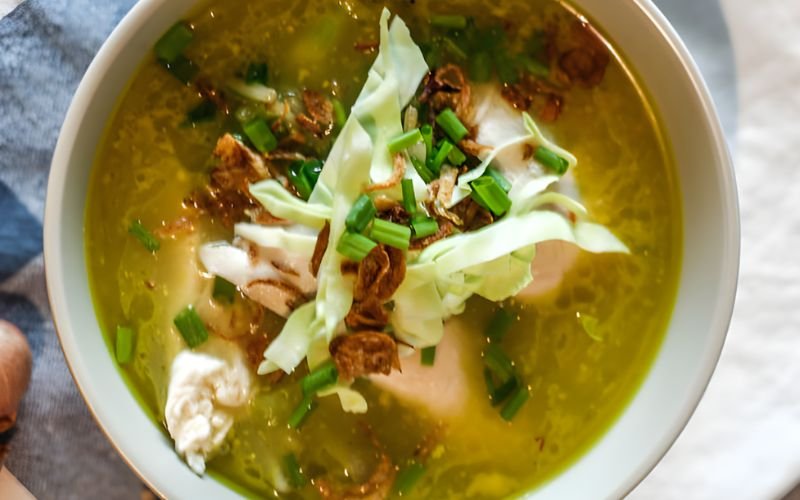
Bakso a warm bowl of springy meatballs served in a savoury broth with noodles, tofu and fried shallots. The meatballs are made from finely ground beef mixed with tapioca flour, giving them their signature bouncy texture. Add sambal and sweet soy sauce to customise it just the way locals do.
Where to try – look for bakso carts on busy streets, local markets, or small warungs . These humble spots often serve the most flavourful bowls.
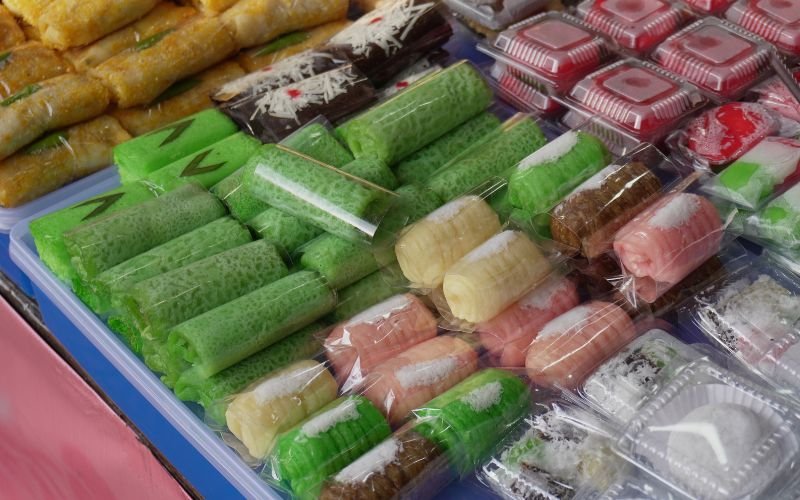
Dadar Guling
Dadar gulung is one of Bali’s most beloved traditional sweets — soft, bright‑green pandan crêpes rolled around a warm, gooey filling of grated coconut and melted palm sugar. The pandan gives the pancake its signature colour and a subtle floral aroma, while the filling adds a rich, caramel‑like sweetness.
They’re light, fragrant, and perfect as a snack or dessert, especially when enjoyed fresh from a local market stall.
Where to try it – Look for them at morning markets, roadside snack vendors, or small warungs that specialise in traditional Balinese cakes (jajanan pasar).
Exploring Balinese cuisine is one of the best ways to experience the island’s culture. From street‑side snacks to traditional authentic dishes, every bite tells a story — so get out there and eat like a local!