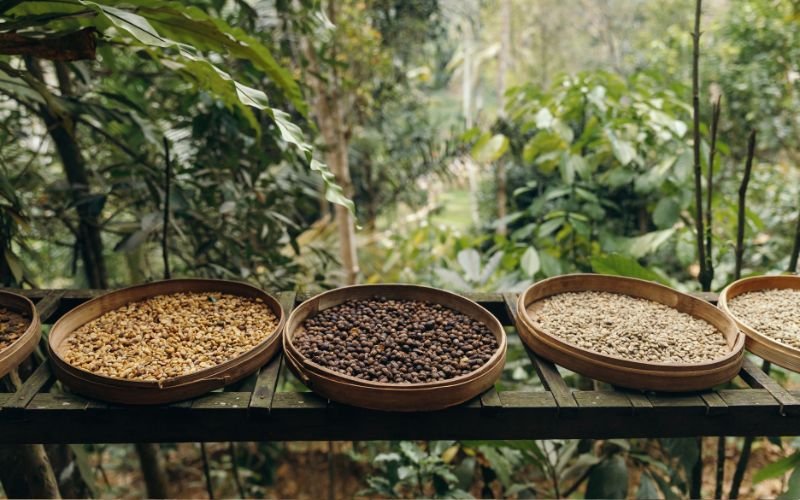
If you’ve spent any time exploring the backroads of Ubud, you’ll know that coffee plantations are everywhere. We dropped in to Ubud Mesari Luwak Coffee on a whim during a scooter ride to see if Luwak Coffee was worth all the hype and fuss. The visit actually ending up being one of the hightlights during our latest trip to Bali.
This post may contain affiliate links. If you make a purchase, we may earn a small commission at no extra cost to you. Our goal is to provide valuable and helpful content, and any commissions help us to mantain this site.
Contents
ToggleGet your Bali Essentials!
- Find cheap flights to Bali
- Find hotels or hostels for Bali
- Find activites and tours for Bali
- Get an eSIM for Bali. Use our code ‘TBTravellers to receive 5% OFF any eSIM!
What is Luwak Coffee
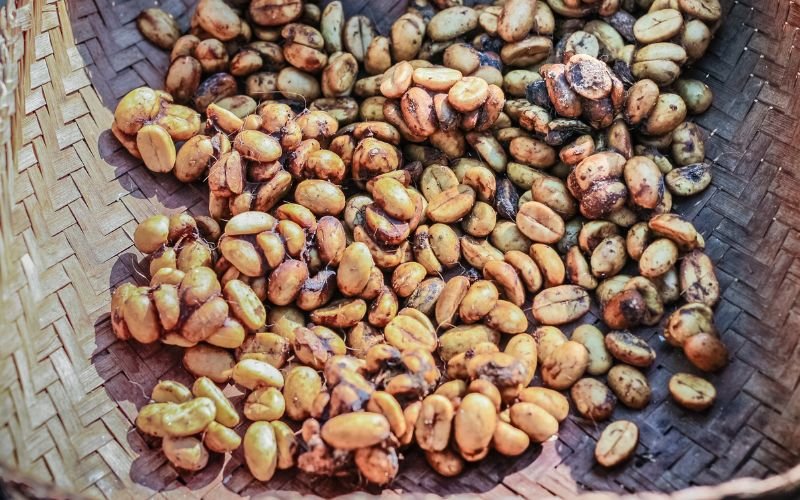
Luwak coffee—often called civet coffee—is one of the most unusual (and famously expensive) coffees in the world. It’s made using coffee cherries that have been eaten and passed by the Asian palm civet, a small nocturnal animal found in Indonesia.
Here’s the simple version of how it works:
Civets eat only the ripest coffee cherries, which naturally selects the best beans.
Inside the civet’s digestive system, the beans undergo a unique fermentation process.
The beans are then collected, washed, dried, roasted, and brewed like regular coffee.
The result is a coffee that many describe as smoother, less acidic, and slightly chocolaty.
Because the process is so unusual and because civets only eat a small amount—Luwak coffee became known as one of the rarest coffees on the planet.
Arrival at the Plantation
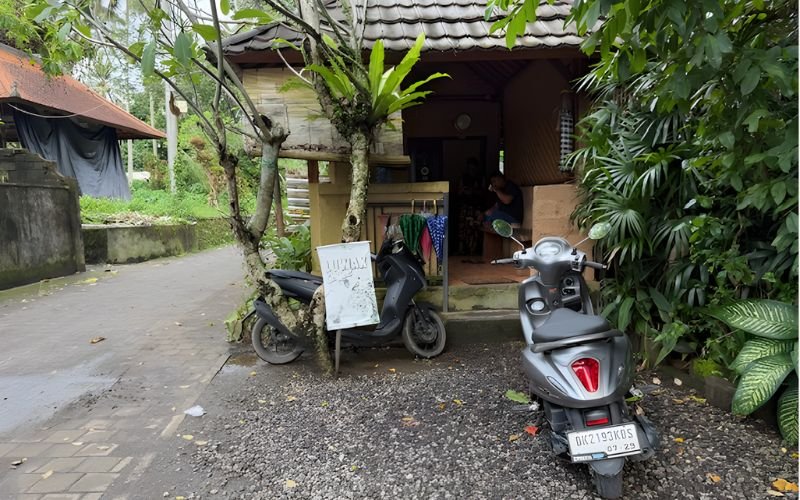
When we first arrived at Ubud Mesari Luwak Coffee, we honestly thought we’d pulled up to the wrong place — it just looked like a tiny hut from the scooter. But within seconds, a friendly staff member welcomed us to the plantation and explained what was ahead for the free tour and tasting.
Luwak Coffee Process – Tour
Lindsay and I both really enjoyed this part as it was so informative and the guide was more than happy to answer all our curious questions!
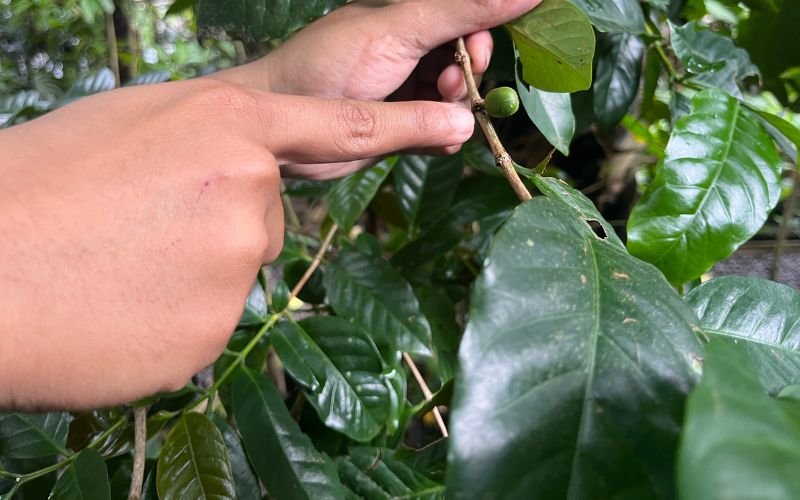
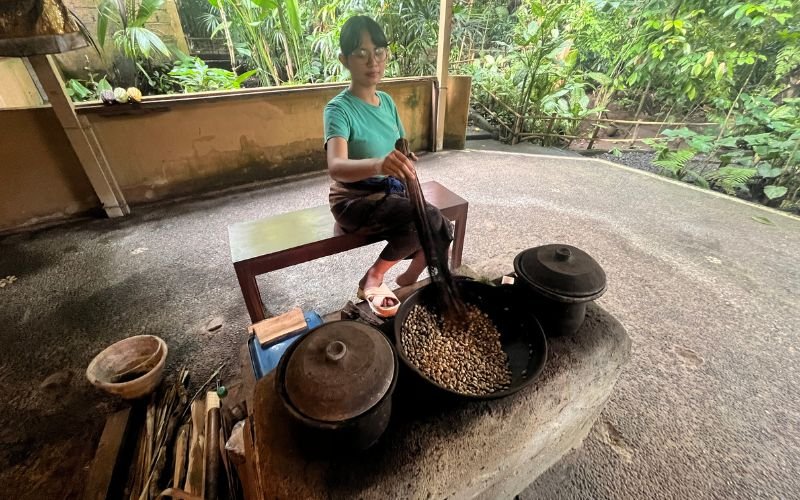
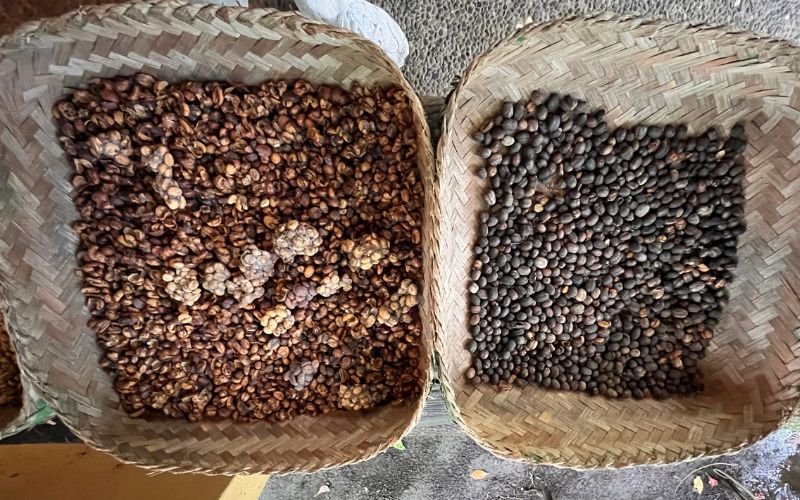
The tour started with a simple walk through the small plantation, where our lovely guide explained each step of how Luwak coffee is made — from the ripe coffee cherries the civets choose, to the drying, grinding, and roasting process. It’s short enough that you don’t feel stuck in a presentation, but detailed enough to actually learn something interesting.
What we loved most is that it doesn’t feel staged or overly commercial, it’s relaxed, genuine and gave us a picture of how everything comes together before we sat down for the tasting.
Meeting the Civets
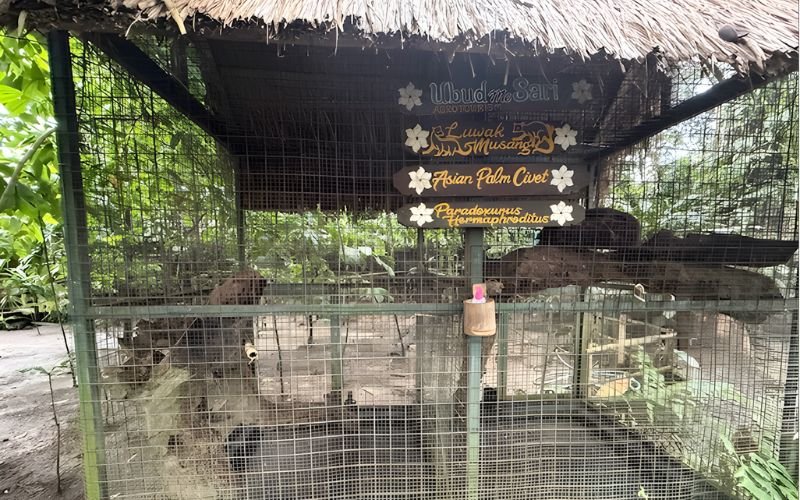
We were shown the civet enclosure, and this was the part we weren’t entirely sure how to feel about. A single civet was curled up on a branch, looking sleepy and subdued. Up close, they’re undeniably beautiful animals — bright eyes, soft fur, and that distinctive striped tail — but seeing one behind bars is never an easy sight.
Our guide explained that the civets are well cared for and only spend a few hours in the enclosure before being returned to their natural environment, with another civet rotated in. Still, it’s a reminder that Luwak coffee comes with a more complicated backstory, and it’s something worth keeping in mind when you visit.
Sampling the Tea & Coffee
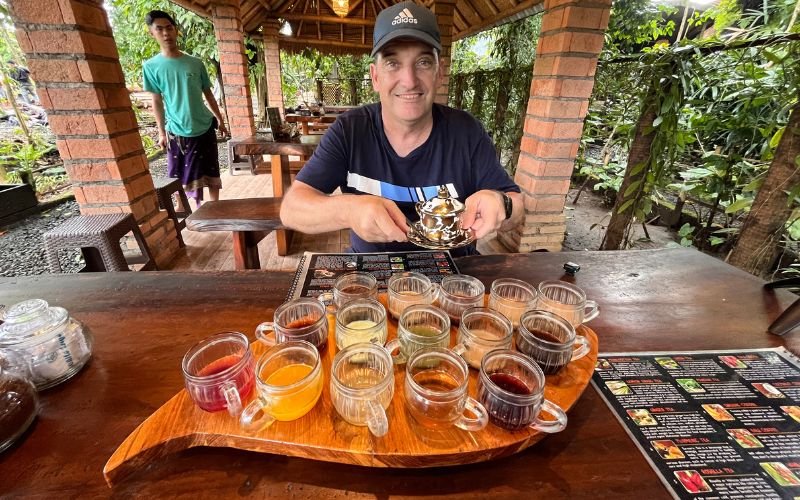
After the tour, we were invited to sit down for a generous tasting tray filled with a mix of coffees and teas. It’s a fun lineup to work through — coconut coffee, ginseng coffee, lemongrass tea, rosella, ginger, vanilla, and a few surprises you probably haven’t tried before like avacado coffee! Each one comes in a tiny cup with a description of each flavour so you can sip your way through the whole selection without feeling overwhelmed.
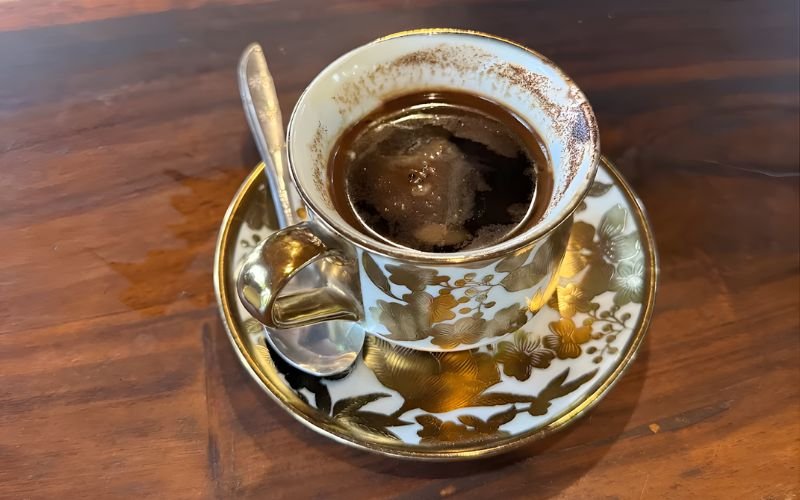
The famous Luwak coffee isn’t included in the free tasting, but you can order a cup separately if you want to try Bali’s most talked‑about brew for only IDR50,000. I am not a coffee drinker, but Lindsay loves a great coffee so he opted to try the Luwak Coffee and suprisingly enjoyed it.
The tasting area overlooked beautiful greenery, creating a peaceful place to relax and enjoy our drinks, and at no point did we feel rushed.
Visiting the no-pressure Shop
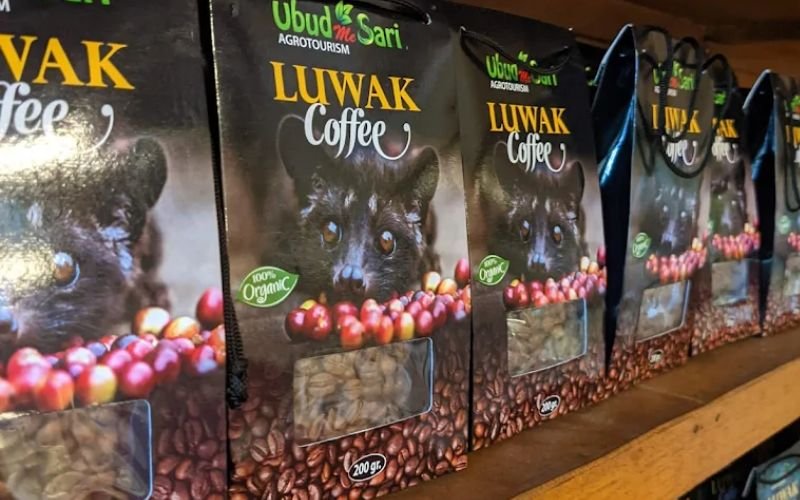
Once we finished the tasting, we wandered through their small shop where shelves are lined with freshly packaged coffees, herbal teas, spices and a few handmade local products. It’s the kind of place where you can take your time, smell the blends, and chat with the staff without feeling like someone is hovering over your shoulder. There’s zero pressure to buy anything, which makes the whole experience feel refreshingly genuine. We didn’t purchase anything on this visit and there was no nasty-pressure.
Final Thoughts
Visiting a Luwak coffee plantation in Ubud felt like one of those moments where curiosity, culture, and Bali’s most talked‑about brew all came together. The free tour and generous tastings made it a fun stop for us, especially since we were exploring on a budget. Sitting there, sipping different coffees and teas while looking out over the jungle, felt calm and unhurried — a really peaceful break from Ubud’s busier areas.
Seeing the civet enclosure, though, added a more complicated layer. We were aware that Luwak coffee comes with ethical questions, and being there made us think about it even more. For us, the experience was a mix of fascination and reflection.
Overall, the visit gave us a glimpse into a unique part of Balinese coffee culture, and it’s easy to see why so many travellers are curious about it. Going in with awareness and an open mind made it an interesting and memorable part of our time in Ubud.
If your interested in visiting, Ubud Mesari Luwak Coffee is open daily from 9AM – 6PM and you can find them located at Jl Pinus, Desa Lodtunduh Ubud, a short 10 minute scooter ride from the heart of Ubud.
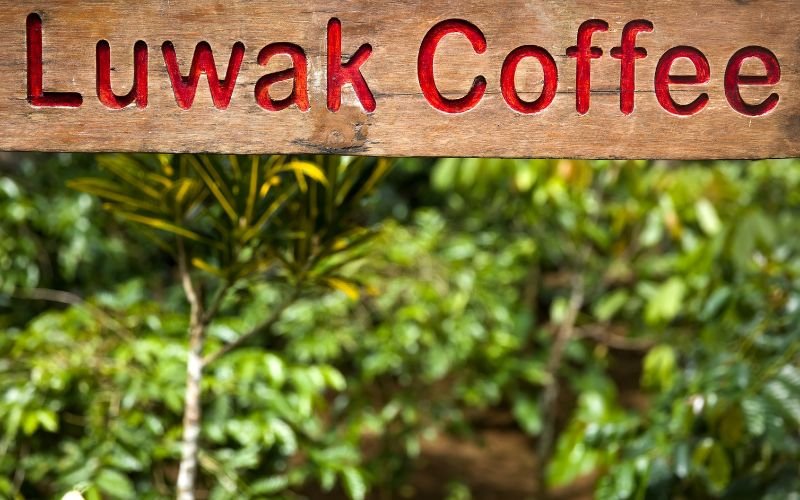
If you end up visiting one of the Luwak coffee plantations, we would love to hear what you thought of your experience and if your looking for other things to do during your time in Ubud, check out our posts on Ubud’s Hidden Gem: The Free Kajeng Rice Field Walk and Exploring Campuhan Ridge Walk: Ubud’s Most Beautiful (and Free) Hike.