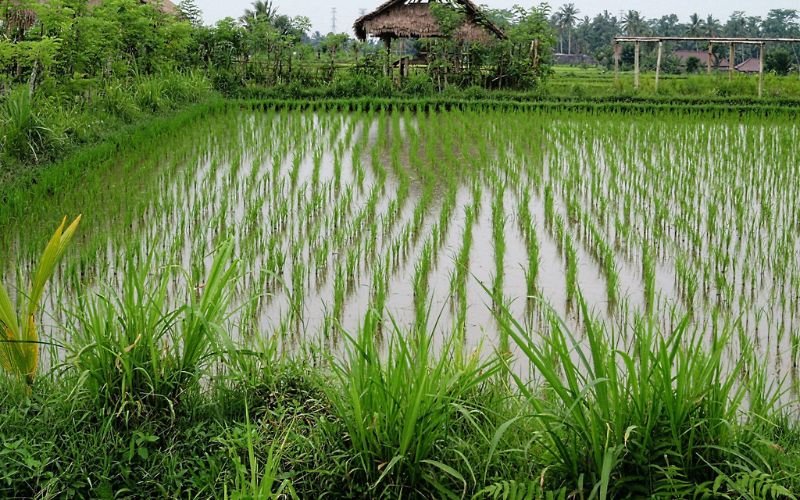
There’s something magical about stumbling onto a place that feels like it’s been hiding in plain sight. In Ubud, where lush landscapes and serene walks are hardly a secret, the Kajeng Rice Field Walk still manages to fly under the radar.
In this post, we’ll walk you through what the Kajeng Rice Field Walk is really like, the best time to visit, how to find the starting point, and a few handy tips. And if you’re exploring Ubud on a budget, consider this one of those rare gems that costs nothing yet feels priceless.
This post may contain affiliate links. If you make a purchase, we may earn a small commission at no extra cost to you. Our goal is to provide valuable and helpful content, and any commissions help us to mantain this site.
Contents
ToggleGet your Bali Essentials!
- Find cheap flights to Bali
- Find hotels or hostels for Bali
- Find activites and tours for Bali
- Get an eSIM for Bali. Use our code ‘TBTravellers to receive 5% OFF any eSIM!
What Exactly Is the Kaejng Field Field Walk?
The Kajeng Rice Field Walk winds through a patchwork of working rice paddies, following a path that was originally created for local farmers to move between their fields. Over time, a handful of small cafés and guesthouses have sprung up along the route, adding a gentle touch of modern life without overwhelming its rural character.
Some refer to it as Juwak Manis Rice Field Walk which is referring to the specific subak (irrigation area).
Unlike the much more famous Campuhan Ridge Walk, Kajeng remains quieter and far less touristy, making it a peaceful alternative for anyone craving a slower, more authentic slice of Ubud’s landscape.
The route offers open views, working rice fields, fresh air, and a peaceful break from the bustle of central Ubud, all without requiring a guide, special gear or any entrance fee.
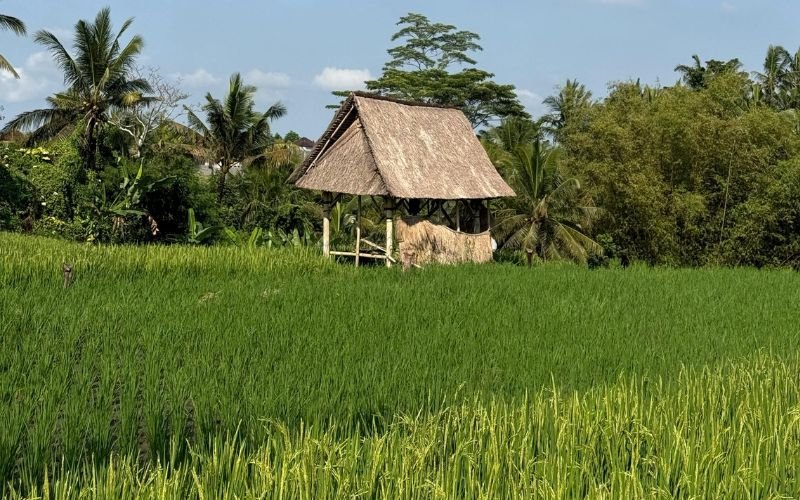
Getting to Kajeng Fice Field
Reaching the Kajeng Rice Field Walk is easy, which is part of why it’s such a popular choice for a relaxed nature escape. The starting point is right in central Ubud, if you’re staying anywhere in the town center, you can usually walk there in under ten minutes.
1. Start from Central Ubud
If you’re already in central Ubud, make your way to the main road, Jalan Raya Ubud. This is the street where you’ll find landmarks like Ubud Palace and the Saraswati Temple, so it’s a good reference point even if you’re not great with directions. Most accommodations, cafés, and shops in the area will know this road, so you can easily ask someone.
2. Find Jalan Kajeng
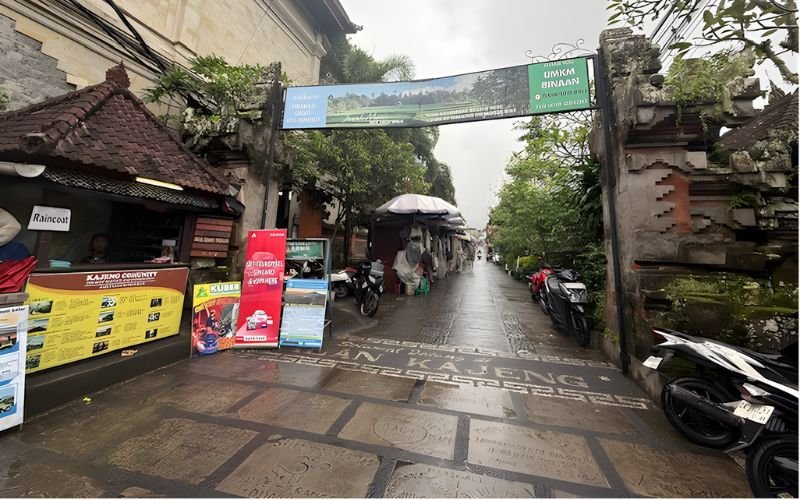
Once you’re on Jalan Raya Ubud, walk along the road until you spot Jalan Kajeng, a smaller side street branching off the main road. It’s only a short walk from Ubud Palace, so you won’t be wandering far. There’s a clear street sign that says “Jalan Kajeng”, and you will notice a few cafés, shops, and guesthouses clustered around the entrance.
3. Turn down Jalan Kajeng
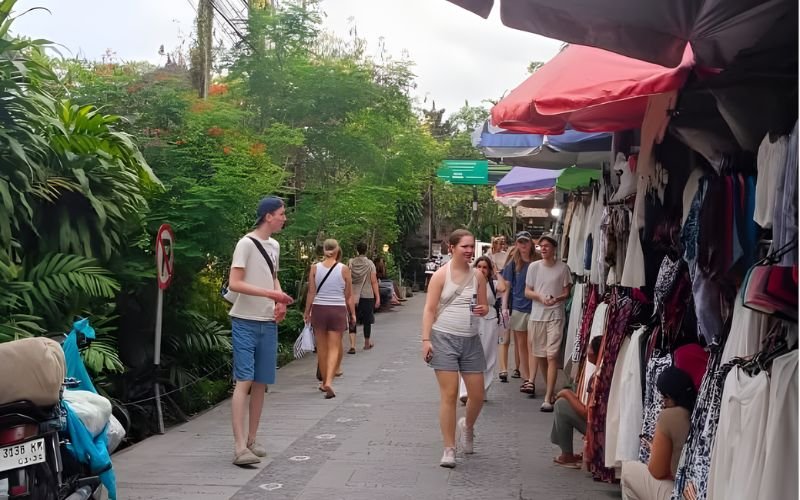
Turn down Jalan Kajeng and start walking away from the main road. At first, it feels like a regular Ubud street with a mix of cafés, homestays, small shops, and local houses on either side. This stretch already starts to give you a nice glimpse of everyday life in Ubud, and it’s a gentle transition from the busy main road to the quieter rice field area.
4. Follow the engraved stone path
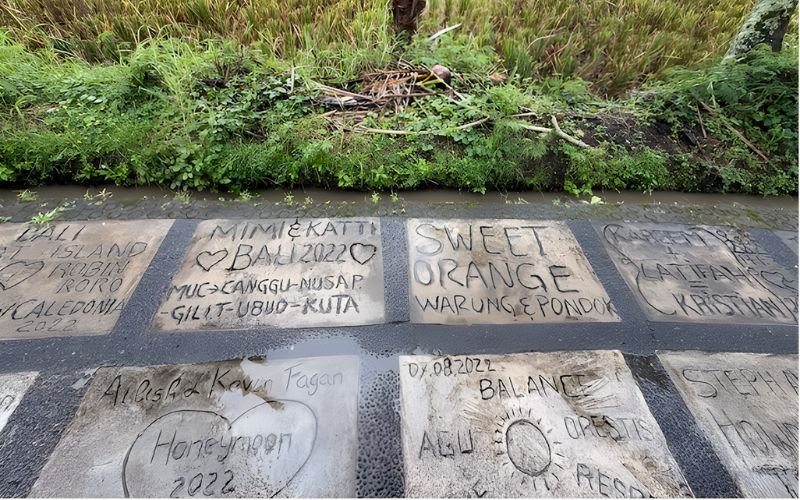
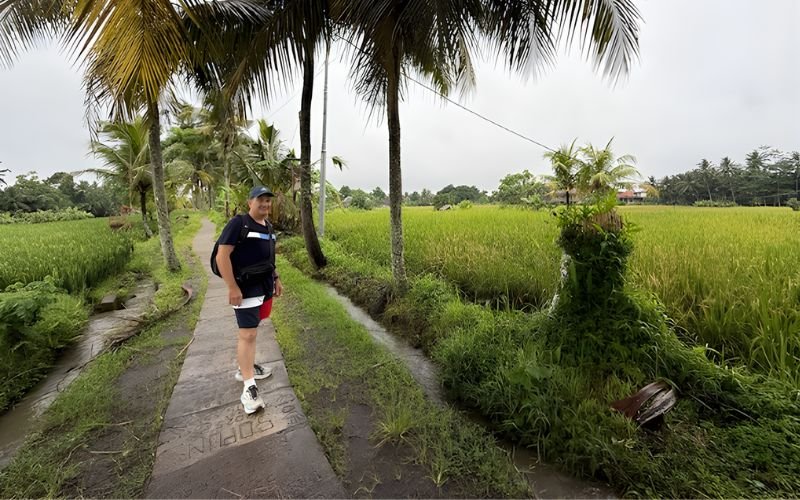
As you continue along Jalan Kajeng, you’ll notice the surface under your feet change. The regular road gives way to a paved path made from engraved concrete tiles, many of them with names or messages etched into them. This quirky detail is part of what makes the walk memorable. Keep following this path straight ahead—once you’re on these engraved stones, you’re officially on the route that leads to the Kajeng Rice Field Walk.
4. Continue until the path opens up
Stay on the same path as it gradually moves away from the houses and guesthouses. After about 5–10 minutes of walking, you’ll see the surroundings start to change: rice fields and open views begin to appear on either side. When you find yourself surrounded by greenery, with fewer structures and more wide‑open space, you’ve reached the heart of the Kajeng Rice Field Walk. From here, you can keep going as far as you like and simply turn back the same way when you’re ready.
What to Expect on the Kajeng Rice Field Walk
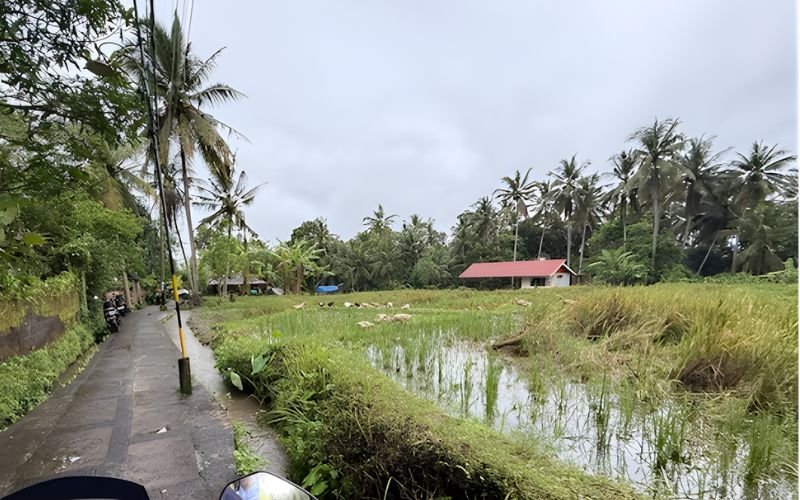
As soon as you step away from the bustle of Jalan Kajeng, everything shifts. The noise drops away and before long you’re walking between open rice fields, tall palms, and the gentle sounds of village life.
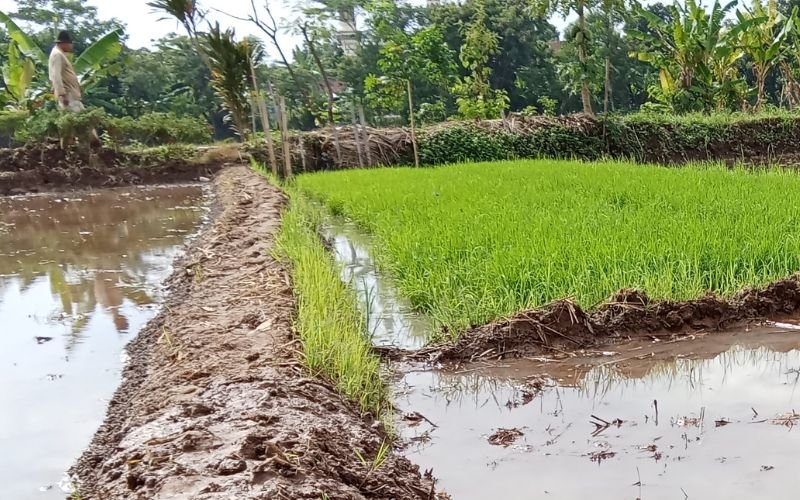
The path itself is easy to follow and mostly flat, paved with those quirky engraved stones that add a bit of charm to the walk. You’ll pass stretches of active rice paddies where farmers may be planting, harvesting, or simply tending to their fields. It’s a lovely reminder that this isn’t a staged attraction—it’s a working landscape, and you’re walking right through the heart of it.
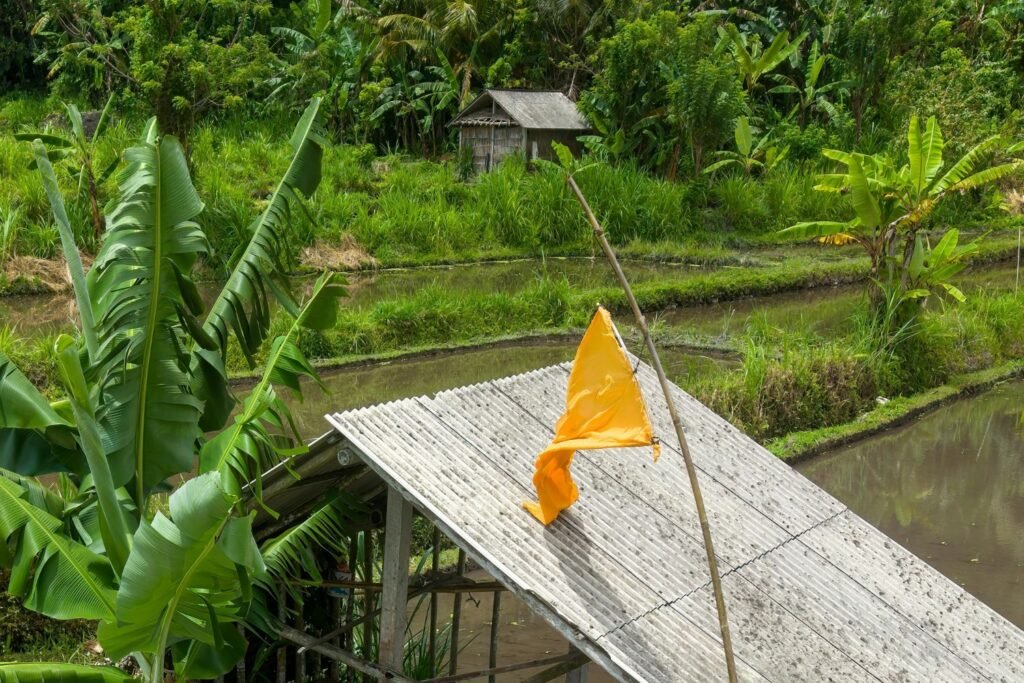
Along the way, you’ll spot small warungs offering cold drinks, coconuts, or simple meals. Some are little more than a wooden hut with a few chairs, but that’s part of the appeal. There are also a handful of art studios and homestays tucked between the greenery, giving the walk a lived‑in, local feel.
Expect a mix of sunshine and shade, depending on the time of day. You might meet a few other walkers, but it rarely feels crowded—most people are there for the same reason you are: to slow down and enjoy a quieter side of Ubud.
How Long does it take to complete the Kajeng Rice Field Walk?
The full loop is around 4.2 km, and it took us just under two hours to complete. We stopped often—chatting with locals, taking photos, and soaking up the scenery—so you could easily finish it faster. That said, the real beauty of this walk is slowing down and enjoying the rhythm of everyday life in the rice fields.
Best time to visit the Kajeng Rice Field Walk
The Kajeng Rice Field Walk is beautiful at any time of day, but certain hours really bring out its magic. If you want the most comfortable and scenic experience, aim for early morning or late afternoon. Our favourite time is mornings – before the heat of the day arrives!
Morning is ideal if you enjoy cooler temperatures and softer light. The air feels fresh, the path is quieter, and you’ll often catch the rice fields glowing gently as the sun rises. It’s also a great time to see farmers beginning their day, which adds a lovely sense of authenticity to the walk.
Late afternoon, especially the hour before sunset, is another wonderful window. The heat eases off, the light turns warm and golden, and the whole landscape takes on a peaceful, dreamy quality. If your an avid photographer, this is the perfect time to visit.
Tips for exploring the Kajeng Rice Field Walk
Go early or late for the best experience
The morning and late afternoon offer cooler temperatures and softer light. Midday can be hot with limited shade, so plan accordingly if you’re sensitive to the sun.
Wear comfortable shoes
The path is mostly paved and easy to walk, but you’ll still want comfortable footwear—especially if you plan to wander beyond the main stretch and especially if you go during wet season as it can get quite soggy!
Bathroom Stop First
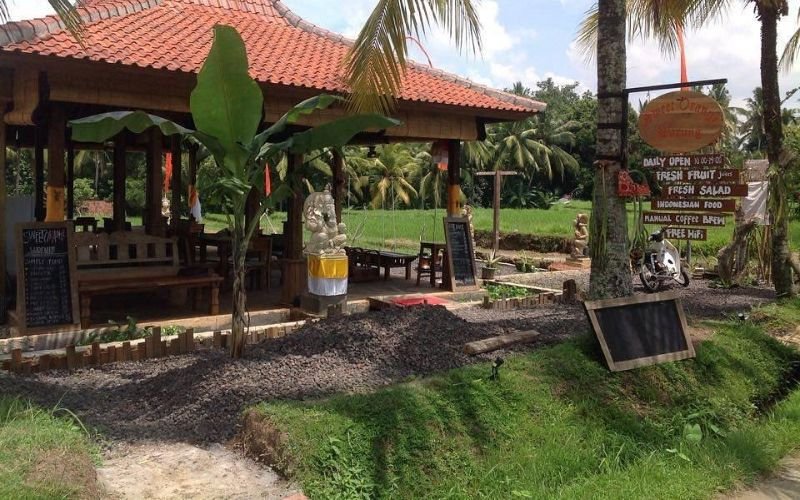
There aren’t any public toliets along the route so ensure you go first. We did stop for a refereshing drink at Sweet Orange Warung which had clean and comfortable bathroom facilites.
Bring water and sunscreen
There aren’t many shaded areas along the route, and Bali’s sun can be strong even on cloudy days. A bottle of water and a bit of sunscreen go a long way.
Support the small warungs
You’ll find a few family-run warungs along the walk selling coconuts, cold drinks, or simple meals. Stopping for a drink not only gives you a break but also supports the local community. We can recommend Sweet Orange Warung.
Be respectful of the surroundings
Remember that this is a working landscape. Farmers use these fields daily, so stay on the path, avoid stepping into the rice terraces, and keep noise to a minimum.
Take your time
This isn’t a walk you rush. Pause for photos, enjoy the views, or simply sit for a moment and take in the quiet. The beauty of this walk is in its simplicity.
Expect a mix of people
You’ll likely meet a blend of locals, expats, and other travellers. It’s usually peaceful, but not completely empty—perfect for a relaxed, safe stroll.
Bring small cash
If you want a drink, a snack, or a fresh coconut along the way, cash is the easiest way to pay. Most warungs won’t take cards.
Exploring the Kajeng Rice Field Walk is one of those experiences that reminds you why Ubud feels so special—quiet paths, friendly locals, and scenery that never gets old.
If you’re craving more beautiful walks in the area, be sure to check out our guide to exploring the Campuhan Ridge Walk. It’s another stunning route that pairs perfectly with this one.