Doha is one of the Middle East’s most exciting capitals — a blend of futuristic skylines, desert traditions, world‑class museums, and warm hospitality. But like any destination with its own cultural norms and climate, a little preparation goes a long way. Whether you’re visiting for a stopover or a holiday, this guide covers everything you need to know before you arrive — and if you want to make the most of your trip on a budget, don’t miss our blog post on Discovering Doha for Free, packed with tips on enjoying the city’s best experiences without spending a thing.
This post may contain affiliate links. If you make a purchase, we may earn a small commission at no extra cost to you. Our goal is to provide valuable and helpful content, and any commissions help us to mantain this site.
Contents
ToggleGet your Doha Essentials!
- Find cheap flights to Doha
- Find hotels or hostels in Doha
- Find activites and tours for Doha
- Compare hire car prices
- Get an eSIM for Doha. Use our code ‘TBTravellers to receive 5% OFF any eSIM!
Visa and Entry Requirements
Qatar is surprisingly easy to visit, thanks to its visa‑friendly policies. Over 100 nationalities can enter visa‑free, while others can apply for an e‑visa or visa on arrival.
Visa‑Free Entry
If your nationality is on Qatar’s visa‑waiver list, you can simply arrive at Hamad International Airport, present your passport, and receive a free entry stamp. Depending on your nationality, the waiver may allow stays of 30 days or 90 days, with some eligible for multiple entries.
E‑Visa & Visa on Arrival
For travellers who aren’t visa‑free, Qatar offers:
E‑visas that can be applied for online before your trip
Visas on arrival for many nationalities, issued directly at the airport
Both options are straightforward and typically processed quickly, but it’s always best to check the latest requirements before travelling, as policies can change.
What to Check Before You Travel
To avoid any surprises at the airport, make sure you have:
Passport validity — must be valid for at least 6 months from your arrival date
Proof of onward or return travel — immigration may ask to see your flight out of Qatar
Accommodation details — hotel booking confirmation or host information
Travel insurance — not always required, but we strongly recommend
Transit visa options — useful if you’re stopping over for more than a few hours
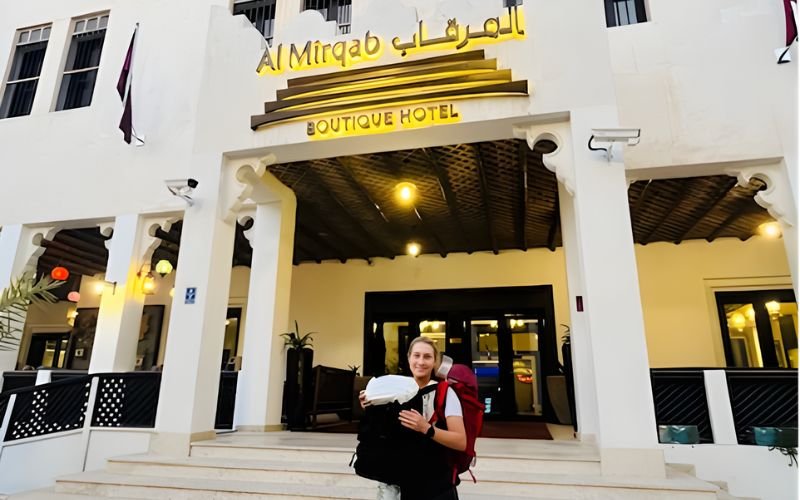
Qatar Airways also offers stopover packages that simplify the process if you’re connecting through Doha. As part of our last stopover in Doha, we were able to book a hotel situated in Souq Waqif super cheap!
Best Time to Visit Doha
Doha has a true desert climate, which means two very distinct seasons: long, intensely hot summers and short, pleasantly mild winters. Understanding this difference will shape how you plan your days, what you pack, and how you explore the city.
The Ideal Season: November to April
This is when Doha truly shines. Temperatures are comfortable, humidity drops, and the city comes alive with outdoor events, festivals, and waterfront activities.
Why this is the best time to visit:
Comfortable temperatures — usually between the mid‑20s and low‑30s °C
Perfect for outdoor exploring — you can walk the Corniche, wander Souq Waqif, or relax in MIA Park without overheating
Ideal for desert adventures — dune bashing, camel rides, and Inland Sea tours are far more enjoyable
Clear skies and calm seas — great for dhow cruises and beach days
During these months, Doha feels vibrant and social. Locals and expats spend more time outdoors, and the city’s public spaces buzz with life.
Summer Season: May to September
Summer in Doha is no joke. Expect intense heat, often reaching 40–50°C, paired with high humidity that can make even short walks feel challenging. But that doesn’t mean you can’t enjoy your trip — you just need to plan smartly.
What to expect:
Extreme daytime heat
High humidity, especially near the coast
Strong sun exposure — UV levels are very high
Indoor life — malls, museums, cafés, and hotels become the main hubs of activity
How to stay comfortable:
Plan indoor attractions during the day Doha is full of world‑class museums, galleries, malls, and cultural centres — all beautifully air‑conditioned.
Take hydration breaks Always carry water, especially if you’re walking between metro stations or exploring outdoor areas.
Wear light, breathable clothing Linen, cotton, and moisture‑wicking fabrics are your best friends.
Save outdoor activities for early morning or evening The Corniche, Katara, and Souq Waqif are magical after sunset, when temperatures drop and the city lights up.
Dress Code and Cultural Etiquette
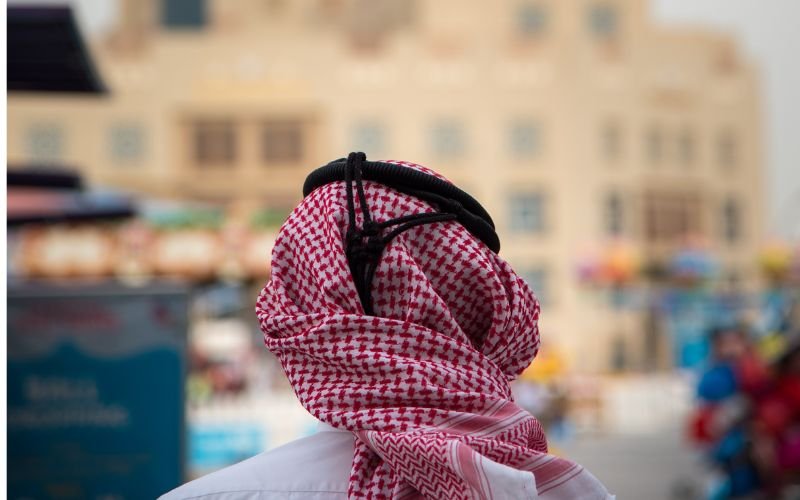
Qatar is a modern, multicultural country, home to people from all over the world. You’ll see everything from abayas and thobes to jeans, dresses, and business suits. But despite its diversity, Qatar remains culturally conservative, and dressing respectfully is an important part of showing awareness and appreciation for local norms.
The good news? You don’t need to dress traditionally — just thoughtfully.
General Guidelines for Visitors
These simple guidelines will help you feel comfortable and respectful wherever you go:
Cover shoulders and knees in public This applies to both men and women. Sleeveless tops, short shorts, and mini‑skirts may draw unwanted attention and are discouraged in public spaces like malls, museums, and souqs.
Avoid overly tight, sheer, or revealing clothing Clothing that clings or shows too much skin can feel out of place in more traditional areas. Loose, breathable fabrics are not only respectful but also far more comfortable in the heat.
Swimwear is fine at hotel pools and private beaches Bikinis, one‑pieces, and swim shorts are perfectly acceptable in resort areas. Just remember to cover up when walking through hotel lobbies or public areas.
Women may need to cover their hair when entering mosques Not all mosques require this, but many do. A lightweight scarf in your bag is useful for spontaneous visits to religious sites.
Public displays of affection are discouraged Holding hands is generally fine for married couples, but kissing, hugging, or anything more intimate in public is considered inappropriate.
Respecting Local Customs
Qatar is incredibly welcoming — one of the first things we noticed is how friendly, polite, and helpful people are. But like any country with deep cultural roots, showing a little awareness of local customs makes your experience smoother and far more meaningful. These aren’t strict rules; they’re simple courtesies that help you blend in and show respect for the culture.
Ask permission before photographing people
Qataris value privacy, especially women and families. If you want to take someone’s photo — whether it’s a vendor in Souq Waqif or a beautifully dressed local — it’s polite to ask first. Most people will happily agree, and it often leads to a friendly conversation.
Friday is the holy day
Friday is the weekly day of prayer in the Islamic world.
Many shops, cafés, and museums open later in the afternoon.
Mornings are quieter, with fewer taxis and less foot traffic.
Some restaurants may pause service during Friday prayers.
It’s a great time to enjoy a peaceful walk along the Corniche or a slow breakfast before the city comes alive again.
Keep noise and behaviour respectful in public
Qataris tend to be soft‑spoken in public spaces. Loud conversations, shouting, or disruptive behaviour can feel out of place, especially in family‑oriented areas like malls, parks, and souqs. Keeping your tone calm and respectful fits naturally with the local atmosphere.
Respect prayer times
You’ll hear the call to prayer five times a day — a part of daily life in Qatar. During these moments:
Some shops may pause service briefly
Staff may step away for a few minutes
Certain government offices may close temporarily
Simply being patient and understanding is appreciated.
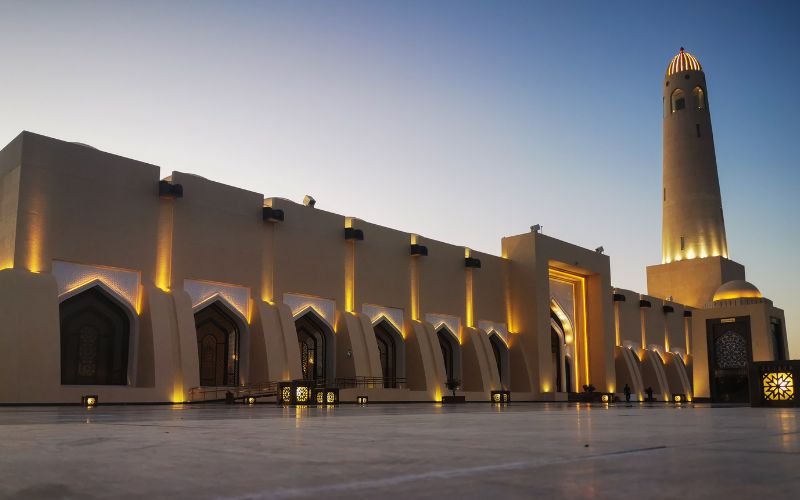
Non‑Muslims can visit certain mosques
Qatar encourages cultural exchange, and several mosques welcome visitors during designated hours.
The Education City Mosque and Imam Abdul Wahhab Mosque often offer guided tours during non-prayer times.
Modest dress is required
Women may be asked to cover their hair
These visits are a wonderful way to learn about Islamic architecture, traditions, and community life.
Alcohol Rules
Alcohol is available in Qatar, but it’s tightly regulated. The country follows Islamic law, which means drinking is allowed only in specific, licensed places. As a visitor, you can absolutely enjoy a glass of wine or a cocktail — you just need to know where and how it’s permitted.
Where You Can Drink
Alcohol is served in a controlled but comfortable range of venues, mostly connected to the hospitality industry:
Licensed hotel bars Most international hotels have bars, lounges, and restaurants where alcohol is served openly and legally. These are the most common places tourists enjoy a drink.
Certain restaurants A handful of high‑end restaurants (usually attached to hotels) also have alcohol licenses.
Private clubs and members‑only venues Some expat clubs and private establishments serve alcohol, though these are typically accessible only to members or guests.
These venues are modern, stylish, and relaxed — you won’t feel restricted once you’re inside.
Important Rules to Keep in Mind
Qatar’s alcohol laws are strict, and it’s important to follow them to avoid fines or legal trouble.
Drinking in public is illegal
You cannot drink alcohol in public spaces such as beaches, parks, streets, or the Corniche. Alcohol must be consumed only in licensed venues.
Being intoxicated in public can lead to fines
Even if you drank legally at a hotel bar, appearing visibly drunk in public areas is against the law. It’s best to take a taxi or ride‑hailing service straight back to your accommodation.
Purchasing alcohol from licensed shops
There is only one licensed retailer in Qatar, and it’s primarily for residents with permits. If you do purchase alcohol (for example, if staying long‑term), it must be transported directly home — no opening bottles in public or carrying them around casually.
If You Don’t Drink
You’ll be absolutely fine — Qatar has an incredible non‑alcoholic drink culture. You’ll find:
Fresh juices everywhere
Creative mocktails in hotel bars
Karak tea (a local favourite)
Specialty coffee shops on almost every corner
Mint lemonade, hibiscus drinks, saffron milk, and more

Currency, Money and Payments
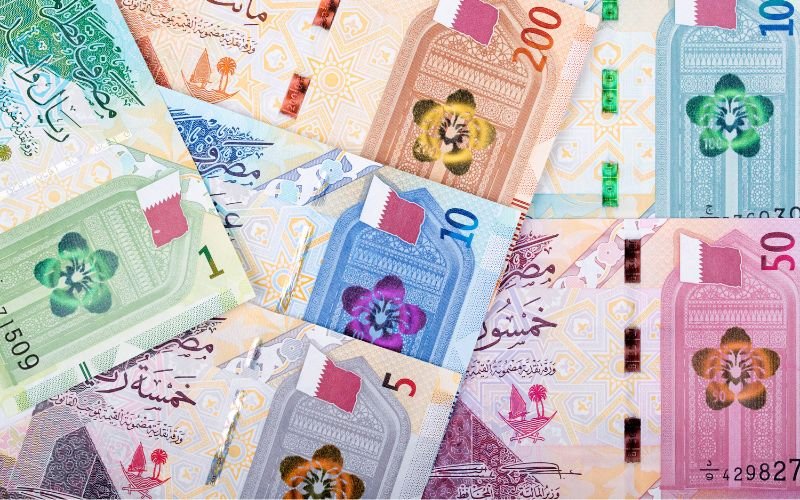
The local currency in Qatar is the Qatari Riyal (QAR), and navigating payments is incredibly easy thanks to the country’s modern, tech‑forward infrastructure. Whether you prefer using cash, cards, or mobile payments, you’ll find the system smooth and convenient.
Currency Basics
1 Qatari Riyal (QAR) is divided into 100 dirhams.
Banknotes come in denominations of 1, 5, 10, 50, 100, 200, and 500 QAR.
Coins exist but are rarely used — most transactions are rounded to the nearest riyal.
ATMs Are Everywhere
You’ll find ATMs in:
Malls
Metro stations
Hotels
Souqs
Supermarkets
The airport
Most machines accept international cards, and withdrawal fees depend on your home bank. ATMs dispense Qatari Riyals only.
Cards Are Accepted Almost Everywhere
Qatar is extremely card‑friendly. You can use:
Visa
Mastercard
American Express (in most major places)
Cards are accepted in:
Hotels
Restaurants
Malls
Museums
Supermarkets
Ride‑hailing apps
Metro and bus ticket machines
Even small cafés in modern areas often accept cards.
Mobile Payments Are Very Common
Qatar has embraced digital payments, and you’ll see contactless options everywhere.
Popular methods include:
Apple Pay
Google Pay
Samsung Pay
Tap‑to‑pay cards
If you’re used to paying with your phone or smartwatch, you’ll feel right at home.
When Cash Is Still Useful
Although Qatar is becoming increasingly cashless, there are still a few places where having some riyals on hand is helpful:
Souq Waqif (especially small stalls and local vendors)
Souq Al Wakra
Small cafés or tea shops
Local bakeries
Taxis (Karwa taxis accept cards in many cases, but not always)
Tips (optional but appreciated in some settings)
Carrying a small amount of cash — around 50–100 QAR — is usually enough for these situations.
Qatar Is Becoming More Cashless
In malls, hotels, museums, and transport hubs, digital payments dominate. You’ll notice:
Contactless terminals everywhere
Metro and bus systems designed for card payments
Restaurants preferring tap‑to‑pay
Many shops no longer handling large amounts of cash
Getting Around Doha
Doha’s public transport system is one of the most efficient and user‑friendly in the Middle East. Whether you’re here for a quick stopover or a longer stay, you’ll find it incredibly simple to navigate the city using a combination of metro lines, buses, and ride‑hailing services. Everything is air‑conditioned, affordable, and designed with travellers in mind.
Doha Metro
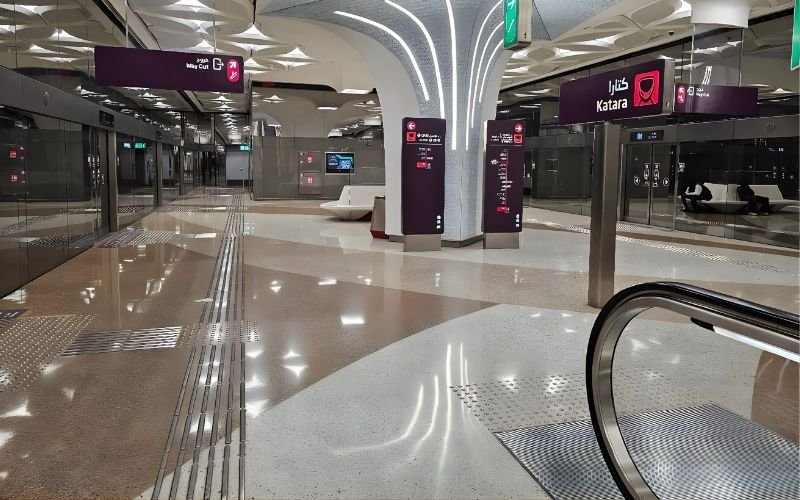
Our favourite mode of transport – the Doha Metro is the star of the city’s transport network — fast, spotless, and impressively modern. Trains glide through the city every few minutes, making it one of the easiest ways to reach major attractions.
Why travellers love it:
Air‑conditioned and comfortable — a lifesaver in Doha’s heat
Fast and efficient — trains run every 3–6 minutes
Affordable — one of the cheapest ways to get around
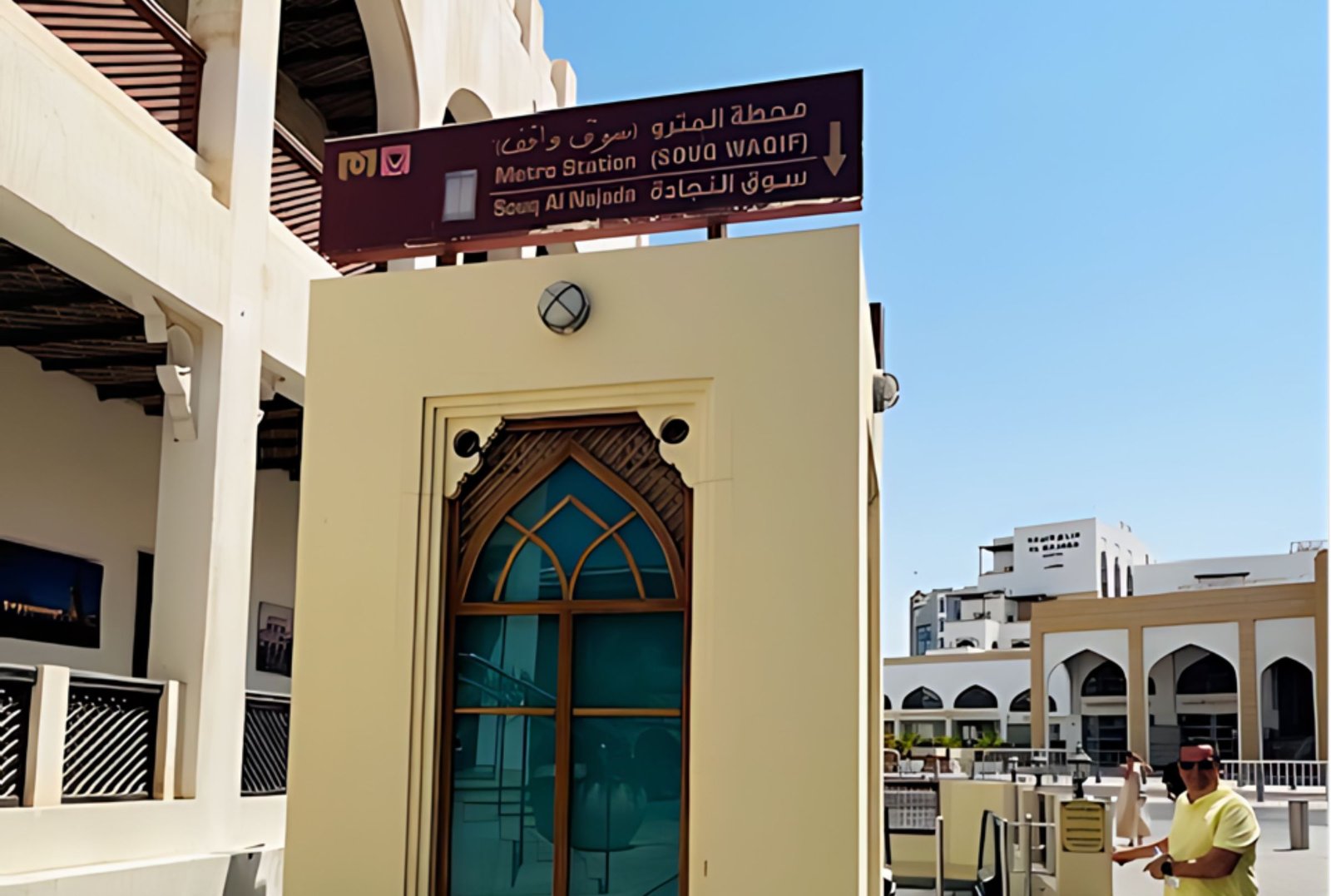
Easy to navigate — clear signage in English and Arabic
Key attractions connected by the metro:
Souq Waqif (Gold Line)
Katara Cultural Village (Red Line)
West Bay (Red Line)
Lusail Marina & Stadium (Red Line)
Hamad International Airport (Red Line)
If your hotel is near a metro station, you’ll be able to explore most of Doha with almost no planning.
Metrolink Buses
Metrolink buses are one of Doha’s best travel perks — and they’re completely free. You must keep your metro ticket though and tap on when boarding.
What they do:
Connect metro stations to nearby neighbourhoods
Drop you right at the doors of malls, parks, and residential areas
Run frequently and are fully air‑conditioned
They’re especially useful if your hotel isn’t directly next to a metro station.
Public Buses
Doha’s public bus network is extensive and budget‑friendly, covering areas the metro doesn’t reach. They are known as Karwa buses and are green coloured.
Good to know:
Very affordable — one of the cheapest transport options
Air‑conditioned — essential during summer
Covers most of the city — including local neighbourhoods and outer districts
Buses are great for travellers who want to explore beyond the main tourist areas.
Taxis & Ride‑Hailing Services
If you prefer door‑to‑door convenience, taxis and ride‑hailing apps are widely available.
Popular options:
Karwa taxis — official, metered, reliable
Uber — widely used and easy to book
Careem — another popular ride‑hailing service
Why they’re helpful:
Safe and reasonably priced
Great for late‑night travel when buses and metro run less frequently
Ideal for areas not directly connected to public transport
Weather, Packing and Practical Tips
Doha’s climate plays a huge role in what you should bring with you. With intense heat for much of the year, strong sun, and powerful indoor air‑conditioning, packing smartly will make your trip far more comfortable. Whether you’re visiting in winter or summer, these essentials will help you stay cool outdoors and comfortable indoors.
Light, Breathable Clothing
Doha’s desert climate means you’ll want fabrics that keep you cool and dry. Think:
Linen shirts
Cotton T‑shirts
Loose trousers
Maxi dresses
Lightweight skirts
Avoid heavy fabrics — they trap heat and make walking outdoors uncomfortable.
A Scarf or Shawl (Especially for Women)
A lightweight scarf is incredibly useful in Qatar. You can use it to:
Cover your hair when entering mosques
Add modesty in more traditional areas
Protect your shoulders from the sun
Stay warm in chilly indoor spaces
It’s one of the most versatile items you can pack.
Comfortable Walking Shoes
Even though Doha has great public transport, you’ll still do plenty of walking — through souqs, museums, malls, and waterfront areas. Choose:
Breathable sneakers
Cushioned sandals
Comfortable flats
Avoid shoes that rub or trap heat.
Sun Protection: Sunscreen, Sunglasses & a Hat
The sun in Qatar is strong year‑round, even in winter. Make sure you pack:
High‑SPF sunscreen
UV‑protective sunglasses
A wide‑brimmed hat or cap
These aren’t optional — they’re essential for staying safe and comfortable outdoors.
A Light Jacket or Cardigan
This surprises many travellers: indoor spaces in Doha can be very cold due to strong air‑conditioning. You’ll appreciate having a light layer when visiting:
Malls
Museums
Cinemas
Restaurants
Metro stations
Even in winter, you may find yourself reaching for that extra layer.
Indoor AC Can Be Chilly — Even in Winter
Qataris love their air‑conditioning, and indoor temperatures can feel dramatically cooler than outside. It’s not unusual to go from 30°C heat to a 20°C indoor environment. Packing a light jacket ensures you’re comfortable wherever you go.
Connectivity and SIM Cards
One of the best things about visiting Doha is how effortless it is to stay connected. Whether you need mobile data for maps, social media, ride‑hailing apps, or keeping in touch with family, Qatar makes it incredibly simple. The country has excellent network coverage, fast internet speeds, and plenty of convenient options for visitors.
1. Buy a Local SIM at the Airport
As soon as you land at Hamad International Airport, you’ll see kiosks for Qatar’s two major telecom providers:
Vodafone Qatar
Both offer tourist SIM packages with generous data allowances, local minutes, and international calling options.
Why a local SIM is a great choice:
Affordable data packages
Instant activation
Strong 4G and 5G coverage
Perfect for using Google Maps, Uber, Careem, and WhatsApp
You can purchase a SIM with your passport in just a few minutes.
2. Use an eSIM (Super Convenient)
If your phone supports eSIM, you can set everything up before you even arrive. We prefer this option because it’s fast, paperless, and doesn’t require swapping physical SIM cards.
Benefits of using an eSIM:
Activate instantly
Keep your home number active
No need to queue at airport kiosks
Great for short trips or stopovers
Providers like Airalo, Holafly, and Nomad offer Qatar‑specific eSIMs with reliable coverage.
3. Free Wi‑Fi Everywhere
Doha is incredibly generous with public Wi‑Fi. You’ll find free, high‑speed internet in:
Malls
Museums
Metro stations and trains
Cafés and restaurants
Public parks like MIA Park and Oxygen Park
The metro Wi‑Fi is especially handy if you’re navigating the city on the go.
4. Excellent Coverage Across the City
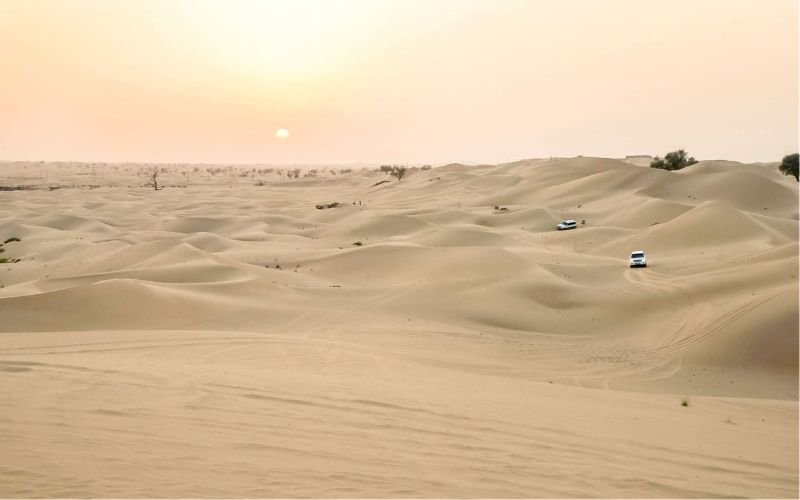
Whether you’re in West Bay’s skyscrapers, wandering Souq Waqif, relaxing at Katara Beach, or exploring Lusail, you’ll enjoy strong, reliable mobile coverage. Even during our desert safari we surprisingly a had good signal thanks to Qatar’s advanced telecom infrastructure.
Where to Stay
Doha offers accommodation for every style, budget, and travel personality. Whether you want modern luxury, cultural charm, waterfront views, or a walkable neighbourhood, the city has a district that fits your vibe. Here’s a deeper look at the most popular areas to help you choose the perfect base for your trip.
West Bay
West Bay is Doha’s sleek, futuristic business district — a skyline of glittering skyscrapers, five‑star hotels, and waterfront promenades.
Why stay here:
Modern skyscrapers with panoramic city or sea views
Close to the Corniche, Doha’s iconic waterfront walkway
Home to many luxury hotels, embassies, and corporate offices
Easy access to the Doha Metro Red Line
Great for travellers who want convenience, comfort, and a polished city feel
Best for:
Business travellers
First‑time visitors who want a central, modern base
Anyone who loves high‑rise hotels and city views
West Bay is polished, safe, and walkable in cooler months — a perfect introduction to Doha.
Near Souq Waqif
This is by far our favourite area to stay in Doha. If you want to experience Doha’s cultural heart, staying near Souq Waqif is a fantastic choice. This area blends tradition with comfort, offering boutique hotels built in a charming, old‑world architectural style.
Why stay here:
Traditional architecture and atmospheric alleyways
Steps away from the souq’s shops, cafés, and restaurants
Easy access to the Corniche and Museum of Islamic Art
A lively, cultural atmosphere day and night
Best for:
Culture lovers
Foodies
Travellers who want an authentic, historic feel
This area is especially magical in the evenings when the souq comes alive with music, street food, and local families.
The Pearl & Lusail
For a more upscale, resort‑style experience, The Pearl and Lusail offer waterfront living, modern marinas, and a relaxed, luxurious vibe.
Why stay here:
Beautiful waterfront views and marina promenades
Plenty of upscale dining, cafés, and boutique shops
Family‑friendly neighbourhoods with parks and beaches
Easy access to Lusail’s attractions, including the stadium and entertainment district
Best for:
Families
Long‑stay travellers
Visitors who prefer a quieter, resort‑like environment
These areas feel modern and international, with a slower pace than central Doha.
Msheireb Downtown Doha
Msheireb is one of Doha’s most innovative neighbourhoods — a sustainable, design‑forward district that’s both stylish and incredibly walkable.
Why stay here:
Walkable, stylish, and beautifully designed
Directly connected to the Doha Metro (all three lines intersect here)
Filled with museums, cafés, galleries, and boutique hotels
A perfect blend of modern architecture and Qatari heritage
Best for:
Design lovers
Foodies
Travellers who want a central, car‑free experience
Msheireb is one of the few places in Doha where you can comfortably explore on foot, making it ideal for visitors who love wandering through neighbourhoods.
Doha is a city of contrasts — modern yet traditional, fast‑growing yet deeply rooted in culture. With world‑class museums, stunning architecture, vibrant souqs, and warm hospitality, it’s a destination that rewards curiosity. A little preparation goes a long way, and understanding the climate, customs, and transport will help you enjoy the city with ease.
Whether you’re here for a quick stopover or a longer adventure, Doha offers a unique blend of experiences you won’t find anywhere else.