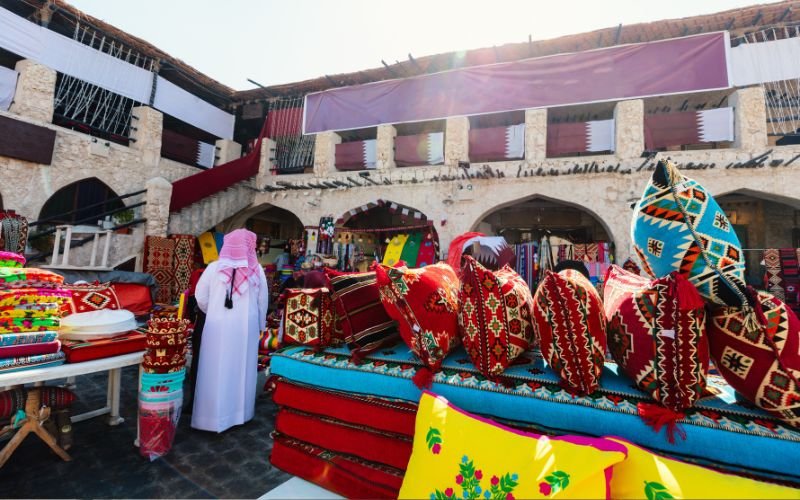
There’s something instantly captivating about Souq Waqif. From the moment we started planning our trip to Doha, it was right at the top of our must‑see list. Souq Waqif isn’t just a market — it’s the cultural heartbeat of Qatar. Whether you come to eat, wander, shop, or simply soak up the atmosphere, the souq pulls you in with the scent of spices, the colourful textiles, and the gleam of gold shops. Here’s your complete guide to help you make the most of your visit.
This post may contain affiliate links. If you make a purchase, we may earn a small commission at no extra cost to you. Our goal is to provide valuable and helpful content, and any commissions help us to mantain this site.
Contents
ToggleGet your Doha Essentials!
- Find cheap flights to Doha
- Find hotels or hostels in Doha
- Find activites and tours for Doha
- Compare hire car prices
- Get an eSIM for Doha. Use our code ‘TBTravellers to receive 5% OFF any eSIM!
What Exactly Is a Souq?
A ‘souq’ is the traditional Arabic word for marketplace. Historically, souq’s were the beating heart of Middle Easterns towns – places where traders, travellers and locals gathered to buy goods, exchange news and socialise. They were typically organised by trade such as spice souq, gold souq, textile souq, animal souq and so forth.
History of Souq Waqif
Sadly, in 2003, Doha’s original Souq Waqif was devastated by a fire that destroyed major sections of the old market. Instead of modernising it, Qatar made the thoughtful decision to rebuild it using traditional Qatari architectural techniques — mud walls, timber beams, and hand‑crafted details. The result is what you see today: a beautifully restored marketplace that feels genuinely historic rather than recreated. It’s a big area, and even though we visited on two separate occasions, I still don’t think we saw it all, so allow plenty of time if your itinerary allows it.
What To See and Do
1. Get Lost in the Spice Market
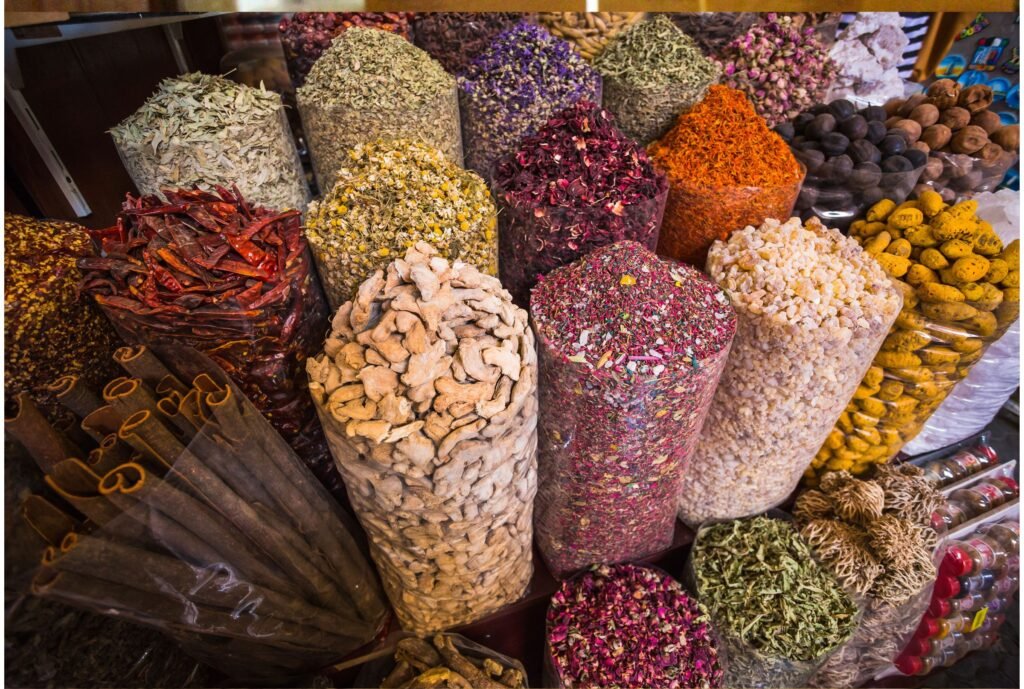
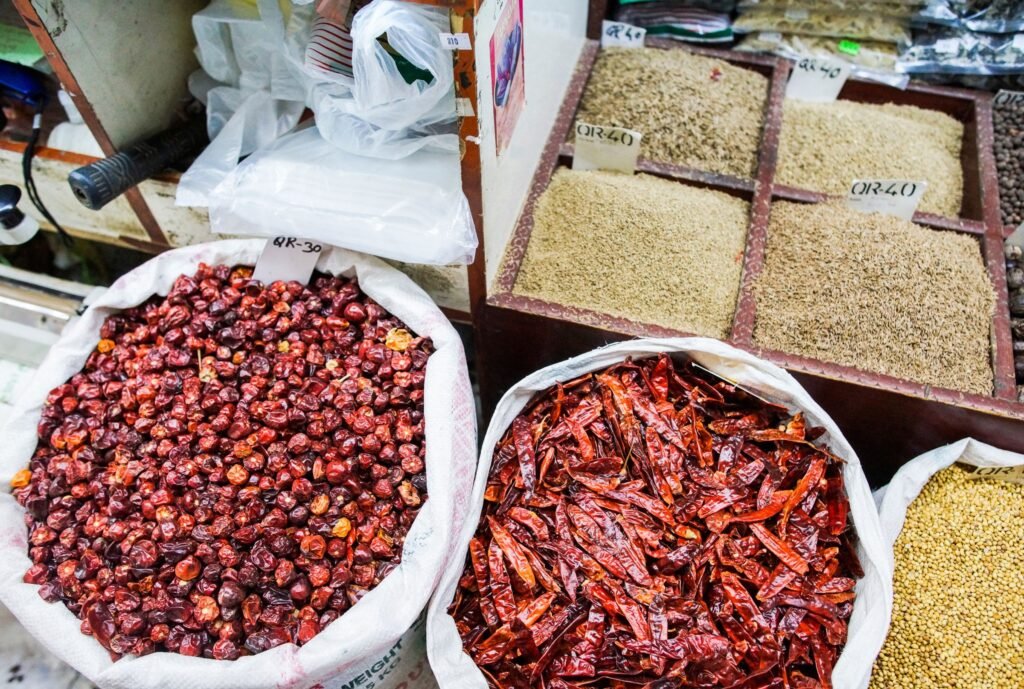
The spice market is one of the most atmospheric corners of Souq Waqif and by far our favourite to explore. The alley’s are narrow so the scent of all the cardamom, saffron, dried limes, and rose petals are amazing. There are so many stalls to wander through that are stacked with colourful pyramids of spices and herbs and many of the shopkeepers offer samples and are happy to explain how each blend is used in Qatari cooking.
You can buy the spices either by weight or most stalls have pre-packaged product making it easy if you need to declare when arriving in your home country. Bargaining is expected and adds to the experience but just remember to be respectful.
We found it interesting to learn that Qatar doesn’t produce large quantities of dried fruits or spices, and instead imports most of them from Asia—particularly India—as well as from other Middle Eastern countries such as Saudi Arabia and Iran.
Budget tip: Spices are incredibly cheap here. A small bag of saffron or za’atar makes a perfect souvenir.
2. Visit the Falcon Souq
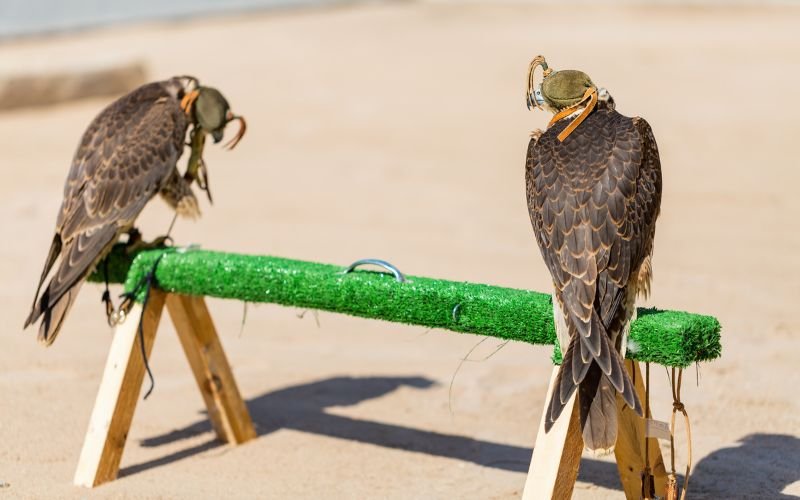
This is easily one of the most unique areas of Souq Waqif. Falcons hold a special place in Qatari heritage, and here they sit perched calmly while owners chat with trainers or browse equipment. Even though it was clear we weren’t potential buyers, the owners were incredibly welcoming—happy to talk about how the birds are cared for, trained, and even how winning a falcon competition is considered a major honour, more so than a sporting achievement.
It was fascinating to see how widely falcon prices varied — some were as low as 300 riyals, while others reached into the tens of thousands.
As it’s part of the animal souq, be prepared for a few strong smells, especially if you’re sensitive to them! There’s also a fully equipped falcon hospital right in the middle of the souq, but unfortunately we didn’t have time to visit.
3. Find the ‘Golden Thumb’ Sculpture
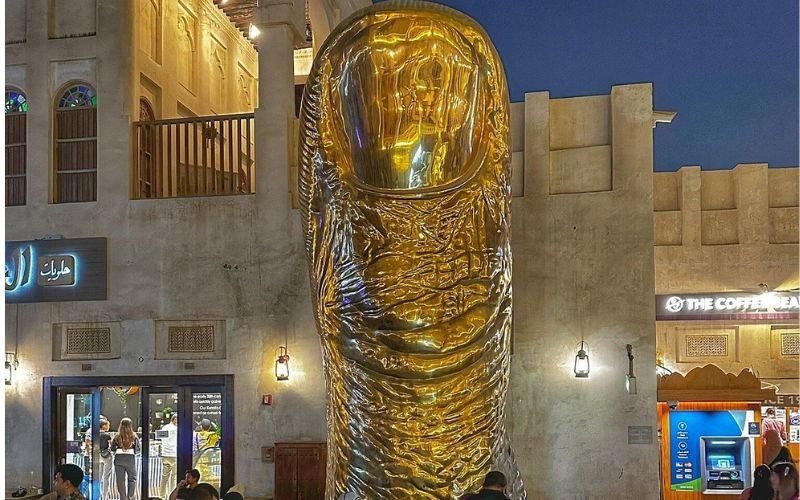
A towering, hyper‑realistic golden thumb that was created by French artist César Baldaccini stands proudly in Souq Waqif. It was installed to celebrate Qatar’s 2019 AFC Asian Cup victory, it’s a playful symbol that bridges Doha’s deep-rooted heritage with its growing passion for contemporary global art.
The sculpture’s gleaming surface and oversized scale make it an irresistible photo spot, especially against the souq’s warm, earthy backdrop. You’ll find it in the open plaza near the police station, surrounded by cafés and restaurants. We loved seeing it up close the sheer size is impressive and there’s something about wandering through the souq’s narrow alleys only to suddenly emerge into an open square dominated by this giant golden thumb.
4. Explore the Gold Souq
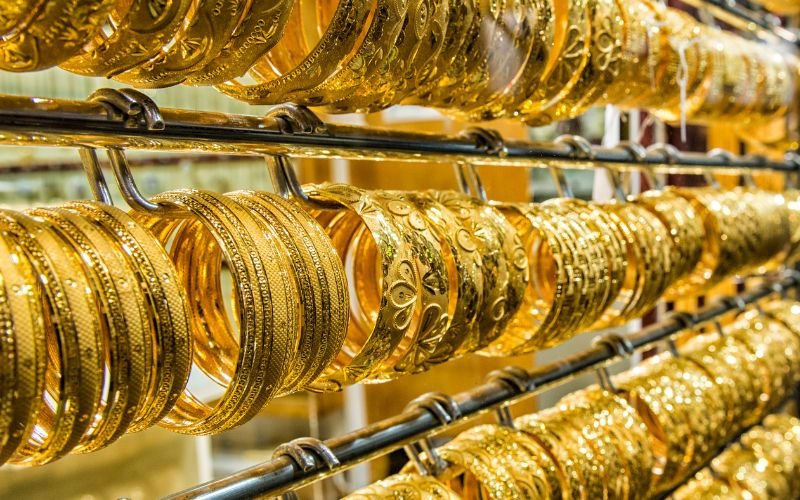
The Gold Souq is one of the most dazzling corners of Souq Waqif, where the glow of polished gold fills every shop window and the craftsmanship on display is genuinely impressive. I don’t thing we’ve seen so many stalls filled with gold, well except maybe the gold district in Bangkok. Even if you’re like us and not in the market for jewellery, it’s worth wandering through just to admire the artistry.
Inside the cluster of small, traditional shops, you’ll find everything from delicate filigree bracelets to bold wedding sets, intricate pendants, and beautifully crafted bangles. Many pieces are handmade by local and regional artisans, and the designs range from modern to ornate.
5. Visit the Camel Pen
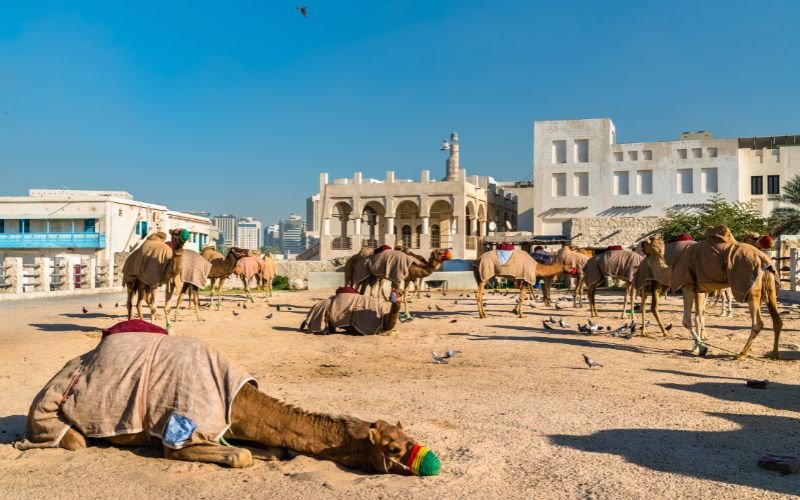
Tucked away on the northern edge of Souq Waqif, near the Corniche and just across from Souq Waqif Garden, you’ll find the camel pen — an unpolished but fascinating corner of the market. It’s very much a working enclosure, where camels rest, feed, and interact with their handlers. We’ll admit, it’s a little confronting at first to see them in a pen, but we were reassured that the animals are well cared for and closely monitored.
Walking along the perimeter gives you a surprisingly close view of the camels, and when we visited, the handlers were more than happy to chat. They answered questions about the animals, their routines, and the role camels continue to play in Qatari culture.
6. The Old Well
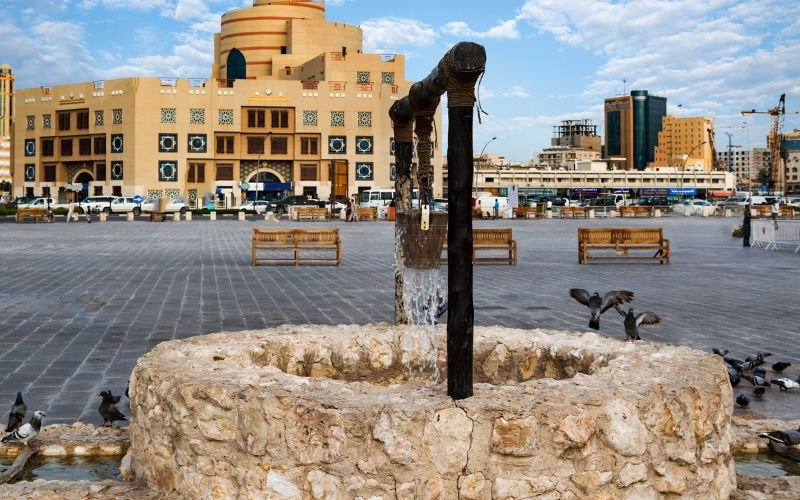
Tucked among the winding alleys of Souq Waqif is a small but meaningful landmark that we almost walked past without realising its importance — the Old Well. It may not be as eye‑catching as the golden thumb or as lively as the camel pen, but it carries a quiet weight of history that adds depth to any visit.
The well is a reminder of what Souq Waqif once was: a bustling trading hub where merchants and locals gathered long before Doha became the modern city it is today. Before desalination plants and modern infrastructure, wells like this were essential to daily life. They provided water for drinking, cooking, animals, and the traders who passed through the market.
Today, the well has been carefully preserved as part of the souq’s restoration, offering a tangible link to Qatar’s past.
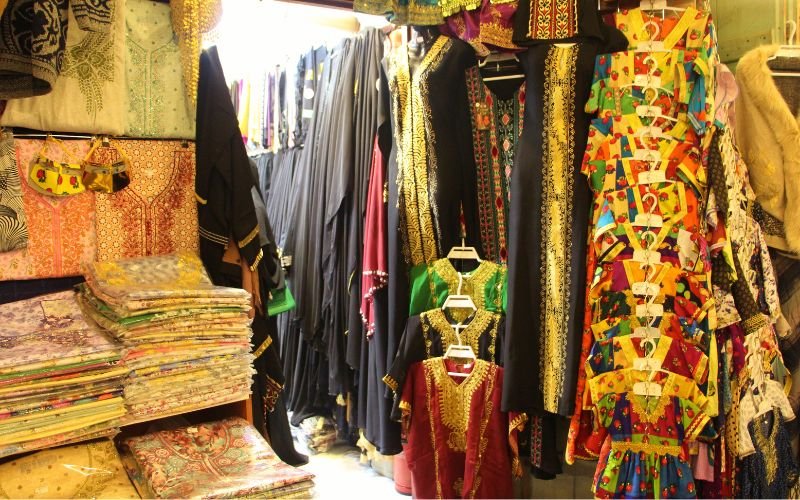
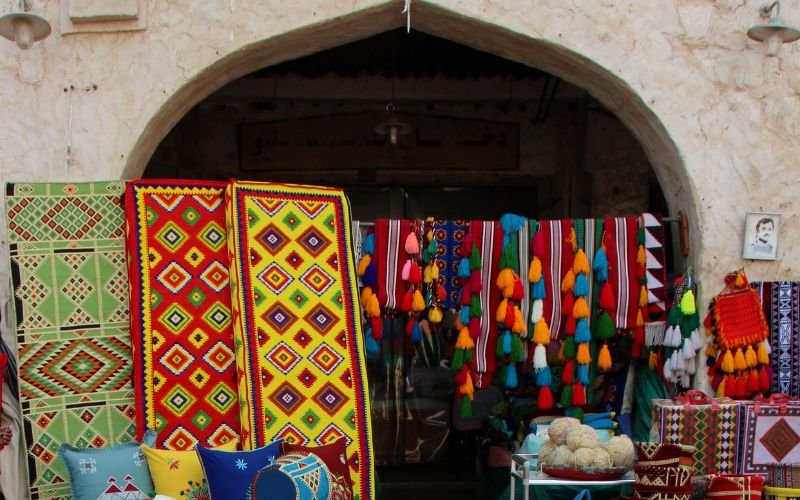
7. Explore the Textiles and Apparel Souq
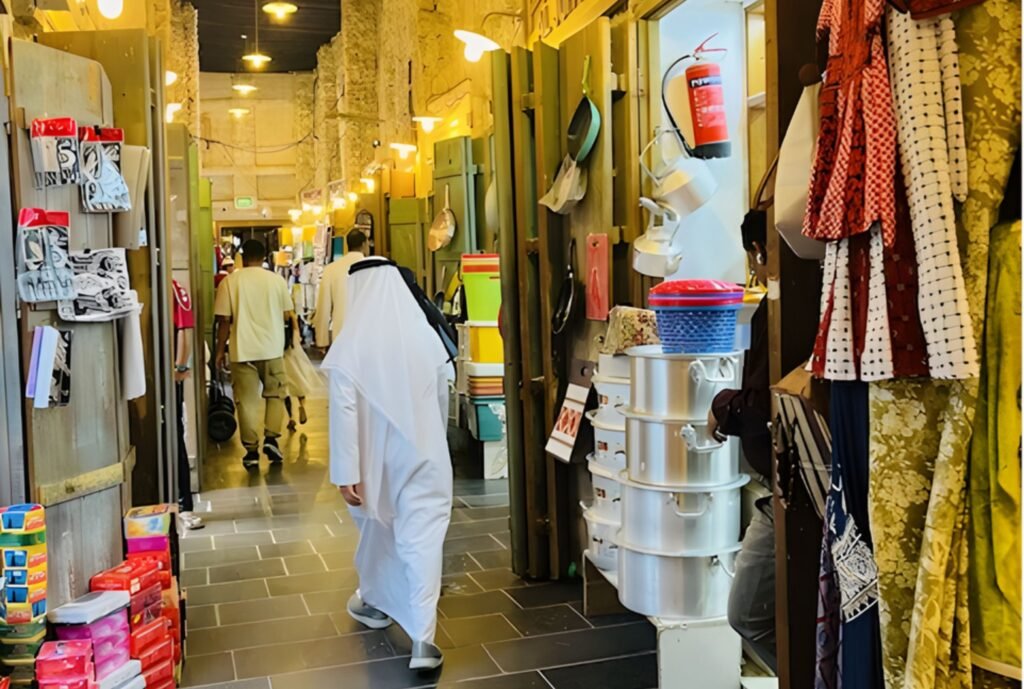
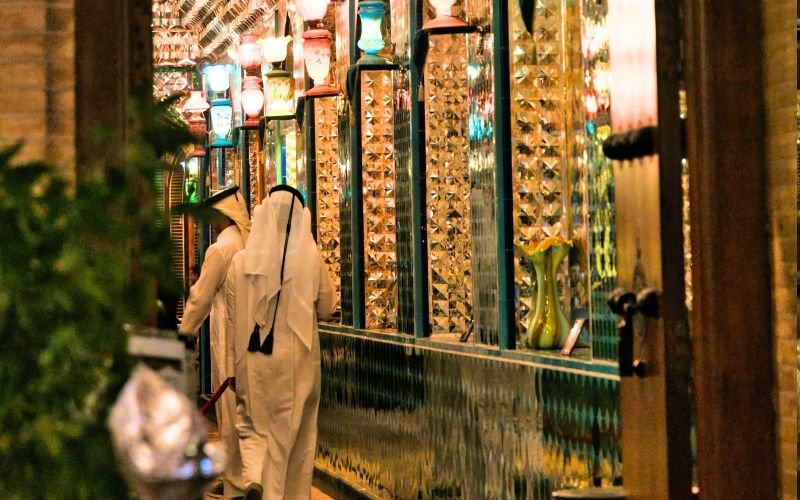
We wandered through the narrow lanes shoulder‑to‑shoulder with tailors, merchants, and families shopping for special‑occasion outfits. Every few steps, someone invited us to feel a fabric or admire a pattern they were particularly proud of. You can buy ready-made items or have something custom designed.
We watched a tailor sketch out a custom thobe design in a matter of seconds, now that’s talent!
8. Enjoy Qatari and Middle Eastern Cuisine
One of our favourite things to do when we visit a new country is dive straight into the local food scene — and Souq Waqif did not disappoint. There’s so much to choose from, and we ended up eating at the souq every night of our trip as the food was delicious and affordable. It’s an absolute win for anyone travelling on a budget.
You’ll find plenty of traditional Qatari dishes worth trying including Machboos, a fragrant spiced rice dish served with chicken and thareed, slow‑cooked lamb.
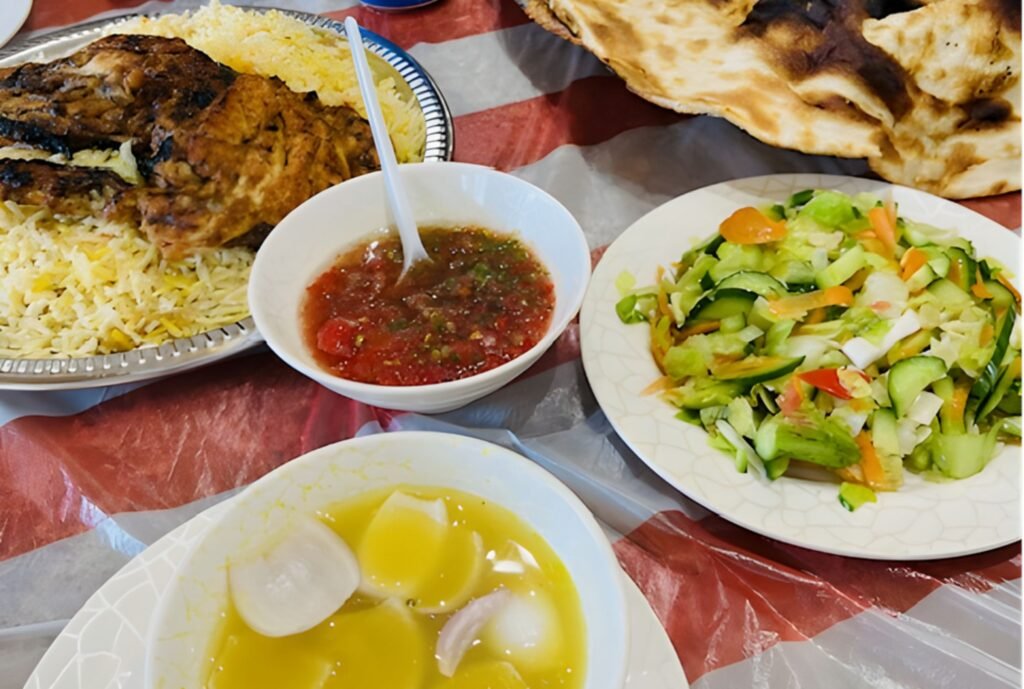
One of our favourites was a a no-frills Yemenese restaurant Bandar Aden Restaurant where we enjoyed our meal sitting in a traditional room on the floor. We had chicken, rice, salad, soup and the largest soft bread we had ever seen for only QAR 35, about AUD$14.
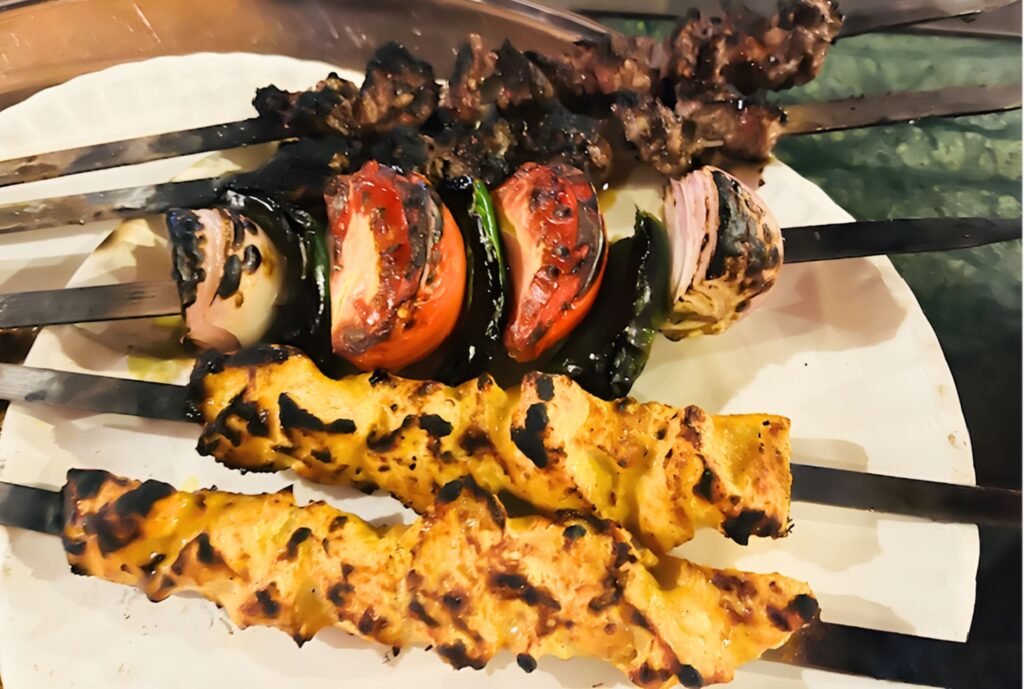
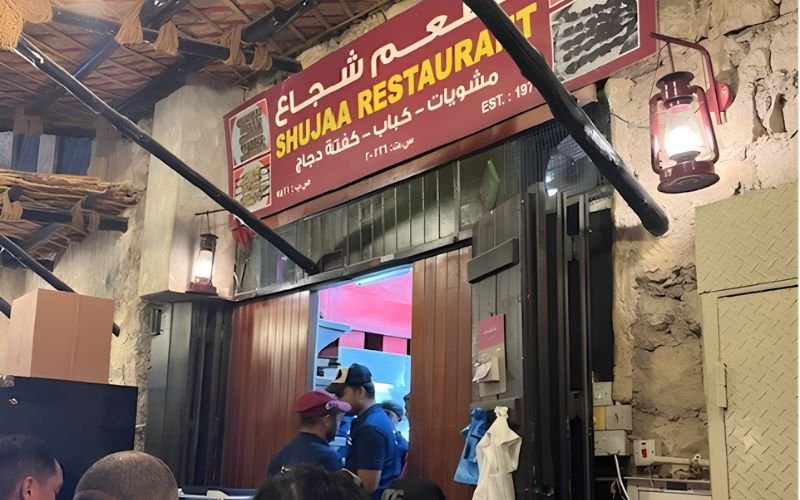
Shujaa Restaurant is the place to go for incredible Middle Eastern meat skewers. Don’t expect anything fancy when it comes to presentation — we sat at a shared table with other diners, armed with thin napkins and a very casual setup. But the flavours are authentic, smoky, and absolutely delicious. Their skewers are only QAR 5, just under AUD$2.
It’s a popular spot, so be prepared to wait a little for a table, though the turnover is quick. Trust us, it’s worth every minute.
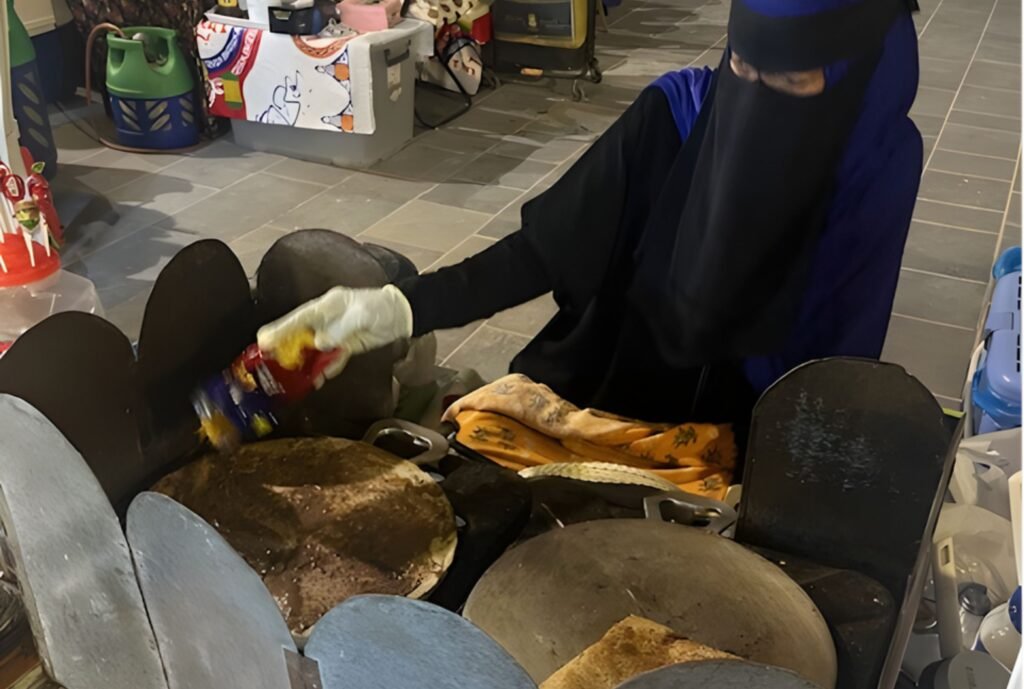
Don’t skip dessert. In the evenings, on the outskirts of the market, local women set up small stalls selling cold drinks and freshly made chapati filled with all sorts of toppings. We went for the Nutella — simple, classic, and absolutely delicious. There’s no seating, you just grab your treat and enjoy it as you wander through the souq. It’s the perfect sweet finish to a night of exploring.
And of course, no visit is complete without a cup of karak tea — sweet, milky, and perfect at any time of day.
8. Visit the Al Fanar Mosque
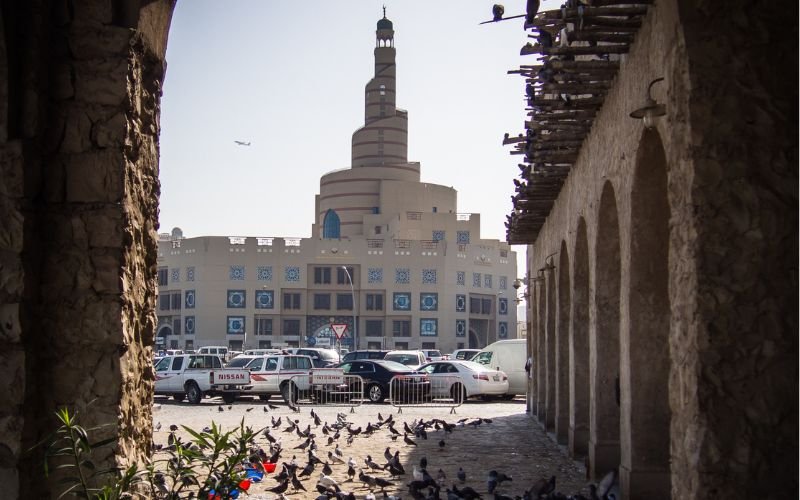
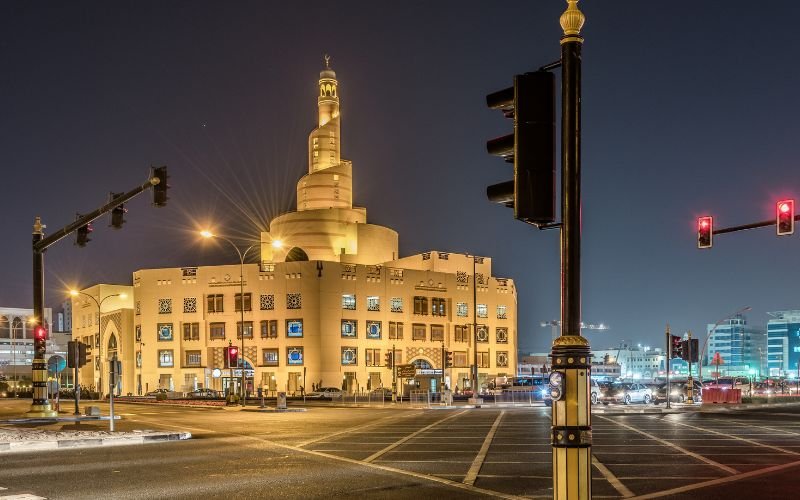
One of the most striking landmarks in Doha is the Al Fanar Mosque, often called the Spiral Mosque thanks to its distinctive swirling minaret that rises above the city like a soft golden ribbon.
Not officially ‘in’ the souq but located right near by so it’s easy to combine with your Souq visit. The building itself is part of the Fanar Islamic Cultural Center, which was created to share knowledge about Qatari culture and Islamic traditions. You don’t need to be Muslim to visit; the centre welcomes people from all backgrounds but make sure you are dressed respectfully.
What makes the mosque so memorable is its architecture. The spiral design is inspired by the historic Great Mosque of Samarra in Iraq, but Al Fanar gives it a modern Qatari twist. As the sun sets, the building glows in warm tones, and the minaret lights up beautifully — it’s one of those moments where you instinctively reach for your camera.
The Hamali of Souq Waqif
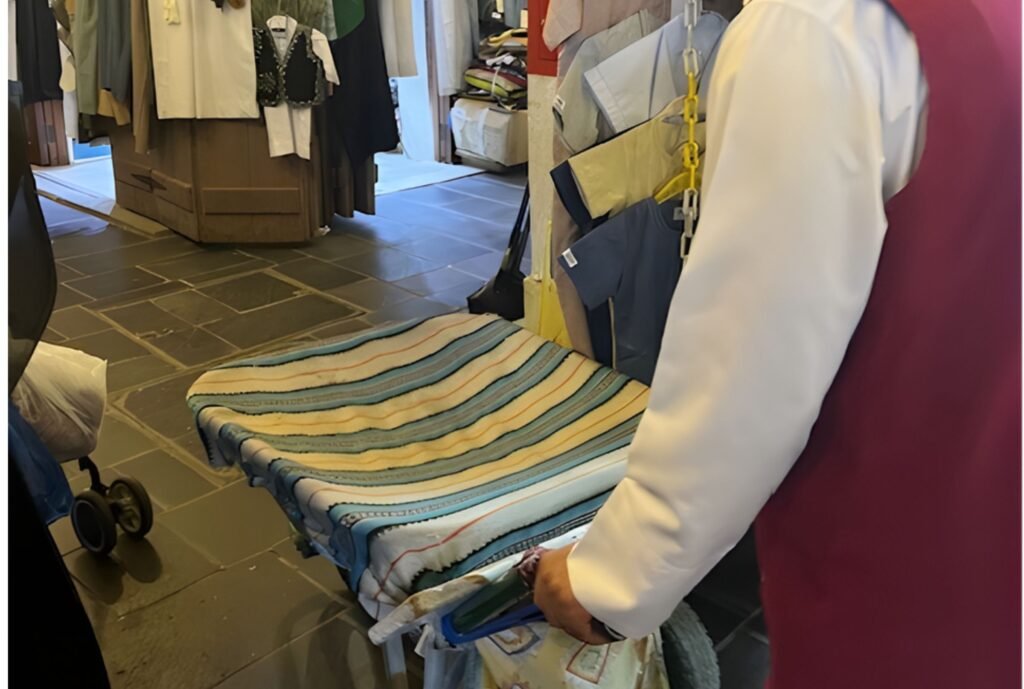
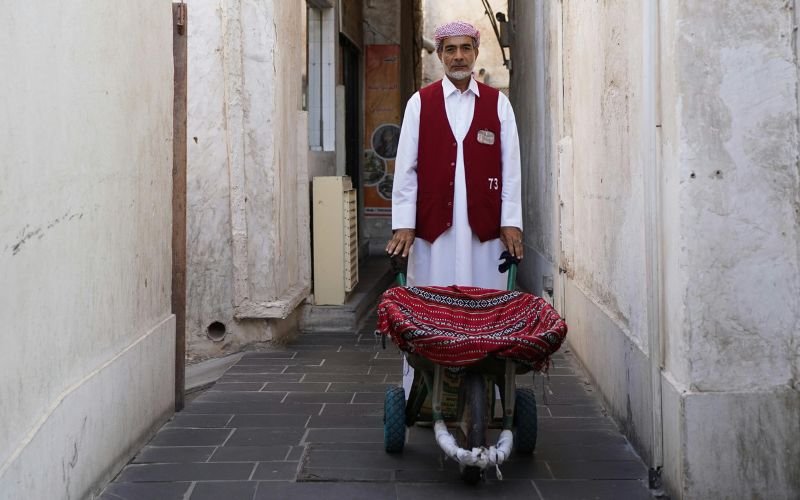
One of the most charming quirks of Souq Waqif is something we didn’t notice at first — no one was carrying their own shopping bags. It didn’t take long to realise why. The souq has traditional porters known as Hamali, and they’re an essential part of the experience.
Dressed in their distinctive maroon vests, the Hamali weave through the alleys with wheelbarrow-style trolleys, helping shoppers move their purchases from stall to stall or all the way out to their car. If your bags start piling up, just wave one over — for a small cash tip, they’ll transport your shopping for you!
There’s no fixed price for their service; it’s simply based on what feels fair. Most people tip according to how many bags they have and how far the Hamali needs to push the trolley.
Best Time to Visit Souq Waqif
The souq closes during the afternoon in the peak of the heat. In the morning it’s open from 7AM – 12PM and in the afternoon from 4PM – midnight.
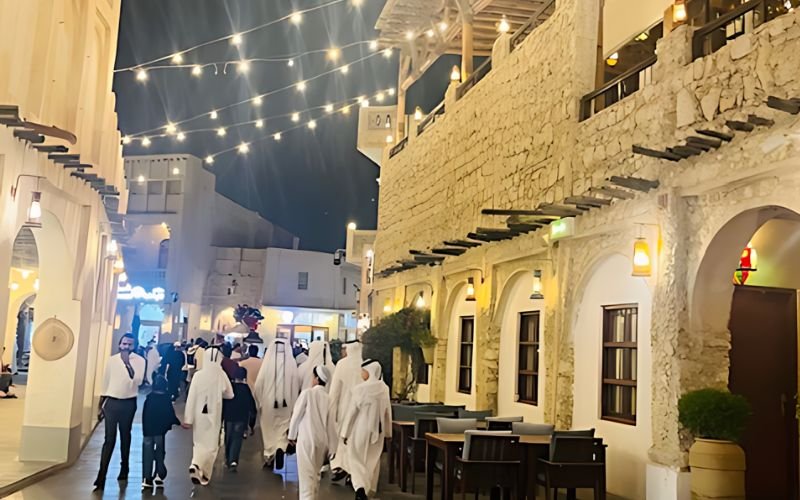
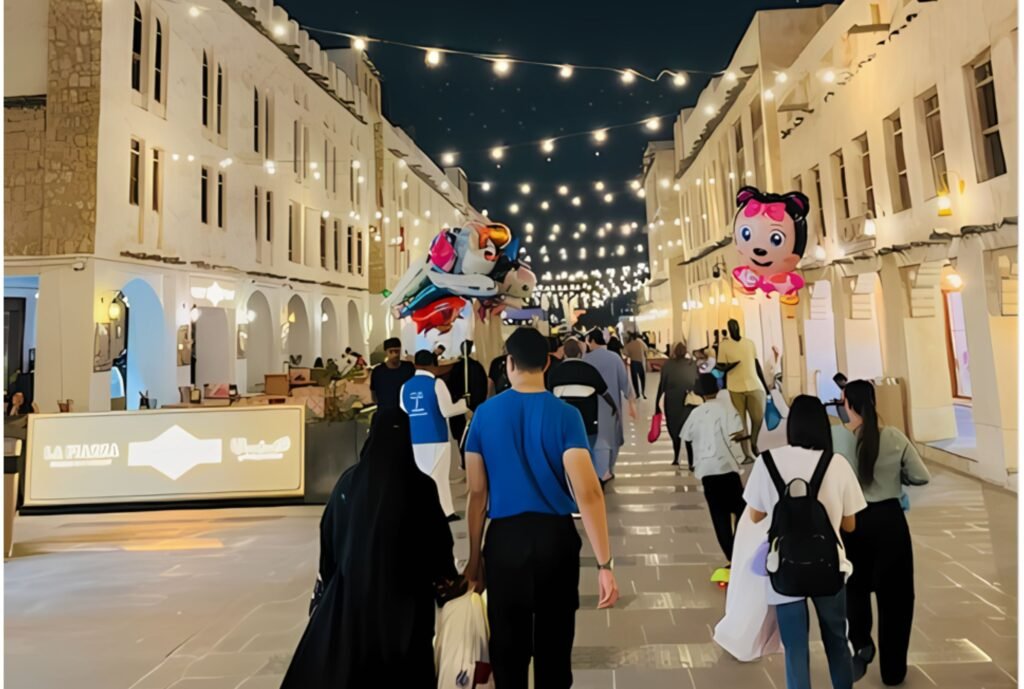
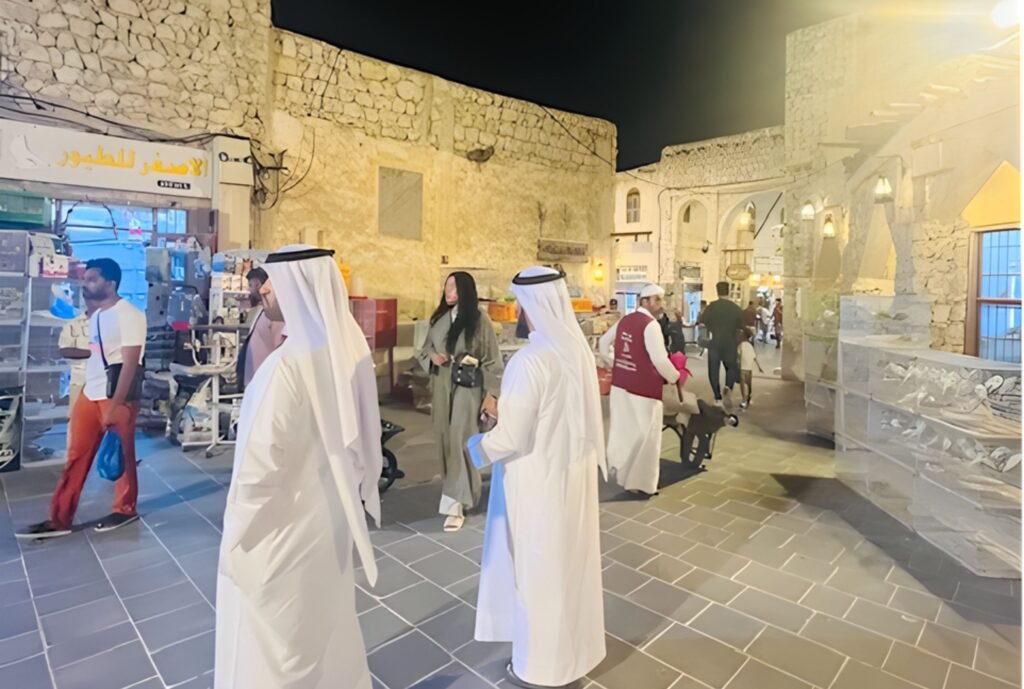
Evenings, however, are when Souq Waqif is at its best — lively, warm, and full of character. Whether you’re coming for dinner, shopping, or simply to soak up the atmosphere, visiting after sunset gives you the most memorable experience.
If you prefer a quieter experience, visiting earlier in the day is a great option. Many shops open around late morning, and you’ll have more space to wander the alleys, browse the stalls, and take photos without the crowds.
One thing to keep in mind is Friday mornings. Because Friday is the holy day in Qatar, most of the souq is closed until the early afternoon. The area feels almost empty, with shutters down and only a few cafés operating. If you’re planning a Friday visit, aim for after 4pm, when the souq slowly reopens and the atmosphere returns.
How To Get To Souq Waqif
The souq sits right in the heart of the city, close to the Corniche and surrounded by some of Doha’s most recognisable landmarks, so it’s well connected and simple to reach.
By Metro
The most convenient way is the Doha Metro which is super cheap.
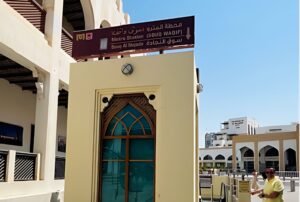
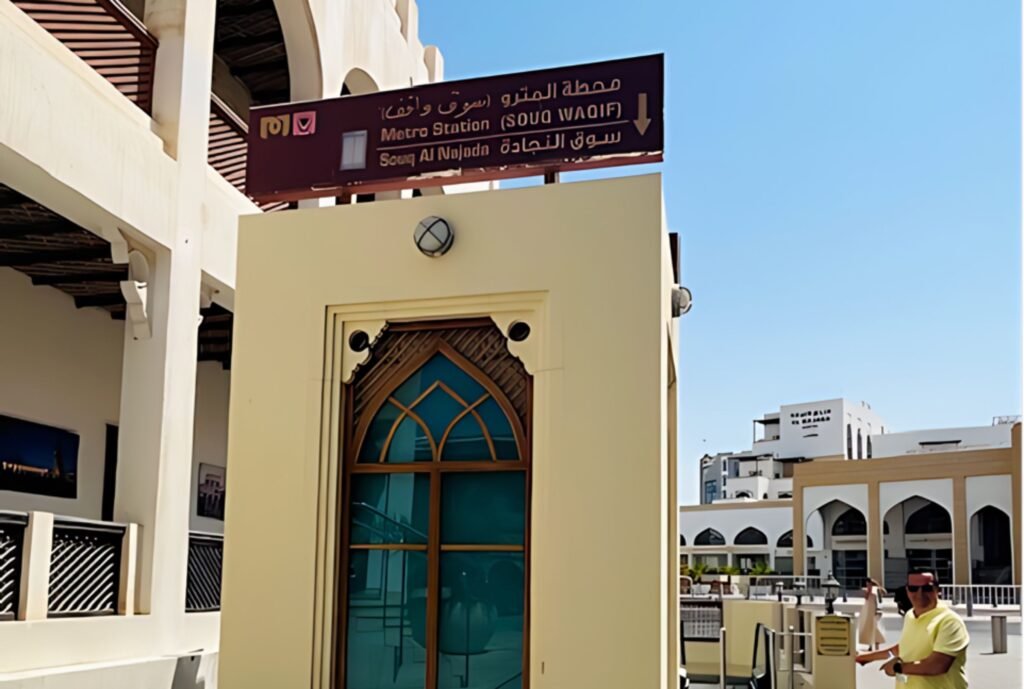
Take the Gold Line and hop off at Souq Waqif Station
From there, it’s just a short walk — you’ll emerge right at the edge of the market. It’s clean, fast, and air‑conditioned, which is a blessing in Doha’s heat.
By Taxi or Uber
Taxis and ride‑share apps like Uber and Karwa are widely available and reasonably priced. Just type in “Souq Waqif” and you’ll be dropped at one of the main entrances. This is the easiest option if you’re coming from the airport or staying a bit further out.
On Foot
If you’re already exploring the Corniche or nearby attractions like the Museum of Islamic Art, you can easily walk. It’s about 10–15 minutes from the MIA Park area, and the stroll is lovely in the late afternoon or evening when the city cools down.
Visiting Souq Waqif is more than ticking off a sightseeing spot — it really is stepping into the living heartbeat of Doha.
Whether you come for the food, the shopping, the culture, or simply to wander, the souq has a way of pulling you in and leaving you with memories that linger long after you’ve left. It’s a place that captures the soul of Qatar, and one you’ll be glad you took the time to explore.