The Netherlands has so much more to offer than Amsterdam. If you’re looking for an affordable day trip, Delft is one of the country’s most charming destinations. With its picturesque canals, historic streets and beautiful architecture, it’s the perfect place to explore without spending a fortune.
Located between Rotterdam and The Hague, Delft is famous for its iconic Delft Blue pottery, its connection to the artist Johannes Vermeer, and the prestigious Delft University of Technology, which gives the city a lively, youthful atmosphere.
In this guide, we’ve rounded up the best free things to do in Delft so you can experience this beautiful Dutch city on a budget
This post may contain affiliate links. If you make a purchase, we may earn a small commission at no extra cost to you. Our goal is to provide valuable and helpful content, and any commissions help us to mantain this site.
Contents
ToggleGet your Delft Essentials!
- Find cheap flights to Delft
- Find hotels or hostels in Delft
- Find activites and tours for Delft
- Compare hire car prices
- Get an eSIM for Delft. Use our code ‘TBTravellers to receive 5% OFF any eSIM!
1. Wander Around Markt Square
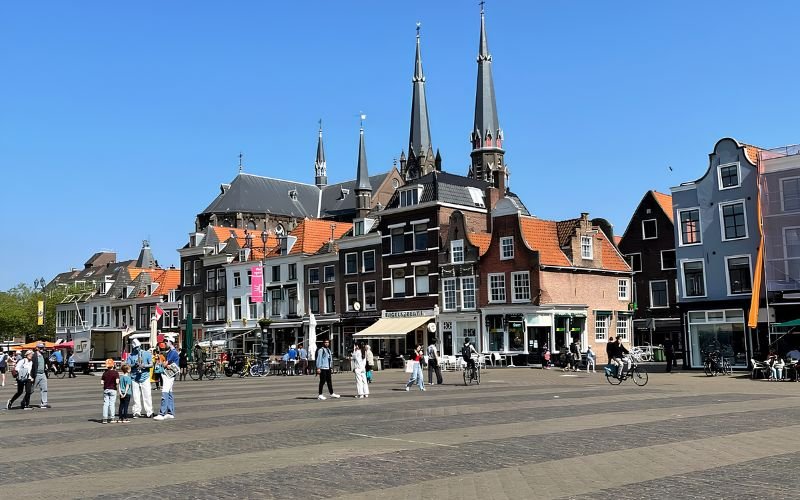
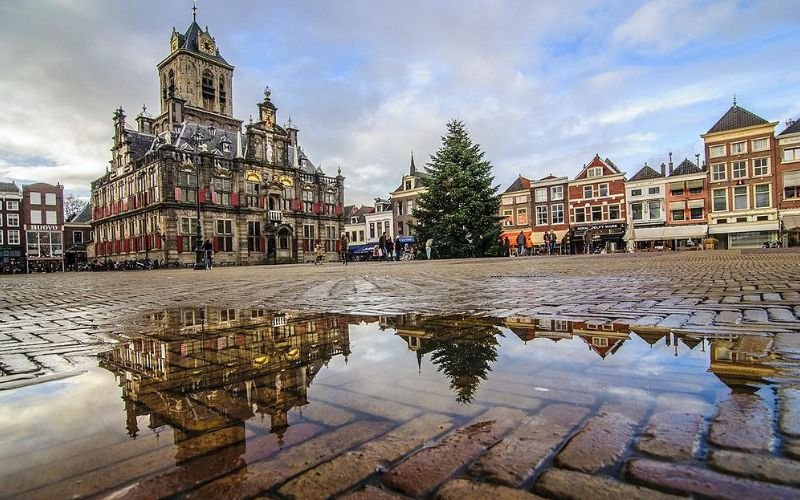
The Markt is the heart of Delft and the perfect place to begin exploring the city. This spacious square is framed by two of Delft’s most famous buildings: the impressive City Hall on one side and the towering Nieuwe Kerk (New Church) on the other.
Surrounding the square you’ll find plenty of cafés with outdoor terraces, cosy restaurants, souvenir shops and the famous Delft Blue pottery stores. It’s an ideal spot to pause with a coffee, watch the world go by and soak up the relaxed atmosphere. Throughout the year the square also hosts markets and seasonal events, making every visit a little different.
2. Visit the Leaning Old Church (Oude Kerk)
Despite its name, the Nieuwe Kerk isn’t actually all that new. The Oude Kerk, or Old Church, was completed in 1246, making it around a century older than its neighbour.
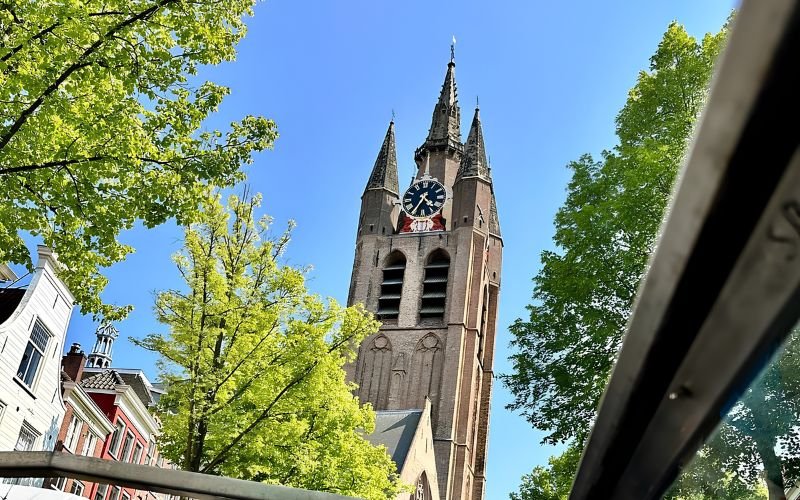
The church’s most famous feature is its distinctive leaning tower. Standing 75 metres tall, the tower noticeably tilts to one side, earning it the nickname Scheve Jan or “Crooked John.” The unusual lean happened because part of the tower was built over a former canal, creating unstable foundations that caused it to sink while construction was still underway.
For many years locals worried that the tower might collapse altogether. In fact, in the mid-1800s there were plans to demolish the church, but strong public opposition saved it. Today the tower has been fully stabilised and remains one of Delft’s most photographed landmarks, leaning almost two metres off centre.
While there’s an admission fee to explore the interior, you can still admire the beautiful Gothic exterior for free. If you do decide to go inside, you’ll discover impressive stained-glass windows, three magnificent pipe organs dating from the 18th and 19th centuries, and the peaceful atmosphere of one of Delft’s oldest buildings.
3. Admire the Beautiful Delft City Hall
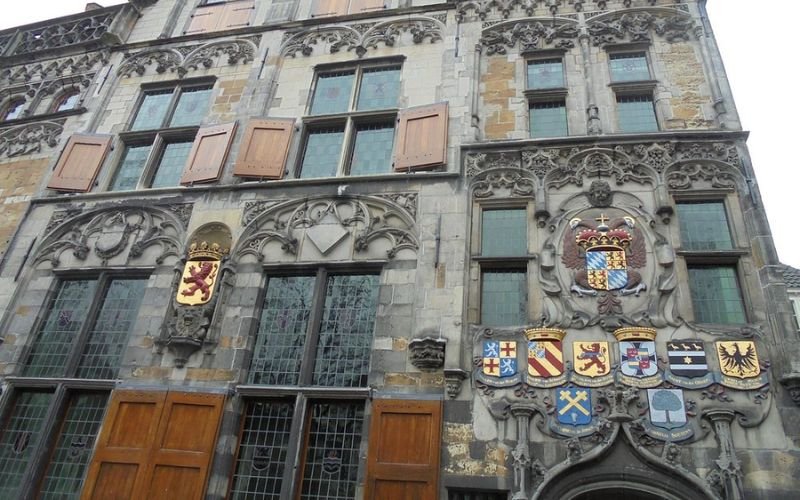
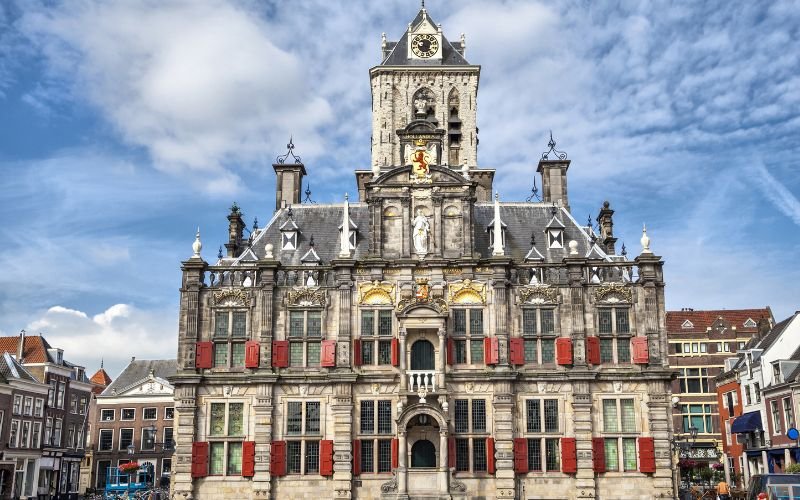
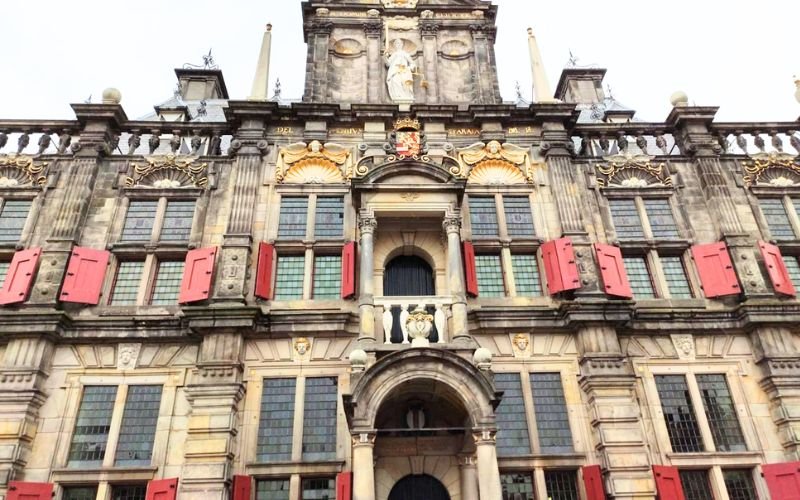
Standing proudly on the edge of Markt Square, Delft’s City Hall is one of the city’s most recognisable landmarks. The striking Renaissance-style building immediately catches your eye with its elegant stone façade, bright red shutters, decorative statues and intricate carvings.
Although it still serves as Delft’s city hall and is where the local government is based, it’s also a popular venue for weddings. Even if you don’t step inside, it’s well worth taking a few minutes to admire the architecture and snap some photos. The building is especially beautiful when the square is buzzing with people enjoying the cafés and restaurants nearby.
4. See the Historic Oostpoort
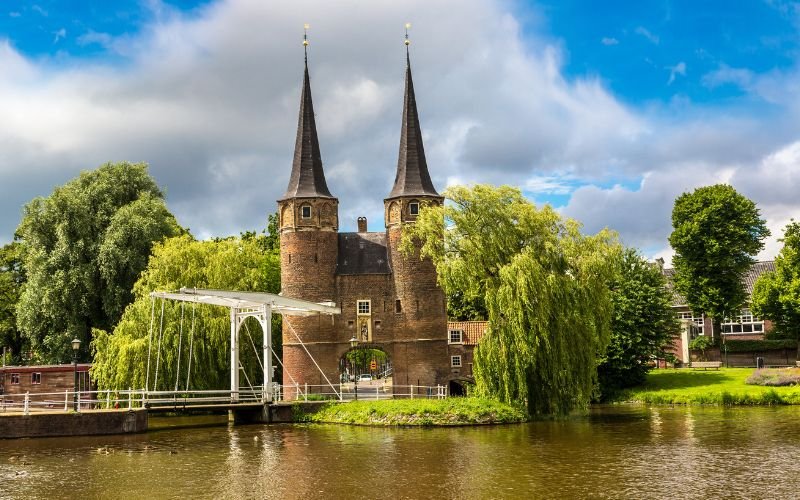
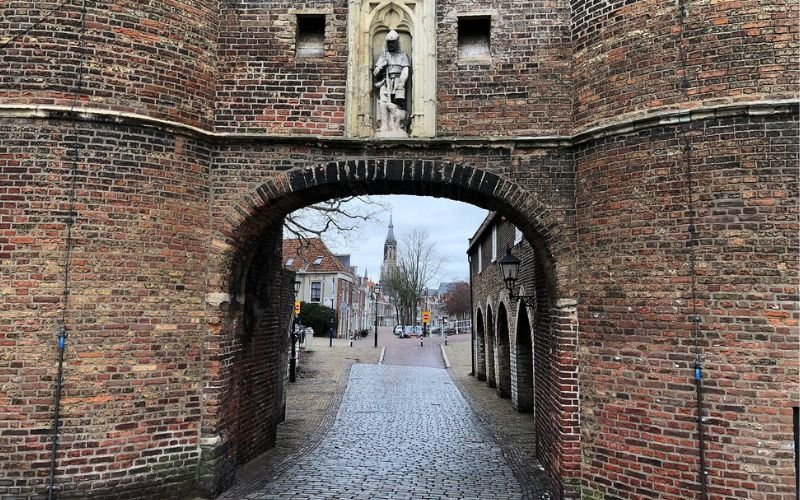
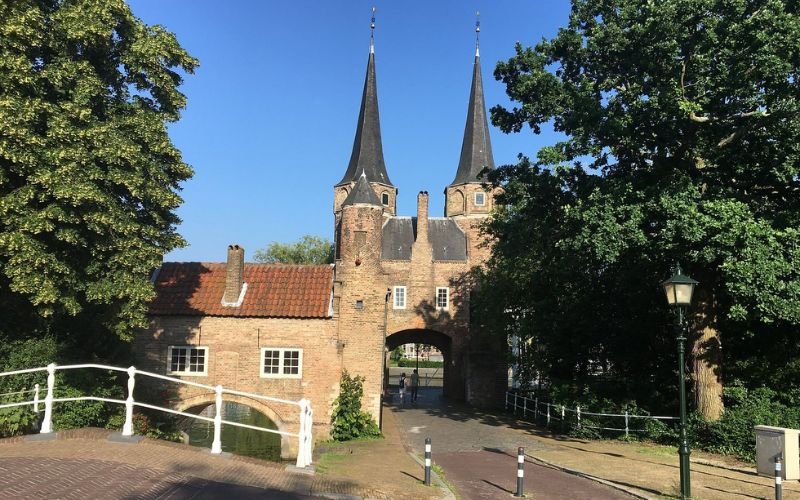
The Oostpoort, or Eastern Gate, is the last surviving medieval city gate in Delft. Built around 1400, it once formed one of the main entrances to the walled city and is a wonderful example of Northern European Brick Gothic architecture.
Today the gate is privately owned, so visitors can’t go inside, but it’s still well worth the short walk from the city centre. Sitting beside the canal with its picturesque twin towers and pointed roofs, it’s one of Delft’s most photogenic locations and a favourite stop for photographers.
5. Browse the Saturday Flea Market
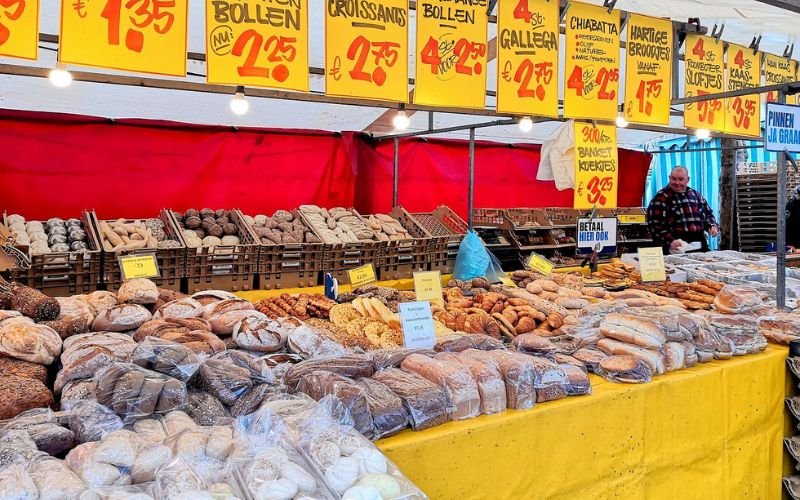
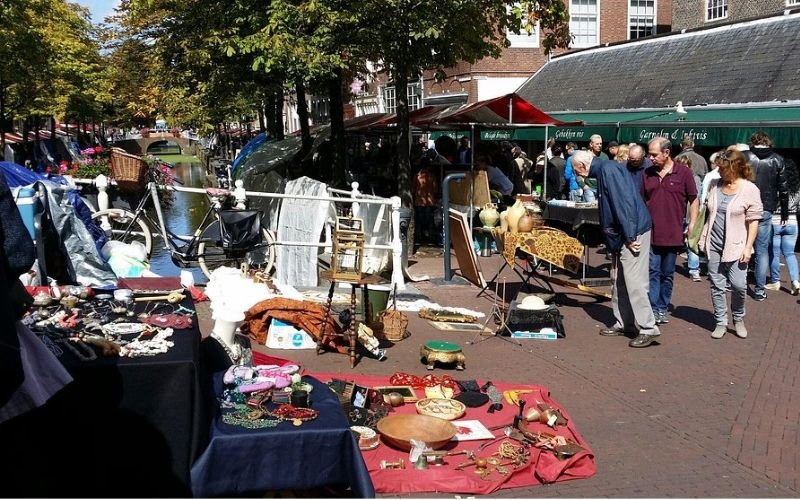
If you’re visiting Delft on a Saturday, don’t miss the city’s lively flea market. While Delft hosts its regular market on Thursdays, Saturdays bring an even bigger market that stretches through the streets and alongside the canals.
Browsing the stalls is completely free and is a fantastic way to experience local life. You’ll find everything from antiques and vintage treasures to artwork, books, clothing, ceramics, vinyl records and quirky Dutch souvenirs, including the miniature KLM Delft Blue houses that collectors love.
The market also features plenty of food stalls selling fresh produce, baked treats and delicious street food, making it just as enjoyable for food lovers as bargain hunters.

6. Step Inside Maria van Jessekerk
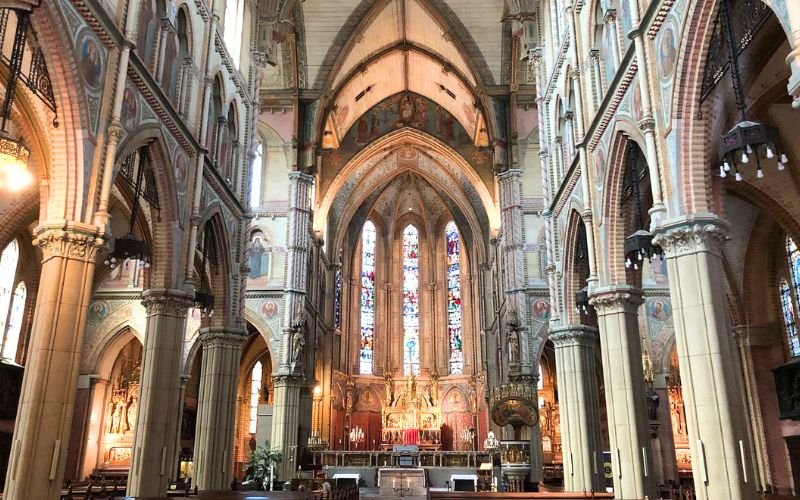
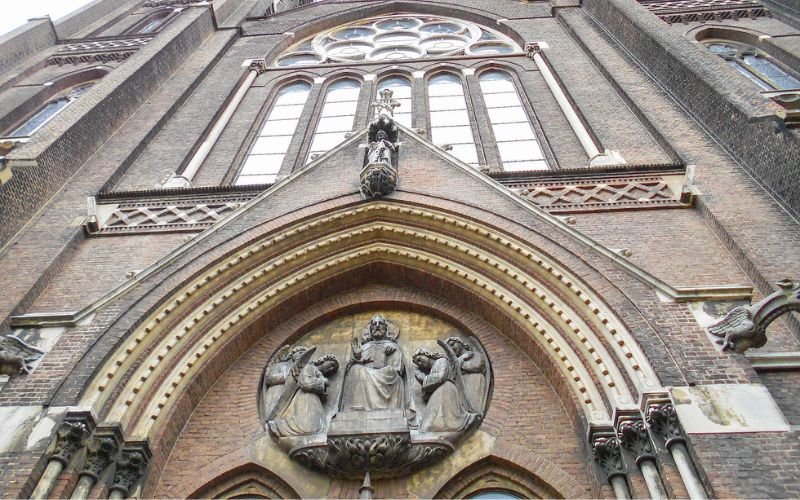
While entry to both the Nieuwe Kerk and Oude Kerk requires a ticket, Maria van Jessekerk offers visitors the chance to admire one of Delft’s most beautiful churches completely free of charge.
Located between Markt Square and Beestenmarkt, this stunning 19th-century Neo-Gothic church is often overlooked by visitors, making it one of Delft’s hidden gems. Inside you’ll find soaring vaulted ceilings, colourful decorative details, elaborate stained glass and richly ornamented interiors that create a peaceful and awe-inspiring atmosphere.
Opening hours vary throughout the year, so it’s worth checking before your visit. If you happen to find the doors open, don’t miss the opportunity to step inside and appreciate one of Delft’s most impressive free attractions.
7. Stroll Along Delft’s Canals
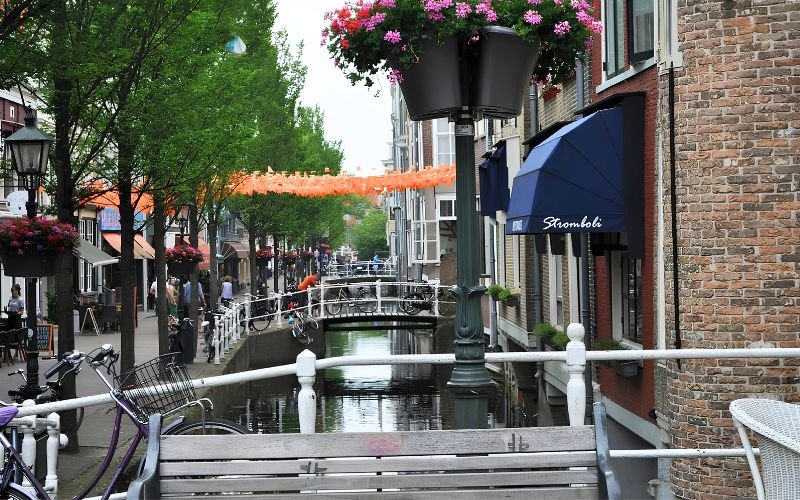
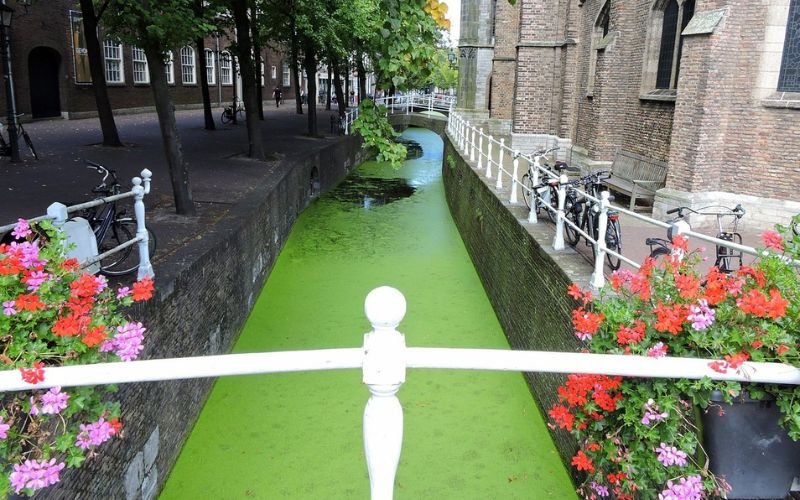
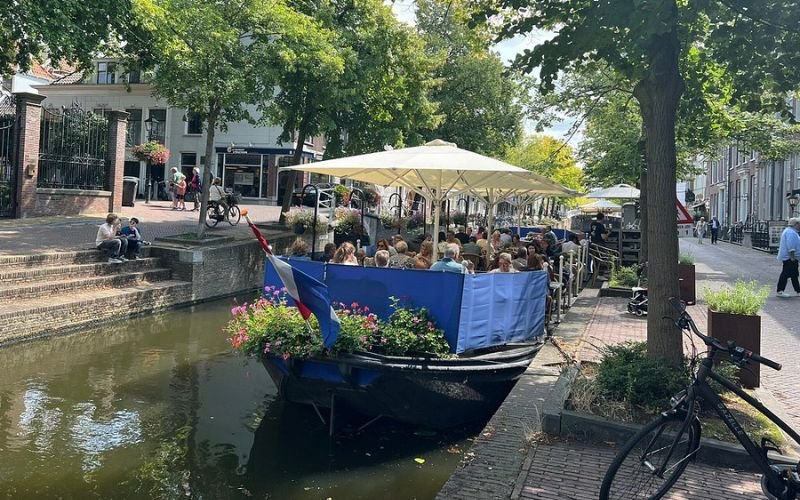
One of the best free things to do in Delft is simply wander along its picturesque canals. Often compared to a quieter version of Amsterdam, Delft’s waterways are lined with charming bridges, historic townhouses and cafés with waterside terraces.
Take your time exploring the smaller side streets branching off from the canals—you’ll often stumble across hidden courtyards, tiny boutiques and peaceful corners away from the crowds.
8. Discover Beestenmarkt
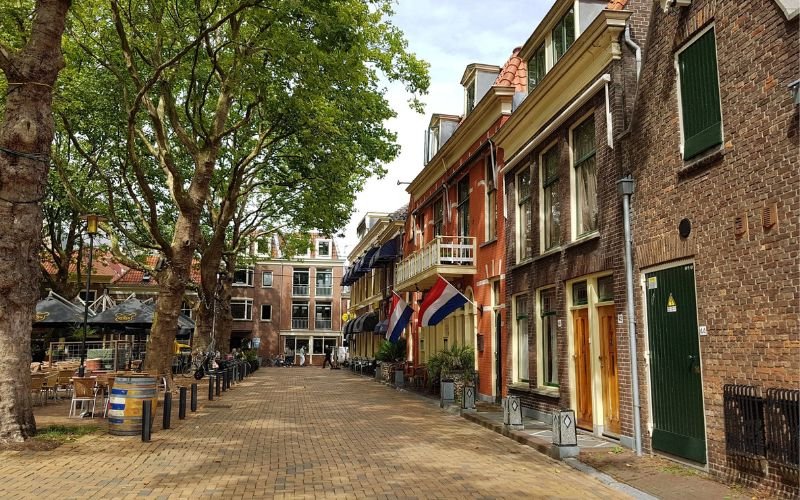
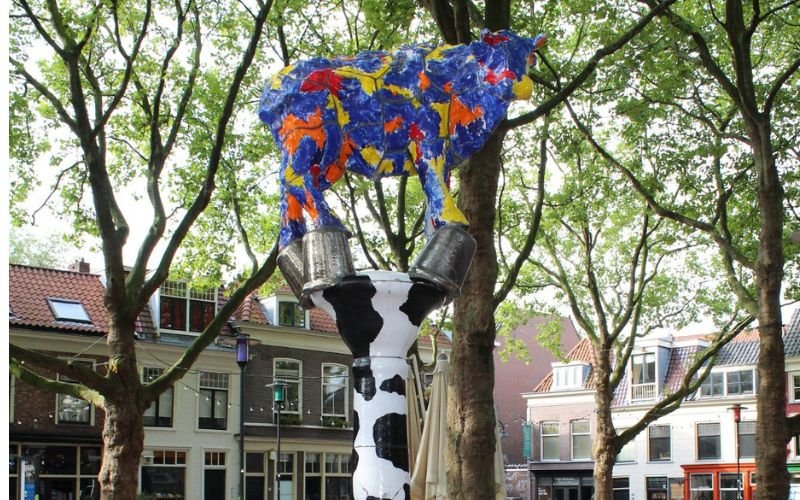
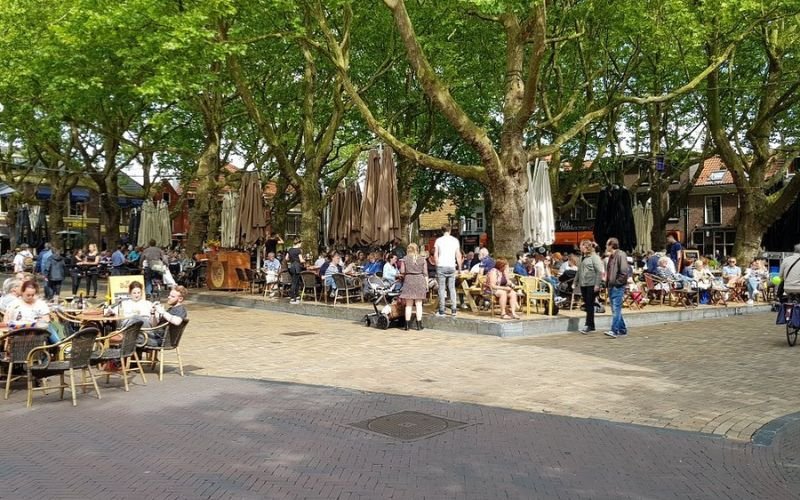
Just a few minutes from Markt Square, Beestenmarkt is one of Delft’s liveliest public squares. Once a medieval cattle market, it’s now a leafy plaza surrounded by cafés, restaurants and terraces.
During the warmer months, the square buzzes with locals enjoying drinks under the shade of mature plane trees. Even if you’re travelling on a budget, it’s a lovely place to sit on a bench, soak up the atmosphere and enjoy a bit of people-watching.
9. Hunt for Delft Blue Pottery
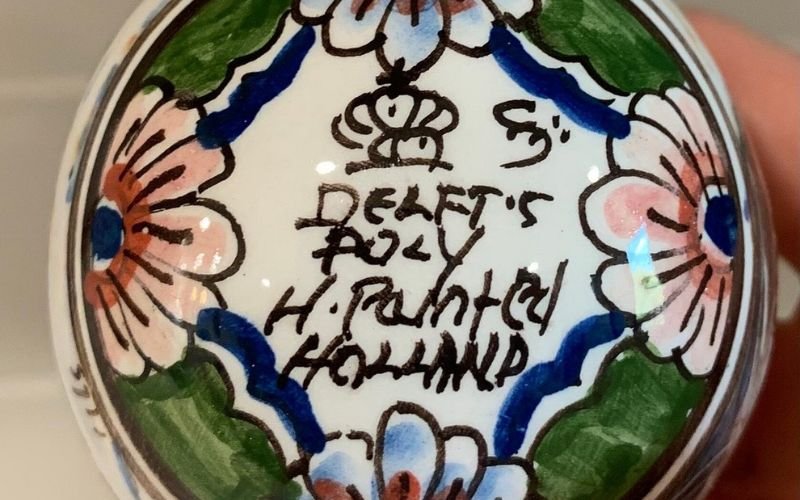
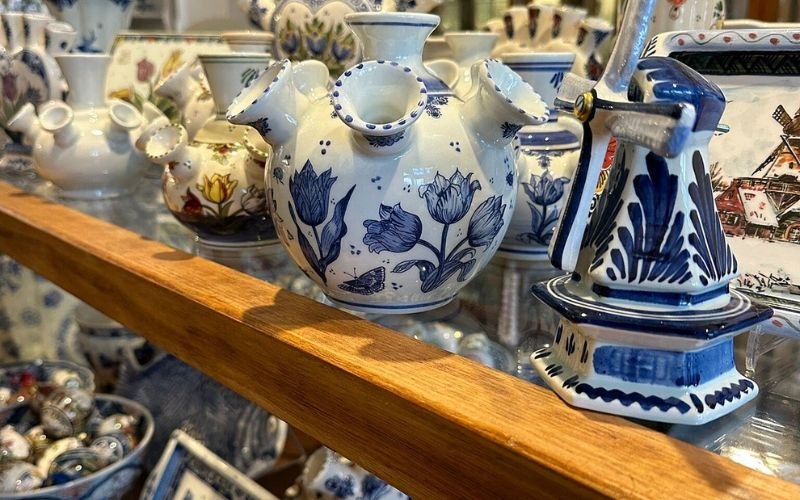
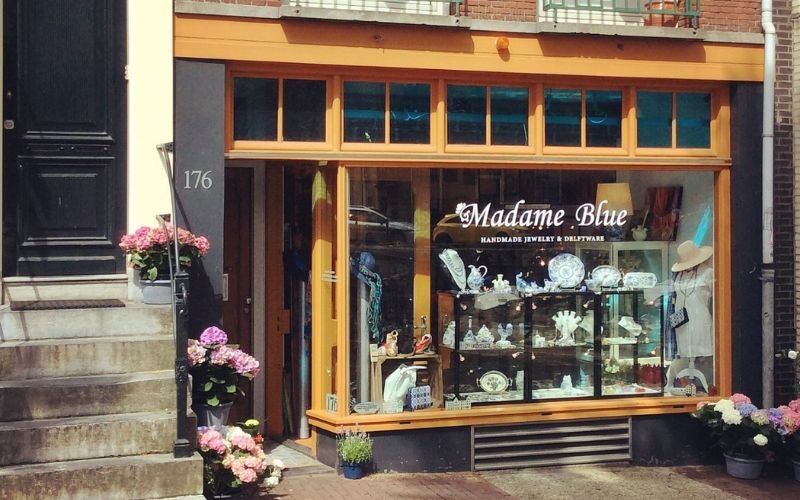
You don’t have to buy anything to appreciate Delft’s world-famous ceramics. Many shop windows throughout the city display stunning hand-painted Delft Blue pieces, from traditional plates and vases to modern artworks.
Browsing the displays is free, and it’s fun comparing the different styles and craftsmanship between the pottery shops.
10. Walk Around TU Delft Campus
If you enjoy modern architecture, take a stroll through the TU Delft campus. It’s a fascinating contrast to the city’s medieval centre, with innovative buildings, sculptures and green open spaces.
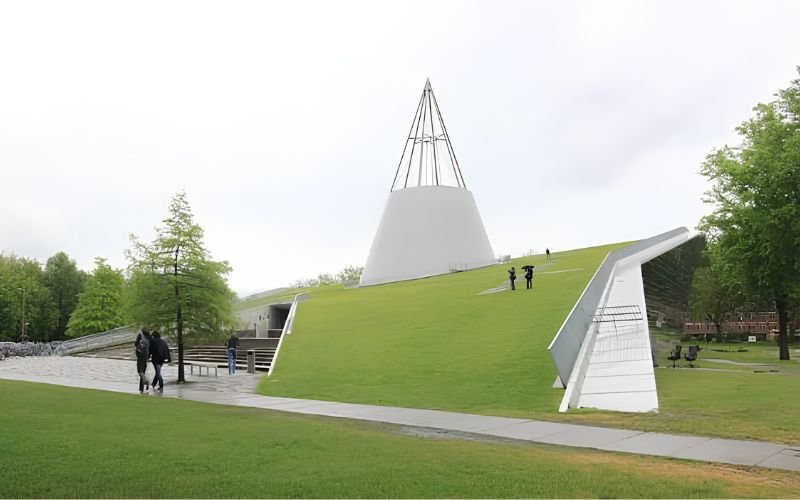
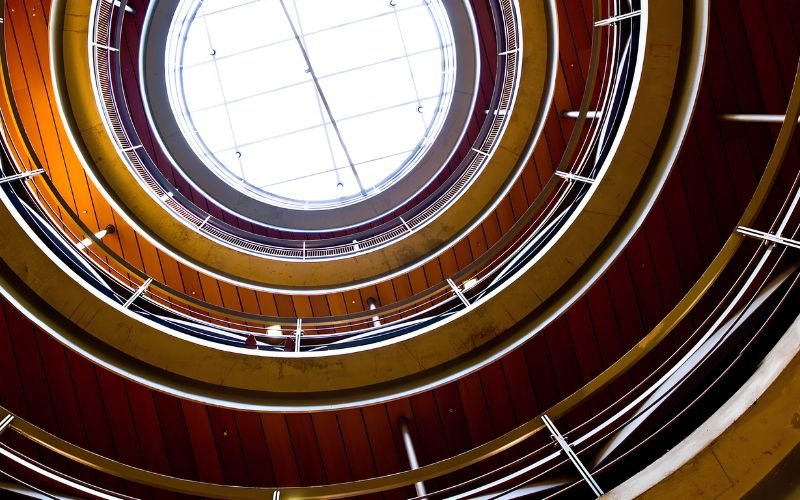
One highlight is the famous library with its grass-covered sloping roof and steel cone rising from the centre. On a sunny day, students often relax on the lawn, and visitors are welcome to enjoy the surroundings too.
Frequently Asked Questions About Visiting Delft
Is Delft worth visiting?
Absolutely. Delft is one of the most charming cities in the Netherlands, known for its picturesque canals, historic churches, beautiful market square and world-famous Delft Blue pottery. It’s compact enough to explore in a day while offering plenty of history, culture and excellent cafés.
Can you visit Delft on a budget?
Yes. There are plenty of free things to do in Delft, including wandering around Markt Square, walking along the canals, visiting Maria van Jessekerk, exploring Beestenmarkt, photographing the Oostpoort city gate and browsing the Delft Blue pottery shops.
What is Delft famous for?
Delft is best known for its iconic Delft Blue pottery, its association with the painter Johannes Vermeer, its historic canals, and the Nieuwe Kerk, where members of the Dutch Royal Family are buried. The city is also home to the prestigious Delft University of Technology (TU Delft).
How much time do you need in Delft?
Most visitors can see the main attractions in one day. However, if you’d like to visit museums, climb church towers, browse the Saturday market or enjoy the cafés, spending two days in Delft allows for a more relaxed experience.
What is the best free thing to do in Delft?
One of the best free activities is simply wandering through Delft’s historic centre. Walking around Markt Square, exploring the canals, visiting Beestenmarkt and admiring landmarks like the Oude Kerk, City Hall and Oostpoort lets you experience much of the city’s beauty without spending any money.
Is Delft walkable?
Yes. Delft is a very walkable city, with most major attractions located within a 10–15 minute walk of each other. The compact historic centre makes it easy to explore on foot.
Is Delft better than Amsterdam?
Delft and Amsterdam offer very different experiences. Amsterdam is larger, busier and packed with world-famous museums, while Delft offers a quieter atmosphere, beautiful canals, historic architecture and fewer crowds. Many travellers enjoy visiting Delft as a peaceful alternative or day trip from Amsterdam.
Can you visit Delft as a day trip from Amsterdam?
Yes. Delft is one of the easiest day trips from Amsterdam. Direct trains take around one hour, making it possible to explore the city’s historic centre, canals and attractions in a single day before returning to Amsterdam.
Is the Oude Kerk free to visit?
The exterior of the Oude Kerk is free to admire, but there is an admission fee to enter the church. Inside you’ll find impressive stained-glass windows, historic pipe organs and the famous leaning tower.
Why is the Oude Kerk leaning?
The Oude Kerk’s tower leans because part of its foundations were built over a former canal. During construction, the unstable ground caused the tower to sink, leaving it leaning almost two metres off centre. Today it has been fully stabilised and remains one of Delft’s most recognisable landmarks.
Can you go inside Delft City Hall?
Delft City Hall is still used by the local government and regularly hosts weddings, so public access is limited. However, the building’s beautiful Renaissance architecture can be admired from Markt Square and is one of the city’s most photographed landmarks.
What is the Oostpoort in Delft?
The Oostpoort is the last remaining medieval city gate in Delft. Built around 1400, it once served as one of the city’s main entrances and is now one of Delft’s most photographed landmarks. Although visitors can’t enter the building, it’s well worth seeing from the outside.
When is the Delft market?
Delft hosts a weekly market every Thursday, while Saturdays feature a larger market with antiques, vintage items, books, ceramics, clothing, fresh produce and street food. The Saturday market is especially popular with both locals and visitors.
Is Maria van Jessekerk free to visit?
Yes. Maria van Jessekerk is free to enter when it’s open to visitors. The beautiful Neo-Gothic church features ornate interiors, colourful stained glass and impressive vaulted ceilings, making it one of Delft’s best free attractions.
Can you buy authentic Delft Blue pottery in Delft?
Yes. Delft is the birthplace of Delft Blue pottery, and you’ll find numerous shops selling authentic hand-painted ceramics throughout the city. Even if you don’t plan to buy anything, browsing the beautiful displays is well worth your time.
Is TU Delft worth visiting?
Yes. The TU Delft campus offers an interesting contrast to the city’s medieval centre. Visitors can admire its modern architecture, public art and the famous library with its grass-covered roof, making it a worthwhile stop for architecture enthusiasts.
What is the best area to stay in Delft?
The historic city centre is the most popular place to stay, offering easy access to Markt Square, the canals, restaurants, churches and the city’s main attractions, all within walking distance.
What is the best time to visit Delft?
Spring and summer are the most popular times to visit Delft, when outdoor cafés, canal walks and public squares are at their liveliest. If you’re visiting on a Saturday, you’ll also be able to enjoy the city’s bustling weekly market.