Long‑haul economy flights are a special kind of endurance test. Anyone who’s spent 10+ hours wedged between a stranger’s elbow and a seat that reclines approximately two centimetres knows exactly what we mean. But here’s the good news: with the right prep and a few smart strategies, those marathon flights can go from miserable to manageable.
After years of bouncing between continents on a budget, here’s everything we’ve learned about surviving long‑haul economy like a seasoned traveller.
This post may contain affiliate links. If you make a purchase, we may earn a small commission at no extra cost to you. Our goal is to provide valuable and helpful content, and any commissions help us to mantain this site.
Contents
ToggleChoose Your Seat Like Your Sanity Depends On It
We’ve sat in every type of seat imaginable — the aisle, the window, the dreaded middle, the back row that doesn’t recline and the exit row that felt like winning the lottery.
Aisle seats are perfect if you like stretching your legs, need frequent bathroom breaks or are tall. No climbing over strangers required.
Window seats are ideal for sleepers. You get something to lean on and no one will wake you up to get past. These are my personal favourite but Lindsay likes the aisle seat so I am usually stuck in the dreaded middle seat!
Middle seats… well, avoid them unless you enjoy suffering.
Exit rows offer glorious legroom, but just bear in mind that sometimes the armrests don’t lift and you may have to store your bag overhead, plus, they aren’t very budget friendly so we rarely get this luxury!
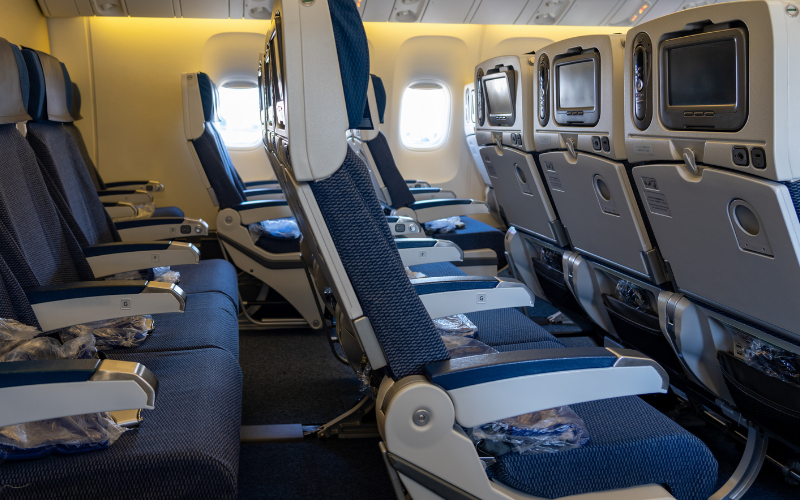
If you can, check the seat map before booking. A few minutes of planning can save you hours of discomfort. We always use AeroLOPA as they have detailed seat maps for over 180 airlines around the world.
Pack Smart – Your Carry-On Is Your Survival Kit
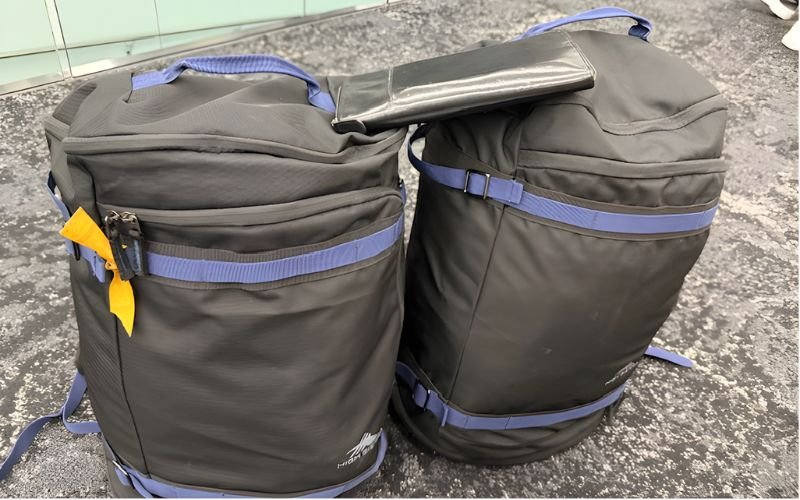
Your carry‑on bag becomes your lifeline on a long flight. Think of it as your personal comfort station.
Here’s what we always pack after years of trial and error:
A neck pillow that actually supports your head (not the floppy ones that collapse instantly!)
Noise‑cancelling headphones — the single best investment for long‑haul travel
A jumper or hoodie, because planes can get super cold even when the destination doesn’t
Compression socks to keep your legs from swelling
A refillable water bottle you can fill after security, a great way to save your budget on having to pay out $4.00 for one 500ml bottle.
Snacks you actually enjoy are a lifesaver — especially if you’re not flying with a full‑service airline. Some carriers include snacks in the ticket price, but many don’t, and buying food onboard can be ridiculously expensive. Pack your own and thank yourself later.
A portable charger because as we have learnt the hard way, the USB ports don’t always work
If you want a full breakdown of smart travel essentials, check out our post ‘Hostel Packing Made Easy: Must‑Have Items for Budget‑Friendly Travel.’ Many of those items double perfectly for long‑haul flights.
Dress For Comfort Not Instagram
We get it, you want to travel in style but it’s just not worth it. We’ve tried flying in jeans and outfits that weren’t soft, stretchy and forgiving — and we have regretted it every time. Long‑haul flights are not a fashion show — they’re a marathon of sitting, stretching, contorting, and trying to get comfortable in a seat designed for someone half your size.
For long‑haul flights, comfort wins every time:
Loose, breathable layers Planes can swing from freezing to stuffy in minutes. Layers let you adjust without suffering.
Stretchy bottoms Leggings, joggers, or anything with a forgiving waistband will make hours of sitting so much easier.
Warm socks Your feet will get cold. Cozy socks are a small luxury that make a big difference.
A scarf or wrap that doubles as a blanket It keeps you warm, blocks light, and even works as a pillow in a pinch.
You’re going to be sitting for hours — sometimes double‑digit hours. Your body will absolutely thank you for choosing comfort over style. And honestly? You can still look put‑together while being comfortable. But even if you don’t, no one on a 14‑hour flight is judging your outfit. They’re too busy trying to survive their own.
Hydrate Like It’s Your Job
Airplane cabins are ridiculously dry — we’re talking desert‑level dry. The humidity on most flights sits around 10–20%, which is far lower than what your body is used to. That’s why dehydration sneaks up on you so quickly. One minute you’re fine, the next you’ve got a headache, dry skin, a scratchy throat, and you’re rummaging through your bag for Panadol.
Our rule of thumb: drink water every hour. It sounds simple, but it makes a huge difference in how you feel during and after the flight.
A few hydration tips that actually help:
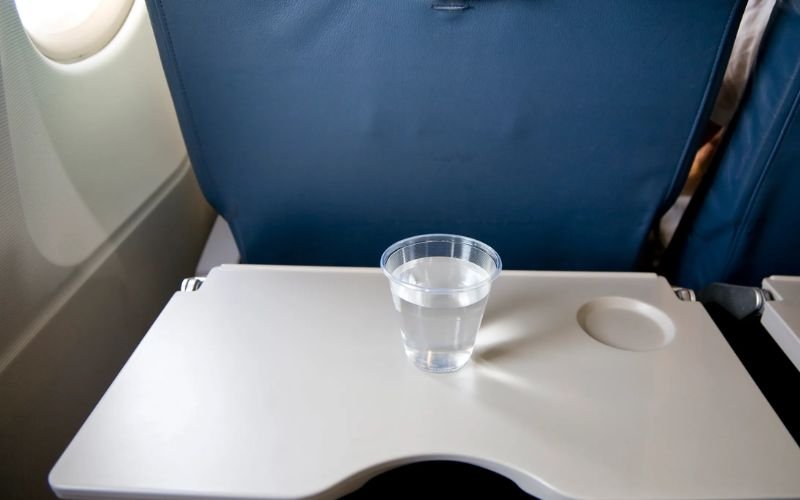
Bring your own bottle and refill it often Most airports have water stations after security, and flight attendants are usually happy to top you up. Having your own bottle means you’re not relying on those tiny plastic cups that barely hold three sips.
Go easy on alcohol We know — a glass of wine feels like part of the flying ritual. But alcohol dehydrates you even faster in the air. If you do indulge, balance it with plenty of water.
Don’t overdo the coffee Caffeine is a diuretic, and while one cup won’t hurt, multiple coffees can leave you feeling even more dried out. Save the caffeine boost for when you land.
Manage The Meal Situation
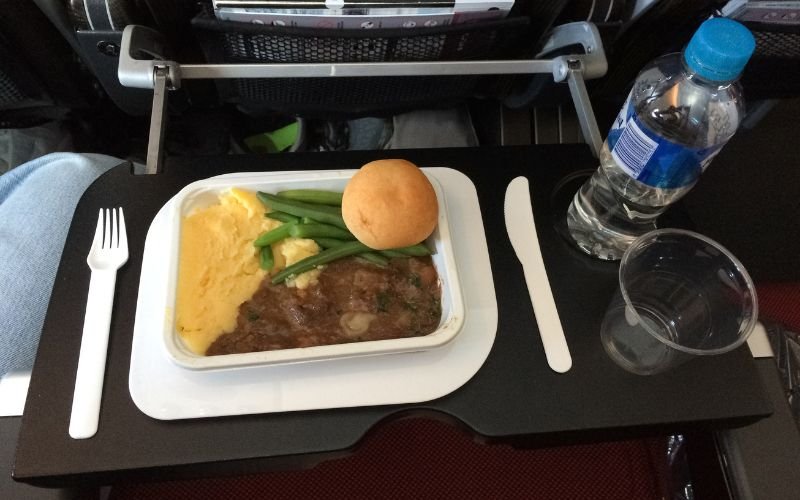
Airline food is unpredictable at the best of times. Sometimes you get a surprisingly tasty meal that restores your faith in humanity… and sometimes you peel back the foil and instantly regret your life choices. It’s a gamble every single flight, and after enough long‑hauls, you start to learn what you can control.
Here’s what we’ve learned over the years:
Eat a proper meal before boarding if you can Airport food isn’t cheap, but starting your flight with a full stomach is worth it. Meal service on long‑haul flights can take hours to begin, especially if you’re seated toward the back. A decent pre‑flight meal means you’re not relying on mystery pasta to get you through the first stretch.
Bring snacks you love Snacks are your safety net. Whether the airline meal is delayed, unappealing, or just not enough, having your own favourites makes a huge difference. We bring protein bars, nuts, fruit and chocolate — anything that travels well and keeps you happy at hour 9 when hunger hits again.
Don’t rely on the airline for hydration Those tiny plastic cups of water aren’t going to cut it. Cabin air is extremely dehydrating, and you’ll feel it fast. Bring your own bottle and refill it often so you’re not waiting for the next drinks cart to roll by.
If you have dietary needs, request them early — and remind the crew politely Special meals usually come out first, but only if they’re actually loaded onto the plane. Request yours when you book, double‑check before departure, and give the crew a friendly reminder once you’re onboard. It’s not being pushy — it’s making sure you’re fed.
And yes, always take the extra bread roll It’s the unsung hero of airline meals. It fills the gap, it’s comforting, and it’s almost always the safest bet on the tray.
Managing your food and hydration on a long‑haul flight isn’t just about avoiding hunger — it’s about keeping your energy stable, your mood steady, and your body feeling as good as possible when you finally land.
Sleep Strategically
Sleeping in economy is an art form — one we’re all still trying to master. Between limited recline, cabin noise, and the constant shuffle of people heading to the bathroom, getting real rest can feel impossible. But with the right tools and a bit of strategy, you can squeeze in a few hours of decent sleep — and those hours make a world of difference when you land.
Here’s what actually helps:
A supportive neck pillow
Not all travel pillows are created equal. The cheap, floppy ones offer almost no support and leave you waking up with a stiff neck. Look for one that keeps your head upright and stops it from bobbing forward — memory foam or structured designs work best. We are huge fans of the Cocoon travel pillows as they are supportive and super comfy for long haul travel.
An eye mask
Cabin lights, reading lights, and glowing screens can make it hard to drift off. A good eye mask blocks out the chaos and signals your brain that it’s time to rest. Go for one that’s soft, adjustable, and doesn’t press on your eyes.
Noise‑cancelling headphones or earplugs
Between crying babies, clattering meal carts, and the constant hum of the engines, planes are loud. Noise‑cancelling headphones are a game‑changer, but even simple foam earplugs can make the environment much more sleep‑friendly.
Choosing a window seat if you’re a side‑sleeper
If you naturally lean to the side when you sleep, the window seat is your best friend. You can rest your head against the wall, avoid being bumped by people walking past, and you won’t be woken up every time your seatmates need to get out.
Even a few hours of sleep can make a massive difference — not just in how you feel when you land, but in how quickly you adjust to a new time zone. You don’t need a full eight hours; even a solid nap can help you arrive feeling human instead of exhausted.

Move Your Body Every Few Hours
Your body will stiffen up on a long‑haul flight. Your legs will complain, your back will stage a full rebellion, and by hour seven you’ll wonder if you’ve aged a decade. Sitting still for that long isn’t natural — and your circulation, joints, and muscles feel it more than you realise.
The good news? A little movement goes a long way.
Do yourself a favour and build small stretches into your flight routine:
Stand up and stretch
Every couple of hours, take a moment to stand in the aisle or near the galley and gently stretch your legs, hips, and back. Even 30 seconds of movement can relieve stiffness.
Walk the aisle
A slow walk up and down the cabin helps boost circulation, reduce swelling, and wake up your muscles. You don’t need to pace like you’re training for a marathon — just a relaxed stroll is enough.
Rotate your ankles
This is one of the easiest in‑seat exercises. Flex, point, and circle your feet to keep blood flowing and reduce the risk of swelling (or that weird tingling sensation).
Do a few shoulder rolls
Hours of sitting can make your shoulders creep up toward your ears without you noticing. Rolling them forward and back helps release tension and improve posture.
You don’t need a full yoga routine in the aisle — just keep things moving. These tiny habits make a huge difference in how your body feels when you land, especially on ultra‑long flights.
Curate Your Entertainment
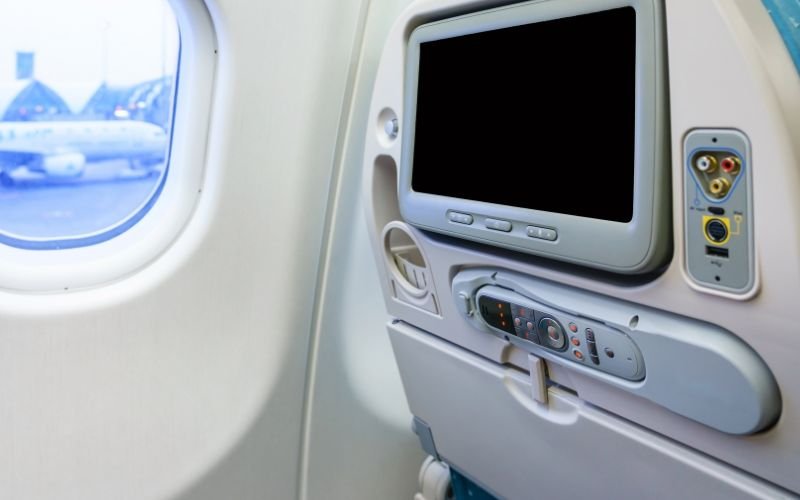
Never rely solely on the in‑flight entertainment system. As much as airlines try, things go wrong — and often at the worst possible time. We’ve had flights where the screen froze halfway through a movie, the headphone jack didn’t work, or the entire system had to be rebooted mid‑flight. And sometimes the movie selection is… let’s just say “limited.”
That’s why bringing your own entertainment is essential. Think of it as building your own little digital survival kit.
Load your devices with:
Movies
Download a couple of favourites and something new. You never know what mood you’ll be in at hour nine.
Podcasts
Perfect for when you want something engaging but don’t feel like staring at a screen. True crime, travel stories, comedy — whatever keeps you entertained.
Audiobooks
Great for drifting off to sleep or zoning out. Plus, they take up zero space in your bag.
Offline playlists
Make sure your music is downloaded, not streaming‑only. There’s nothing worse than realising your playlist won’t play at 35,000 feet.
Games
Simple offline games can be surprisingly addictive and help pass time quickly. Puzzle games, strategy games, or anything that doesn’t require Wi‑Fi are ideal.
Freshen Up Mid-Flight
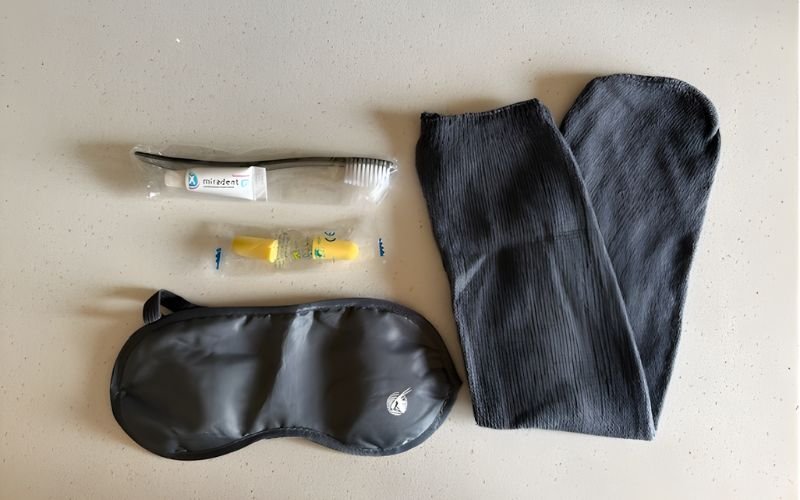
A quick refresh can make you feel human again — especially when you’re deep into a long‑haul flight and starting to feel like you’ve been living in recycled air for half your life. Even the smallest bit of self‑care can lift your mood, wake you up, and help you feel more like yourself when you land.
We always pack a tiny “freshen‑up kit” in our carry‑on with the basics:
Toothbrush + toothpaste
Brushing your teeth mid‑flight is honestly transformative. It wakes you up, gets rid of that stale “plane mouth” feeling, and makes you feel instantly cleaner.
Face wipes
Perfect for removing oil, sweat, or that general layer of airplane grime. They’re quick, easy, and make your skin feel refreshed without needing a sink.
Lip balm
Cabin air is extremely dry, and your lips will feel it fast. A good lip balm prevents cracking and keeps you comfortable throughout the flight.
Moisturiser
Your skin loses moisture quickly in low‑humidity environments. A small dab of moisturiser on your face and hands can make a huge difference in how you feel.
Deodorant
After hours in the same seat, a quick swipe of deodorant is a kindness to both you and everyone around you. It’s one of the simplest ways to feel fresh again.
You don’t need a full skincare routine — just enough to feel less like you’ve been trapped in a tin can for 12 hours. These little refresh moments help reset your energy, boost your comfort, and make the final stretch of the flight so much more bearable.
Adjust Your Mindset
This one matters more than you think.
Long‑haul flights are uncomfortable, yes — but they’re also temporary. You’re on your way somewhere exciting. You’re travelling. You’re doing something incredible.
Shift your mindset from “I’m stuck here” to “This is part of the adventure,” and the whole experience becomes easier.
Final Thoughts: You’ve Got this
Flying long‑haul in economy isn’t glamorous, but it doesn’t have to be miserable. With the right prep, a few comfort hacks, and a little patience, you can step off the plane feeling surprisingly okay — maybe even ready to explore.
And if you want to make your next trip even smoother, don’t forget to check out “Hostel Packing Made Easy: Must‑Have Items for Budget‑Friendly Travel.” Many of those essentials double as long‑haul lifesavers.
Safe travels — and may your seatmate be quiet, your meals edible, and your flight more bearable than you expect!