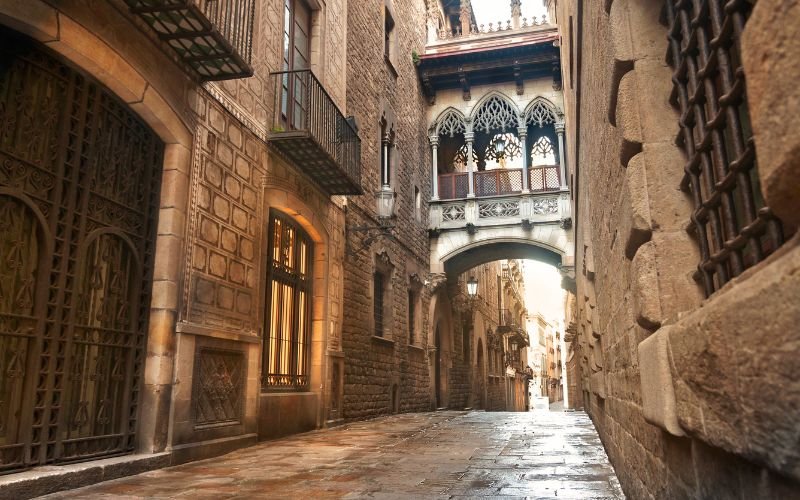
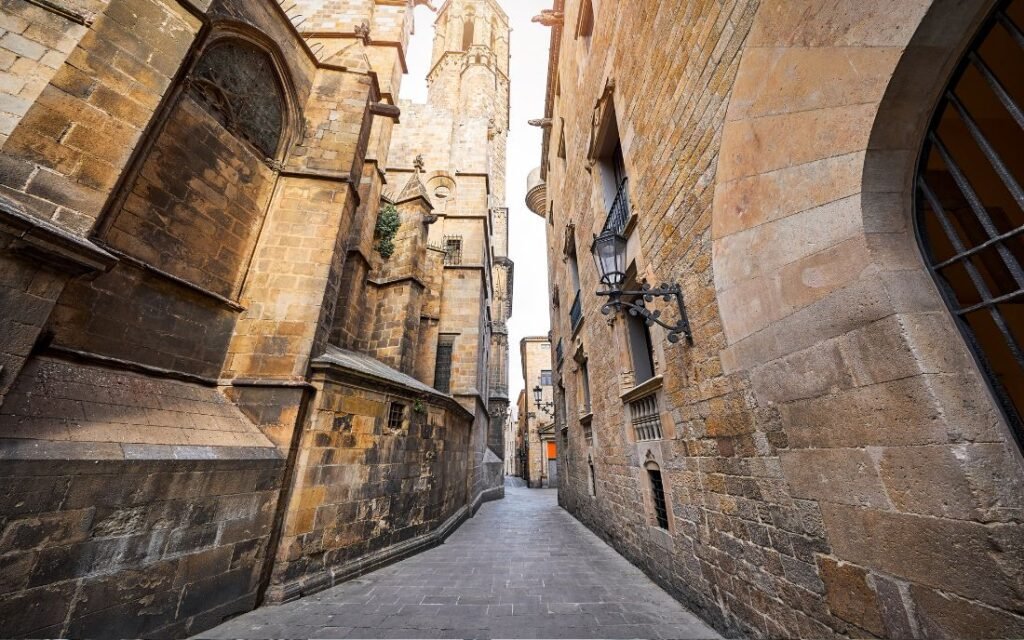
There are places you visit, and then there are places you feel. Barcelona’s Gothic Quarter (Barri Gòtic) is firmly in the second category. This is by far our favourite area to explore in Barcelona, we loved the maze of medieval alleyways, expansive plazas, and hidden corners.
It also happens to be one of the best free experiences Barcelona offers. In fact, wandering the Gothic Quarter is one of the highlights we included in our blog post on free things to do in Barcelona — because you don’t need a ticket to soak up centuries of history, admire the architecture, or stumble upon a quiet square that feels like your own little discovery.
Below are two thoughtfully crafted walking route that blends history, hidden corners, and the kind of sensory details that make the Gothic Quarter unforgettable.
This post may contain affiliate links. If you make a purchase, we may earn a small commission at no extra cost to you. Our goal is to provide valuable and helpful content, and any commissions help us to mantain this site.
Contents
ToggleGet your Barcelona Essentials!
- Find cheap flights to Barcelona
- Find hotels or hostels in Barcelona
- Find activites and tours for Barcelona
- Compare hire car prices and train tickets
- Get an eSIM for Barcelona. Use our code ‘TBTravellers to receive 5% OFF any eSIM!
Route 1: The Classic Gothic Quarter Loop
This route is perfect for first‑timers who want the highlights without rushing.
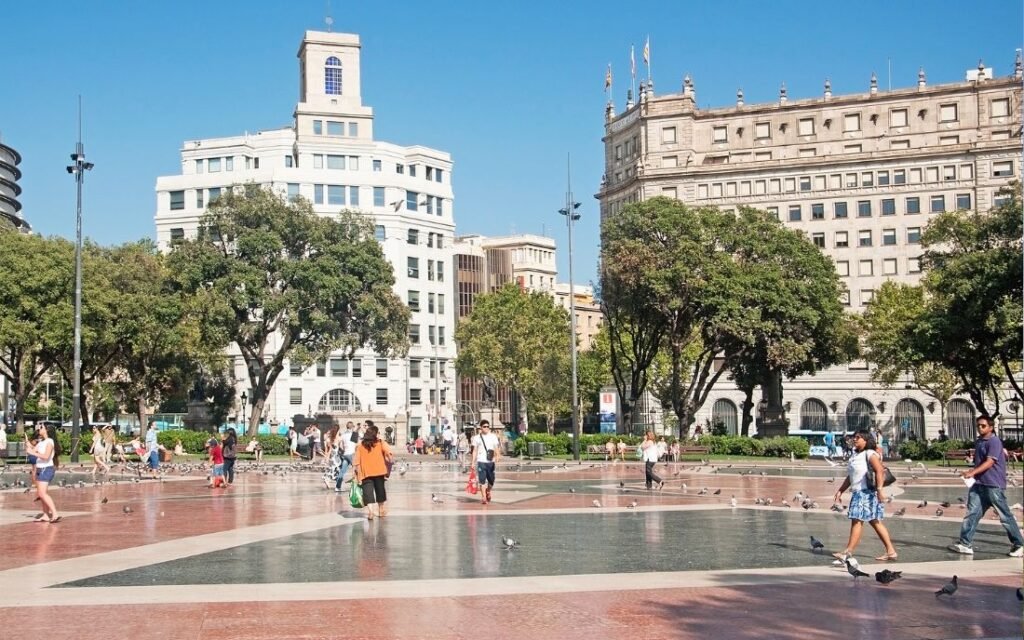
1. Plaça de Catalunya → Portal de l’Àngel
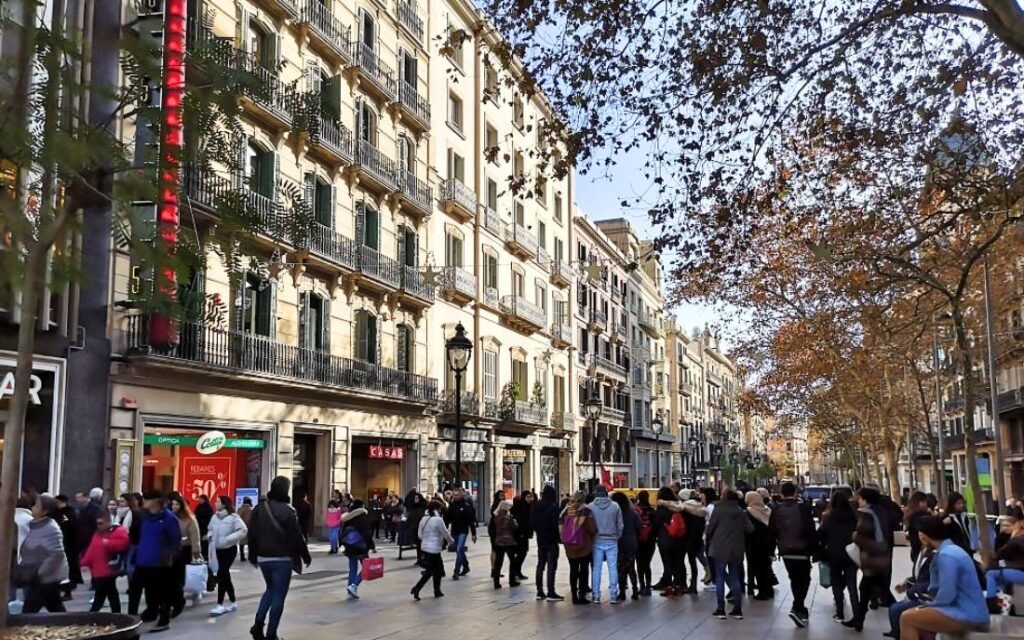
Start at the city’s central square, known for it’s fountains and statues and slip into the pedestrian avenue Portal de l’Àngel, which is located outside old Roman walls; it takes its name from a statue of a guardian angel placed there in the 15th century. Today it’s home to a dense population of major retail brands and designer boutiques and you’ll often see street musicians performing. This is your gentle transition from modern Barcelona into the medieval world.
2. Barcelona Cathedral (La Seu)
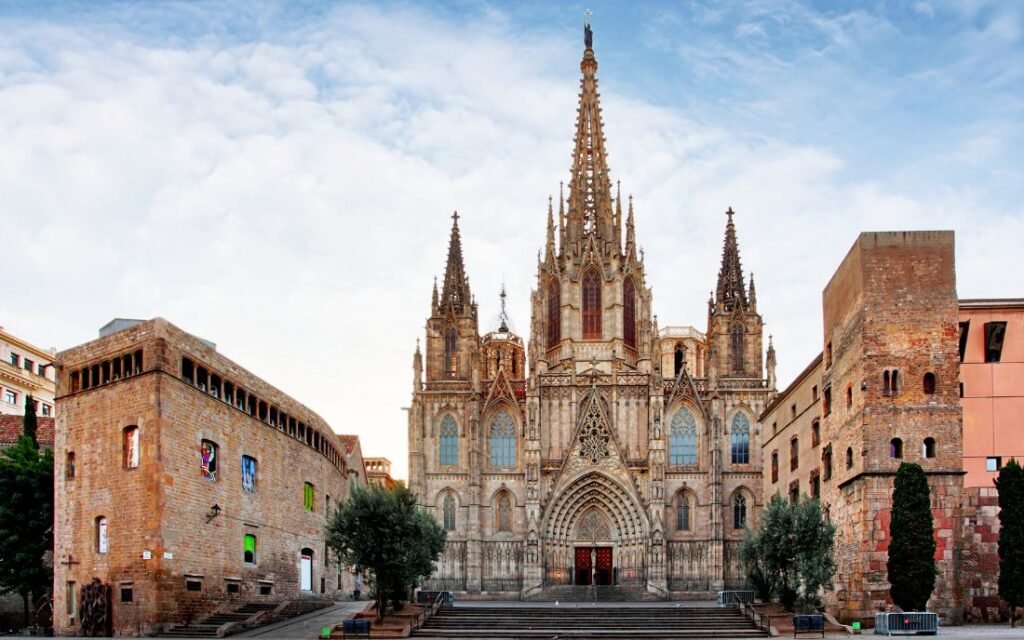
The Gothic Quarter’s crown jewel rises suddenly between narrow streets — a breathtaking moment even if you’ve seen a hundred photos. It was contructed from the thirteenth – fifthteenth centuries and inside features 25 side chapels, a magnificent 14th century cloister and the impressive choir stalls. Don’t miss:
The 13 white geese in the cloister
The rooftop terrace (quiet, panoramic, magical)
The neo‑Gothic façade, a 19th‑century addition that surprises many visitors
3. Plaça Sant Felip Neri
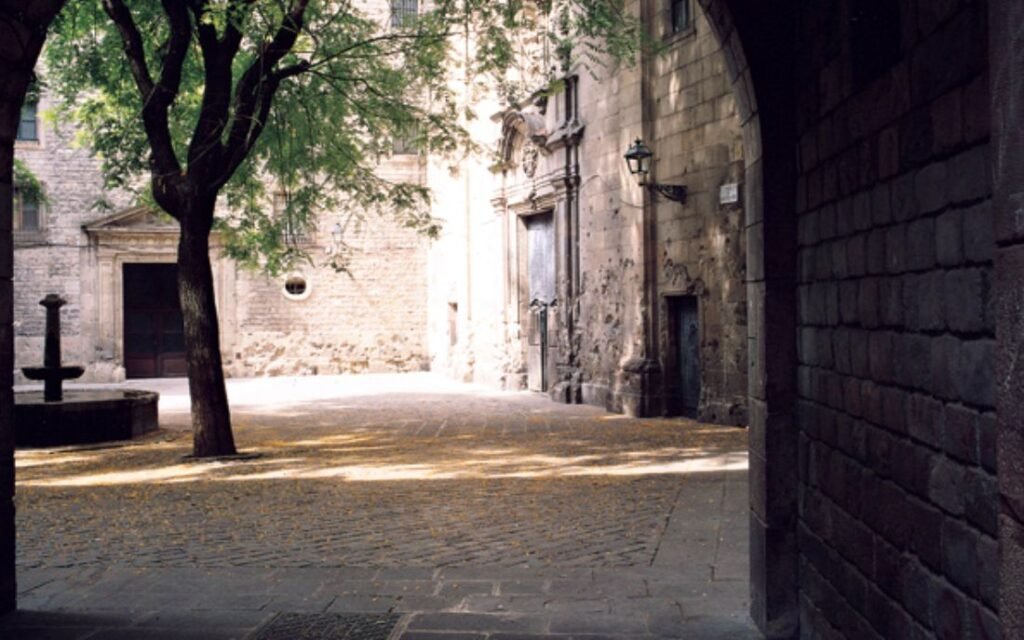
Slip down Carrer del Bisbe and follow the quieter alleys until you reach this hauntingly beautiful square. It’s peaceful now, but the pockmarked walls still bear scars from the Spanish Civil War.
Placa Sant Felip Neri features a charming little fountain in the middle and is overlooked by the baroque church of Sant Felip Neri. On one side, you can see the buildings that once housed the city’s shoemakers’ and coppersmiths’ guilds.
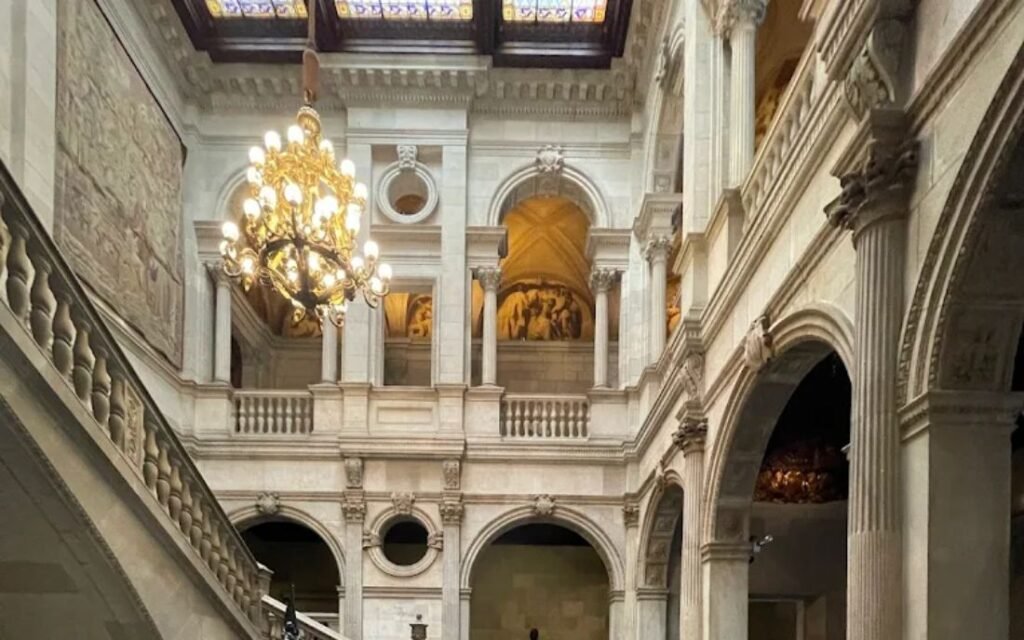
4. Plaça Sant Jaume
This is the political heart of Catalonia — home to both the Palau de la Generalitat and City Hall. It’s where major celebrations, protests, and public events unfold. Stand here for a moment and feel the weight of centuries of civic life.
5. The Jewish Quarter
A tangle of impossibly narrow streets, this area was once home to one of Europe’s most important medieval Jewish communities. Look for:
Carrer de Sant Domènec del Call, if you look really closely you can still see mezuzah (sacred, hand written parchment scroll) carved into the doorframes, the quiet markers of faith that once stood in every home.
The tiny Sinagoga Major, the oldest in Spain and one of the oldest synagogues in Europe. Today it operates as a museum and historical site and is used for festive occasions such as B’nei Mitzvah and weddings.
Artisan shops tucked into ancient stone walls. Be sure to check out ‘El Rei De La Magia’ located at 11 Carrer de la Princesa – it’s the world’s oldest magic shop which opened in 1881!
6. Plaça Reial
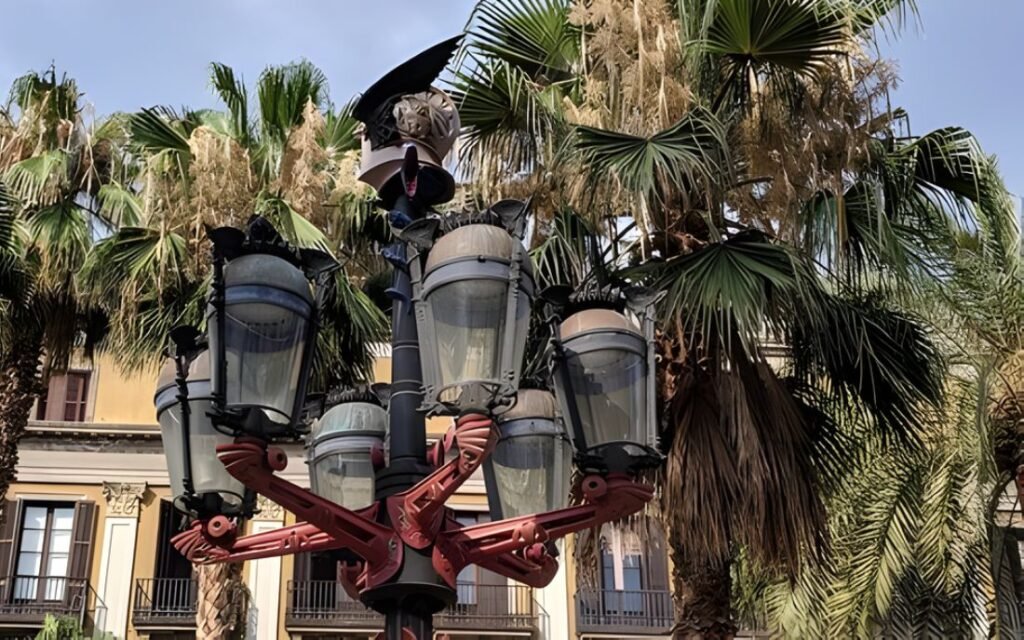
Lined with tall palm trees and anchored by a cast‑iron fountain of the Three Graces — crafted by Antoni Rovira i Trias in 1876 — this square feels like a stage set for Barcelona life. Look up and you’ll spot the elegant six‑armed lampposts designed by a young Antoni Gaudí, one of his earliest public works. With lively terraces spilling into the square and a constant hum of conversation, it’s no surprise this is the Gothic Quarter’s social heart. Return after dark and you’ll find music, dancing, and an energy that transforms the whole plaza.
And there you have it, the perfect classic walking route. Use our guided map below to follow our classic walking route through Barcelona’s Gothic Quarter. Every stop is arranged in order, making it easy to explore the neighborhood’s most iconic landmarks and hidden corners at your own pace.
Route 2: The Hidden Corners Walk
For travellers who want to escape the crowds and discover the Gothic Quarter’s quieter soul.
1. Carrer Petritxol
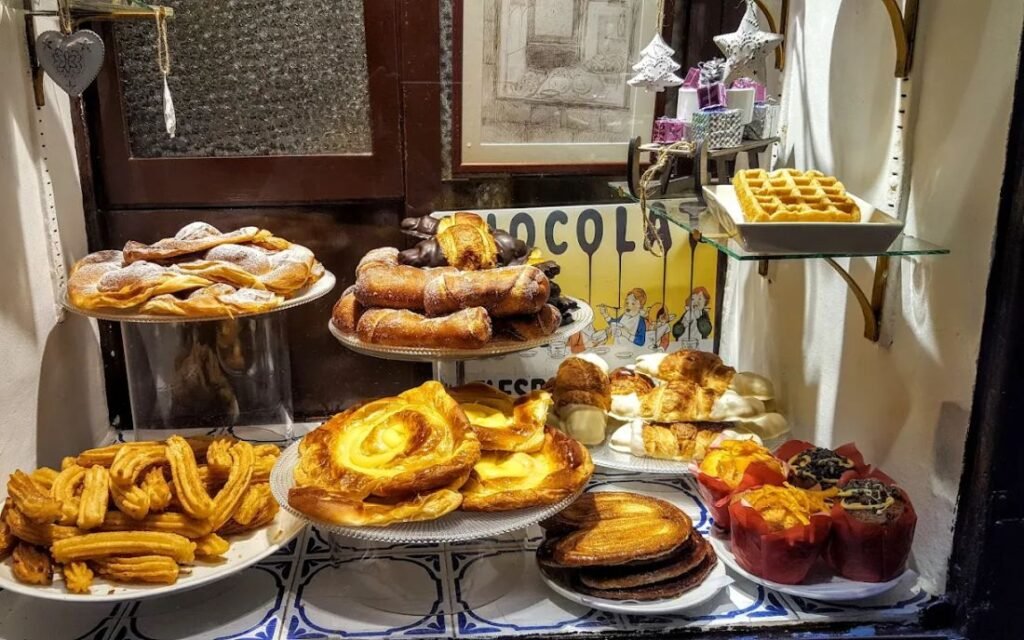
A narrow lane barely three metres wide — stretch out your arms and you can almost touch both sides. Carrer Petritxol has been famous for its xocolateries (that’s “chocolate shops” in Catalan) since the 17th century, and the tradition is still very much alive. The oldest of them, Granja Dulcinea, opened in 1941 and remains a beloved stop on this tiny street known for its chocolate and its art galleries. Pause here for a steaming cup of xocolata amb xurros — you’ve absolutely earned it.
2. Plaça del Pi & Santa Maria del Pi
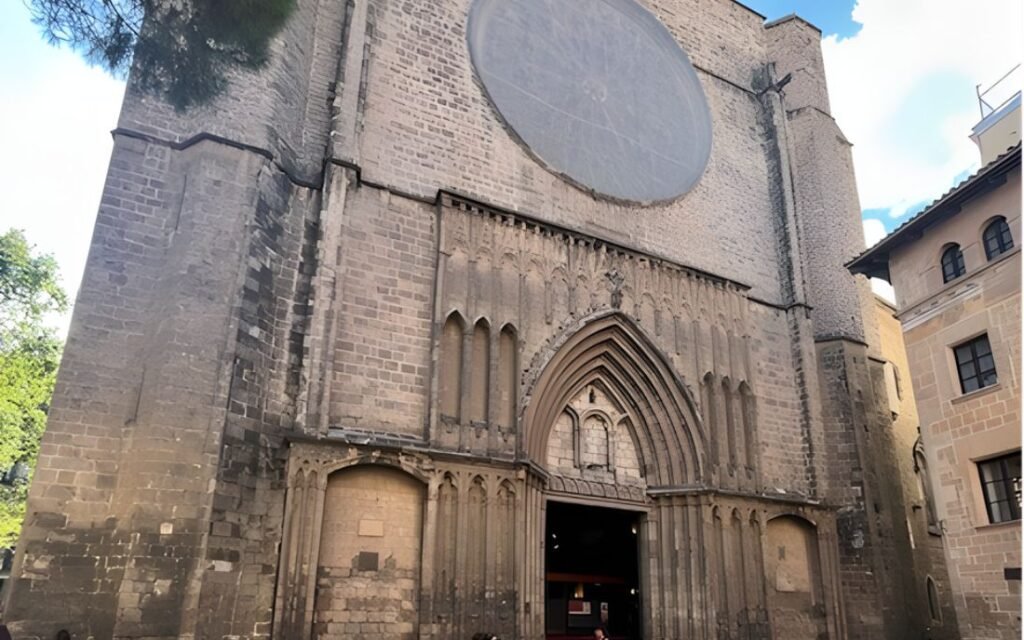
A warm, honey‑coloured church anchors this charming square, which comes alive on weekends with artisan markets. At its centre stands the iconic pine tree, a quirky landmark locals instantly recognise. The church itself boasts a spectacular rose window — the largest in all of Catalonia. While you’re here, take a moment to admire the 14th‑century Congregació de la Puríssima Sang building. Its Renaissance doorway and elegant row of pillared arches on the top floor are beautiful examples of the neighbourhood’s layered architectural history.
3. Carrer d’Avinyó
Picasso once lived just around the corner, and this street played a role in shaping his early artistic vision. Today it’s buzzing with indie boutiques and a creative, youthful energy. Number 44 is especially famous — the former brothel here is believed to have inspired Picasso’s groundbreaking painting Les Demoiselles d’Avignon.
4. Roman Walls & Temple of Augustus
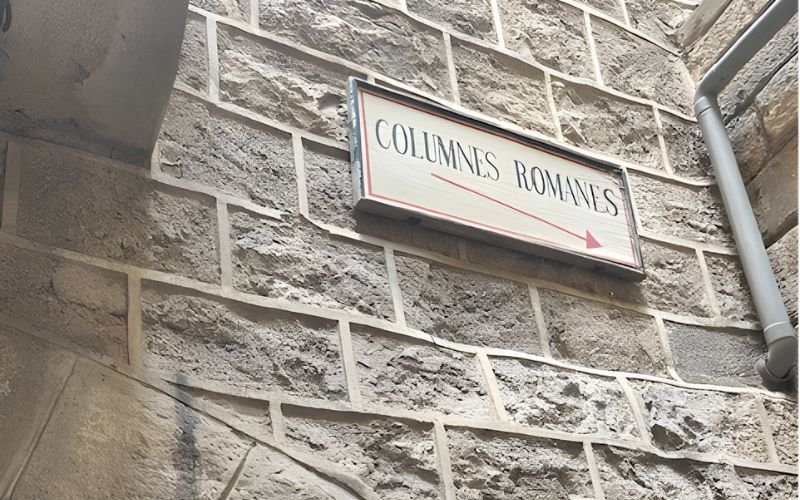
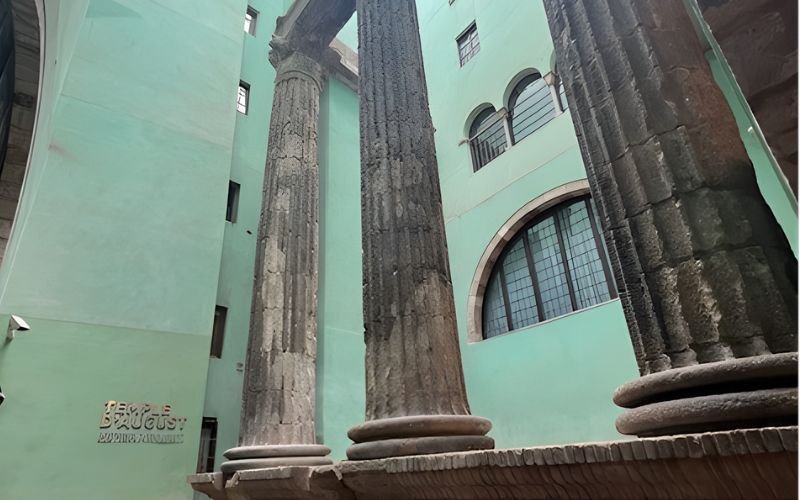
Hidden behind an unassuming doorway on Carrer Paradís, you’ll stumble upon four towering Roman columns — each nearly 9 metres tall — dating back to the 1st century BC. They’re a jaw‑dropping reminder of just how ancient this neighbourhood truly is. Once part of the main temple of the Roman colony of Barcino, dedicated to Emperor Augustus, the columns were rediscovered in the 19th century and carefully preserved in their current courtyard setting. Even better, it’s completely free to visit, with plenty of information displayed around the site to help you dive deeper into its history.
And that brings us to the end of the hidden corner’s Gothic quarter walk. Follow our map below to wander the Gothic Quarter’s quieter side. Every stop is arranged in order, making it easy to explore.
Exploring the Gothic Quarter is one of those experiences that proves Barcelona’s best moments don’t need to cost a thing. If you’re craving more budget‑friendly ways to enjoy the city, you’ll find plenty of inspiration in our blog post on free things to do in Barcelona — perfect for pairing with these walking routes. Lace up your shoes, follow the cobblestones, and let the Barri Gòtic show you just how magical a free day in Barcelona can be!