Barcelona is one of Europe’s most captivating cities — a place where golden beaches meet Gothic alleyways, where Gaudí’s surreal architecture rises above bustling tapas bars, and where culture, food, and sunshine blend into a perfect Mediterranean escape. The best part? You don’t need a big budget to enjoy it.
This 3‑day Barcelona budget itinerary shows you exactly how to explore the city’s top attractions, eat well, and move around efficiently — all while keeping your spending low.
This post may contain affiliate links. If you make a purchase, we may earn a small commission at no extra cost to you. Our goal is to provide valuable and helpful content, and any commissions help us to mantain this site.
Contents
ToggleGet your Barcelona Essentials!
- Find cheap flights to Barcelona
- Find hotels or hostels in Barcelona
- Find activites and tours for Barcelona
- Compare hire car prices and train tickets
- Get an eSIM for Barcelona. Use our code ‘TBTravellers to receive 5% OFF any eSIM!
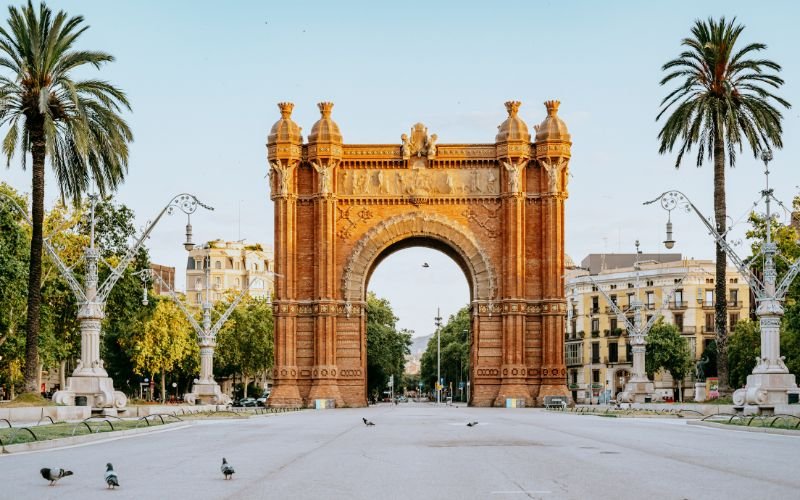
DAY 1 – Gothic Quarter, La Rambla, Port Vell & Barceloneta Beach
The Gothic Quarter (Barri Gòtic) is the oldest part of Barcelona — a maze of medieval alleyways, Roman ruins, and atmospheric plazas. It’s one of the best free things to do in the city.
Morning (9:00–12:00): Explore the Gothic Quarter
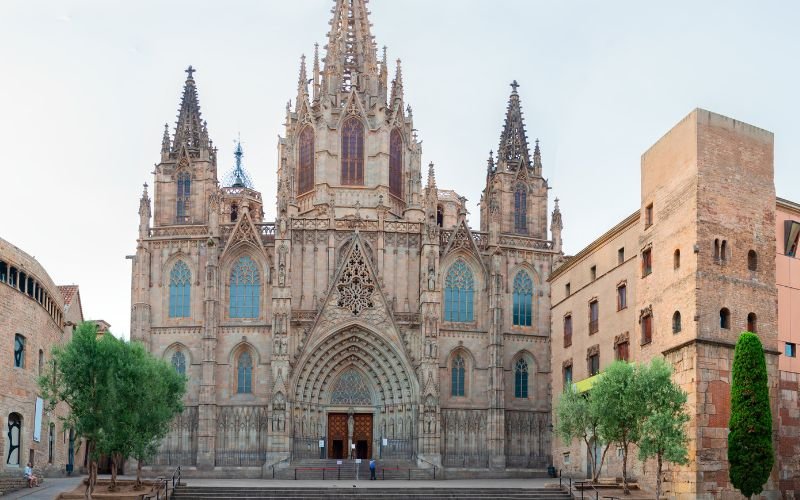
Barcelona Cathedral (Catedral de Barcelona)
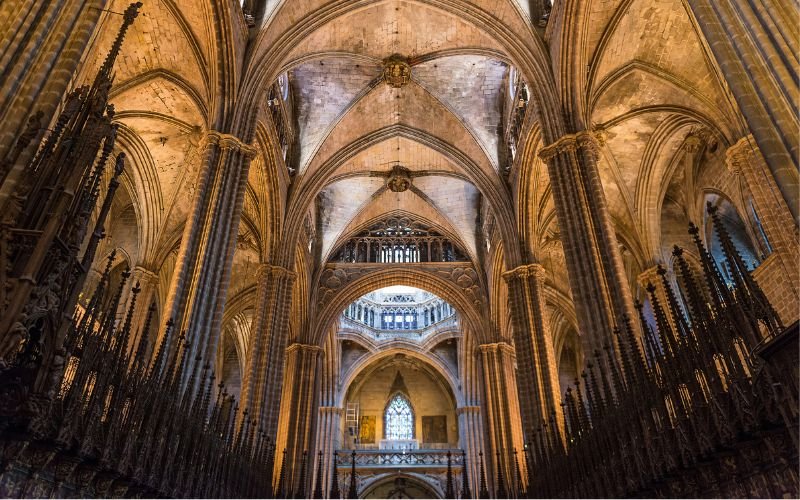
Barcelona Cathedral is the spiritual heart of the city and one of the most impressive Gothic structures in Spain. Built between the 13th and 15th centuries, it features towering Gothic arches, intricate stone carvings, and a serene cloister filled with 13 white geese — a symbolic tribute to Saint Eulalia, the cathedral’s patron saint.
The cathedral is located in Pla de la Seu and has free entry early mornings (usually before 12:30PM – varies seasonally). If visiting later in the day, entry is €9.
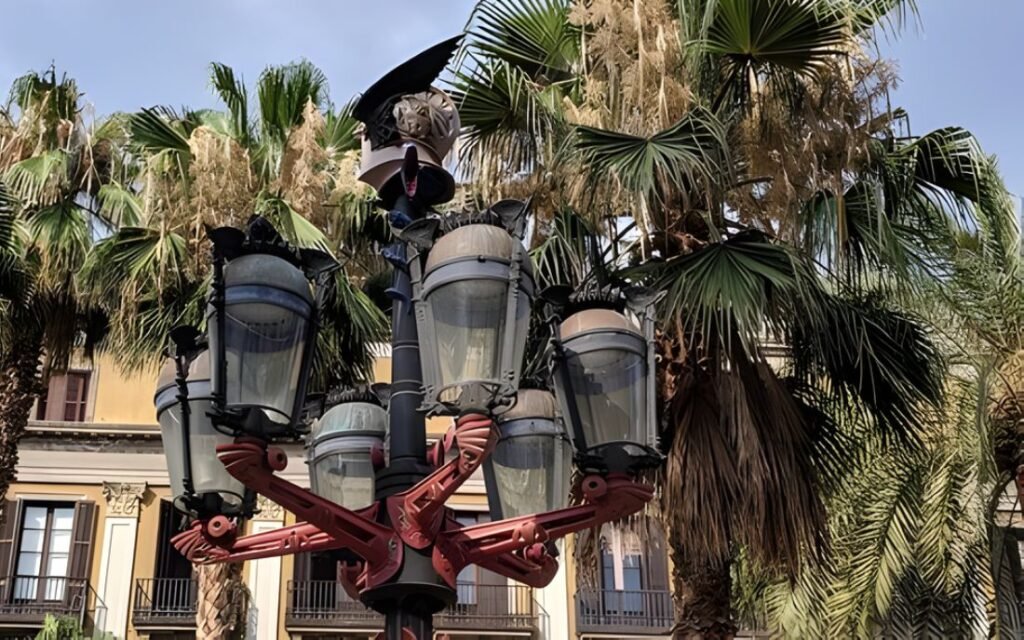
Placa Reial
Plaça Reial is one of Barcelona’s most photogenic squares, located just off La Rambla — a palm‑lined plaza surrounded by elegant arcades, lively cafés, and restaurants. The square is famous for its Gaudí‑designed lampposts, one of his earliest public works.
Plaça Sant Jaume
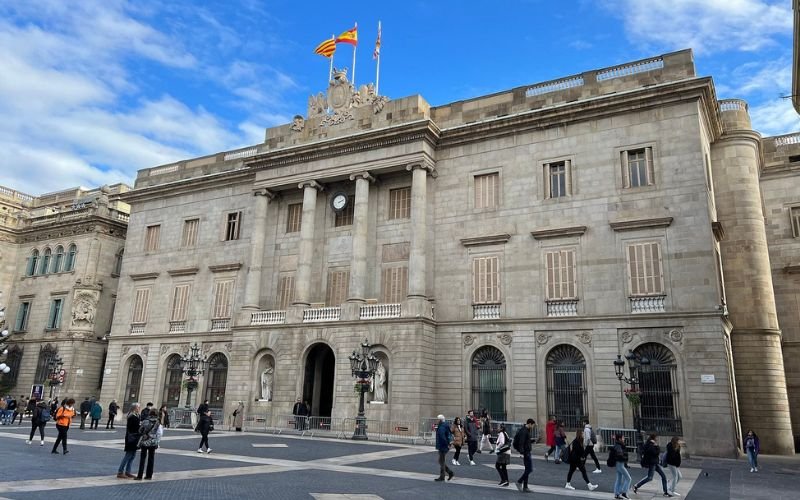
Plaça Sant Jaume located in the centre of the Gothic Quarter has been the political centre of Barcelona for over 2,000 years. It sits on the site of the ancient Roman forum and is now home to two major government buildings:
Barcelona City Hall (Ajuntament)
Palau de la Generalitat — seat of the Catalan government
The Temple of Augustus
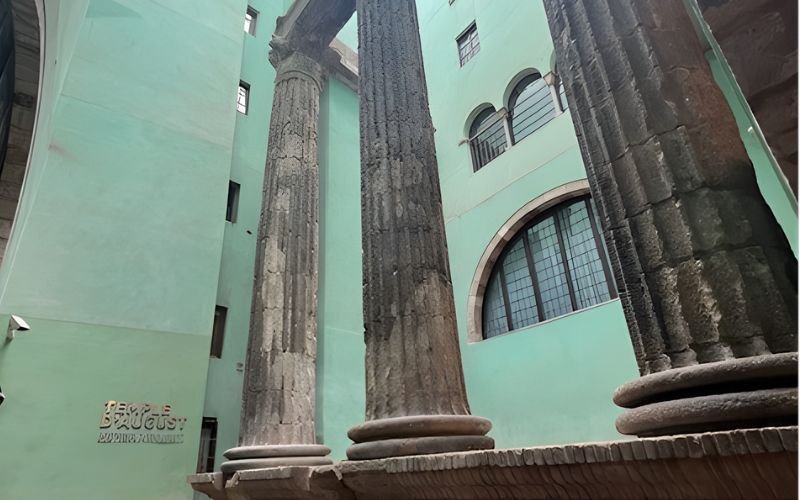
The Temple of Augustus is one of Barcelona’s best‑kept secrets. Tucked inside a quiet courtyard at Carrer del Paradis 10, these 2,000‑year‑old Roman columns are the remains of a temple dedicated to Emperor Augustus. They were rediscovered in the 19th century and preserved inside a medieval building.
El Call (Jewish Quarter)
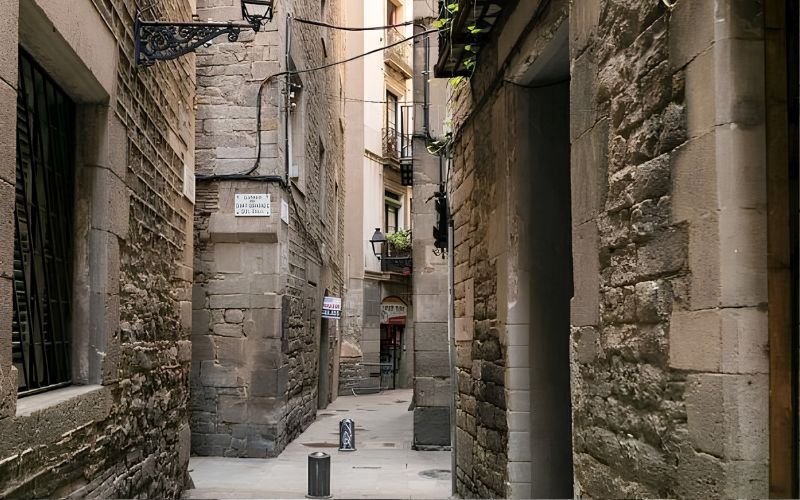
El Call is one of the most atmospheric parts of the Gothic Quarter located between Carrer del Call and Carrer de Sant Honorat — a network of narrow medieval streets, some so tight you can touch both walls with your hands. This was once home to Barcelona’s Jewish community during the Middle Ages.
Why Visit
Atmospheric, maze‑like medieval streets
Historic sites including the Ancient Synagogue of Barcelona
Quiet corners perfect for photography
A deep look into Barcelona’s multicultural past
Insider Tip
Visit the MUHBA El Call Museum (small fee) for a deeper understanding of Jewish life in medieval Barcelona.
Lunch (12:00–13:00): La Boqueria Market
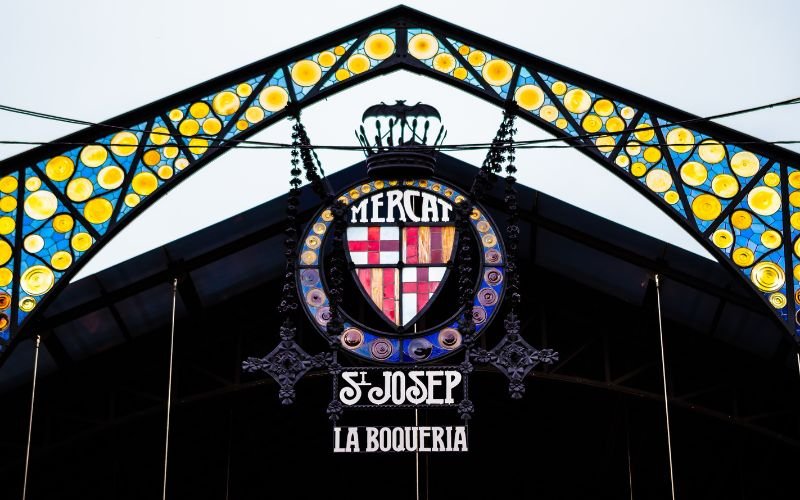
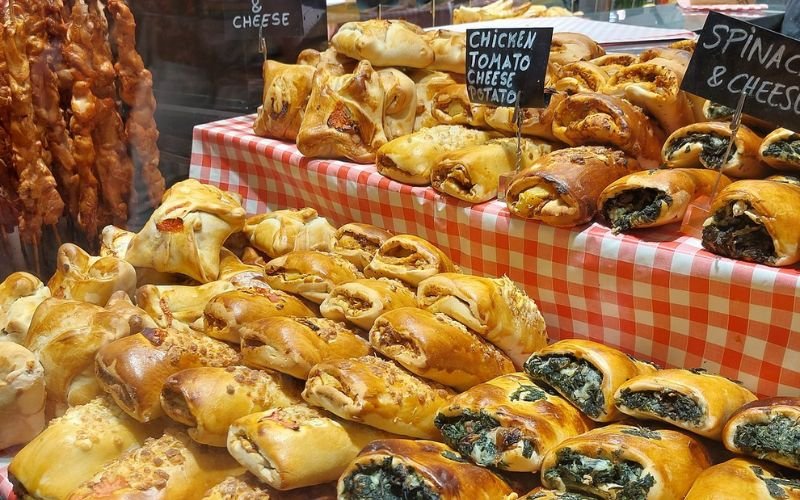
La Boqueria—officially the Mercat de Sant Josep—is a 13th‑century market on La Rambla bursting with color and energy. More than 300 stalls overflow with fresh produce, jamón, seafood, pastries, and tapas, making it one of the best places in the city for an affordable, flavor‑packed snack break.
Best Budget Bites
Fresh fruit juices (€2–€3) — vibrant blends of mango, strawberry, coconut, and more.
Empanadas (€2–€3) — easy to grab, with fillings ranging from beef to spinach and cheese.
Tortilla pinchos (€2–€4) — thick slices of Spanish omelette served on bread.
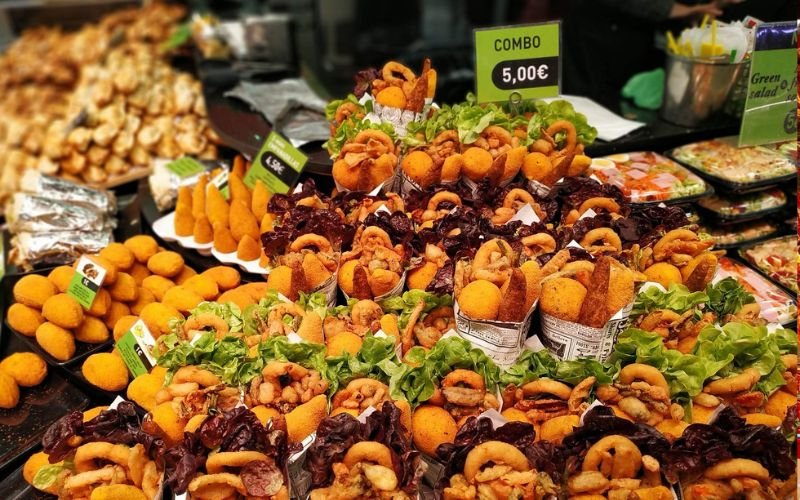
Seafood cones (€5–€8) — fried calamari, shrimp, or mixed seafood served in a paper cone for snacking as you wander.
Afternoon (13:00–17:00): La Rambla → Port Vell → Barceloneta Beach
Walk La Rambla
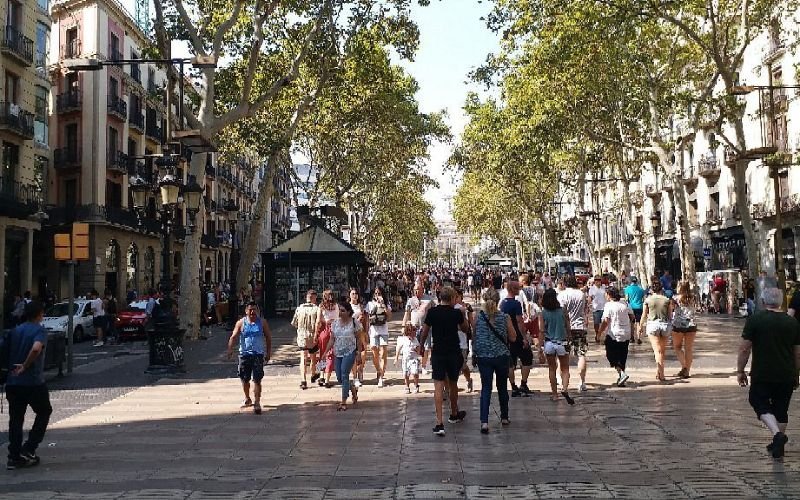
A stroll down La Rambla is pure Barcelona energy — flower stalls spilling with color, human statues and street performers, cafés, and grand historic façades. Yes, it’s touristy, but it’s also iconic, lively, and perfect for people‑watching as you make your way toward the waterfront.
Continue to Port Vell
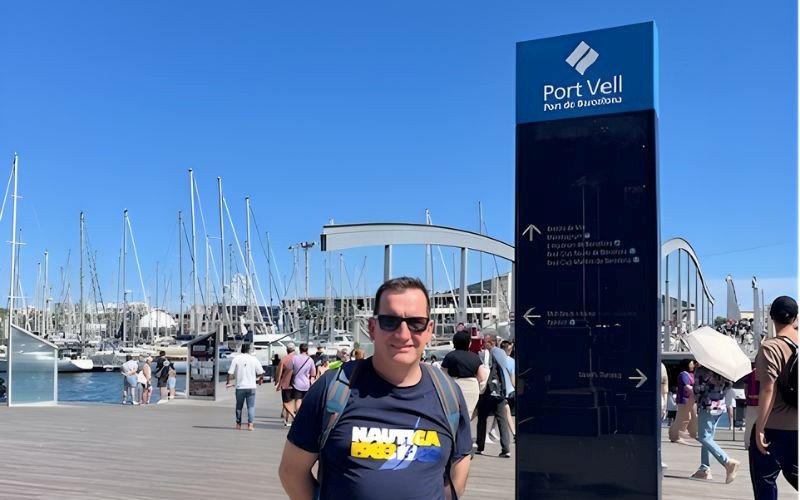
At the end of La Rambla, the boulevard opens into Port Vell, Barcelona’s old harbor turned modern marina. The promenade is ideal for a slow, scenic walk: gleaming yachts, palm‑lined paths, sea breezes, and views stretching toward Montjuïc. It’s a great spot to pause for photos or grab a drink by the water.
Relax at Barceloneta Beach
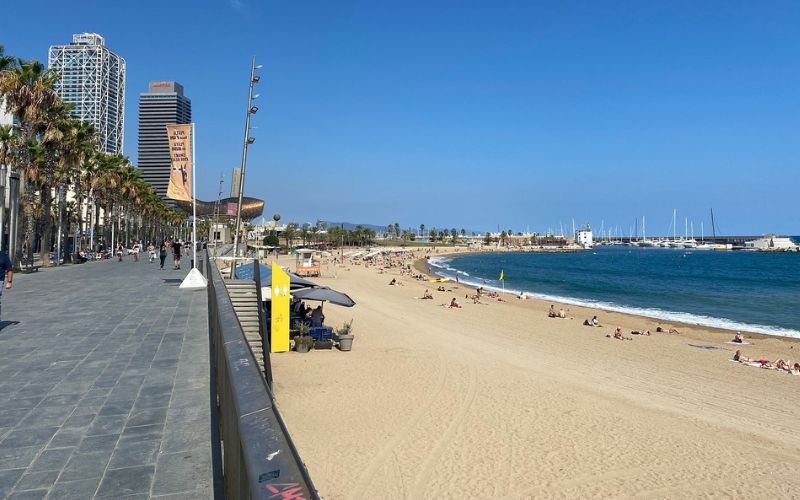
Keep following the coast and you’ll reach Barceloneta Beach, the city’s most famous stretch of sand. It’s lively, sunny, and perfect for an afternoon break. Bring a towel, sunscreen, and snacks from La Boqueria or a nearby bakery, then settle in to enjoy the Mediterranean vibe.
Optional Add‑Ons
History Museum of Catalonia rooftop (free to access the terrace)
Evening (17:00–20:00): Tapas in Barceloneta or El Born
Budget Tapas to Try
Patatas bravas
Croquetas
Pan con tomate
Grilled sardines
Padrón peppers
Where to Eat Cheap
Local tapas bars on side streets
Avoid beachfront restaurants — overpriced and mediocre
Day 2 – Gaudi Day: Sagrada Familia, Passeig de Gracia & Park Guell
Morning (9:00–11:00): Sagrada Familia
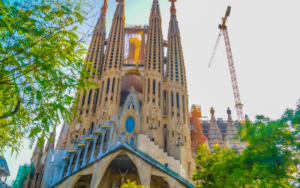
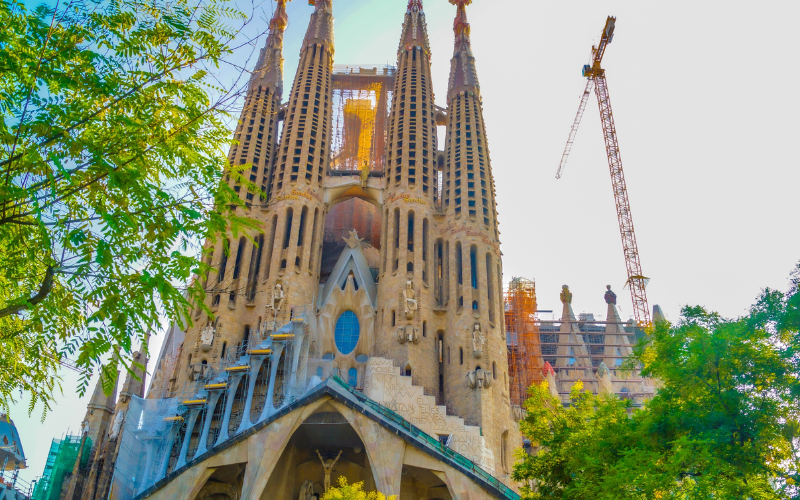
Gaudí’s unfinished basilica is Barcelona’s crown jewel, a place where every angle reveals new details and symbolism.
Exterior (Free)
Walk the entire perimeter — each façade feels like a different chapter of the story:
Nativity Façade — ornate, joyful, and bursting with life and nature.
Passion Façade — stark, angular, and dramatic, with sculptures that emphasize suffering and sacrifice.
Interior (€30 basic entry)
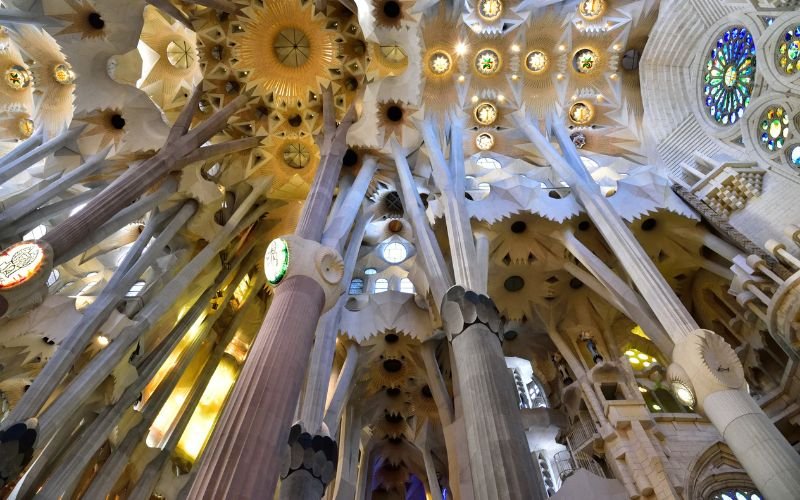
If you choose to go inside, the experience is completely different — light, color, and geometry working together in a way only Gaudí imagined:
Stained‑glass windows that flood the basilica with shifting rainbow light
Tree‑like columns branching toward the ceiling
Forest‑inspired vaults that make the interior feel like a stone woodland
Late Morning (11:00–13:00): Passeig de Gràcia
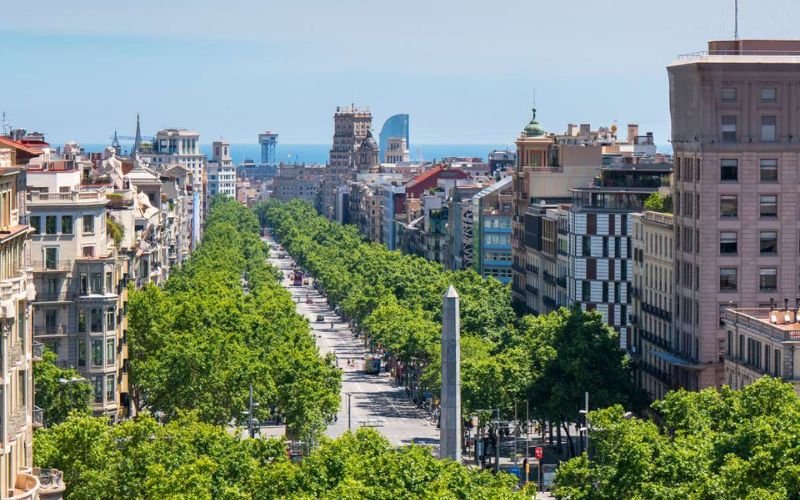
Barcelona’s most elegant avenue doubles as an open‑air Gaudí museum, where high‑end boutiques sit beside some of the city’s most iconic Modernist masterpieces.
Free to Admire from Outside
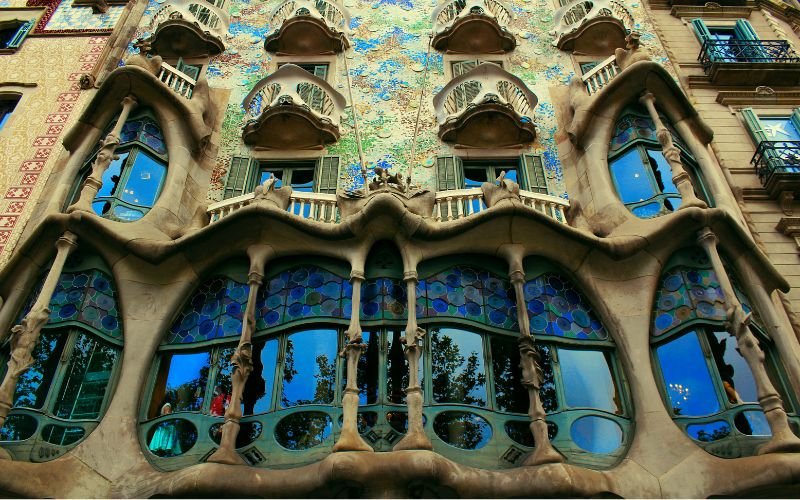
Casa Batlló — A riot of color and curves, its mosaic façade and skeletal balconies make it one of Gaudí’s most striking creations.
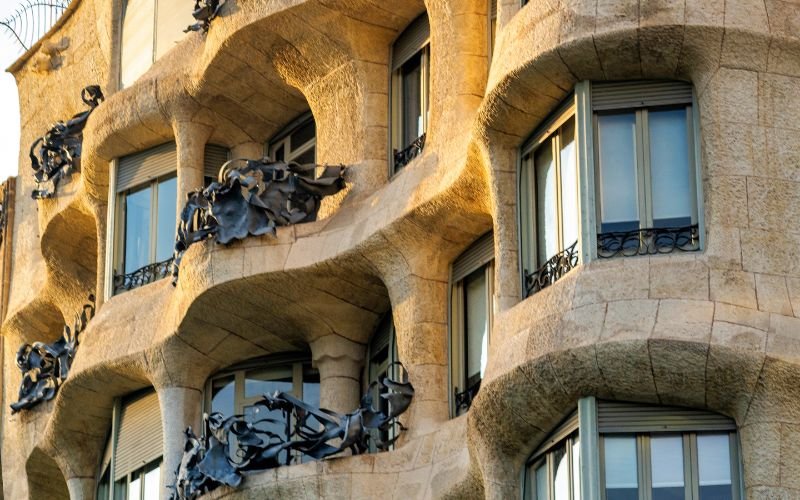
Casa Milà (La Pedrera) — A wave‑like stone building with wrought‑iron balconies that seem to flow like water. Its rooftop chimneys are famous for their sculptural, almost otherworldly shapes.
Optional Paid Interiors
Both buildings offer immersive interior tours that showcase Gaudí’s craftsmanship and imagination. They’re undeniably stunning, but tickets run €25–€35, so budget travellers often stick to the exteriors — which are impressive enough to enjoy without spending a cent.
Lunch (13:00–14:30): Menu del Día in Gràcia
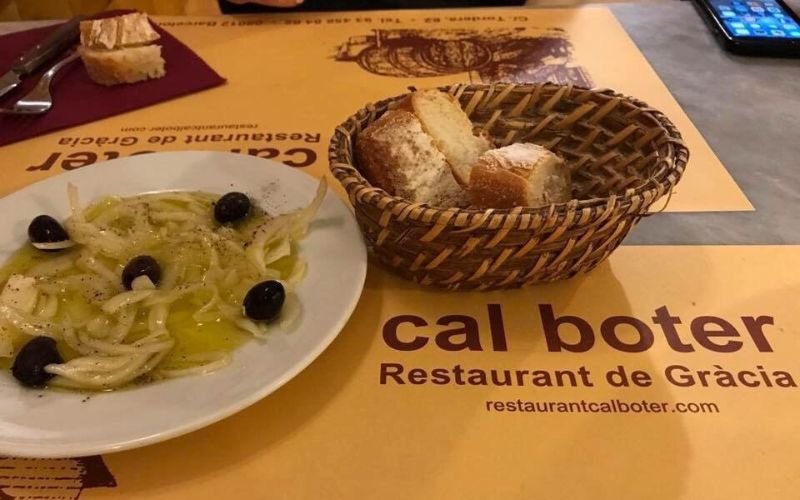
Gràcia is a charming, village‑like neighborhood with a relaxed, local feel and plenty of affordable restaurants tucked into its narrow streets.
Menu del Día (€13–€18) Includes
Starter
Main
Dessert or coffee
Drink (often wine or beer)
This is one of Spain’s best budget dining traditions.
Afternoon (14:30–17:30): Park Güell
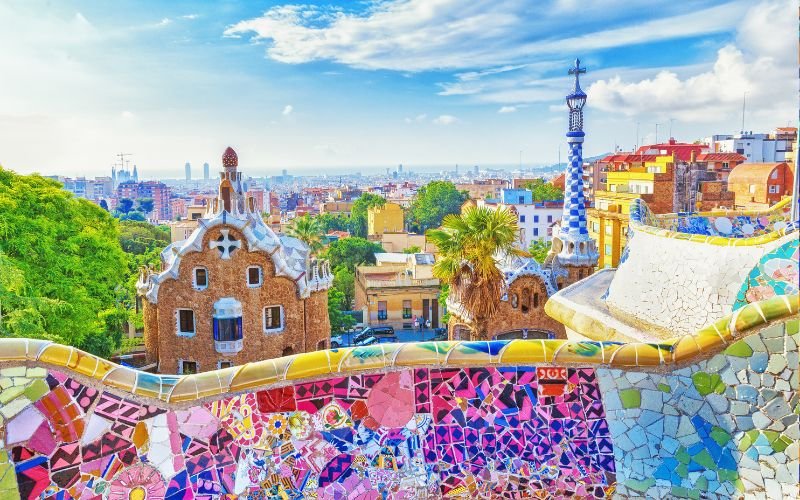
Park Güell is a whimsical world of mosaics, gingerbread‑like houses, and sweeping city views, one of Gaudí’s most imaginative creations and a must‑see for any Barcelona trip.
Monumental Zone (€10)
This is the ticketed area where Gaudí’s most famous designs are concentrated. It includes:
Mosaic lizard (El Drac) — the park’s iconic, brightly tiled guardian.
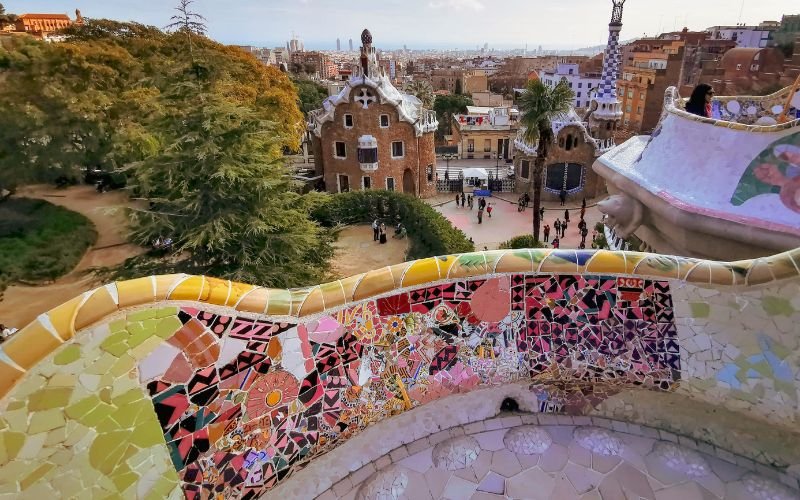
Serpentine bench — a long, wavy mosaic bench overlooking the city.
Gaudí’s terrace — the grand plaza with panoramic views and some of the best photo angles in Barcelona.
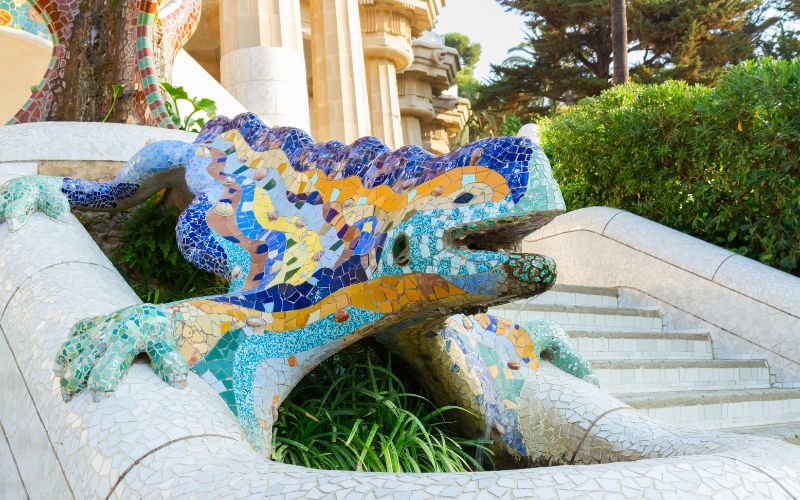
Free Areas
The surrounding park is huge, peaceful, and full of forested paths. You can wander for hours, enjoy quiet viewpoints, and admire Gaudí‑inspired stone structures without paying a cent.
Best Photo Spots
Main terrace with its postcard‑perfect view of Barcelona
Mosaic benches glowing in the sun
Gaudí House Museum exterior framed by trees and colorful tiles
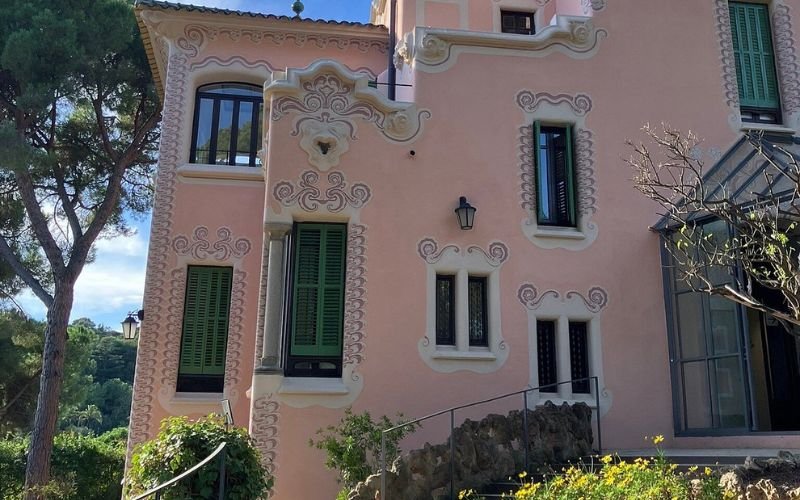
Evening (17:30–20:00): Dinner in Gràcia
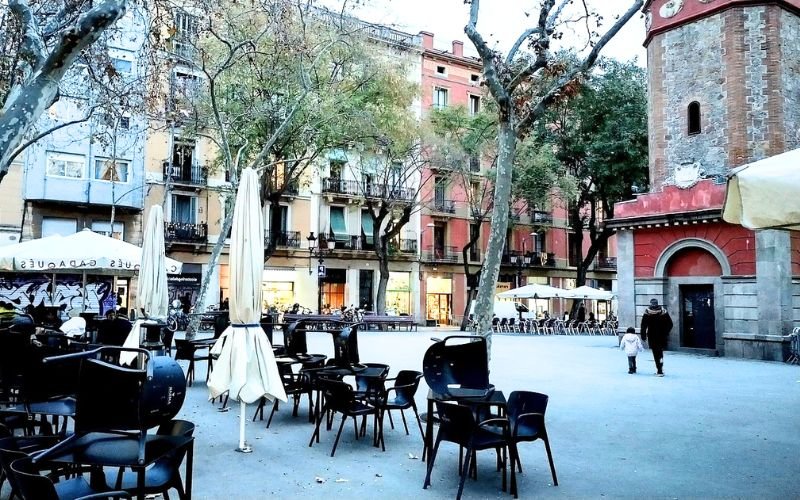
Gràcia’s plazas come alive at night, each one buzzing with its own mix of locals, music, and warm, laid‑back energy.
Best Plazas
Plaça del Sol — The heart of Gràcia’s nightlife, filled with terraces, musicians, and a youthful, bohemian vibe.
Plaça de la Vila de Gràcia — Known for its iconic clock tower and family‑friendly atmosphere, it’s a perfect spot to sit with a drink and people‑watch.
Plaça de la Virreina — A quieter, tree‑shaded square framed by a beautiful church, ideal for a relaxed evening with a gelato or a glass of wine.
Expect street musicians, families lingering late into the evening, and a relaxed local vibe that makes Gràcia feel like its own little village within the city.
DAY 3 — Montjuïc, Poble Sec, El Born & Magic Fountain
Morning (9:00–12:00): Montjuïc Hill
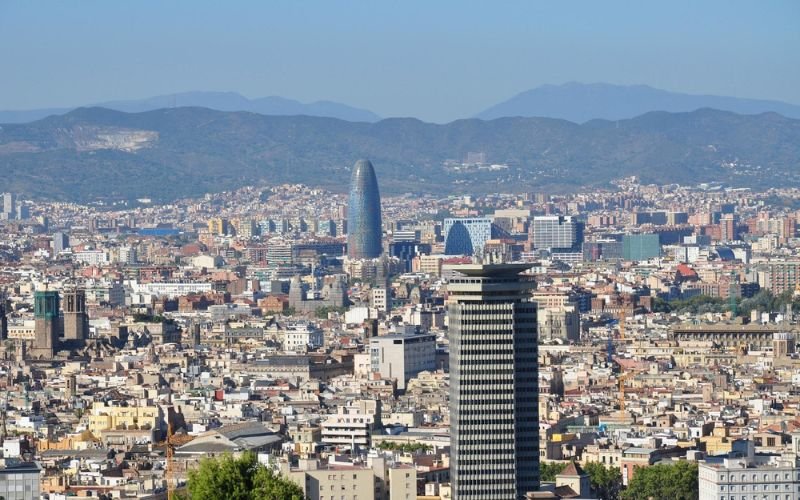
Montjuïc is a hill packed with free attractions, green spaces, and sweeping views over the city and sea. It’s one of the best places to explore without spending much.
Free Highlights
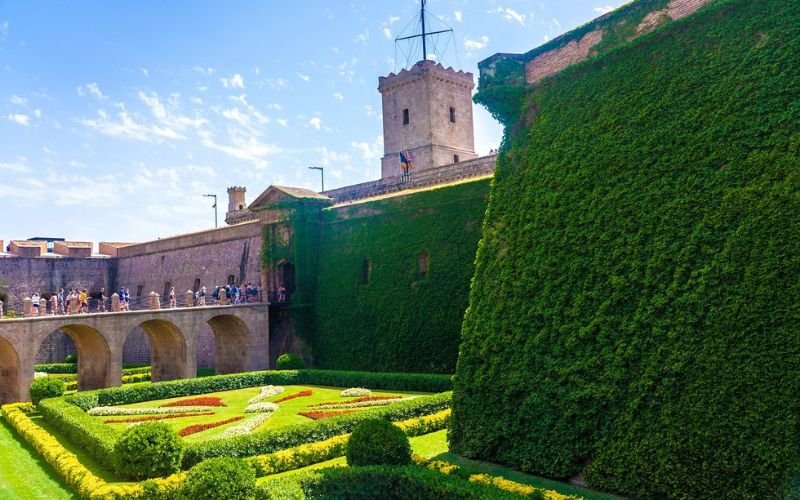
Montjuïc Castle grounds — Wander the historic fortress exterior and enjoy panoramic views from the ramparts.
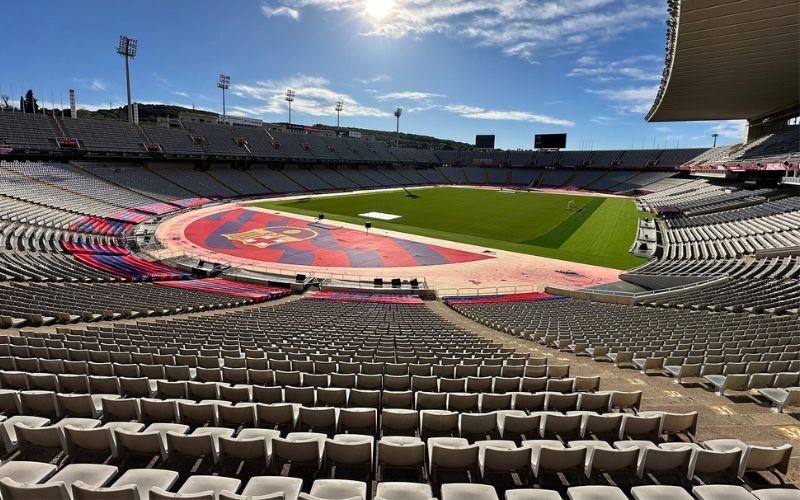
Olympic Stadium — Step into the open plaza of the 1992 Olympics and explore the surrounding sports complex.
Botanical gardens — Several outdoor areas are free to roam, offering Mediterranean plants and peaceful walking paths.
MNAC terrace — One of Barcelona’s best viewpoints, with sweeping city vistas and a perfect sunset spot.
Budget Tip
Skip the cable car — it’s pricey and often crowded. Take the bus or walk up through the park trails for a scenic (and free) climb.
Lunch (12:00–13:30): Poble Sec Tapas Crawl
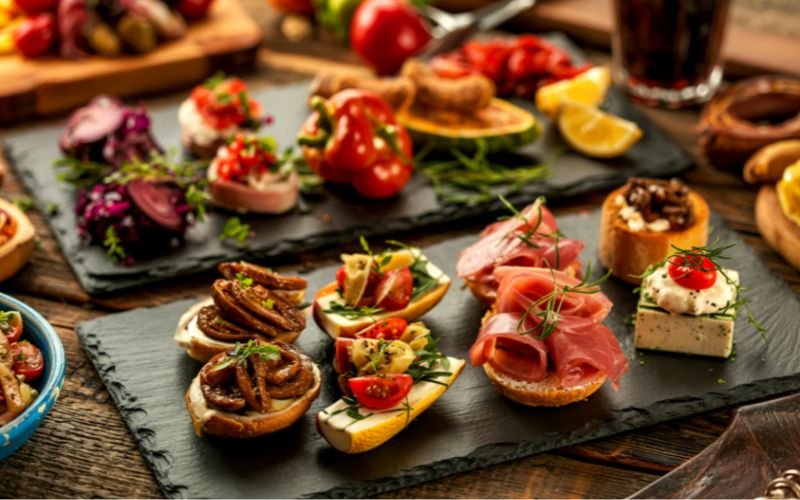
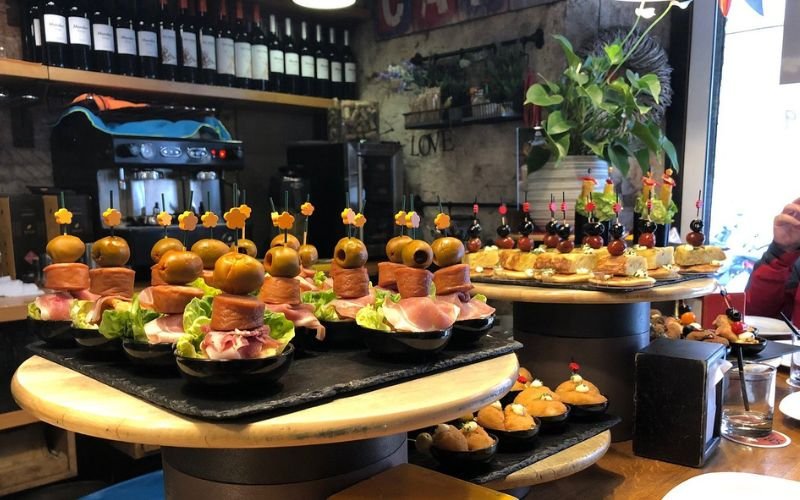
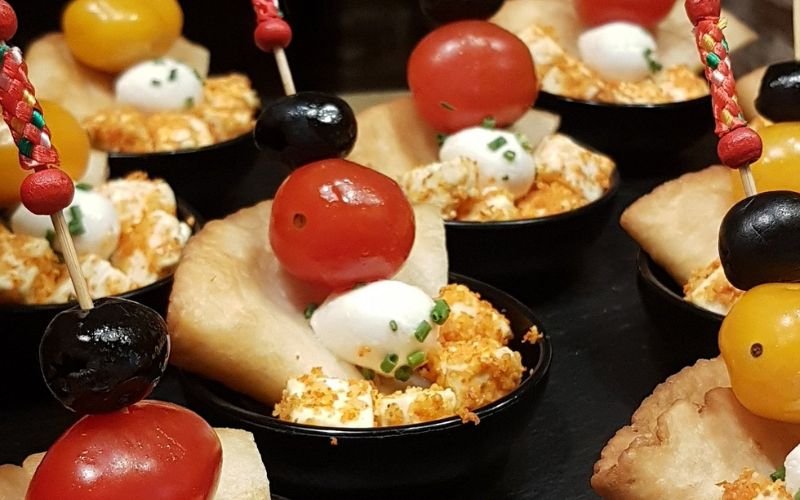
Head over to Carrer de Blai, the legendary strip where pintxos go for just €1–€2 and the atmosphere buzzes from afternoon to late night. The street is packed with tapas spots, each one showing off counters loaded with colourful, bite‑sized creations that practically beg you to try ‘just one more. It’s a feast for your eyes!
Our Favourite Spots
- La Tasqueta de Blai, Carrer de Blai, 16
- Pincho J, Carrer de Blai, 20,
- Blai 9, Carrer de Blai, 9
What to Try
- Mini sandwiches
- Croquetas
- Stuffed peppers
- Tortilla bites
Afternoon (13:30–17:00): El Born District
El Born is stylish, artistic, and full of character — a neighborhood where medieval streets meet creative energy, independent boutiques, and cozy wine bars.
Top Free Spots
Santa Maria del Mar — A breathtaking Gothic basilica known for its soaring columns and serene, light‑filled interior. Step inside to feel the calm contrast to the lively streets outside.
Passeig del Born — Once a medieval jousting arena, now a charming promenade lined with cafés, artisan shops, and street performers that give the area its bohemian vibe.
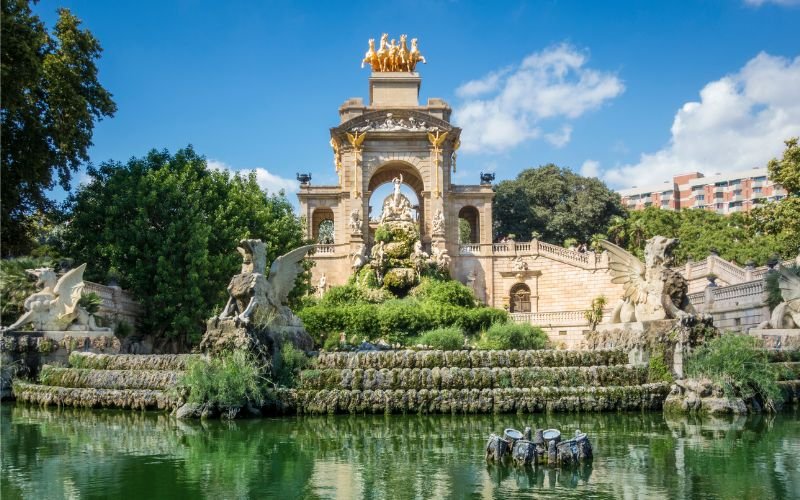
Ciutadella Park — The city’s green oasis, perfect for lounging under the trees, picnicking, or renting a rowboat on the small lake. A great place to unwind after exploring the neighborhood.
Optional Paid Activity
Picasso Museum (free on Thursday afternoons)
Evening (20:00–22:00): Magic Fountain Show
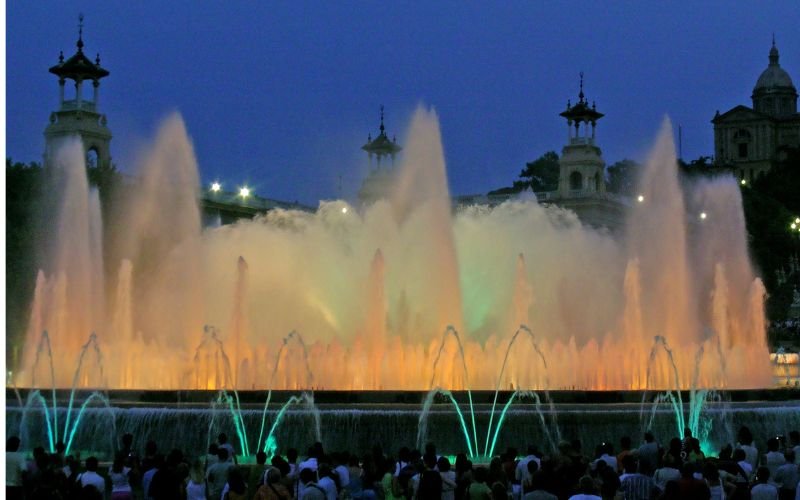
End your trip at the Magic Fountain of Montjuïc, a dazzling show of water, light, color, and music that turns the entire plaza into a nighttime spectacle. When the choreography of fountains, lights, and sound syncs just right, it really does feel like pure magic. The fountain sits below the Palau Nacional, right on Montjuïc, and just a short walk from Plaça d’Espanya.
Important
Check the schedule— it doesn’t run every night and pauses in winter.
Frequently Asked Questions
Is 3 days enough to see Barcelona — Yes. Three days is enough time to explore Barcelona’s major attractions, including the Gothic Quarter, Sagrada Família, Park Güell, Montjuïc, and the beach. You won’t see everything, but you’ll experience the city’s architecture, food, and culture without feeling rushed.
How much should I budget for 3 days in Barcelona — Budget travellers typically spend €90–€140 total, including food, transport, and a few paid attractions. Costs stay low by using the T‑Casual pass, eating menu del día lunches, and focusing on free sights.
What is the cheapest way to get around Barcelona — The T‑Casual pass (€12.15) is the most affordable option. It gives you 10 metro/bus rides and can be shared between travelers. Walking is also ideal for central neighborhoods like the Gothic Quarter and El Born.
Is Barcelona safe for budget travellers — Yes, Barcelona is generally safe. The main issue is pickpocketing in crowded areas like La Rambla, metro stations, and beaches. Keep valuables secure and avoid leaving belongings unattended.
What are the best free things to do in Barcelona — Top free activities include exploring the Gothic Quarter, relaxing at Barceloneta Beach, visiting Ciutadella Park, walking Montjuïc Hill, admiring Gaudí buildings from the outside, and watching the Magic Fountain show.
Is Sagrada Família worth paying to enter — Yes, if your budget allows. The interior is breathtaking, with stained‑glass windows and tree‑like columns. But if you’re saving money, the exterior alone is still spectacular and completely free to admire.
Can I visit Park Güell for free — Yes and no. The Monumental Zone (€10) requires a ticket, but the outer park areas are free and offer great views. Budget travellers can enjoy the park without paying.
Where should budget travellers stay in Barcelona — Affordable, well‑located neighborhoods include El Raval, Gràcia, and Poble Sec. They offer cheaper accommodation, great food, and easy access to major attractions.
What is the cheapest way to get from Barcelona Airport to the city — The metro is the cheapest option. The Aerobús is faster but slightly more expensive. Avoid taxis if you’re on a tight budget.
When is the best time to visit Barcelona on a budget — The most affordable months are March–May and September–November. Weather is pleasant, crowds are smaller, and accommodation prices drop.