During our time in Madrid, we were determined to track down something unique to do that didn’t feature on the shiny tourist brochures. After chatting with a friendly Spanish couple on the metro, we learned about a quirky local tradition: buying cookies from cloistered nuns. That definitely qualified as “hidden,” so we set out to find it.
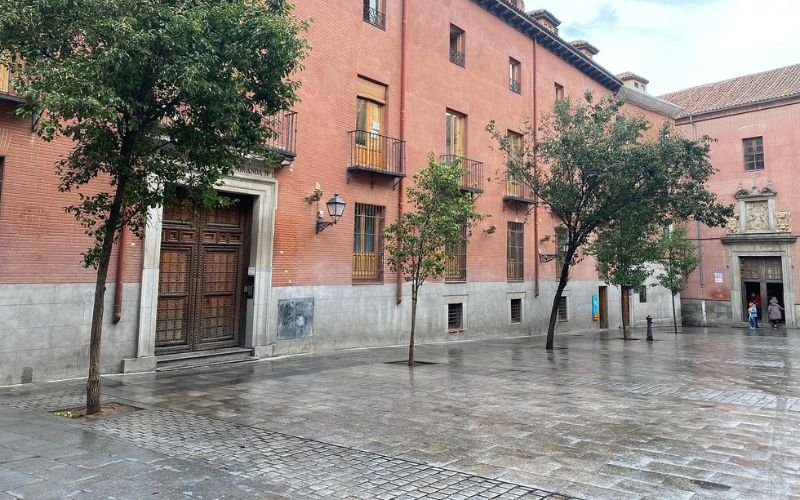
Tucked away in the maze of narrow, cobblestone lanes just a few steps from Plaza Mayor sits one of the city’s most charming secrets: the Monasterio del Corpus Christi, often called Las Carboneras. If you weren’t specifically searching for it, you’d stroll right past the thick wooden door without realizing anything unusual was behind it.
This post may contain affiliate links. If you make a purchase, we may earn a small commission at no extra cost to you. Our goal is to provide valuable and helpful content, and any commissions help us to mantain this site.
Contents
ToggleGet your Madrid Essentials!
- Find cheap flights to Madrid
- Find hotels or hostels in Madrid
- Find activites and tours for Madrid
- Compare hire car prices or train tickets
- Get an eSIM for Madrid. Use our code ‘TBTravellers to receive 5% OFF any eSIM!
What is a Cloistered Nun
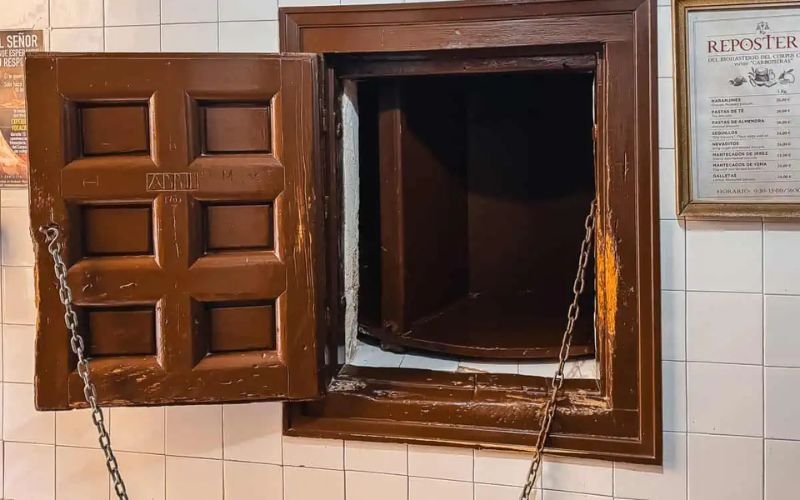
We didn’t know a lot about nuns before purchasing our cookies so it was interesting to learn that cloistered nuns are women who live in enclosure meaning they rarely leave the monestary grounds. The nuns don’t interact face-to-face with the public. When they must communicate, like selling the cookies they use a turntable with no speaking involved.
Finding the Convent
The convent sits in a small plaza called Plaza del Conde de Miranda, a peaceful pocket of the city just to the back left side of the Mercado de San Miguel if you’re walking towards the Monastery. There’s no flashy sign — just a modest plaque reading Venta de Dulces (which means Sweets for sale).
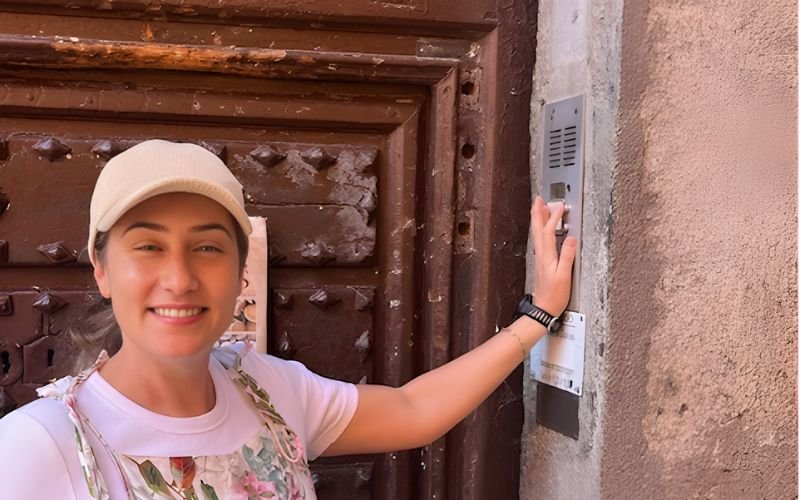
On the right-hand side of the entrance, you’ll see an intercom panel with three buttons. Press the first one, labeled “monjas” (meaning “nuns”). Most of the time they’ll buzz you in without asking anything. If they do speak through the intercom, you can simply say “tienes dulces hoy”—“do you have sweets today”—and they’ll let you inside.
Make your Way to the Torno
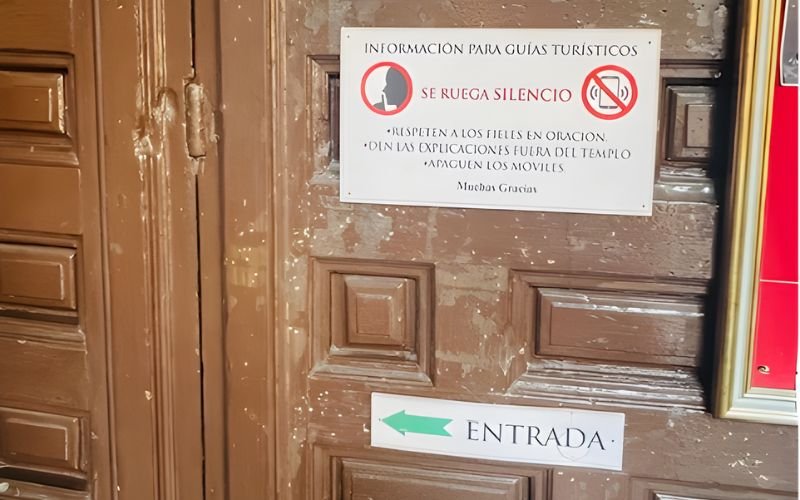
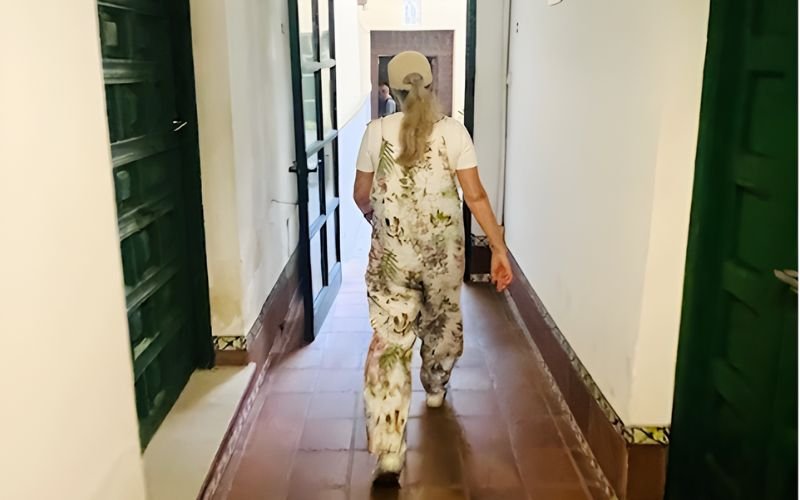
Once you’re in, walk straight ahead until you spot a sign pointing toward the “torno”, the rotating wooden turntable the nuns use. It’s the nun’s way of interacting with the world without breaking their vow of seclusion.
Follow the arrow and turn left, then continue down the hallway. You’ll pass a statue of the Virgin Mary along the way. At the very end of the corridor, you’ll find the menu posted on the wall. They make eight varieties of cookies, though the selection changes depending on what they’ve baked that day.
Purchasing your Cookies
The cookies are sold in half‑kilogram boxes. A half‑kilo costs 12–13 euros, while a full kilo runs about 24–26 euros. Once you’ve chosen what you want, you place your order verbally.
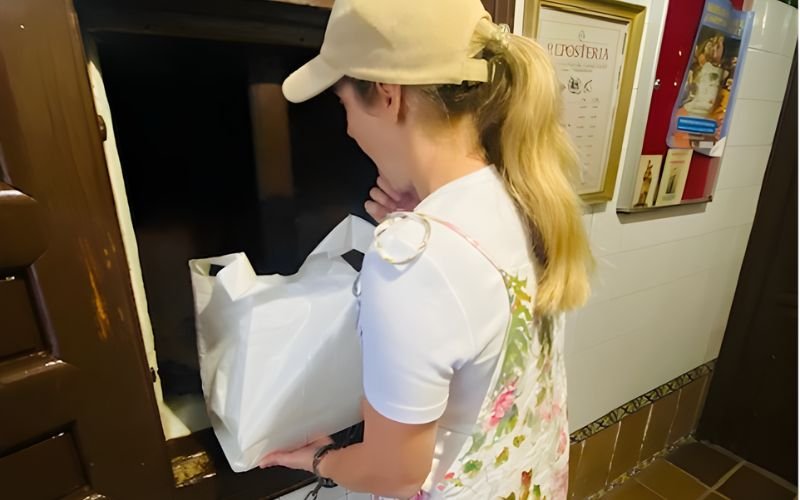
You won’t see the nuns themselves—they’re cloistered—so everything happens through the turntable. They’ll set your bag of cookies on the torno and rotate it toward you.
You then place your cash beside the bag and turn it back to them. They’ll take the payment, set your change on the turntable, and spin it back to you again.
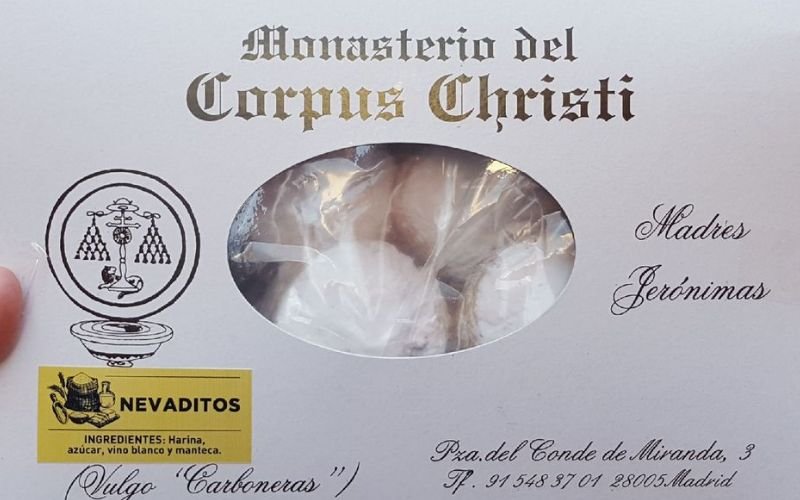
The cookies come in elegant white boxes marked with the Monasterio del Corpus Christi branding, each sealed with a yellow label showing the variety and the ingredients. Make sure you have cash as they do not accept card payments.
There are usually eight different flavours to choose from:
- Naranjines – Orange-flavored biscuits
- Pastas de té – Tea biscuits
- Pastas de almendra – Almond biscuits
- Sequillos – Dry biscuits
- Nevaditos – Sugary shortbread biscuits
- Mantecados de Jerez – Sherry shortbread biscuits
- Mantecados de yema – Egg yolk shortbread biscuits
- Galletas – lemon-flavored biscuits
We chose the Nevaditos, which are dusted generously with powdered sugar. Their name comes from “nieve”, the Spanish word for snow, because the sugar coating makes them look like little snow-covered treats.
When You Can Buy Your Cookies
The nuns sell their cookies every day of the week, but only during specific windows. Their schedule is split into two sessions:
Morning: 9:30 AM – 1:00 PM
Afternoon: 4:30 PM – around 6:15/6:30 PM (the exact closing time can vary slightly)
If you arrive outside these hours, the heavy wooden door will stay firmly shut. We recommend going early in the morning for the best cookie selection as some varieties sell out. If they’re out of a flavor you want, they may tell you to come back in the afternoon when a new batch is ready.
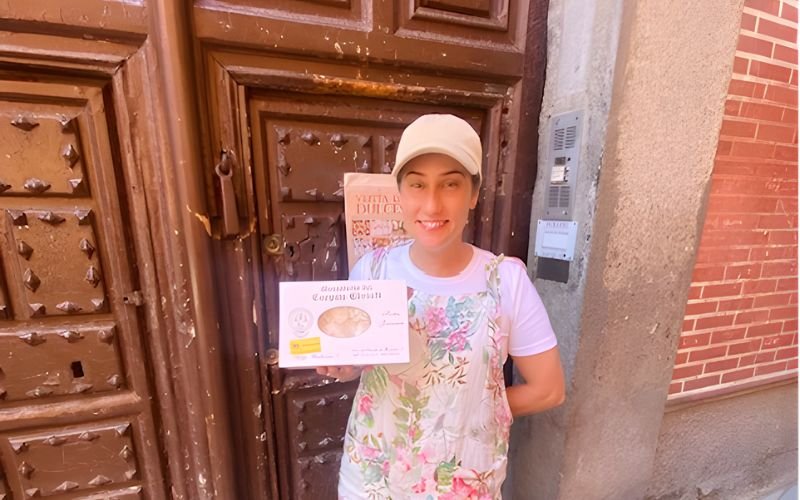
Whether you’re drawn in by the tradition, the mystery, or simply the promise of something sweet, you’ll leave with a little piece of old‑world Madrid that stays with you long after the last bite. It ended up being our favourite experience of the entire trip to Madrid. And if you’re looking for even more budget‑friendly adventures, don’t miss our blog post on free things to do in Madrid—it’s packed with ideas to help you explore the city without spending a cent.