Both Lindsay and I studied Anne Frank at school — reading her diary and watching the film more times than we can count — so visiting the Anne Frank House was always going to be a must‑do on our Amsterdam trip. We knew it would be emotional and deeply moving, so we arrived prepared (yes, tissues included).
A visit to this historic museum is more than a stop on an itinerary — it’s a chance to honour Anne’s story and acknowledge the millions of lives lost during the Holocaust.
In this post, we’ll share our experience and everything you need to know to plan your own visit.
This post may contain affiliate links. If you make a purchase, we may earn a small commission at no extra cost to you. Our goal is to provide valuable and helpful content, and any commissions help us to mantain this site.
Contents
ToggleGet your Amsterdam Essentials!
- Find cheap flights to Amsterdam
- Find hotels or hostels in Amsterdam
- Find activites and tours for Amsterdam
- Compare hire car prices
- Get an eSIM for Amsterdam. Use our code ‘TBTravellers to receive 5% OFF any eSIM!
This post doesn’t include many photos because photography is strictly prohibited inside the Anne Frank House. The rule helps protect the museum, preserve the historic rooms, and ensure everyone can move through the space respectfully — especially given the stories of the people who once lived here.
Who is Anne Frank?
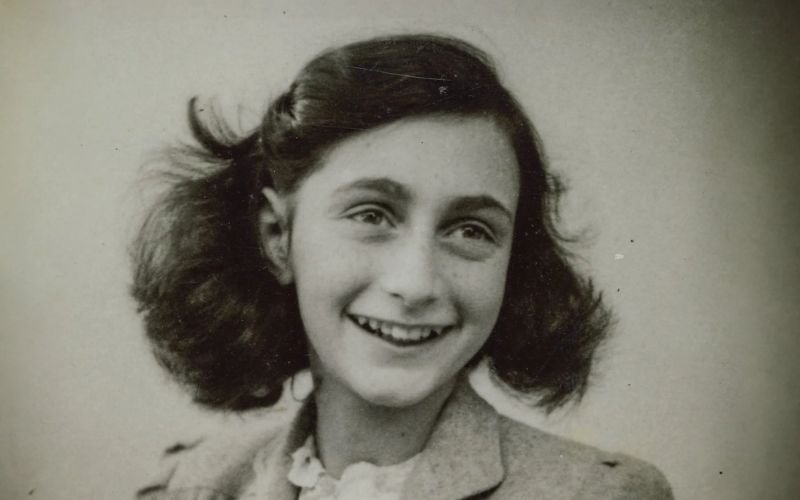
Anne Frank was a Jewish teenager whose diary became one of the most significant firsthand accounts of the Holocaust. Born in 1929, she went into hiding with her family in the Secret Annex in Amsterdam during the Nazi occupation.
Over two years, she documented her daily life, fears, and hopes in what would later become The Diary of a Young Girl. After the war, her father Otto — the only survivor — published her writings, ensuring her voice reached millions around the world. Today, the Anne Frank House stands as a museum dedicated to her story and legacy.
What is the Anne Frank House?
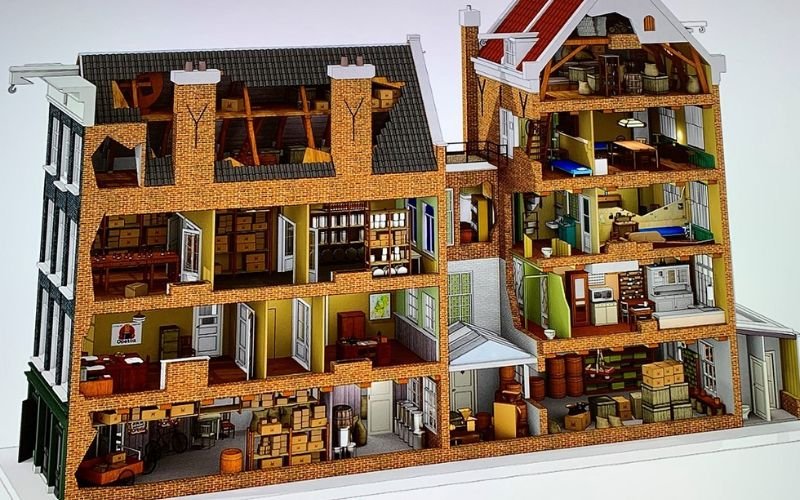
The Anne Frank House is the preserved canal‑side home in Amsterdam where Anne Frank and seven others hid from the Nazis during World War II. Behind a movable bookcase, they lived in the Secret Annex for more than two years while Anne wrote the diary that would later become one of the most important accounts of the Holocaust.
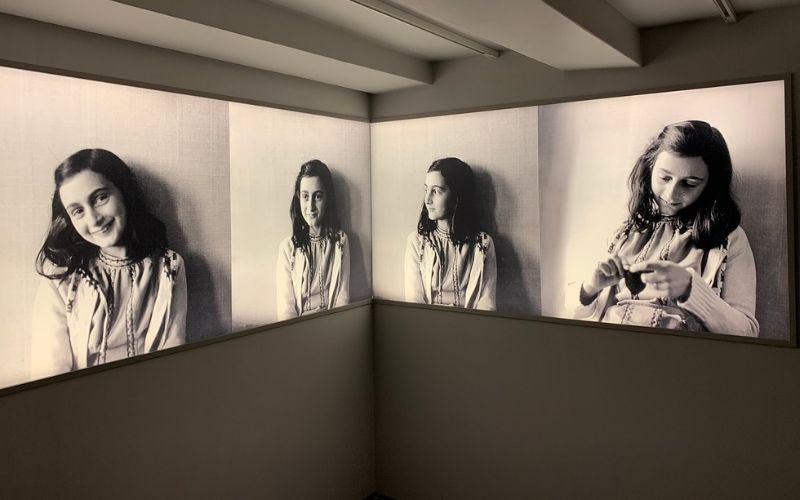
Today, you can walk through those same hidden rooms, see photos and personal belongings from the families in hiding, and view Anne’s original diary and notebooks up close. The museum offers a powerful, intimate look at Anne Frank’s life and the reality of Jewish persecution in the Netherlands — making it one of the most meaningful places to visit in Amsterdam.
Getting Tickets
Getting tickets for the Anne Frank House is honestly the hardest part of the whole visit. Because the museum is so popular, tickets sell out fast — especially in busy seasons — so you’ll need to plan ahead and be ready when they’re released.
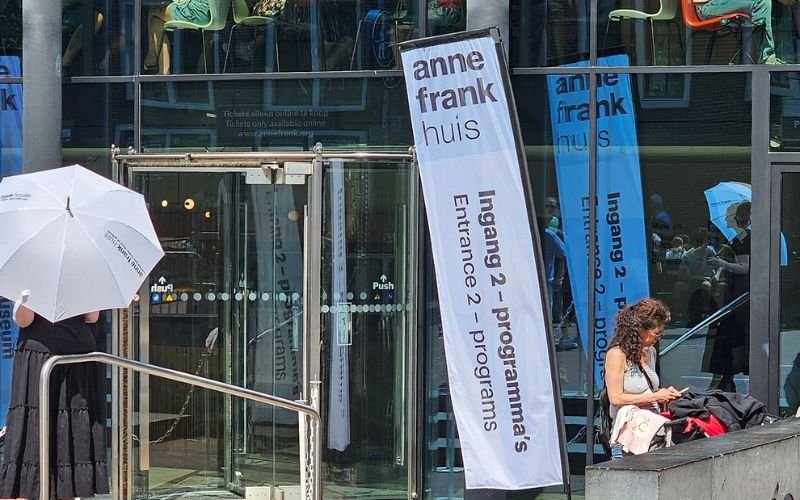
All tickets are sold online only, and it’s important to book directly through the official website to avoid scams. New tickets drop every Tuesday at 10am CET for visits over the next six weeks, and you’ll need to choose a specific time slot. Once booked, the time can’t be changed or refunded.
Make sure you arrive on time, too. Your ticket gives you a 15‑minute entry window, and visitors are admitted strictly according to their chosen slot.
Ticket Types & Prices
The Anne Frank House has straightforward pricing:
Adult tickets — €16.50
Youth tickets (ages 10–17) — €7.00
Children (0–9 years) — €1.00
Standard tickets include a self‑guided audio tour, available in multiple languages such as English, German, French, Spanish, Hebrew, and Japanese.
If you want a deeper introduction, you can book the introductory program for an extra €7 (total €23.50). It’s a 30‑minute session led by an educator who explains Anne’s life, the context of WWII, and the persecution of Jews before you enter the museum. We chose this option and found it absolutely worth the small extra cost.
How to Get to the Anne Frank House
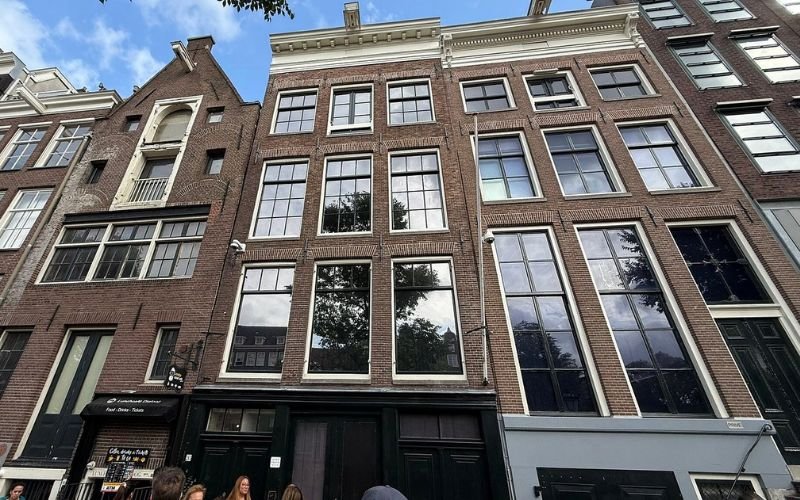
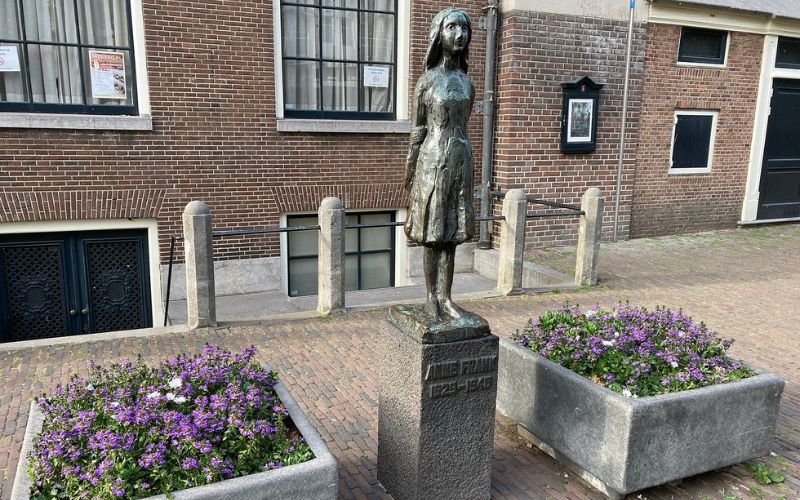
You’ll find the Anne Frank House on Prinsengracht 263–267, right in the centre of Amsterdam and only about a 10‑minute walk from Dam Square.
From Amsterdam Centraal, it’s roughly a 20‑minute walk. If you prefer public transport, take Tram 13 or Tram 17 and get off at Westermarkt, which is just a couple of minutes from the museum entrance. Although the historic hiding place is at Prinsengracht 263, the actual visitor entrance is around the corner at Westermarkt 20.
Remember that entry is strictly tied to your booked time slot. You’ll need to arrive within the 15‑minute window shown on your ticket to be allowed in.
Highlights inside the Anne Frank House
Offices and Main Building
The visit begins in the main building, where Otto Frank’s company once operated. This part of the house held the offices, warehouse space, and kitchen. During the day it was a busy workplace, but at night the people in hiding could quietly use some of these rooms. Otto Frank’s office is one of the key stops — it’s where he listened to the radio and met with colleagues. Today, it displays personal objects, documents, and items connected to the business.
The Secret Annex
The Secret Annex is where all eight people lived in hiding. Tucked behind the office and above the kitchen, stepping inside feels like being transported back to 1942. As many know, Otto Frank was the only one to survive the war. When he returned in 1945, he found the hiding place empty and damaged, but he fought to preserve it as a memorial. Thanks to his efforts, the building was saved from demolition and opened as a museum in 1960.
Otto chose to leave the rooms unfurnished, so the annex feels stark and stripped back — a reminder of how fragile life was here.
Landing and the Bookcase
At the top of the stairs is the famous revolving bookcase built by Johan Voskuijl. This disguised the entrance to the annex and kept the families hidden until their arrest.
Entrance Hallway
Behind the bookcase is a narrow hallway. To the left was the Frank family’s room; upstairs was the room used by the Van Pels. The bathroom sits just off the hallway.
Frank Family Living Room
This room served as the Franks’ shared living space. During the day it functioned as a dining and sitting area, and at night it became the bedroom for Otto, Edith, and Margot.
The Bathroom
The bathroom is one of the few rooms that remains almost exactly as it was. All eight people shared it, and they could only use it at certain times to avoid being heard by workers downstairs.
Mr and Mrs Van Pels’ Room
The Van Pels slept in the room where the families cooked, ate, and listened to the radio. In the evenings, it was converted into their bedroom.
Peter Van Pels’ Room
Peter’s small room sits at the bottom of the stairs leading to the attic. Anne initially found him dull, but over time they grew close — this is where they shared their first kiss.
Anne Frank’s Room
Anne shared her room with Fritz Pfeffer, the dentist who joined the group later. The arrangement caused tension, but it was considered the most practical option. This room still displays the pictures Anne glued to the walls to make the space feel more like her own.
The Attic
The attic was the only place with a window that wasn’t blacked out. The families used it to dry laundry and store food. Anne often wrote about coming up here to talk with Peter and look out at the sky and the chestnut tree — one of the few glimpses of the outside world she had.
Lower Levels
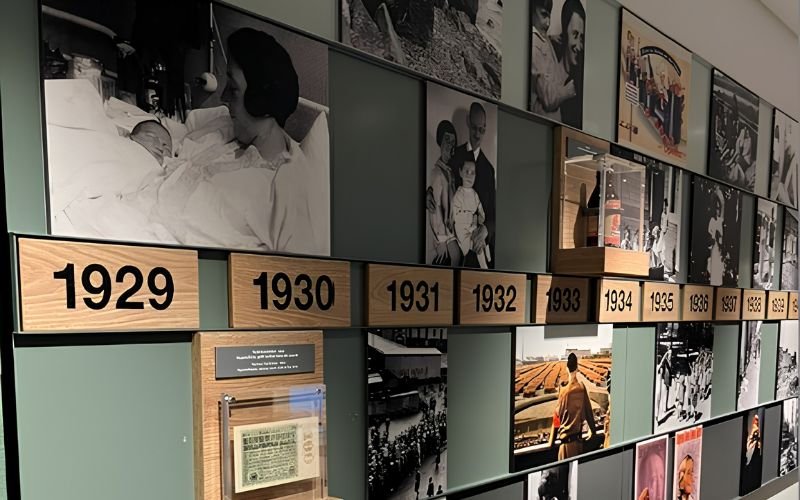
After exploring the annex, you move through the front part of the house, where various personal items, documents, and multimedia displays help tell the story of the families in hiding. Otto Frank spent years gathering these materials to preserve their memory.
Diary Room
One of the most moving parts of the museum is the room where Anne’s original red‑checked diary is displayed. She received it for her 13th birthday and filled it — along with additional notebooks — during her time in hiding.
In 1944, after hearing that wartime diaries might be collected after the war, Anne began rewriting her entries with the hope of becoming a published writer. Her revised pages, along with her notebooks, favourite quotes, and short stories, are all on display today.
Is Anne Frank House Worth Visiting?
For us, the answer is absolutely yes. Visiting the Anne Frank House is one of the most powerful experiences you can have in Amsterdam. The museum uses thoughtful, engaging multimedia to explain the Holocaust and the persecution faced by Jewish people, but it’s the preserved rooms and Anne’s own words that truly stay with you.
Seeing Anne Frank’s actual handwriting — her diary, her edits, her notes — creates a connection that no book or film can match. Walking through the narrow rooms of the Secret Annex feels like stepping back in time, and it’s impossible not to reflect on how eight people lived in such a small space for so long. Being physically present in the place where their story unfolded gives you a deeper appreciation for the life and freedom we often take for granted.
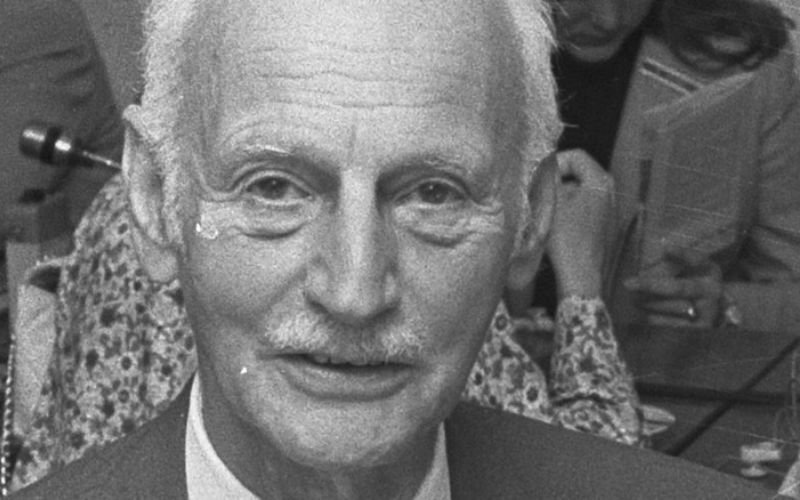
At the end of the visit, we watched moving survivor testimonies, including people who saw Anne in the concentration camps, as well as a heartbreaking interview with Otto Frank speaking about losing his family. These final moments added even more weight to the experience.
If you’re interested in Anne Frank, World War II history, or simply want to understand this chapter of the past on a deeper level, we highly recommend making time for this museum.
Practical Information for Visiting Anne Frank House
Cloakroom and Bag Storage
The museum provides a free cloakroom where you can leave coats, umbrellas, and small items. Backpacks aren’t allowed inside — even my small one had to go into a locker — and there’s no space for large suitcases or bulky bags. If you’re carrying bigger luggage, you’ll need to leave it at your accommodation or use one of the luggage‑storage services near Amsterdam Centraal.
Restrooms
Visitor toilets are located on the lower level of the museum, including one accessible restroom.
Accessibility Information
Because the Anne Frank House is an original canal‑side building, it has steep, narrow staircases and no lift access to the historic rooms. This makes the old part of the house difficult for visitors with mobility challenges.
The newer section of the museum, however, is fully wheelchair accessible, with a dedicated entrance, accessible café and shop, and nearby disabled parking. For detailed accessibility guidance, check the official Anne Frank House website.