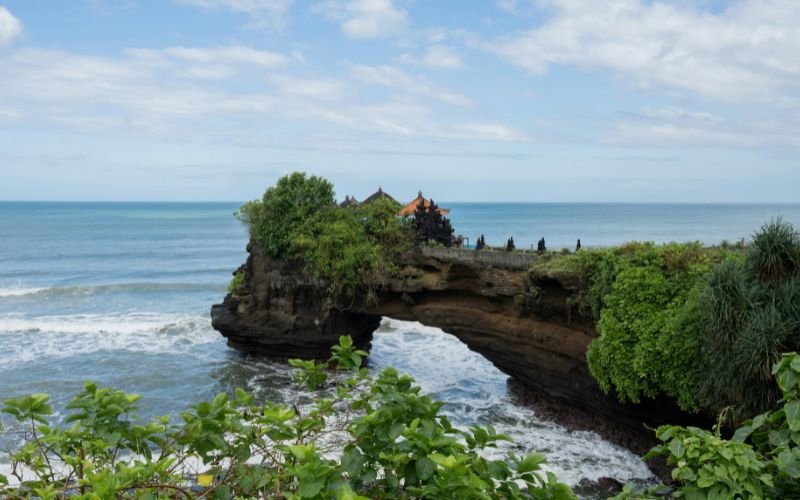
Bali is one of those rare destinations that manages to be spiritual, chaotic, peaceful, adventurous, and budget‑friendly all at once. It’s the kind of place where you can spend your morning hiking to a waterfall, your afternoon sipping a $2 fresh juice overlooking rice terraces, and your evening watching the sun melt into the ocean — all without blowing your travel budget.
If it’s your first time in Bali, this expanded guide walks you through everything: where to stay, how to get around, what things really cost, cultural etiquette, scams to avoid, and the hidden gems most travellers miss.
This post may contain affiliate links. If you make a purchase, we may earn a small commission at no extra cost to you. Our goal is to provide valuable and helpful content, and any commissions help us to mantain this site.
Contents
ToggleGet your Bali Essentials!
- Find cheap flights to Bali
- Find hotels or hostels for Bali
- Find activites and tours for Bali
- Get an eSIM for Bali. Use our code ‘TBTravellers to receive 5% OFF any eSIM!

1. Choose the Right Area for Your Travel Style (and Budget)
Bali isn’t one single destination — it’s a collection of mini‑worlds, each with its own vibe, price point, scenery, and pace. Picking the right area can completely shape your experience. Whether you want beaches, nightlife, culture, surfing, wellness, or quiet nature, there’s a perfect spot for you.
Canggu — Trendy, Social, and Surf‑Friendly
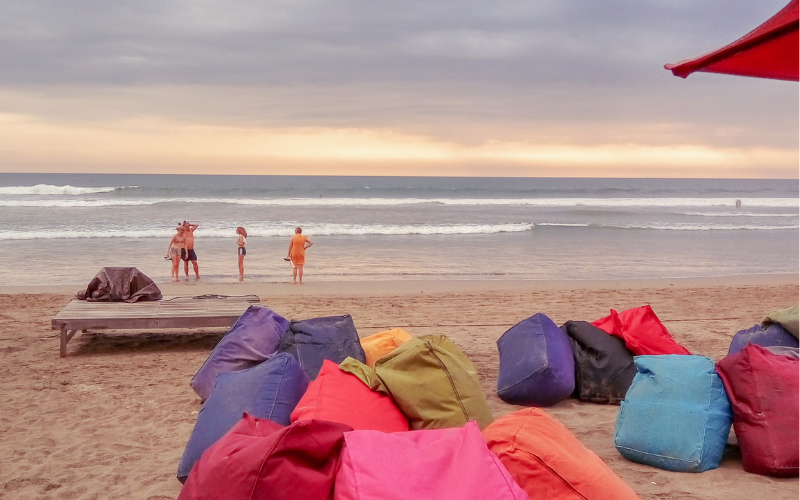
Canggu is Bali’s modern, café‑filled, surf‑loving hotspot. It’s where digital nomads, backpackers, and young travellers gather for good food, beach sunsets, and a lively social scene.
What It Feels Like
- Beach bars and sunset spots
- Surfboards strapped to scooters
- A mix of locals, expats and travellers
Hipster cafés everywhere
What It Costs
- Homestays: $20–$30 AUD/ night
- Mid-range hotels: $50-$100 AUD
Western cafes: $10 – $15 per meal
Pros
- Easy to meet people
- Close to Seminyak
- Lots of co-working spaces
Great food scene
Cons
- Heavy Traffic
- Not the cleanest beaches
- Can feel very crowded
Heavy traffic
Ubud — Cultural Heart & Jungle Escape
Ubud is Bali’s spiritual and cultural centre. Think rice terraces, waterfalls, yoga studios, temples, and lush jungle views.
What It Feels Like
- Calm, green, and artistic
- Yoga mats everywhere
- Monkeys roaming near temples
- Wellness retreats and eco‑lodges
Best For
- Couples
- Nature lovers
- Wellness travellers
- Culture seekers
What It Costs
- Homestays: $15–$25 AUD/night
- Boutique stays: $50–$120 AUD
- Yoga classes: $10–$20
Pros
- Cooler climate
- Beautiful scenery
- Great for day trips
- Strong cultural experiences
Cons
- Traffic in the town centre
- Not ideal for nightlife
- Monkeys can be cheeky!
Seminyak — Stylish, Modern & Comfortable
Seminyak is Bali’s polished, upscale beach area. It’s more refined than Canggu and less chaotic than Kuta.
What It Feels Like
- Boutique shops
- Trendy restaurants
- Beach clubs
- Clean, walkable streets
Best For
- Couples
- First‑timers wanting comfort
- Foodies
- Shoppers
What It Costs
- Hotels: $60–$150 AUD/night
- Beach clubs: $20–$100 minimum spend
- Restaurants: $15–$30 per meal
Pros
- Great dining
- Good shopping
- Beautiful sunsets
- Walkable
Cons
- More expensive
- Busy during peak season
Kuta — Budget‑Friendly & Lively
Kuta is Bali’s original tourist hub. It’s busy, loud, and full of energy — but also one of the cheapest places to stay.
What It Feels Like
- Backpackers
- Surf schools
- Markets
- Nightlife
Best For
- Budget travellers
- Young backpackers
- Surfers learning the basics
What It Costs
- Hostels: $10–$20 AUD/night
- Cheap eats everywhere
- Surf lessons: $10–$20
Pros
- Very affordable
- Close to the airport
- Great beginner surf beach
Cons
- Crowded
- Tourist‑heavy
- Not as clean or calm
Uluwatu — Clifftop Views & World‑Class Surf
Uluwatu is dramatic, scenic, and laid‑back. It’s known for its cliffs, surf breaks, and stunning beaches.
What It Feels Like
- Clifftop bars
- Hidden beaches
- Surfers everywhere
- Relaxed, bohemian vibe
Best For
- Surfers
- Couples
- Beach lovers
- Sunset chasers
What It Costs
- Guesthouses: $25–$40 AUD/night
- Villas: $80–$200 AUD
- Beach clubs: $10–$50
Pros
- Incredible beaches
- Amazing sunsets
- Great surf
- Less traffic than Canggu
Cons
- Not walkable
- Lots of hills
- Limited budget food options
Sidemen — Quiet, Authentic & Scenic
Sidemen is Bali’s peaceful countryside — rice terraces, mountains, and traditional villages.
What It Feels Like
- Slow, quiet, and serene
- Rice fields everywhere
- Local life untouched by tourism
Best For
- Couples
- Nature lovers
- Travellers wanting peace
- Photographers
What It Costs
- Homestays: $15–$25 AUD/night
- Eco‑lodges: $40–$100 AUD
Pros
- Very quiet
- Beautiful landscapes
- Authentic Balinese culture
Cons
- Limited restaurants
- Far from beaches
- Not ideal for nightlife
Amed — Diving, Snorkelling & Laid‑Back Vibes
Amed is a coastal village known for its underwater life and relaxed atmosphere.
What It Feels Like
- Black sand beaches
- Fishing boats
- Coral reefs
- Slow pace
Best For
- Divers
- Snorkellers
- Travellers wanting quiet coastal life
What It Costs
- Guesthouses: $20–$30 AUD/night
- Snorkel rental: $5–$10
Pros
- Great snorkelling from the shore
- Affordable
- Peaceful
Cons
- Far from main attractions
- Limited nightlife
How to Choose the Right Area (Quick Guide)
If you want beaches + cafés + nightlife → Canggu or Seminyak
If you want culture + nature + wellness → Ubud
If you want cheap + lively → Kuta
If you want cliffs + surf + sunsets → Uluwatu
If you want quiet + rice fields → Sidemen
If you want snorkelling + slow pace → Amed
2. Getting Around Bali: What First‑Timers Should Know
Bali doesn’t have public transport like trains or buses, so getting around requires a bit of planning. Whether you’re exploring beaches, temples, waterfalls, or cafés, choosing the right transport option can save you time, money, and stress. Here’s everything a first‑timer needs to know.
Scooter Rental: The Most Popular (But Not for Everyone)
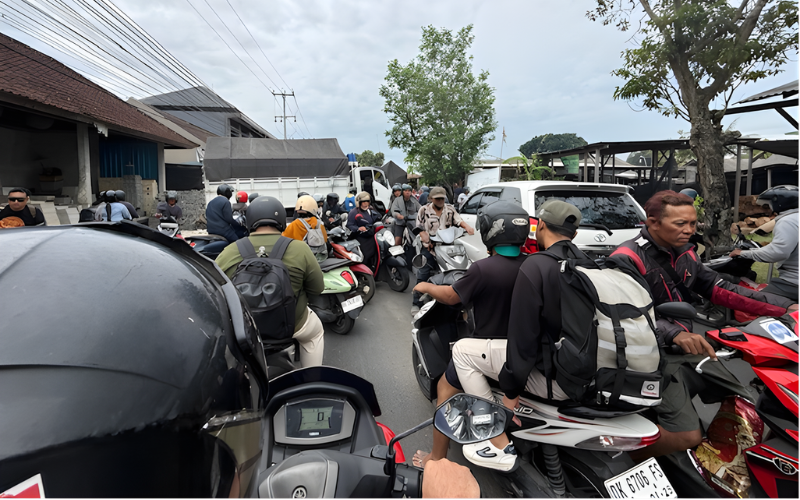
Scooters are the most common way to get around Bali — locals use them, expats use them, and many travellers use them too. They’re fast, cheap, and can weave through traffic easily. But they’re also the biggest cause of tourist injuries, so it’s important to be realistic about your comfort level.
Pros
- Cheapest way to travel
- Easy to park
- Fastest option in traffic
- Freedom to explore remote areas
Cons
- Traffic can be chaotic
- Roads can be narrow, steep, or uneven
- Weather changes quickly
- Higher risk of accidents
Costs
- $7–$10 AUD/day
- $40–$60 AUD/week
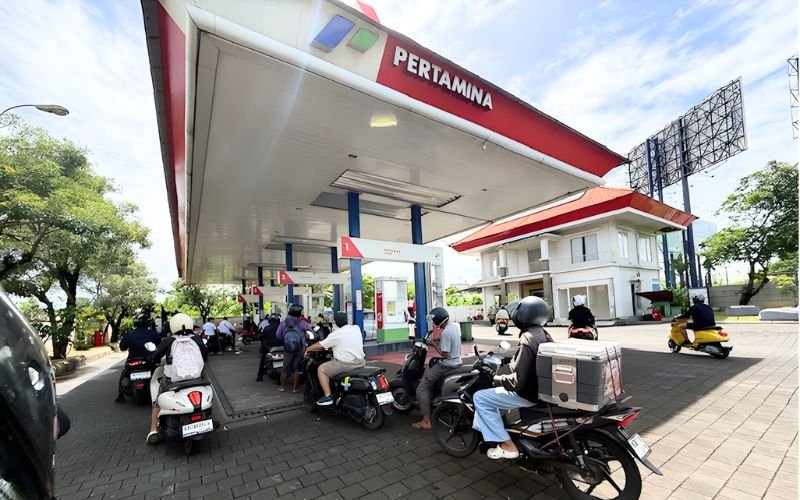
- Fuel: $3–$5 AUD for a full tank
Safety Tips
- Only rent if you’re confident riding
- Always wear a helmet
- Avoid riding at night
- Don’t ride in heavy rain
- Keep valuables in the seat, not the basket
- Take photos of the scooter before renting
Legal Requirements
You need:
- A motorbike licence from your home country
- An International Driving Permit (IDP)
Police do conduct checks, especially in tourist areas.
Ride‑Hailing Apps: Cheap, Safe & Convenient
If you don’t want to ride a scooter, ride‑hailing apps are your best friend.
Apps to Use
- Gojek (motorbike + car rides)
- Grab (motorbike + car rides)
- Blue Bird (official taxi app)
Why They’re Great
- Upfront pricing
- No haggling
- Safe and reliable
- Motorbike taxis beat traffic
Typical Prices
- Short motorbike ride: $1–$3 AUD
- Short car ride: $3–$6 AUD
- Longer rides (e.g., Canggu → Ubud): $10–$20 AUD
Important Note
Some areas (like Uluwatu Temple or certain beaches) have “no‑pickup zones” due to local taxi rules. Solution: Walk 2–5 minutes outside the zone and order again.
Taxis: Use Only the Right Ones
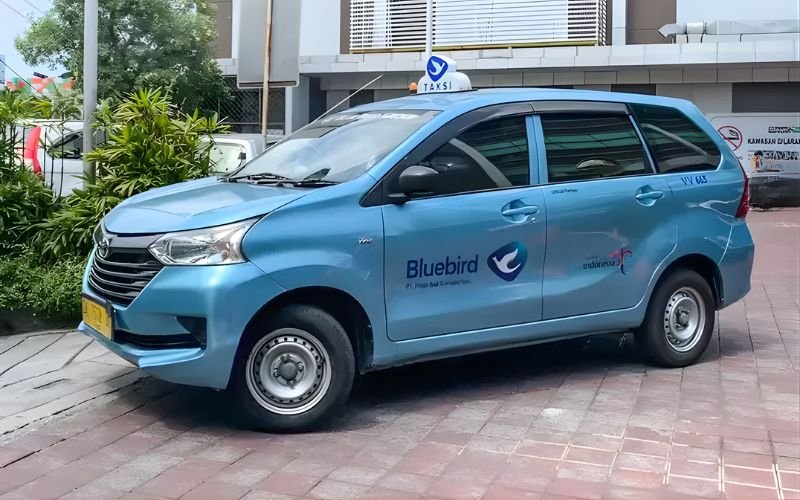
Not all taxis in Bali are trustworthy. The only reliable taxi company is:
Blue Bird Taxi
- Light blue cars
- Metered
- Honest pricing
- Can be booked through the Blue Bird app
Avoid
- Unmarked taxis
- Drivers who refuse to use the meter
- Airport taxi touts
Hiring a Private Driver: Best for Day Trips
Hiring a private driver is one of the most convenient ways to explore Bali, especially if you’re visiting multiple attractions in one day.
Costs
- $60–$80 AUD for 8–10 hours
- Split between friends = extremely affordable
Why It’s Worth It
- No navigating traffic
- No parking stress
- Drivers know shortcuts
- They can recommend hidden gems
- Perfect for Ubud, waterfalls, temples, and long distances
When to Choose a Driver
- Ubud day trips
- East Bali (Tirta Gangga, Lempuyang)
- North Bali (Munduk, Lovina)
- Airport transfers
Walking: Great in Some Areas, Impossible in Others
Bali is not a very walkable island overall, but certain neighbourhoods are pedestrian‑friendly.
Walkable Areas
- Central Ubud
- Seminyak
- Parts of Canggu (Batu Bolong & Berawa)
- Sanur beachfront path
Not Walkable
- Uluwatu (clifftop roads, long distances)
- Canggu shortcuts (narrow, busy)
- Rural areas
Sidewalks can be:
- Uneven
- Broken
- Blocked by scooters
So walking is best for short distances only.
Respect Local Culture and Customs
Bali isn’t just a tropical holiday destination — it’s a deeply spiritual island with traditions that shape everyday life. The Balinese people are warm, welcoming, and incredibly patient with visitors, but showing respect for their customs goes a long way. Understanding the cultural “why” behind certain practices helps you connect more meaningfully with the island and avoid unintentional disrespect.
Bali’s Spiritual Heart: Understanding Daily Rituals
Hindu Influence
Unlike most of Indonesia, which is predominantly Muslim, Bali is primarily Hindu. Balinese Hinduism blends:
- Hindu traditions
- Animism
- Ancestor worship
- Local spiritual beliefs
This creates a unique cultural identity that you’ll see everywhere — from temples to daily offerings.
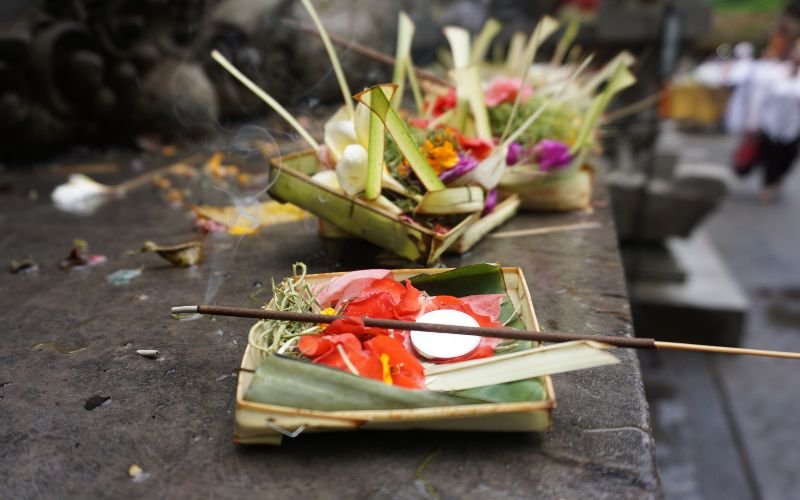
Canang Sari (Daily Offerings)
You’ll see small woven palm‑leaf baskets filled with flowers, rice, and incense placed:
- On sidewalks
- In front of shops
- At temples
- On scooters
- At entrances to homes
These offerings are made every morning to honour the gods and maintain spiritual balance.
How to respect them:
- Step around them, never over them
- Don’t touch or move them
- Be mindful when taking photos
Even if they’re on the ground, they’re sacred.
Temple Etiquette: What You Need to Know
Temples (pura) are everywhere in Bali — from grand sea temples to small family shrines. Visiting them is a privilege, and certain rules apply.
Dress Modestly
To enter a temple, you must cover:
- Shoulders
- Knees
Most temples provide sarongs and sashes at the entrance, often included in the entry fee.
Women’s Restrictions
According to Balinese custom, women who are menstruating should not enter temple grounds. This is based on spiritual beliefs about purity. No one will ask — it’s an honour‑system practice.
Behaviour Inside Temples
- Speak quietly
- Don’t climb on statues
- Don’t point your feet at shrines
- Don’t interrupt ceremonies
- Don’t take photos of people praying unless invited
Temples are active places of worship, not tourist attractions.
Ceremonies & Festivals: What to Expect
Bali has ceremonies almost daily — weddings, cremations, temple festivals, full‑moon rituals. You may encounter:
- Road closures
- Processions
- Music
- Offerings
If You Come Across a Ceremony
- Don’t block the procession
- Don’t stand in front of worshippers
- Ask before taking photos
Dress respectfully
Locals are usually happy to explain what’s happening if you ask politely.
Respecting Local Homes & Villages
Don’t Enter Family Compounds Uninvited
Balinese homes often look like temples because they include shrines. Only enter if:
- You’re invited
- You’re staying in a homestay
- It’s a public area
Remove Shoes When Required
Some shops, spas, and homes ask you to remove your shoes. Follow the signs or observe what others do.
What NOT to Do in Bali (Common Tourist Mistakes)
1. Climbing on Sacred Structures
Temples and shrines are not photo props.
2. Wearing Revealing Clothing in Temples
Short shorts, crop tops, and swimwear are inappropriate.
3. Disrespecting Offerings
Kicking or stepping on offerings is considered extremely rude.
4. Taking Inappropriate Photos
Avoid:
- Posing on temple altars
- Taking photos during prayer
- Using drones near ceremonies
5. Public Displays of Affection
Holding hands is fine, but kissing or hugging in temples or villages is frowned upon.
Useful Balinese Phrases to Show Respect
- “Terima kasih” — Thank you
- “Permisi” — Excuse me
- “Om swastiastu” — Traditional Balinese greeting
- “Suksma” — Thank you (Balinese language)
4. Eat Local to Save Money (and Eat Better)
One of the easiest ways to keep your Bali trip affordable — and experience the island’s culture — is to eat at warungs, Bali’s family‑run local eateries. Not only is the food cheaper than Western cafés, it’s often fresher, more flavourful, and a genuine reflection of Balinese daily life. If you’re travelling on a budget, eating local is where you’ll save the most money without sacrificing quality.
What Exactly Is a Warung?
A warung is a small, often family‑owned restaurant serving homemade Indonesian and Balinese dishes. Expect:
- Simple seating
- Freshly cooked meals
- Friendly service
- Prices far lower than tourist cafés
Warungs are the heart of Bali’s food culture — eating at them supports local families and gives you a more authentic experience.
How Much Does Local Food Cost?
Eating local is incredibly affordable. Typical prices:
- Nasi goreng (fried rice): $2–$3 AUD
- Mie goreng (fried noodles): $2–$3 AUD
- Nasi campur (mixed rice plate): $3–$5 AUD
- Gado‑gado (peanut sauce salad): $2–$4 AUD
- Fresh fruit juice: $1–$2 AUD
- Bottled water: $0.50–$1 AUD
Compare that to Western cafés where meals can cost $10–$20 AUD — the savings add up fast.
Must‑Try Local Dishes (With Descriptions)
Nasi Goreng
Indonesia’s famous fried rice, usually served with:
- Fried egg
- Chicken or vegetables
- Prawn crackers
Comfort food at its best.
Mie Goreng
Stir‑fried noodles with:
- Vegetables
- Chicken or tofu
- Sweet soy sauce
A favourite among travellers.
Nasi Campur
The best way to try a bit of everything. A plate of rice served with:
- Tempeh
- Vegetables
- Chicken or fish
- Sambal (chilli paste)
Babi Guling (Balinese Roast Pork)
A Balinese specialty. Usually served with:
- Crispy pork
- Rice
- Vegetables
- Spicy sambal
Best eaten at dedicated babi guling warungs.
Ayam Betutu
Slow‑cooked chicken with rich Balinese spices. A great option if you like flavourful, aromatic dishes.
Gado‑Gado
A vegetarian‑friendly dish made of:
- Steamed vegetables
- Tofu
- Tempeh
- Peanut sauce
Light, healthy, and delicious.
How to Choose a Good Warung
Not all warungs are equal — here’s how to pick the best ones:
1. Look for Busy Spots
High turnover means:
- Fresh food
- Popular with locals
- Safe to eat
If locals are eating there, it’s usually a great sign.
2. Check Google Reviews
Bali’s food scene is well‑reviewed. Look for:
- 4.5 stars and above
- Recent reviews
- Photos of the food
3. Look for Cleanliness
A good warung should have:
- Clean tables
- Covered food
- Staff wearing gloves or using utensils
4. Avoid Pre‑Cooked Food Sitting Out
Some warungs display dishes in glass cabinets. This is normal, but choose places where:
- Food looks fresh
- There’s steady customer flow
Drinks: What’s Safe and What to Avoid
Safe:
- Bottled water
- Filtered water from refill stations
- Fresh juices (from reputable warungs)
Coconut water
Be Cautious With:
- Ice from street vendors
- Unsealed bottled drinks
- Very cheap cocktails (quality varies)
5. Know the Real Costs: Bali on a Budget
One of the biggest reasons Bali is so popular with first‑time travellers is how affordable it can be — if you know where to spend and where to save. While Bali offers luxury resorts and high‑end dining, it’s also one of the easiest places to travel comfortably on a budget. Understanding the real costs helps you plan smarter, avoid tourist traps, and stretch your money further.
Daily Budget Breakdown (Realistic & Updated)
Here’s what a typical day in Bali costs depending on your travel style:
Budget Traveller ($35–$85 AUD/day)
- Homestay or hostel: $15–$30
- Local food (warungs): $10–$20
- Scooter rental or Gojek rides: $5–$15
- Activities (temples, waterfalls): $5–$20
Perfect for: backpackers, solo travellers, students, digital nomads.
Mid‑Range Traveller ($90–$180 AUD/day)
- Boutique hotel/villa: $50–$120
- Mix of cafés + warungs: $20–$40
- Transport (driver or scooter): $10–$30
- Activities: $10–$30
Perfect for: couples, comfort‑seekers, first‑timers wanting convenience.
Luxury Traveller ($200+ AUD/day)
- Private villa with pool: $150–$500
- Upscale dining: $40–$100
- Private drivers: $50–$80
- Premium activities: $50–$150
Perfect for: honeymooners, families, travellers wanting privacy and premium experiences.
Accommodation Costs (What You Actually Get)
Homestays ($15–$30 AUD/night)
- Private room
- Breakfast included
- Local hospitality
- Often family‑run
Best value for budget travellers.
Hostels ($10–$20 AUD/night)
- Dorm beds
- Social atmosphere
- Great for meeting people
Mid‑Range Hotels & Villas ($50–$120 AUD/night)
- Pools
- Air‑conditioning
- Modern rooms
- Breakfast buffets
Luxury Villas ($150–$500+ AUD/night)
- Private pools
- Butler service
- Stunning views
- Instagram‑worthy interiors
Food & Drink Costs
Warungs (Local Eateries)
- Nasi goreng: $2–$3
- Mie goreng: $2–$3
- Nasi campur: $3–$5
- Fresh juice: $1–$2
Delicious, cheap, and authentic.
Cafés & Western Restaurants
- Smoothie bowls: $6–$10
- Burgers/pizza: $8–$15
- Coffee: $3–$5
Great quality but adds up quickly.
Beach Clubs
- Entry: free–$20
- Drinks: $10–$20
- Food: $15–$30
- Sunbeds: $20–$100 (depending on minimum spend)
Transport Costs
Scooter Rental
- $7–$10 AUD/day
- $40–$60 AUD/week
Fuel
- $1–$2 AUD per litre
- Full tank: $3–$5 AUD
Gojek/Grab (Motorbike Taxi)
- Short rides: $1–$3
- Longer rides: $5–$10
Private Driver
- Full day (8–10 hours): $50–$70
- Airport transfer: $20–$35
Activity Costs
Temples
Entry fees: $2–$7
Sarong rental: usually included
Waterfalls
- Entry fees: $1–$10
- Parking: $0.20–$0.50
Mount Batur Sunrise Hike
- Guided tour: $40–$70
- Includes transport + breakfast
Snorkelling
- Amed: $5–$10 for gear rental
- Nusa Penida tours: $40–$80
Yoga Classes
- Drop‑in: $10–$20
- Community classes: donation‑based
Hidden Costs First‑Timers Don’t Expect
These small expenses add up if you’re not prepared:
1. ATM Fees
- Local ATMs charge $3–$7 per withdrawal
- Your bank may add international fees
Tip: Withdraw larger amounts less often.
2. Parking Fees
- Scooters: $0.20–$0.50
- Cars: $1–$2
3. Beach Access Fees
Some beaches charge:
- $1–$2 per person
- $0.50–$1 for scooter parking
4. Laundry
- $1–$4 per kg
- Same‑day service available
6. Plan Your Itinerary Around Traffic
Bali may look small on a map, but the island’s traffic can turn even short distances into long, slow journeys. Roads are narrow, scooters weave through gaps, and popular tourist areas get congested quickly — especially during peak season. Planning your itinerary with traffic in mind can save you hours each day and make your trip far more enjoyable.
Realistic Travel Times (Not What Google Maps Says)
Google Maps might say 20 minutes — but Bali time is different.
Here are more realistic estimates:
| Route | Google Estimate | Realistic Time |
|---|---|---|
| Canggu → Seminyak | 20 mins | 40–60 mins |
| Canggu → Ubud | 45 mins | 1–2 hours |
| Ubud → Kintamani (Mount Batur) | 1 hour | 1.5–2 hours |
| Seminyak → Uluwatu | 45 mins | 1–1.5 hours |
| Airport → Canggu | 35 mins | 1–2 hours |
How to Plan Your Itinerary Smartly
1. Split Your Trip Into Two Base Areas
Instead of staying in one place and doing long day trips, choose two bases, such as:
- Canggu/Seminyak for beaches
- Ubud for waterfalls, temples, and rice terraces
This reduces travel time dramatically.
2. Start Early — Really Early
If you want to visit:
- Waterfalls
- Rice terraces
- Temples
- Mount Batur
Leave before 7:30am. You’ll beat the crowds and the heat.
3. Group Nearby Attractions Together
For example, in Ubud:
- Tegalalang Rice Terrace
- Tirta Empul Temple
- Gunung Kawi
…are all close to each other.
In Uluwatu:
- Melasti Beach
- Padang Padang
- Uluwatu Temple
…make a perfect half‑day itinerary.
Common Mistakes First‑Time Travellers Make
1. Overpacking the Itinerary
Trying to see 5–6 attractions in one day is unrealistic. Aim for:
- 2–3 major stops
- 1–2 smaller stops
2. Booking Activities Too Close Together
Give yourself buffer time — traffic delays are normal.
3. Staying Too Far From What You Want to Do
If you want:
- Beach clubs → stay in Canggu/Seminyak
- Waterfalls → stay in Ubud
- Surfing → stay in Uluwatu
Location matters more than you think.
4. Relying on Google Maps Alone
Maps don’t account for:
- Road closures
- Ceremonies
- Flooding
- Scooter‑only shortcuts
9. Get a Local SIM Card
Staying connected in Bali isn’t just convenient — it’s essential. Whether you’re navigating narrow streets on a scooter, ordering a Gojek ride, translating menus, or uploading your sunset photos, having reliable mobile data makes your trip smoother, safer, and cheaper.
Why You Should Get a Local SIM Card
1. Ride‑Hailing Apps Require Data
Grab and Gojek are lifesavers in Bali. You’ll use them for:
- Motorbike taxis
- Car rides
- Food delivery
- Paying for parking in some areas
2. Google Maps Is Your Best Friend
Bali’s roads can be confusing — especially in Canggu and Ubud where small alleys (gangs) twist everywhere. Offline maps help, but real‑time navigation is far more accurate.
3. Wi‑Fi Isn’t Always Reliable
Cafés and hotels usually have Wi‑Fi, but:
- Speeds vary
- Connections drop during storms
- Some areas (like Uluwatu or Sidemen) have weaker coverage
A local SIM gives you consistent access.
4. It’s Cheaper Than Roaming
International roaming fees can be extremely expensive. A Bali SIM card costs a fraction of what most travellers pay for roaming packages.
Best SIM Card Providers in Bali
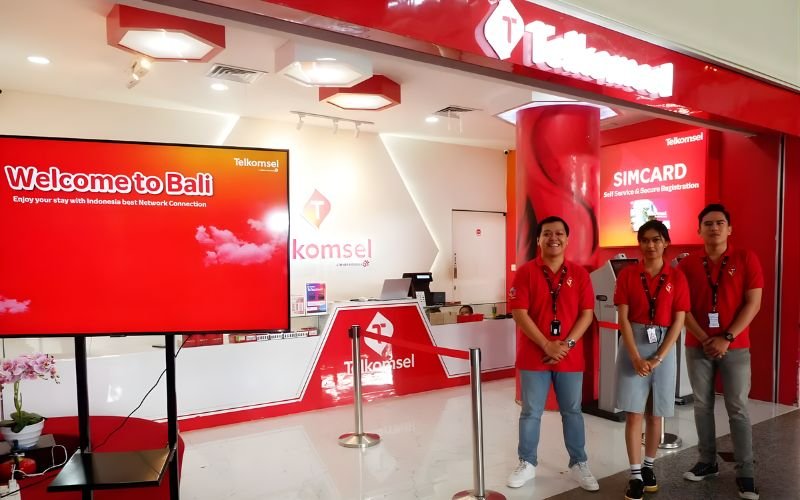
1. Telkomsel — Best Overall Coverage
- Strongest signal island‑wide
- Best for remote areas (Sidemen, Amed, Nusa Penida)
- Slightly more expensive, but worth it
Ideal for: Travellers exploring beyond the main tourist zones.
2. XL Axiata — Great Value
- Good coverage in major tourist areas
- Cheaper data packages
- Fast speeds in cities and towns
Ideal for: Budget travellers staying in Canggu, Seminyak, Ubud, or Kuta.
3. Indosat (IM3) — Budget Option
- Affordable packages
- Decent coverage in urban areas
- Not as strong in rural regions
Ideal for: Short stays or travellers who don’t need heavy data.
Where to Buy a SIM Card in Bali
1. Official Telkomsel or XL Stores
Best option for:
- Authentic SIMs
- Proper registration
- Fair pricing
2. Local Phone Shops
Small shops can activate SIMs quickly. Just make sure:
- Prices are displayed
- They don’t try to upsell unnecessary packages
3. Convenience Stores (Circle K, Indomaret, Alfamart)
Some sell SIMs, but you may need to activate them yourself or visit a phone shop for setup.
How Much Data Do You Actually Need?
For a 1–2 week trip:
- 10–20GB is plenty for maps, social media, and ride‑hailing
- If you upload lots of videos or work remotely, get 30–40GB
Data in Bali is cheap — better to have too much than too little.
eSIM vs Physical SIM — Which Should You Choose?
eSIM Pros
- No need to visit a shop
- Activate instantly
- Keep your home SIM active
eSIM Cons
- Slightly more expensive
- Some Bali networks don’t support eSIM directly
Physical SIM Pros
- Cheapest option
- Strongest local coverage
- Easy to top up
Physical SIM Cons
- Requires swapping SIMs
- Must visit a shop
10. What to Pack for Bali (First‑Timer Essentials)
Packing for Bali is all about balancing comfort, climate, culture, and convenience. The island is tropical, humid, and casual — but it also has temples with dress codes, sudden rain showers, and activities that require specific gear. Here’s a complete breakdown of what to bring (and what to leave behind).
Clothing Essentials
Lightweight, Breathable Clothing
Bali is warm year‑round, with humidity that can make heavy fabrics uncomfortable. Pack:
- Loose cotton or linen tops
- Lightweight shorts
- Flowy dresses or skirts
- Breathable activewear
Why it matters: You’ll sweat more than you expect — breathable fabrics keep you comfortable during long walks, scooter rides, and temple visits.
Swimwear (2 sets)
You’ll likely swim daily — beaches, waterfalls, hotel pools, snorkelling trips. Having multiple sets means you’re not constantly putting on damp swimwear.
Sarong
A sarong is one of the most useful items in Bali. You can use it for:
- Temple visits (required dress code)
- Beach cover‑ups
- Light blanket on flights
Quick towel substitute
Light Jacket or Cardigan
Evenings in Ubud or the mountains (like Kintamani) can get cool. Also useful for:
- Air‑conditioned cafés
- Long scooter rides
- Sunrise hikes
Rain Jacket or Poncho (Nov–Mar)
Bali’s wet season brings sudden tropical downpours. A compact rain jacket or poncho is a lifesaver — especially if you’re on a scooter.
Footwear
Comfortable Walking Sandals
You’ll walk a lot — through markets, rice terraces, and uneven paths. Choose sandals with:
- Good grip
- Arch support
- Quick‑dry material
Flip‑Flops
Perfect for:
- Beach days
- Waterfalls
- Hostel showers
They’re cheap in Bali, but quality varies — bring your own if you prefer comfort.
Closed Shoes (Optional)
Useful for:
- Mount Batur sunrise hike
- Jungle trekking
- ATV tours
If you’re not doing adventure activities, you can skip these.
Toiletries & Personal Care
Sunscreen (reef‑safe if possible)
Sunscreen is expensive in Bali — often double the price. Bring enough for your whole trip.
Insect Repellent
Mosquitoes are common, especially near rice fields and at dusk. Repellent helps prevent bites and reduces the risk of mosquito‑borne illnesses.
Basic First‑Aid Kit
Include:
- Band‑aids
- Antiseptic wipes
- Pain relief tablets
- Rehydration salts (great for heat exhaustion)
Motion sickness tablets (for boat trips to Nusa Penida or Gili Islands)
Personal Hygiene Items
Most items are available in Bali, but if you prefer specific brands, pack:
- Shampoo/conditioner bars
- Face wash
- Deodorant
- Toothpaste
- Razor
Tech & Electronics
Universal Power Adapter (Type C/F)
Bali uses European-style plugs. A universal adapter ensures all your devices stay charged.
Portable Charger / Power Bank
Essential for:
- Long day trips
- Navigation on scooters
- Taking photos and videos
Waterproof Phone Case
Useful for:
- Waterfalls
- Snorkelling trips
- Rainy season
- Beach days
It protects your phone from water, sand, and humidity.
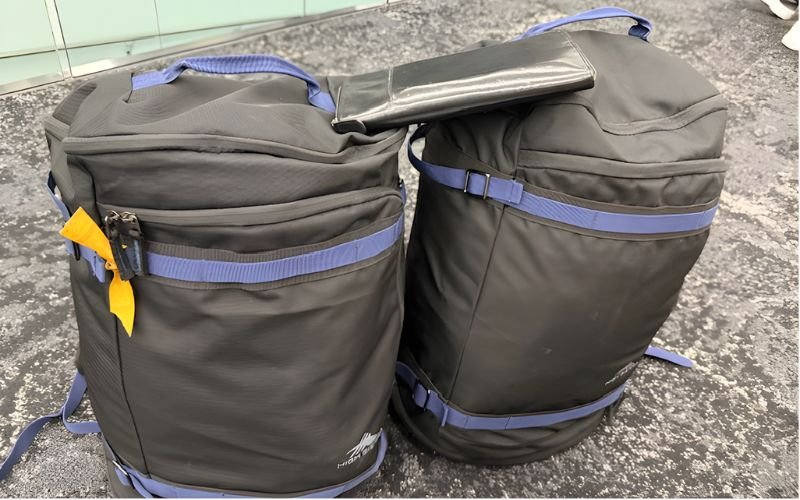
Important Documents
Passport + Photocopies
Keep digital copies stored securely online.
Travel Insurance Details
Bali scooter accidents are common — insurance is essential.
International Driver’s Permit (IDP)
Required if you plan to rent a scooter. Police may fine you without one.
Bank Cards + Backup Card
ATMs occasionally run out of cash or decline foreign cards. A backup card prevents headaches.
What You Don’t Need to Pack
- Heavy jackets
- High heels
- Excessive makeup
- Hair dryers (most hotels provide them)
11. Common Scams & Mistakes to Avoid
Even though Bali is generally safe and welcoming, the island’s popularity means a handful of opportunistic scams target first‑time travellers. Being aware of how these scams work — and how to avoid them — can save you money, stress, and a ruined holiday.
Money Exchange Scams
Money changer scams are among the most widespread issues travellers face. Unauthorized money changers often advertise unrealistically high exchange rates to lure tourists in. Once you hand over your cash, they may use sleight‑of‑hand tricks, such as recounting the money while secretly removing bills or using rigged calculators that display incorrect totals.
How to Avoid It
Use only authorized money changers like Central Kuta, BMC, or PT. Dirgahayu. These reputable chains operate in proper storefronts with clear signage.
Count your money yourself before leaving the counter — never rely solely on their counting machine, as even those can be manipulated.
Avoid tiny roadside booths offering “best rate” signs — if it looks too good to be true, it is.
Consider withdrawing from ATMs inside bank branches (BCA, Mandiri, BRI) to avoid the exchange process entirely.
Taxi Overcharging & Meter Manipulation
Taxi scams are extremely common in tourist hotspots like Kuta, Seminyak, and the airport. Some drivers quote triple the normal fare, refuse to use the meter, or use rigged meters that jump rapidly.
How to Avoid It
Use Blue Bird taxis, the most reputable metered taxi company.
Use Grab or Gojek, which provide upfront pricing and eliminate haggling.
Avoid airport taxi touts who swarm arrivals — book a pickup in advance or go to the official taxi counter.
Beach Rental Price Traps
At some beaches, sunbed or umbrella vendors may quote one price initially, then demand a higher price when you’re leaving. Others may claim the price was “per hour” instead of per day.
How to Avoid It
Confirm the price clearly before sitting down, including whether it’s per hour or per day.
Ask if there are additional fees (towels, cushions, etc.).
Walk away if the vendor seems vague or pushy.
Temple Dress Code & Fake Fees
Some temples require sarongs, but many provide them free with your entry ticket. Scammers sometimes stand near temple entrances and claim you must pay extra for a sarong or “mandatory offering.”
How to Avoid It
Buy your ticket at the official counter only.
Ignore anyone outside the gate trying to charge for sarongs or “guides.”
Know that most temples include sarong rental in the entry fee.
If unsure, ask a uniformed staff member, not someone approaching you.
Scooter Damage Scams
Scooter rental scams are extremely common. Some rental shops claim you caused damage that was already there, or they may demand inflated repair fees. In extreme cases, they may even threaten to keep your passport if you left it as a deposit.
How to Avoid It
Never leave your passport as a deposit — use a cash deposit instead.
Take detailed photos and videos of the scooter from every angle before riding.
Check brakes, lights, and mirrors before accepting the bike.
Rent from reputable companies with strong reviews.
Get insurance if available.
Bali is one of the easiest and most rewarding destinations for first‑time travellers — especially if you’re on a budget. With friendly locals, affordable food, beautiful landscapes, and endless things to do, it’s a place that welcomes you in and makes you feel at home instantly.
With the right planning and a few insider tips, your first trip to Bali can be unforgettable, stress‑free, and affordable.